
 MENU
MENU SEARCHMENUSEARCH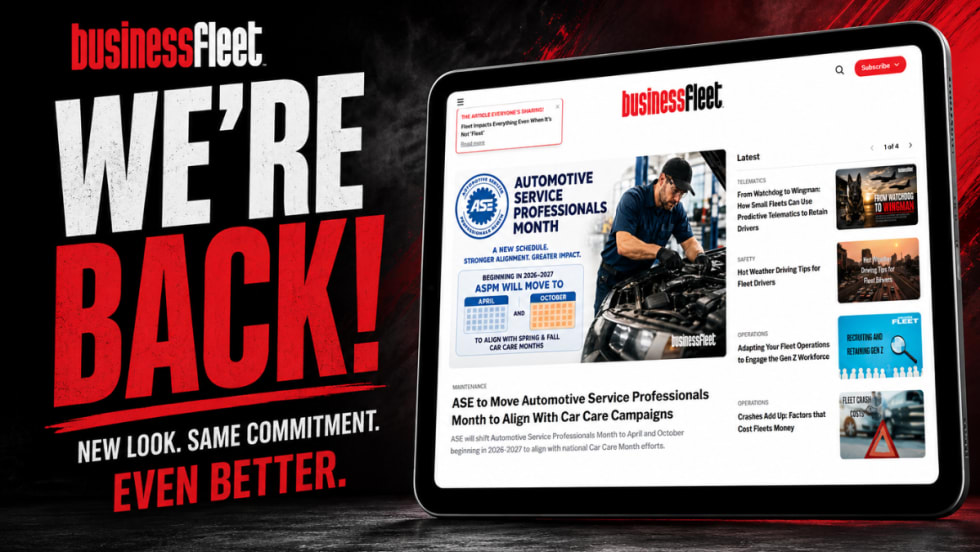
Check out our redesigned website with a faster experience and a renewed commitment to serving small fleet professionals.
Read More →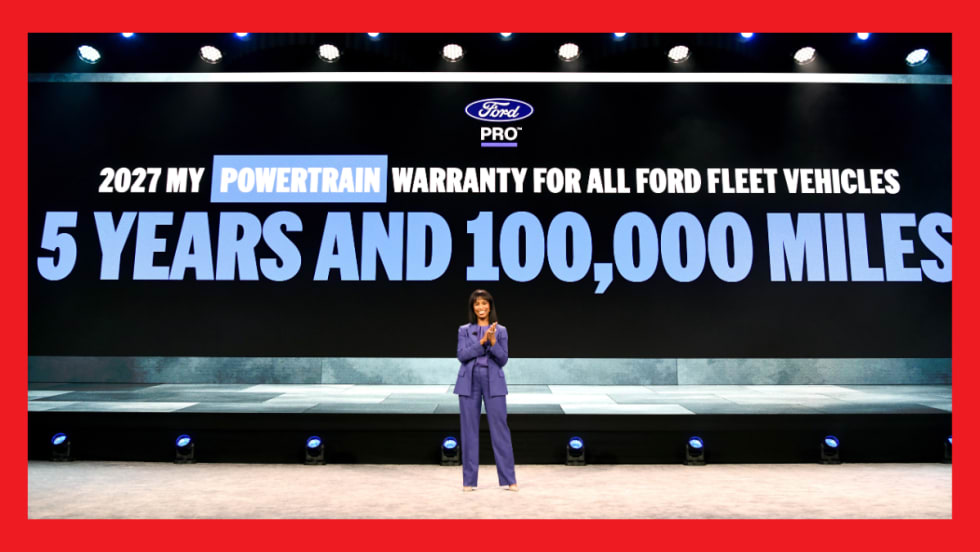
Ford Pro expands its 5-year/100,000-mile Limited Powertrain Warranty to more 2027 fleet vehicles, helping reduce ownership costs.
Read More →
ASE will shift Automotive Service Professionals Month to April and October beginning in 2026-2027 to align with national Car Care Month efforts.
Read More →
DECKED’s “Dad Time Off” initiative puts the spotlight on work-life balance by giving 100 dads a paid day away from the job.
Read More →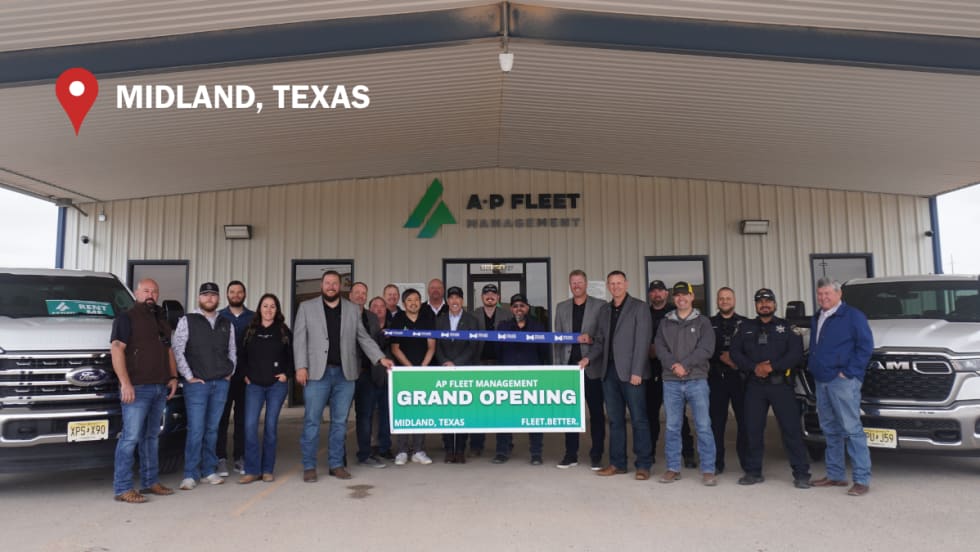
AP Fleet Management opened a new Midland, Texas, location to help businesses access rental, leasing, financing, and custom fleet solutions faster.
Read More →
Chevrolet used the Corvette ZR1X to “blow out” 250 candles at Indy as part of its year-long celebration of America’s 250th anniversary.
Read More →
Farmers Insurance joined the Red Cross Disaster Responder Program with a $250,000 contribution supporting disaster recovery efforts nationwide.
Read More →
Union Leasing rebrands as Moventum Fleet Management as the company expands its focus on fleet lifecycle and operations.
Read More →
A new Northland survey found many trucking fleets struggle to turn telematics data into actionable safety improvements, despite widespread adoption of fleet technology tools.
Read More →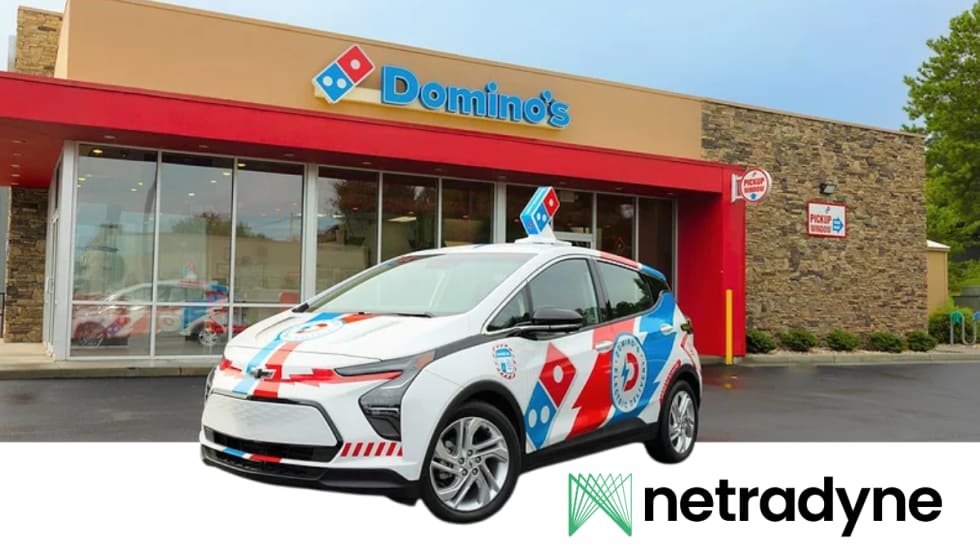
Five Domino's franchises and more than 1,000 vehicles are now running on Netradyne's AI-powered fleet safety and performance platform. Designed for fleets that use personal or non-owned vehicles, FlexMount allows drivers to quickly install and remove Driver-i.
Read More →