Articles
How Drivers Can Improve Fuel Efficiency
By knowing and practicing some driving and maintenance tips, drivers can increase their trucks’ gas mileage, boost their vehicles’ overall performance, and save money for the company.
Read More →
 MENU
MENU SEARCH
By knowing and practicing some driving and maintenance tips, drivers can increase their trucks’ gas mileage, boost their vehicles’ overall performance, and save money for the company.
Read More →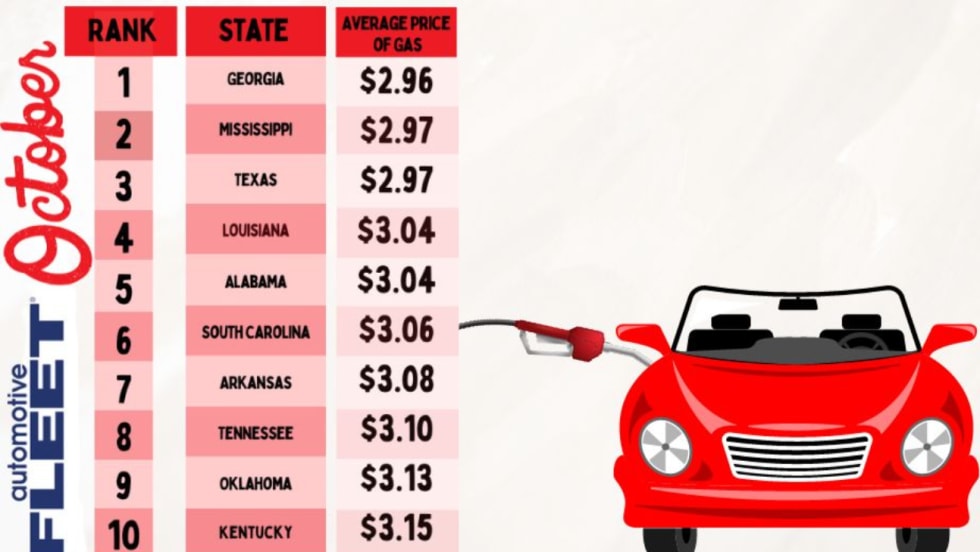
With how often fuel costs change based on any number of factors, how much has it changed within one month?
Read More →
A new report provides a summary of comprehensive research focused on improving the internal combustion engine efficiency and emissions.
Read More →
The acquisition broadens WEX’s footprint with small business customers that typically fuel at the same stations near their home base.
Read More →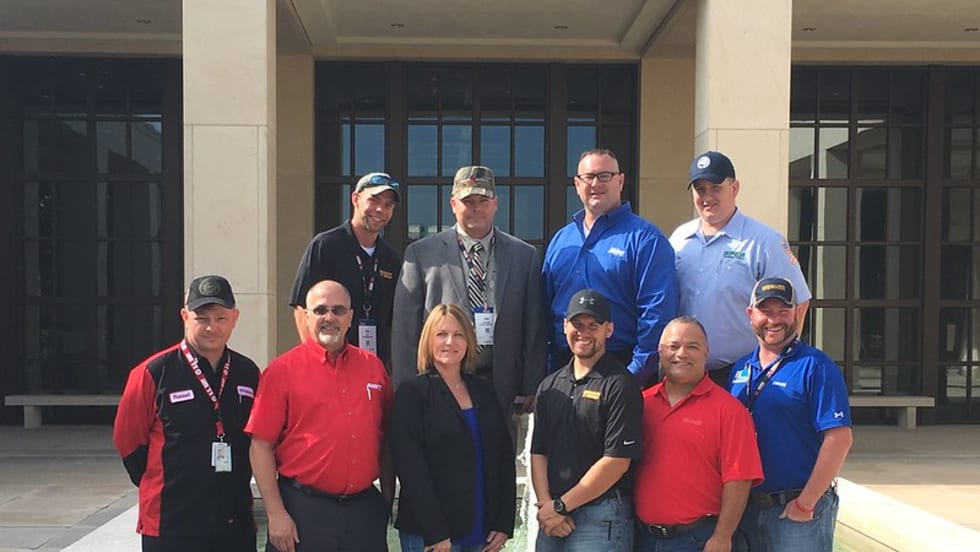
The tried-and-true tips still apply — but implementing new ways to modify driver behaviors and creating larger organizational conversations around energy savings can reap benefits too.
Read More →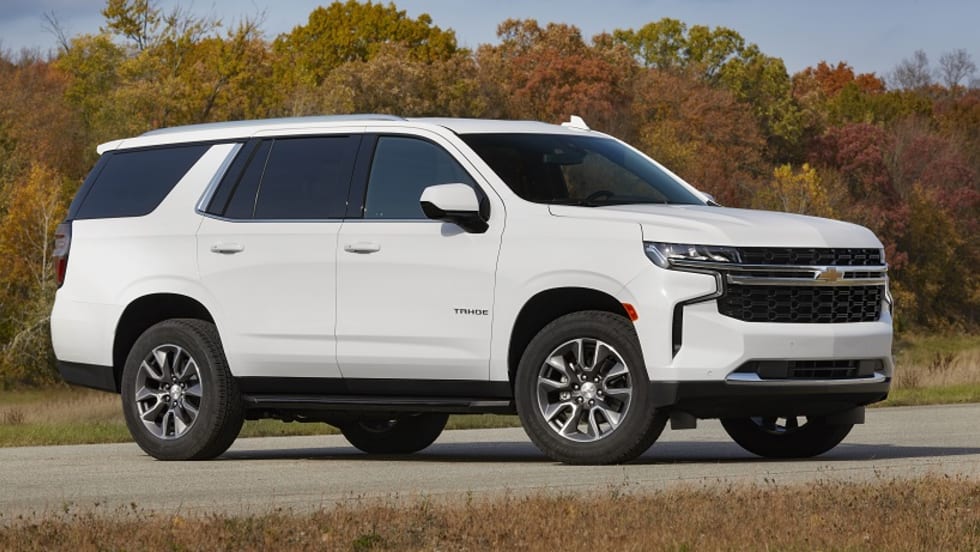
The first customer deliveries of the 2021 Tahoe and Suburban with the available 3.0L Duramax turbo-diesel are expected to begin before the end of the year.
Read More →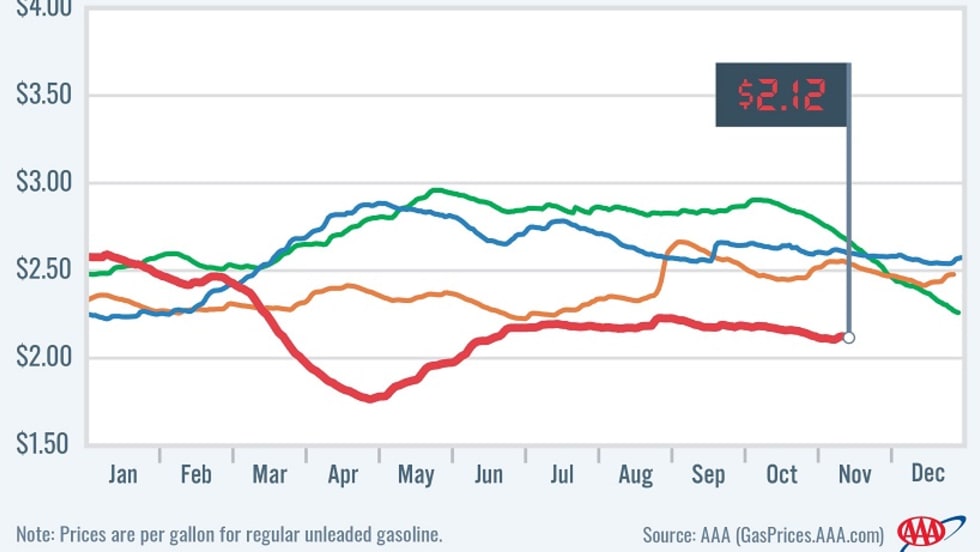
Despite the weekly increase, gas prices remain cheap both compared to last month and last year.
Read More →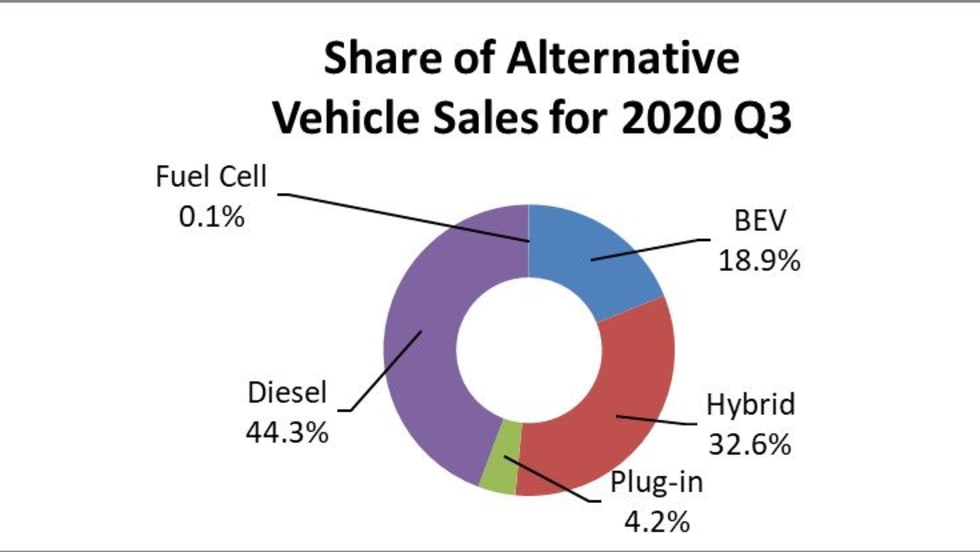
The rebound in automotive sales of 31% in the third-quarter of 2020 is led by growth in pickup trucks and SUVs, categories with the most advanced, fuel-efficient diesel options, notes the Diesel Technology Forum.
Read More →
We’d like to introduce you to some of the most influential women in the fleet industry. These women are trailblazers in an industry that is often thought of as being male dominated. Here we break those stereotypes down.
Read More →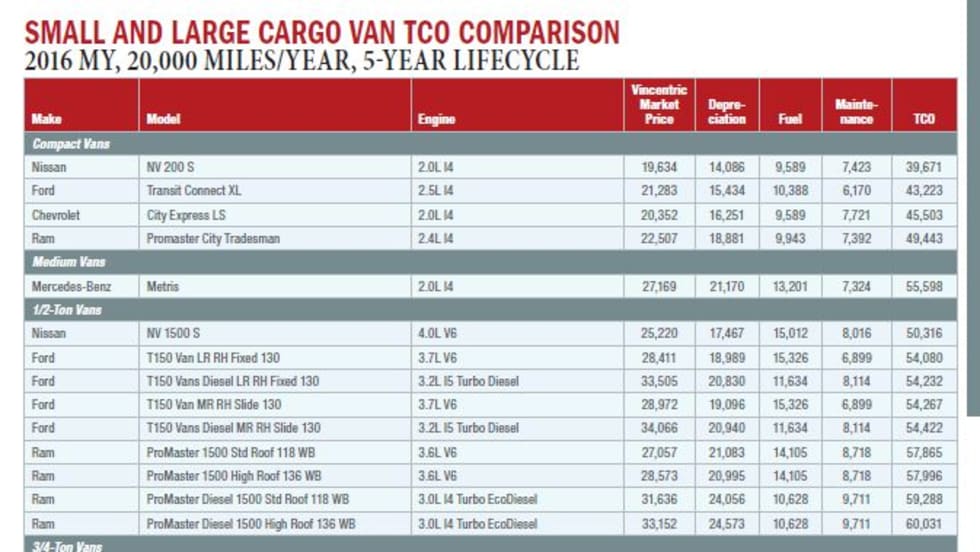
This analysis shows that ownership costs for vans with similar powertrains, GVWR, and capacities can vary by manufacturer as much as $9,000.
Read More →
Propane autogas was an easy transition for this meat delivery fleet, which already had an onsite propane tank for building power and was able to secure a grant to cover 70% of the conversion cost.
Read More →