

November 2009, Business Fleet - Cover Story
Fleet Maintenance Goes Wireless
GPS-based fleet tracking systems are being used to rein in maintenance costs through vehicle location controls, automated preventive maintenance scheduling, driver monitoring and remote engine diagnostics.
By Ashley Willis and Chris Brown
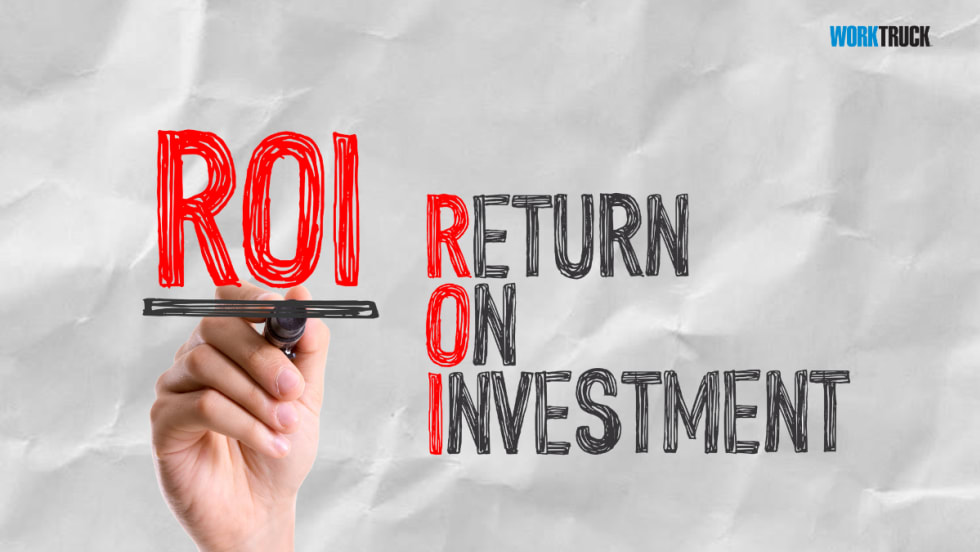
GPS-based fleet tracking and management systems first gained traction in companies with national fleets moving high-priced, mission-critical assets in complex routing and logistics situations. Tell that to a florist trying to make sure the flowers get to the wedding-her task is surely just as "mission critical." However, for those small businesses, the price of these early systems did not return a favorable ROI.
Now, these telematics systems have price points and functionality that are geared toward any business, and small fleets-from florists and landscapers to contractors and cleaners-are using them to schedule deliveries, track fuel consumption and monitor driver behavior.
Fleets are also using them to control maintenance costs as well. In an economy that is forcing companies to stretch fleet hold times to save on depreciation, controlling maintenance costs is an imperative.
Save Fuel, Increase Engine Life
Most fleet administrators say the primary benefit of a tracking system is to be able to know where your fleet vehicles are at any given time. Tighter routing and a reduction in non-authorized vehicle usage lead to fewer miles driven, which in turn lead to fuel savings and reduced engine wear and tear.
"Our biggest advantage is controlling the vehicles and the after-hours stuff," says Tom Shubert, fleet coordinator for Triple S Services, a pest control, landscaping and home improvement company in Manassas, Va. The company has the Networkfleet system installed in 40 trucks. "That was a killer," Shubert says. "For a service company, I'm never really sure if you're working for me or if you're working for you."
Fleet tracking systems allow administrators to set up "geo fences" around vehicles, which trigger an email if a vehicle travels into or outside certain parameters in a given timeframe. "Now the guys know that if they take a vehicle on the weekend, the system alerts me," says Shubert. "I don't have to go looking at each vehicle. I just check my emails, and if it's there, then we have a talk."
Automating PM
Fleet tracking and management systems also offer custom preventive maintenance (PM) scheduling, which notifies users when vehicles reach predetermined maintenance intervals. Setting PM alerts automates scheduling by recording odometer readings and taking into account the type of vehicle, usage patterns, warranties and regulatory requirements.
Bill Beckham of Burgundy Farms in Tallahassee, Fla., uses a system from Telogis to manage a fleet of 20 large trucks that move lumber across the Southeast. "The system shows us flags whenever something needs to be serviced," says Beckham. He retains two in-house mechanics to maintain his trucks, which run from 300,000 to 900,000 miles. "The mechanics don't have to chase anyone around to get the mileage, which is sometimes wrong," he says. "We just go to the computer and pick up the mileage and we know right then."