



Related Video Safety Tip: Driving Amid Lightning
Video Safety Tip: Correct Steering Techniques
Several experts say hand-over-hand steering isn't the safest steering method for two main reasons.
February 12, 2018
2 min to read
Steering a vehicle is a behavior that rarely demands a second thought, because as one of the first things a driver learns, it becomes second nature. Drivers will often use hand-over-hand steering, which many driving instructors say is a bad habit.
Several experts say hand-over-hand steering isn't the safest steering method for two main reasons.
First, with hand-over-hand steering, the driver’s arm crosses over the center of the steering wheel where the airbag is located. If the airbag deploys, it could cause serious injury to the driver's arm. Secondly, with hand-over-hand steering, the driver’s hands leave the steering wheel — that means less control.
Here are a few tips for mastering proper steering:
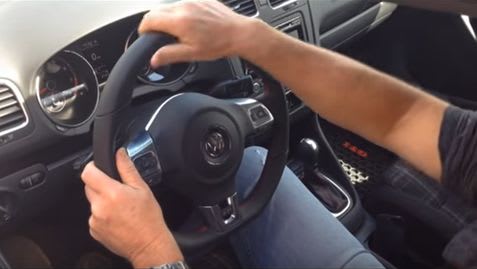
Drivers should never take their hands off the steering wheel, even during turns. Keeping one’s hands on the wheel provides a driver with more control.
Hands should be placed on the steering wheel in the 9 o’clock/3 o’clock position. Experts say this position provides equal balance for defensive driving maneuvers and making left and right turns.
Thumbs should be placed along the side of the steering wheel—not over or wrapped around the steering wheel. Experts say that the thumb and index fingers provide the most energy and power, making it a lot easier to turn the wheel.
Use the “push-pull” steering technique for making turns where one hand slides on the wheel as the other pulls down.
Driving instructor Andrew Wunderlich, owner and operator of Teen Road to Safety and a former LAPD officer who trained police recruits in defensive driving techniques, demonstrates proper steering in this video. To watch the video, click on the photo or link below the headline.
Originally posted on Automotive Fleet
More Safety
Tips for Driving Safely on Halloween Night
This video features a reminder from the Connecticut Department of Transportation (DOT) and the Connecticut Police Chiefs Association, urging drivers to prioritize safety this Halloween.
Read More →
Mercedes Benz Tests CLA Occupant and Battery Protection in Side Impact Crash
Two CLA sedans traveling at 35 mph were used in a Mercedes-Benz crash test examining occupant protection and electric vehicle battery safety.
Read More →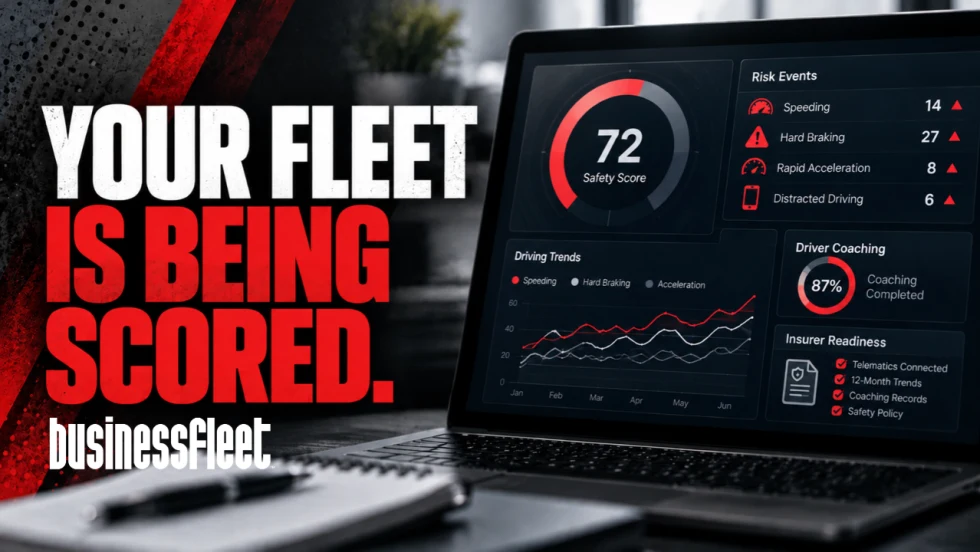
How Technology Can Help Fleet Owners Improve Insurability
Your fleet's telematics data could be the difference between getting insurance coverage and facing higher premiums or non-renewal. Here's what insurers are looking for and how fleets can use that data to make a stronger case at renewal.
Read More →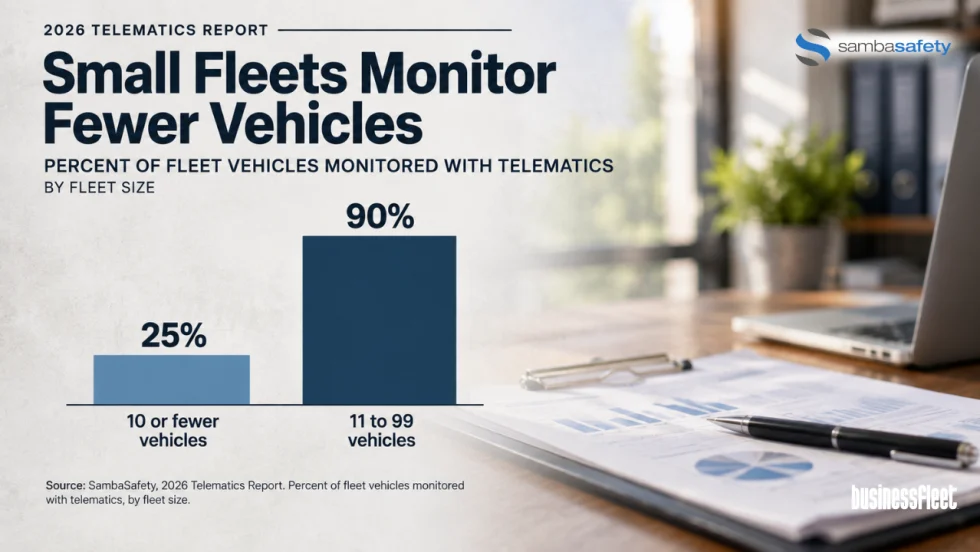
Small Fleets Lag in Telematics Coverage as Industry Moves Beyond Adoption
SambaSafety’s 2026 Telematics Report finds fleets with 10 or fewer vehicles monitor a much smaller share of their vehicles than larger operations, as the industry shifts its focus from collecting data to using it.
Read More →
Back-to-School Traffic Is Not the Risk Fleets Think It Is
Back-to-school traffic does not always mean more crashes. New Empiric Earth data shows why fleets should focus on when and where risk changes.
Read More →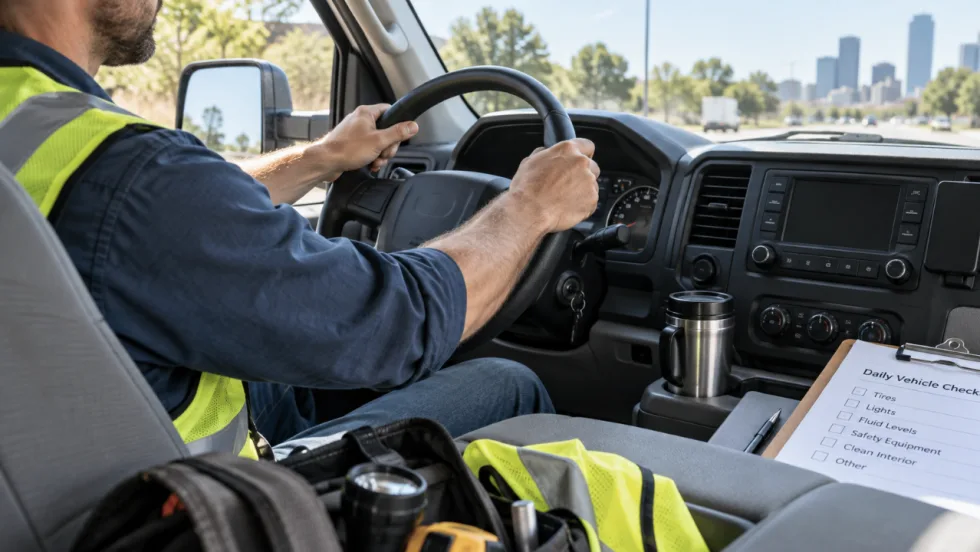
Small Fleet, Big Exposure: How to Reduce Workers’ Comp Risks
For small fleets, one crash can trigger far more than vehicle damage. Here’s how stronger driver safety policies, training, maintenance, and technology can help reduce workers’ comp exposure.
Read More →
Who Makes the Call When Winter Weather Gets Dangerous?
Winter weather can quickly change a small fleet’s plans. Knowing when to reroute, delay, or stop can matter just as much as preparing the vehicles themselves.
Read More →
API Issues Refueling Safety Guidelines
The American Petroleum Institute offers a list of safe vehicle refueling guidelines, including ways to avoid potential problems with static electricity discharges in fall, winter, and early spring.
Read More →
Winter Fleet Prep: Expert Tips to Keep Vehicles Running Smoothly
Cold weather can expose weak batteries, tires, fuel systems, and maintenance gaps fast. Use this winter fleet checklist to prepare trucks and drivers before temperatures drop.
Read More →
8 ADAS Maintenance Tips for Small Business Fleets From Bendix
A dirty camera, bad alignment, or one loose connection could quietly knock your fleet’s ADAS offline. Here’s what Bendix says to check.
Read More →