


The Nissan LEAF: an EV, and a Real Car
We took a spin in the Nissan LEAF. The fit-and-finish and drive characteristics are up to North American standards, and the range does not disappoint.

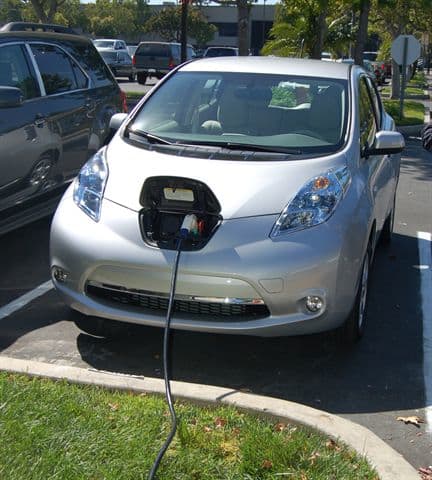
"This is a real car." That's the first thing that struck me when I sat down in the all-electric Nissan LEAF. My expectations have not been the highest recently when it comes to road-ready all-electric vehicles.
The LEAF in our parking lot on that day was a demo vehicle in use by Enterprise Rent-A-Car to pump up the electricity for LEAF rentals. (Enterprise will begin the LEAF rollout of 500 units in seven EV-friendly cities starting in December).
The LEAF has a sleek, aerodynamic look, accented by slender headlights and elongated, vertical taillights running up the hatchback. Walking around the car, you notice the LEAF's low, wide stance compared to some EVs' thin, high ride. The closest looking vehicle in Nissan's lineup would be the Versa, though the LEAF is distinct enough to satisfy those enviro-poseurs looking to make a green statement.
The hatch door to the power charging hookup is just above the front grill, where a hood latch would've been on an ICE vehicle. A small solar panel on the back hatch helps power the windshield wipers and electric windows.
And the LEAF has a trunk! Excuse the snarky attitude borne of lowered EV expectations. The trunk isn't big, but it's not entirely consumed by the battery. (Testers of the Mini-E whom I've talked to liked the driving experience, but the battery ate up not only the trunk but the back seat as well.)
Unlike the parking lot test drive back in November 2009 of an earlier Versa-based prototype, we weren't allowed to drive the LEAF this time, so we slid into the passenger seats. We found room for four, comfortably.
With the move to alternative power, manufacturers have been reimagining the apparatus that drives and manages the car. Besides the now-ubiquitous keyless push button start, the first thing you notice in the LEAF is the joystick-operated gear selector in the center console (do we call them "gears" anymore?), perfect for the videogame set. Another seeming nod to the newer generation is the display on the center console that rewards battery conservation by growing a digital tree.
This model LEAF had a back-up camera, satellite radio, factory navigation, a USB port and Bluetooth. A smart nod to the range anxious is the ability to locate and even reserve a charging station from the touch screen.
The doors close with a satisfying "thunk"-no rattle trap is this.
The 80-kilowatt electric motor got us off the line smoothly and with immediate pickup. (Bye bye gear shifts.) Acceleration at low speeds was accompanied by a slight high-pitched hum, which we figured was the artificial pedestrian warning added by Nissan. Our trek was only about 15 miles roundtrip, with half of that on the freeway, yet NVH (noise, vibration, harshness) inside the cabin was not noticeable. NVH felt akin to, or better than, a well-made subcompact. We cruised comfortably at freeway speeds.
A note on range:
Electric vehicle batteries are experiencing less range than expected in the real world. The Chevy Volt's range has been downgraded to 25-50 miles from 40 after extensive real-world tests. The Mitsubishi i-MiEV was originally marketed with a 100 mile range. On-the-road tests, including ours, have range topping out at 60 miles in some cases.
Again owing to diminished expectations, the LEAF's range (80-100 miles) was a pleasant surprise. Greg Tabak, our Enterprise representative, started his trip at Enterprise's regional corporate office on a full charge. When he arrived at our office the vehicle had a stated range of 88 miles left to depletion. During our 7.3 mile ride back to the Enterprise office we fiddled with the air conditioning, which immediately recalculated our expected range downward by a few miles. However, our journey did not deplete the range by much. Some range was returned through regenerative braking. We didn't "hyper mile" it in Eco mode and the air conditioning was on.
At the Enterprise office we stopped to charge up at Coulomb's Level II charging station for about 15 minutes. A full charge on this station would take four to six hours-that's a long time in vehicle rental time. The LEAF has an onboard charger that plugs into a standard 110v outlet at home, though a full charge would take about 12 hours. We're waiting anxiously for the fast (Level 3) charging stations, which will charge an EV in only 20 minutes. This brings a host of possibilities in where to charge up and partnerships with vendors ("get a free charge while shopping at Costco," for instance).
A nice feature of the Coulomb charging station: the system sends users a text that alerts them to the status of the vehicle's charge.
Our quick charge gave us a few miles back and we ended up back at our offices with essentially the same range as when we had left.
So our brief spin in the Nissan LEAF did not disappoint. The fit-and-finish and drive characteristics are up to North American standards, which is made all the more surprising by the fact that most of the expense of the car goes to the battery. We're waiting for a crack at the Volt and its gas-electric engine. Until then, the LEAF is the best incarnation of an EV passenger vehicle we've seen to date.
More Blog Posts
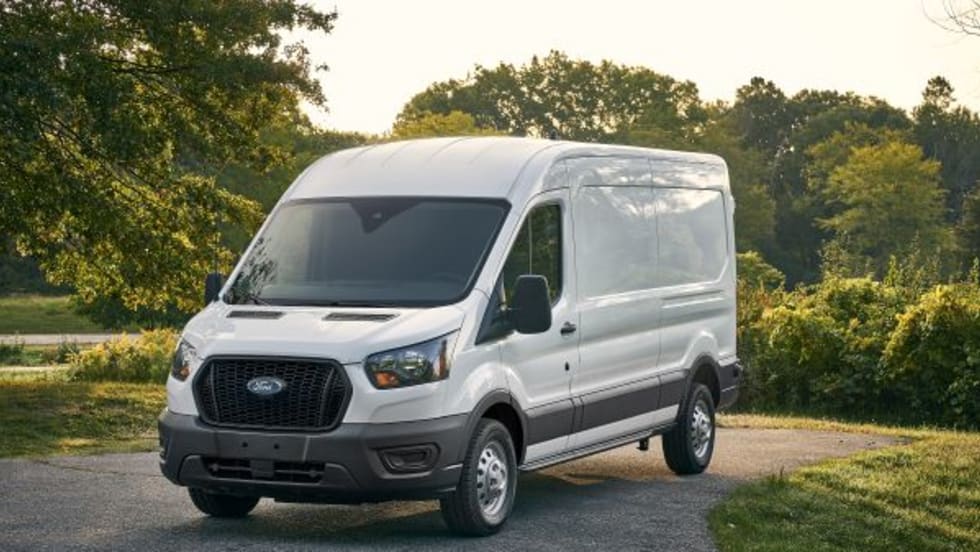
2021 Ford Transit Offers Versatility for Fleets
For the 2021-MY, Ford made ergonomic enhancements for drivers and added an available Parcel Delivery Package. This follows a major refresh in 2020, which added a Crew version, a new standard engine, standard active safety technologies, and embedded telematics to the Transit van family.
Read More →
Recognizing the Other Essential Drivers
Vocational and business fleet drivers don’t get the attention that truckers do. Yet they too are on the front lines, and their jobs often bring them into uncontrolled environments every day.
Read More →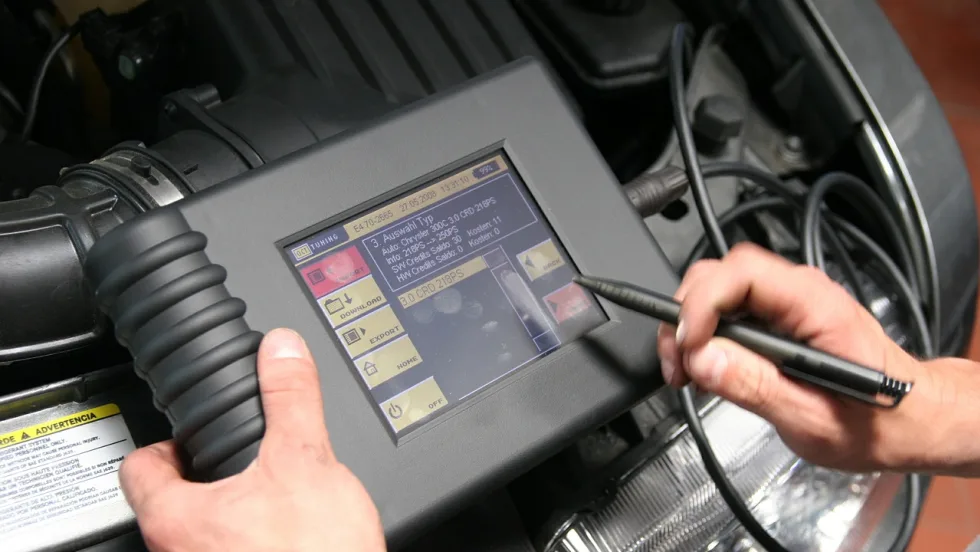
It’s Time to Formulate an ADAS Game Plan
As proliferation of Advanced Driver Assistance Systems (ADAS) increases, skilled labor, equipment, and training costs will increase as well. Fleet operators can’t mitigate these financial burdens by cutting corners on ADAS recalibration and repairs.
Read More →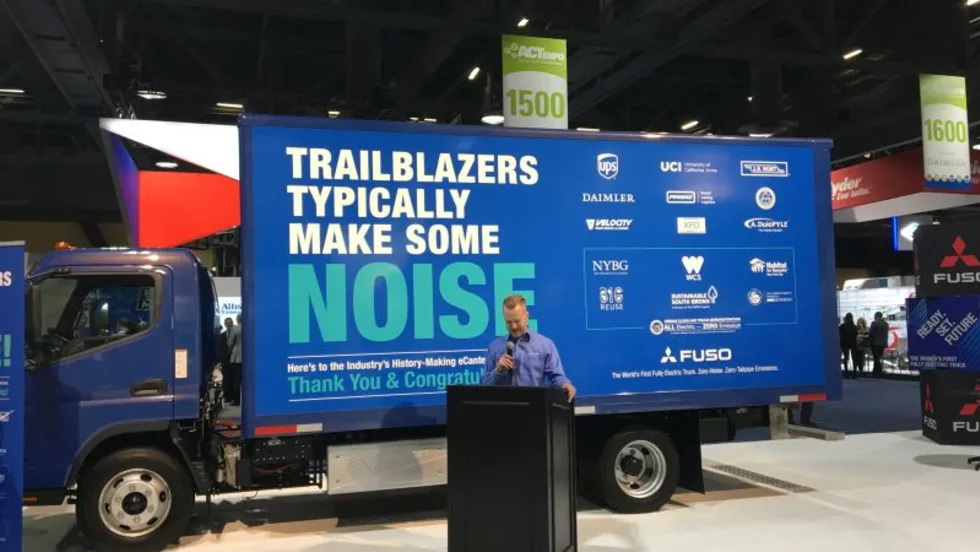
The Future is Electric, But…
With an increasing emphasis on emissions reductions mandates, will fleet operators get caught between clean technologies on their way out and an electric future that hasn’t yet arrived?
Read More →
6 Trend Lines from the 2019 Work Truck Show
From giant leaps in torque and towing to heavy duty truck personalization and chassis cab styling, these trends emerged from this year’s Work Truck Show in Indianapolis.
Read More →
They’re Coming for Your Diesel
In Southern California and other parts of the world, regulators are coalescing to ban, or severely curtail, diesel vehicles. There’s a growing disconnect with the mandates to green the environment and the availability of products and technologies to get us there.
Read More →
Hey Cannabis Companies, Welcome to Fleet
An industry is forming, and it needs help with fleet. In the meantime, the fleet industry should know that these new businesses are navigating extraordinary circumstances, which is forcing them to be better fleet operators pretty darn quick.
Read More →
Takeaways from the Fleet Forward Conference
Most attendees — from established fleets and vendors to new players that were only formed five years ago — didn’t know anyone. But that’s exactly the point.
Read More →
Is it Time to Rethink How Drivers Are Paid?
With the ELD rule affecting miles driven, and drivers’ duties increasingly including more than just driving the vehicle, what can be done to more accurately and fairly reflect a driver’s workday?
Read More →
Whatever Happened to CNG?
While the light-duty market for compressed natural gas vehicles has almost evaporated, new near zero emissions technology and drastic reductions in infrastructure costs have reinvigorated the market for medium- and heavy-duty applications — even for smaller fleets.
Read More →