


Philips Medical Systems Increases Net Realization with Upstream Remarketing
Through LeasePlan’s reDrive! upstream remarketing program, powered by Driveitaway, Philips Medical Systems’ fleet has increased net realization by $106,000 as of mid-February 2006, selling 159 vehicles.

Upstream remarketing is delivering good results for Philips, but there is plenty of room for improvement.
Photo: Work Truck
Upstream vehicle remarketing is a hot topic in commercial fleet management today—every industry conference allocates at least one panel or speaker slot to this subject. At Philips Medical Systems, we have used LeasePlan’s reDrive! upstream program, powered by Driveitaway, over the past 15 months to remarket our commercial fleet vehicles to employees.
Our fleet consists of 3,600 domestic cars and minivans on a 36-month replacement cycle. The program has increased net realization by $106,000 as of mid-February 2006, selling 159 vehicles, with greater benefits expected in the future.
Program Origins
In 2002, Philips posed the question, “Why not sell our fleet cars to employees on the Internet?” The objectives were to save money and deliver the benefit of our used fleet vehicles to a greater number of employees, without creating additional work for the fleet management department. Like many companies, we already operated a driver sales program, so we measured the success of the new sales channel by its ability to deliver incremental sales that saved Philips money.
Unfortunately, no Internet-based employee sales programs existed in 2002. Working with our fleet management company, LeasePlan USA, and its business partner, Driveitaway, Philips jointly built, piloted, and launched an upstream remarketing program for employees. With small adaptations, we transferred our driver sale program to the same platform, simplifying operational logistics. This project’s challenges fell into three main areas:
- Program design: Online vehicle sales to employees are different from driver sales. The employee sale is fundamentally a retail sale to a person who doesn’t know the car (with driver sales, the driver has been in the car for three years). Philips Medical had no experience with buyer needs and the psychology of a retail vehicle sale. We learned, for example, that a third-party inspection report with multiple photos of the vehicle is essential to give potential buyers confidence about the actual vehicle condition.
- Operational issues: Many companies allow sales to the driver’s family members or other referrals. But these sales are infrequent and require fleet manager intervention—it’s more a favor to the driver than a company policy. To scale up our program, but not overburden fleet management, we needed to integrate our systems and operational procedures more closely with LeasePlan and Driveitaway. Almost all aspects of the vehicle sale were affected: pricing policy, vehicle inspection, payment, title fulfillment, and vehicle pick-up.
- Social issues: Employee sales were new to Philips. We had to make employees aware of the program and communicate the value proposition of “well-maintained company cars at near-wholesale prices.” We also had to obtain internal corporate approvals. After some experimentation and hard work, we launched the program for employees. The program continued to evolve with the addition of new sales channels, including the ability to remarket to employees of other companies on the platform and, recently, to selected volume buyers, such as large dealer groups and wholesalers.
Sales Results
As of mid-February 2006, we had listed 988 vehicles for upstream sale, of which 159 (16.1%) had sold to Philips employees, cross-company employees, or volume buyers. As Table 1 demonstrates, most sales have been to employees. The volume buyer channel has been active for a few months, but more volume buyers are joining the system each week and this channel is expected to deliver sales ratios similar to the employee channel.
Financial Savings
The upstream program increases Philips’ net realization per vehicle sold by reducing out-of-pocket costs and increasing the effective sales price of the vehicle as compared to results from physical auction or other traditional sales channels.
Out-of-pocket costs are easy to determine: Philips pays approximately $275 per vehicle in transportation costs and auction fees. In other fleets, this may be higher or lower depending on transportation distance and the ability to negotiate volume-based price discounts. The increase in effective sales price has two components:
- Our policy prices vehicles at “wholesale” on the replacement order date. With a typical 6-8 week order-to-delivery period, plus 30 days to sell the car at auction, the vehicle is priced at “wholesale” 60-75 days prior to the date it would have sold at auction. In that time, the vehicle accrues an additional 4,000-5,000 miles. Vehicle depreciation varies according to fleet composition, of course, but we estimate that Philips avoids about $325 in depreciation per vehicle with upstream pricing. This amount does not deter employees from buying cars because with a typical $2,000 spread between wholesale and retail, our price is still much more “near wholesale” than “below retail.” We achieve this increase in effective price on both employee sales and driver sales because we employ a uniform pricing policy (previously, we would have priced cars for driver sale much closer to the turn-in date).
- The reported “wholesale” price for any vehicle is a composite of the auction price paid on thousands of similar vehicles sent through the lanes every week. But even “similar vehicles” are not identical. Analysis of auction results shows that commercial fleet leased cars sell at up to 5% less in the lane, compared to manufacturer-leased cars. This differential reflects strong manufacturer efforts to put high-quality cars in the lanes to support reported residual values and the presence of manufacturer representatives in the lanes during the auction. At Philips, we assume a 2-3% fleet reduction in price, or about $175-$200 per car.
The combination of these savings is in the range of $775-$800 per employee sale and $325 per driver sale. Against these savings, we must set the cost of cars inspected but not sold upstream. The final result, after the cost of inspections, has been a $106,000 increase in net realization.
Improving the Upstream Process
Upstream remarketing is delivering good results for Philips, but there is plenty of room for improvement. Inspection reports can be used to evaluate excess wear-and-tear and to ensure that damage incurred post-grounding is properly charged to the transport company or auction.
Pricing strategies can be optimized for different channels. Digital vehicle profiles created for upstream remarketing can be used for midstream and downstream remarketing.
Originally posted on Automotive Fleet
More Remarketing
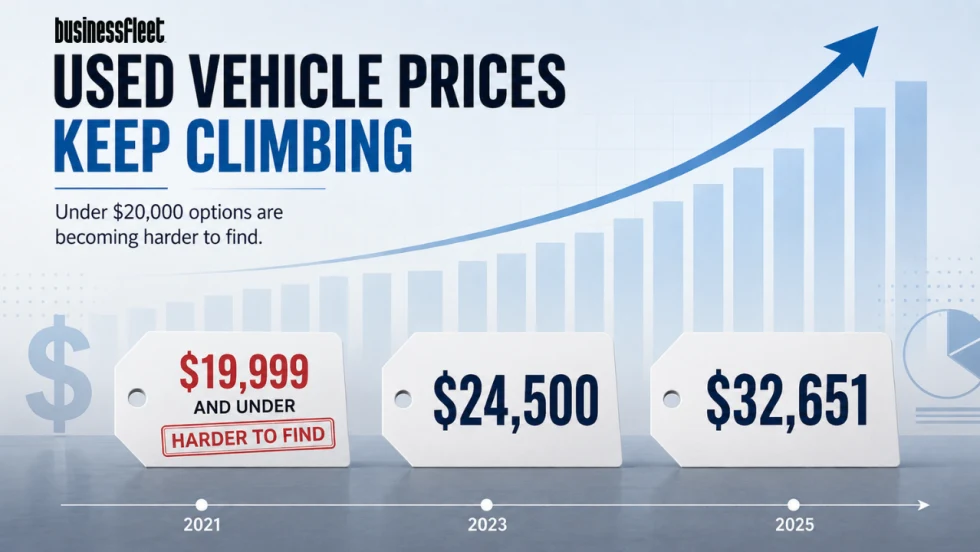
Small Fleets Shopping Used May Need to Rethink What $20,000 Buys
Small fleets shopping used are finding fewer affordable options. With late-model used vehicle prices climbing and $20,000 buying a much older vehicle than it did in 2019, replacement planning may need a rethink.
Read More →
AP Fleet Management Expands Vehicle Remarketing Program to Help Small Fleets Recover More Value
AP Fleet Management expanded its remarketing program with online vehicle listings and end-to-end resale services to help fleets maximize vehicle value.
Read More →
Prepping Your Fleet Vehicles for Resale
When it's time to dispose of retired units, which vehicle prep strategies can improve resale value? Following industry basics can have a significant impact on resale prices.
Read More →
Getting Creative with a Lack of Van Availability
Chip Cooper of Cooper Motors shares his take on where vehicle supply and availability are headed this year and offers a creative way to spec to get the job done.
Read More →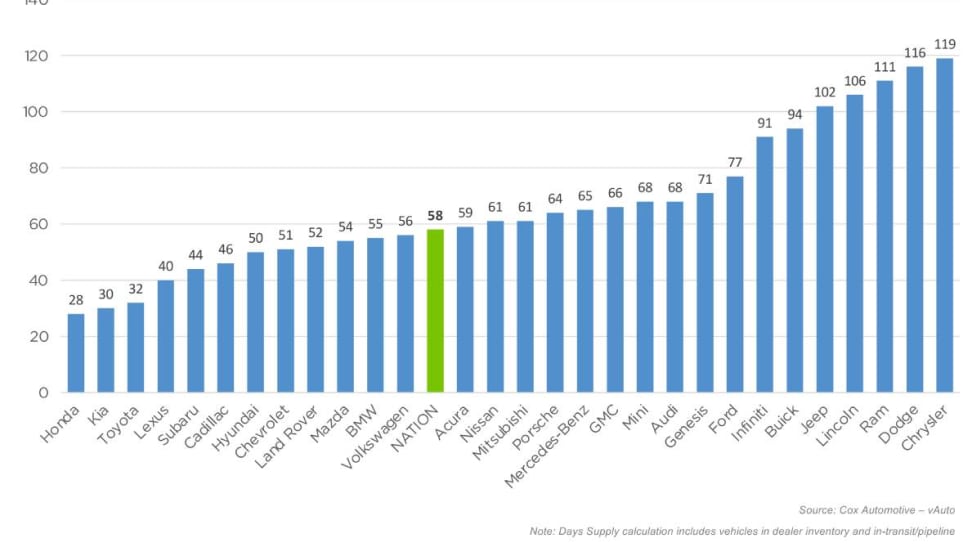
New-Vehicle Supply Grows Ahead of Potential Strike
The United Auto Workers contract with the Detroit Big 3 automakers expires Sept. 14 as new inventory remains 68% above last year's level.
Read More →
The 5 W's of Remarketing Upfits & Equipment
Fleet experts shared their insights on remarketing upfits and equipment in the work truck industry.
Read More →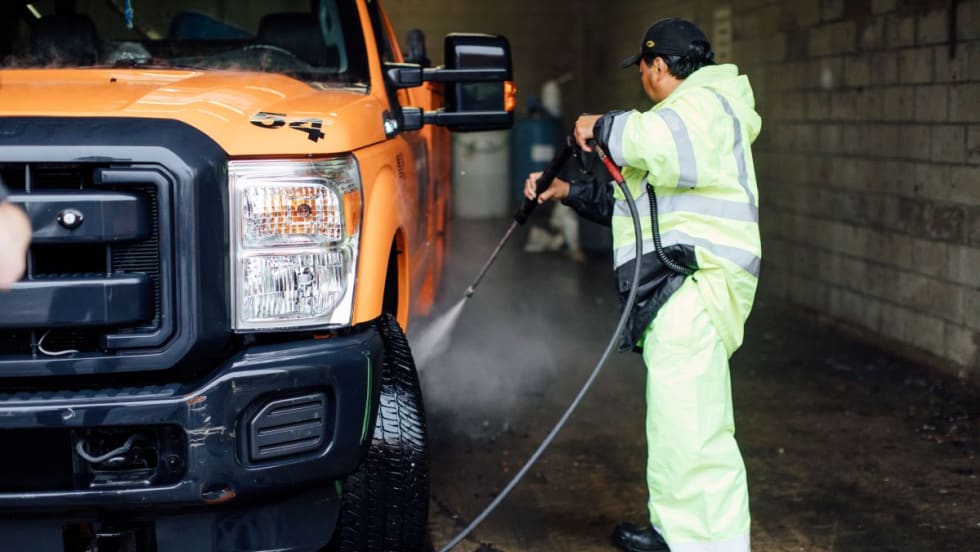
Maintaining Work Trucks with Resale in Mind
What is the top maintenance-related factor to worry about when resale is on your mind? What should you avoid spending money on? What matters the most?
Read More →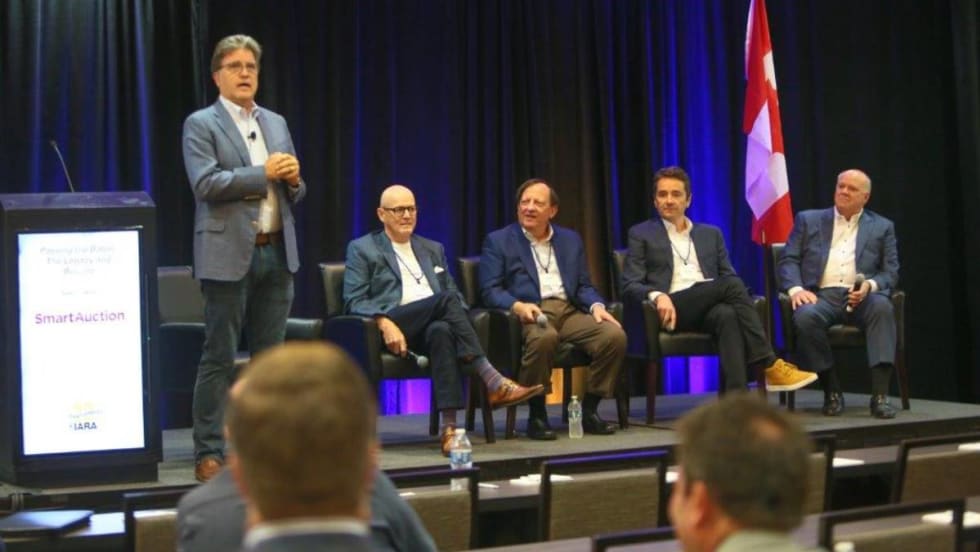
At the Beginning and Through the Decades
IARA 20th Anniversary Issue: Industry observer, media figure, and conference host Charlie Vogelheim has circulated throughout the automotive world, qualifying him to sum up the legacy of the IARA.
Read More →
Higher Commodity Prices Exert Upward Cost Pressure on Tires
Many tire OEMs have increased prices in CY-2021, ranging from 3-10% depending on type of tire and size. Higher commodity prices and increased ocean freight rates are being passed on to end users as OE profit margins compress.
Read More →
CAR Event Ready to Take Off with Vegas Reopening
The Conference of Automotive Remarketing will be among the first wave of in-person events since the start of the pandemic.
Read More →