



Related: Gas vs. Diesel: The Bad Investment Only Fleet Managers Know About
Diesel Truck Residual Values Rise With Mileage
Diesel-powered pickup trucks sell for more than 30% of their gasoline counterparts after three years of fleet usage and return greater value with higher odometer readings, according to data from ADESA.
May 19, 2016
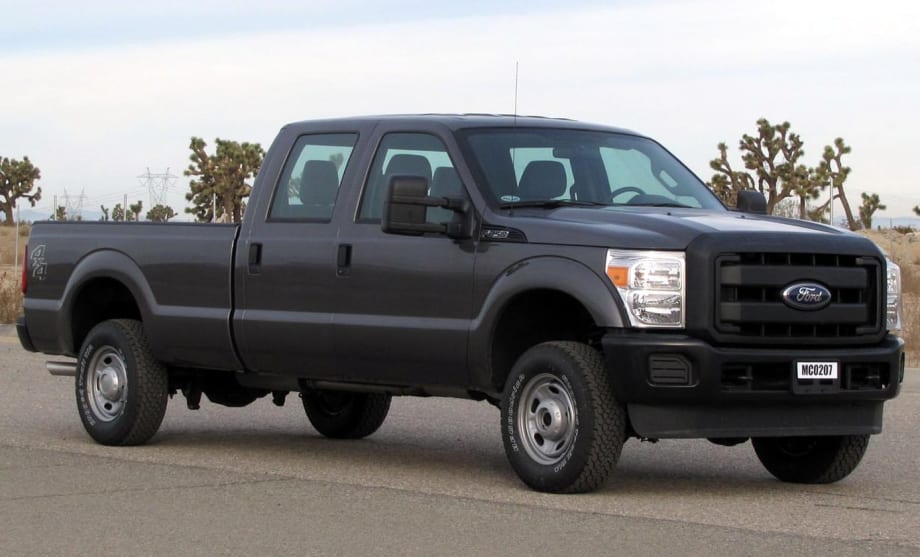
Photo of 2012 Ford F-250 SuperCrew via Wikimedia.
2 min to read
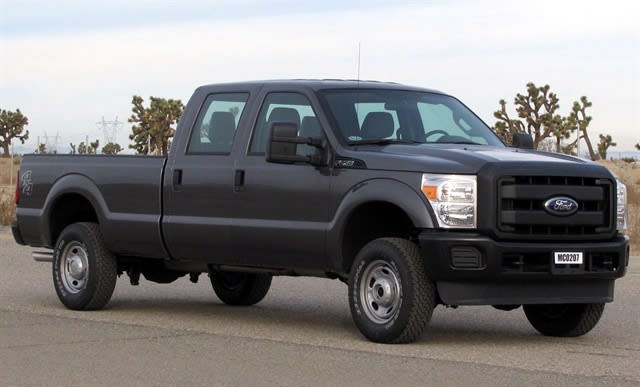
Photo of 2012 Ford F-250 SuperCrew via Wikimedia.
Diesel-powered pickup trucks sell for more than 30% of their gasoline counterparts after three years of fleet usage and return greater value with higher odometer readings, according to data from ADESA.
A diesel 2012 Ford F-250 would have cost 27% more to purchase, selling for $40,700 to the $32,000 cost of its gasoline counterpart, but in 2016 would sell for $23,600 at auction versus the $17,500 fetched by the gasoline truck, which equates to a 35% spread ($6,100) in value if miles are not a factor.
In this example, the case for diesel improves when mileage increases.
For example, a diesel-powered 2012 F-250 with between 100,000 and 150,000 miles would gain an additional $1,000 in residual value, while the gasoline version would lose $1,000, creating a $2,000 spread.
When the mileage exceeds 150,000, the diesel-powered 2012 F-250 holds steady, while the gasoline truck loses $3,000 in residual value. The diesel truck sells for $23,600 at auction while the gasoline truck sells for $14,000, meaning the diesel truck would return 69% more value than the gasoline truck.
"Because the diesel engine can perform well with greater miles, the return is far greater when the miles hit over 100,000 on the odometer," said Jane Morgan, president of ADESA's specialty sales division. "Performance and pull capacity is critical."
On a gasoline engine, ADESA uses a formula of minus 5 cents per mile over 20,000 miles per year (plus 3 cents per mile if under 15,000 miles per year). For the diesel engine, ADESA uses a formula of minus 4 cents per mile over 45,000 miles per year (plus 0.025 cents per mile if under 35,000 miles per year).
Originally posted on Automotive Fleet
More Remarketing
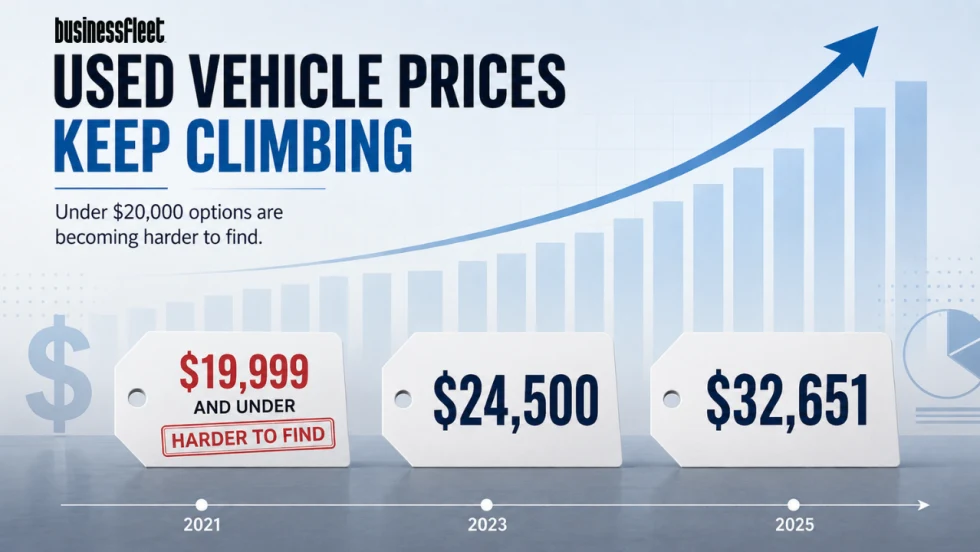
Small Fleets Shopping Used May Need to Rethink What $20,000 Buys
Small fleets shopping used are finding fewer affordable options. With late-model used vehicle prices climbing and $20,000 buying a much older vehicle than it did in 2019, replacement planning may need a rethink.
Read More →
AP Fleet Management Expands Vehicle Remarketing Program to Help Small Fleets Recover More Value
AP Fleet Management expanded its remarketing program with online vehicle listings and end-to-end resale services to help fleets maximize vehicle value.
Read More →
Prepping Your Fleet Vehicles for Resale
When it's time to dispose of retired units, which vehicle prep strategies can improve resale value? Following industry basics can have a significant impact on resale prices.
Read More →
Getting Creative with a Lack of Van Availability
Chip Cooper of Cooper Motors shares his take on where vehicle supply and availability are headed this year and offers a creative way to spec to get the job done.
Read More →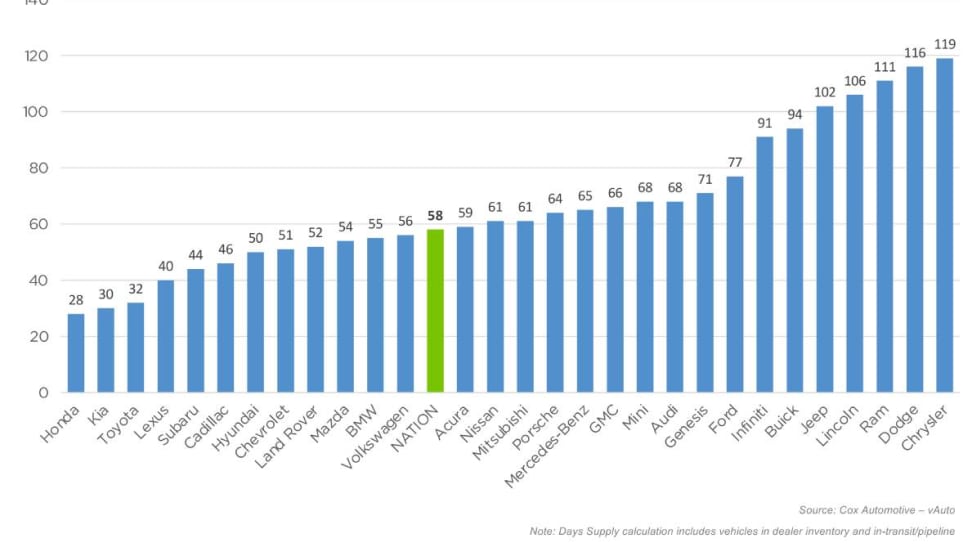
New-Vehicle Supply Grows Ahead of Potential Strike
The United Auto Workers contract with the Detroit Big 3 automakers expires Sept. 14 as new inventory remains 68% above last year's level.
Read More →
The 5 W's of Remarketing Upfits & Equipment
Fleet experts shared their insights on remarketing upfits and equipment in the work truck industry.
Read More →
Maintaining Work Trucks with Resale in Mind
What is the top maintenance-related factor to worry about when resale is on your mind? What should you avoid spending money on? What matters the most?
Read More →
At the Beginning and Through the Decades
IARA 20th Anniversary Issue: Industry observer, media figure, and conference host Charlie Vogelheim has circulated throughout the automotive world, qualifying him to sum up the legacy of the IARA.
Read More →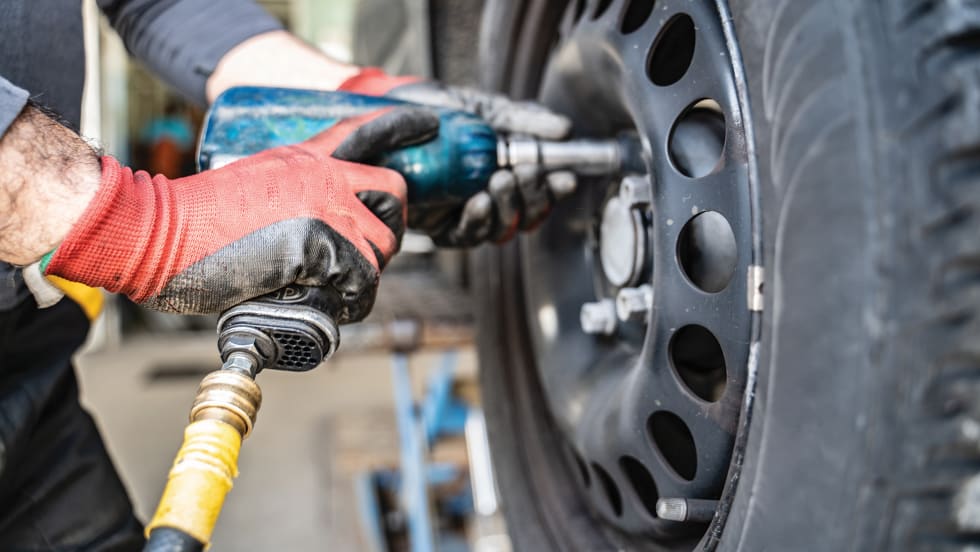
Higher Commodity Prices Exert Upward Cost Pressure on Tires
Many tire OEMs have increased prices in CY-2021, ranging from 3-10% depending on type of tire and size. Higher commodity prices and increased ocean freight rates are being passed on to end users as OE profit margins compress.
Read More →
CAR Event Ready to Take Off with Vegas Reopening
The Conference of Automotive Remarketing will be among the first wave of in-person events since the start of the pandemic.
Read More →