



Further Reading: How Fleet Technician Roles Will Change in an Electrified Environment
5 Factors Driving Higher Maintenance Costs
Many factors continue to exert upward pressure on fleet maintenance costs (with longer service lives as the primary driver).
May 11, 2022

Operating higher-mileage vehicles beyond their scheduled replacement cycles has been a key factor contributing to an uptick in unscheduled maintenance incidents, increasing overall maintenance expenses industry-wide. Labor rates are also increasing due to the shortage of qualified technicians.
Getty Images: 584229826
5 min to read
As any fleet manager will tell you, there has been an ongoing, across-the-board increase in total fleet expenses.
These expenses runs the gamut from higher acquisition costs to decreased incentive monies and from record high fuel prices to an overall increase in almost every single line item in a fleet operating cost budget. I’d like to drill down and focus on why maintenance costs (on a cents-per-mile basis) have been increasing for most fleets.
In particular, I’d like to examine five key industry trends exerting upward pressure on fleet maintenance costs, and at the end of each examination, I’ll provide a forecast of the cost trends that fleet managers should anticipate for the balance of calendar-year 2023.
Trend No. 1: Longer Vehicle Service Lives
The first trend I would like to examine is longer vehicle service lives, which has been occurring for the past two ordering cycles.
Many vehicles that were scheduled to be taken out of service weren’t because of how difficult it’s proven to source replacement vehicles. So as a consequence, these vehicles – scheduled for replacement — were kept in service for another model-year.
With a typical fleet vehicle averaging 20,000 to 24,000 miles annually, extending a vehicle’s service life by another year or two results in an inevitable uptick in the amount of unscheduled maintenance.
Operating older units with higher mileages has been a key factor in contributing to higher maintenance expenses due to an industry-wide uptick in unscheduled maintenance incidents.
Because of the ongoing difficulty in sourcing replacement units, many fleets are more likely to invest in high-dollar repairs such as repairing drivetrain components because they may not have a choice. It is necessary to spend the money to keep the vehicle in service which increases a company’s overall maintenance spend.
In addition to unscheduled maintenance, delaying a vehicle’s replacement has a huge impact on scheduled preventive maintenance expenses. This additional 20,000 or more miles of usage invariably takes it into a new PM cycle of replacing expensive wear items such as brakes and tires, which would not have occurred if they vehicle were replaced as scheduled.
Prediction: Expect difficulties to continue in sourcing 2023 model-year replacement vehicles due to the carryover of large pent-up fleet demand for ordered units that were not produced in model-years 2022 and, in some cases, 2021.
Trend No. 2: Higher Replacement Tire Prices
The increased cost of replacement tires, (which was already trending higher throughout calendar-year 2021) has remained elevated, extending into calendar-year 2022. On average, replacement tire prices rose approximately 3-7% in calendar-year 2021.
Tires are the third highest fleet expanse after depreciation and fuel. As a consequence, the higher price of replacement tires is one of the largest contributors to the increase in fleet maintenance spend that fleets experience today.
The primary reason for the higher price of replacement tires is due to the higher cost of the raw materials used in their manufacture , such as crude oil, rubber, and steel. The higher prices for these commodities has increased production costs for tire manufacturers and who – in order to o maintain margins - pass the extra cost to end users by raising the prices of replacement tires.
In addition to higher commodity prices, the logistics costs to transport tires from the factory or port to distribution centers and retail stores has increased due to record high fuel prices for transport trucks. And these costs are being passed on to end users.
In addition, many low-cost replacement tires are imported and the cost for these tires is likewise increasing due to a spike in ocean freight rates that occurred in 2021, adding further increased the shipping costs for tires imported from Asian countries.
Prediction: Expect more of the same. The elevated prices for commodities used to manufacture tires will continue through calendar-year 2022 and these costs will be passed on to end users.
Trend No. 3: Spare Parts Availability
Since calendar-year 2021, supply constraints of automotive components has continued to be an issue with lead times for back-ordered parts ranging from days to months.
The bottom line is that these parts constraints are causing repair jobs to take much longer to complete, thereby lengthening fleet vehicle downtime and, in some cases, adding an additional expense for a short-term rental vehicle.
Prediction: Prices for the raw materials used to manufacture spare parts will continue to remain elevated for the balance of calendar-year 2022.
Trend No. 4: Higher Labor Rates
Labor rates continue to increases and have been since 2021 driven by the shortage of qualified technicians and the need to offer competitive wages to attract this limited pool of candidates. In addition, this has been further aggravated by inflationary wage pressures that emerged with start of CY-2022.
There is an intense competition between dealerships, independent service providers, and fleets that operate in-house maintenance facilities for the limited number of skilled technicians. This competition exerts further upward pressure on labor rates.
As Baby Boomers continue retiring in large numbers while less young adults entering the automotive service industry, the technician shortage will continue to be a long-term challenge for the automotive industry.
Plus, as vehicles become increasingly dependent on electronics and software, their technology has begun to stretch the skillset of some technicians at independent service providers.
Prediction: The technician shortage is nothing new - its origins started decades ago and this shortage will continue for the foreseeable future.
Trend No. 5: Increased Vehicle Complexity
Vehicles are more complex than ever. And one consequence of that is that the average transaction cost has increased. As vehicles become more complex so do vehicle diagnostics and repairs when malfunctions occur.
While these systems are usually reliable, when an issue occurs it has a major impact on fleet maintenance spend due to the increased diagnostic expense to identify the source of the problem and the subsequent recalibration of advanced driver-assistance system – ADAS – system. And today, we are entering a new level of vehicle complexity with the transition to vehicle electrification.
Prediction: Vehicle complexity is going to necessitate even greater reliance on diagnostic tools in isolating the source of malfunctions. There will also be more pressure on advanced training and technical skillsets of the next generation of technicians.
Originally posted on Automotive Fleet
More Maintenance

New Kooner and Global Partners Agreement Targets the Hassle of Fleet Fueling and Repairs
A new referral partnership gives businesses access to mobile fueling and maintenance services, potentially reducing the time employees spend getting vehicles serviced.
Read More →
When One Vehicle Goes Down, a Small Business Feels It
One disabled vehicle can derail an entire workday. Learn how small fleets can reduce downtime, protect employees, and avoid costly roadside chaos.
Read More →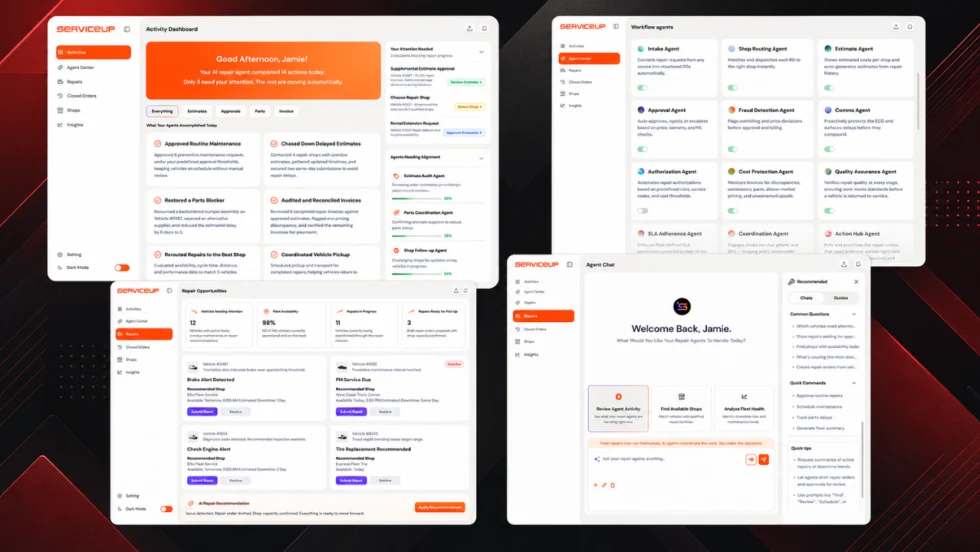
ServiceUp Brings Automated Repair Coordination to Small Fleet Operators
New AI repair agents handle shop calls, estimate reviews, status checks, and invoice validation so business owners can spend less time coordinating vehicle repairs.
Read More →
The Two Biggest Summer Downtime Threats for Fleets
A conversation with a maintenance expert reveals the two most common summer maintenance pains and how to prevent them.
Read More →
ASE to Move Automotive Service Professionals Month to Align With Car Care Campaigns
ASE will shift Automotive Service Professionals Month to April and October beginning in 2026-2027 to align with national Car Care Month efforts.
Read More →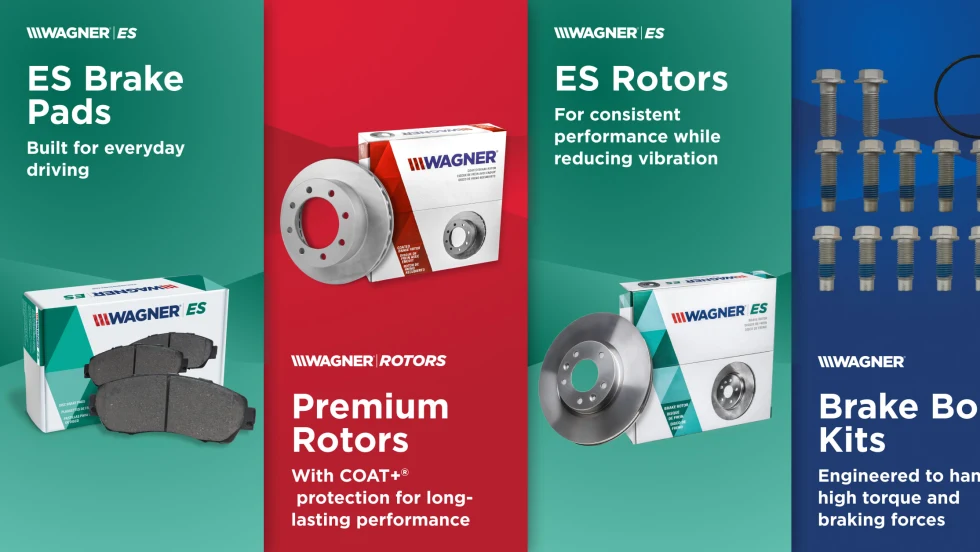
DRiV Adds New Wagner Brake Products Supporting Small Fleet Vehicle Maintenance
DRiV adds new Wagner brake pads, rotors, and hardware to support small fleet maintenance for pickups, vans, and everyday work vehicles.
Read More →
Fleet Managers Share Winter Prep Tips: It's Never Too Early!
Three fleets share best practices to prep vehicles for winter and prevent downtime when the cold sets in.
Read More →
Spring Cleaning: 5 Tips to Prep Your Fleet for Warmer Weather
Basic maintenance shouldn’t fall by the wayside as temps slowly rise again. Don’t miss performing these five measures to keep your fleet in top shape this spring.
Read More →
Prepping Your Fleet Vehicles for Resale
When it's time to dispose of retired units, which vehicle prep strategies can improve resale value? Following industry basics can have a significant impact on resale prices.
Read More →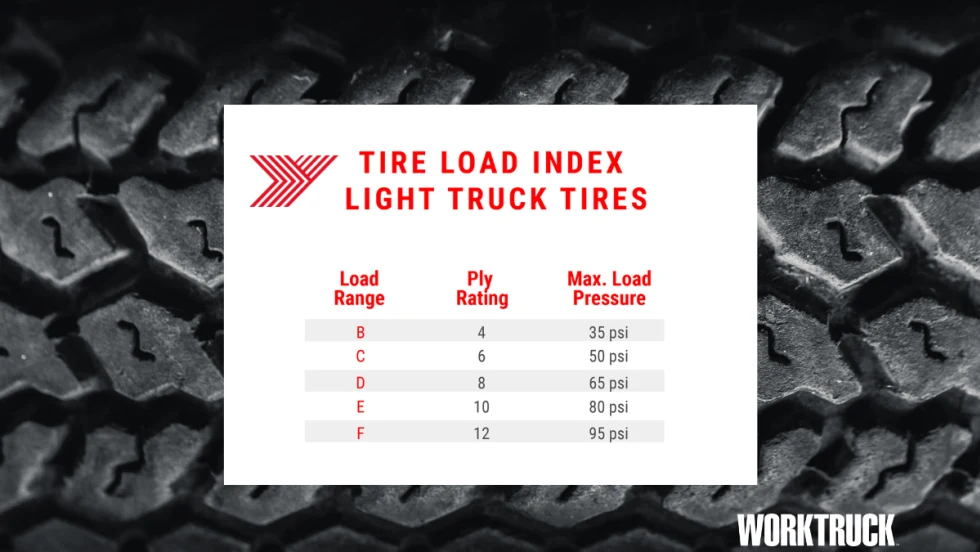
All About Truck Tires: Load Ratings, Sizes & More
Truck tires are more than “where the rubber meets the road.” Understanding truck tire sizes, tire load ratings, why ply no longer matters, and more is important for today’s fleet managers.
Read More →Subscribe to Our Newsletter