


Fleet Managers Share Winter Prep Tips: It's Never Too Early!
Three fleets share best practices to prep vehicles for winter and prevent downtime when the cold sets in.
by Gregory Van Tighem
May 24, 2025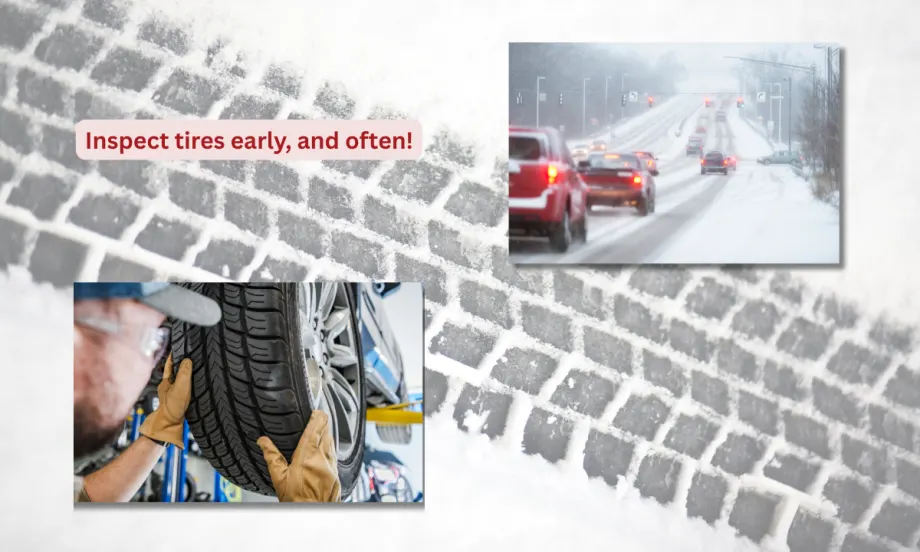
One tip: Check tire pressures in cold weather since tires can lose 1 PSI for every 10 degree drop in temperature.
Photo: Automotive Fleet
4 min to read
As each winter season seems to bring more wildly unpredictable winter weather — from frigid temperatures and polar vortexes to “bomb cyclones” — fleets increasingly need to lock down on preventive maintenance to prevent winter-related vehicle issues and downtime.
These three fleets operating in snowy climes share their tips for keeping vehicles safe, maintained, and roadworthy when the winter cold sets in and beyond.
Inspect Early and Often — Especially Fluids & Tires
Summit Landscape Management serves the Grand Rapids, Michigan, area with irrigation systems and lawncare services from spring to fall as well as year-round tree services.
To prepare Summit’s trucks, in-house mechanics start the winterization process with extensive pre-season inspections before the first snow falls.
“Before the season starts, our mechanics examine our trucks from top to bottom, paying close attention to the fluids, especially with the hydraulic systems on the snowplow attachments, and the brakes,” says Jeff Hoeksema, production manager for Summit.
Throughout the winter season, the company’s in-house mechanics conduct routine inspections. They check for common winter-related issues such as irregular tire wear, damaged mudflaps, broken tail and running lights, cracked or chipped windshields, damage to the plow or the vehicle’s undercarriage, corrosion from plow salt, and cracked or broken bolts on the snowplows, Hoeksema says.
When the bolts on the plows get damaged, drivers can easily overlook them — particularly when things get really busy, he adds.
Drivers and mechanics regularly check fluids and tire pressures since tires can lose 1 PSI for every 10-degree drop in temperature.
Carry Tools, Supplies for Emergency Repairs
Derek Broderick, owner of North Pole, Alaska-based BlackHawk Works takes a similar approach to preventing vehicle damage and downtime with regular inspections. The company performs tree, grading, snow removal, and mobile welding services.
Broderick’s drivers carry parts in their trucks that can be used for quick field repairs or as emergency supplies. These include extra fuel, hydraulic fluid, engine oil, blankets, flares, lights, first-aid kits, food, water, and tools, including a digital tire gauge.
How do some handle winter weather maintenance? One method, called “tire siping,” uses a special machine to cut small slits in the tire tread block. This gives it more grip as it makes contact with the pavement or snow and ice. (Source: BlackHawk Works) pic.twitter.com/HNwBQswgQh
— Automotive Fleet (@AutomotiveFleet) October 22, 2022
Switch out Hydraulic Fluids to Prevent Freezing
Even with the recent warmer- and drier-than-average winters, Broderick says he has his mechanics change out the hydraulic fluids in the snowplow systems, which he keeps on his trucks year-round.
Because temperatures can typically drop well below 0 degrees in North Pole, BlackHawk’s mechanics switch out the hydraulic fluid for a lighter aviation grade so drivers can raise and lower their snowplows quickly in frigid temperatures.
Cold-Weather Grille Inserts Protect Engines
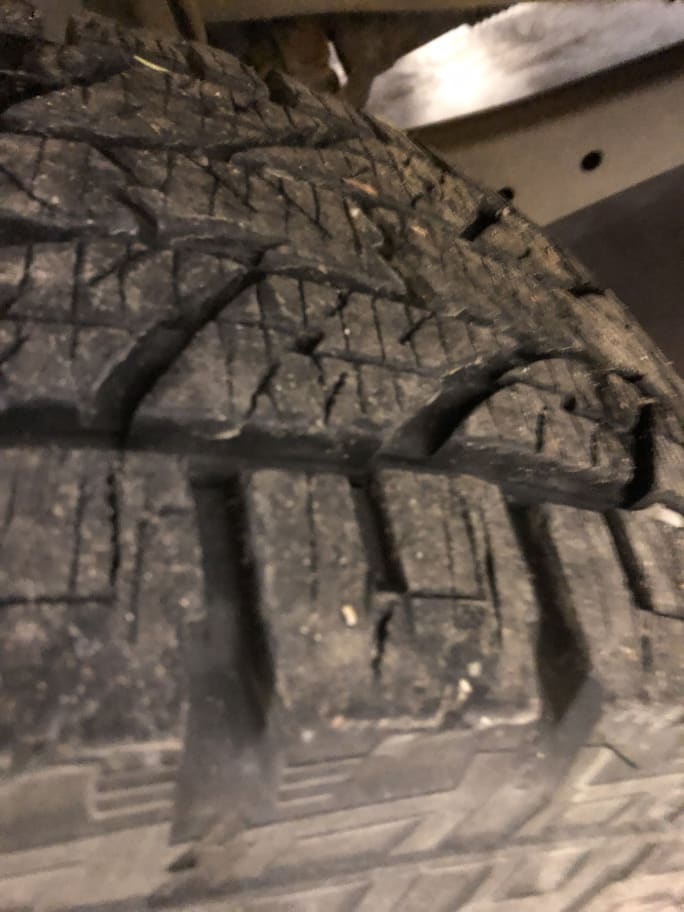
With “siping,” a special machine cuts small slits in the tire tread block. This gives it more gripping ability as it makes contact with the pavement or snow and ice.
Source: BlackHawk Works
Because of its location in the Northern Hemisphere, North Pole remains dark nearly 24/7 from early October until early March. To help drivers see more clearly, the company installs racks with Vision X light bars on the rear of the trucks.
The company also installs cold weather grille inserts that limit cold air inflow through the truck radiator, which insulates the engine and helps accelerate warm-up time.
“Siping” Gives Tires More Grip
Before winter, Broderick has the local tire dealer replace the OEM tires with all-season radials that are “siped.” Tire siping involves cutting small slits in the tire’s tread block.
Siping opens the tire’s tread, giving it more gripping ability as it makes contact with the pavement or snow and ice.
Regular Winter Washes Prevent Corrosion
Corrosion can be a big concern, particularly when road maintenance departments use magnesium chloride as road de-icers.
Greg Katheiser, vehicle and maintenance operator for Colorado’s Gunnison County Electric Association (GCEA), says when the co-op’s drivers are not out on storm duty and when the weather allows it, they regularly wash association vehicles to avoid corrosion.
Katheiser says all vehicles in the co-op’s fleet are parked in garages overnight with plug-in heaters to help avoid problems with cold engine starts and to maximize battery life and performance in the electric vehicles.
With many vehicles traveling predominantly on dirt and gravel roads and with snow remaining on the ground in the higher elevations well into the spring, GCEA runs mud and snow tires year-round on nearly all its cars and trucks.
Editor's note: The article is adapted and updated from the 2019 article, "Fleets Offer Best Practices for Preventing Winter-Related Vehicle Downtime." It was originally published online in October 2022 and reviewed for continued relevancy in May 2025.
Originally posted on Automotive Fleet
More Maintenance

New Kooner and Global Partners Agreement Targets the Hassle of Fleet Fueling and Repairs
A new referral partnership gives businesses access to mobile fueling and maintenance services, potentially reducing the time employees spend getting vehicles serviced.
Read More →
When One Vehicle Goes Down, a Small Business Feels It
One disabled vehicle can derail an entire workday. Learn how small fleets can reduce downtime, protect employees, and avoid costly roadside chaos.
Read More →
ServiceUp Brings Automated Repair Coordination to Small Fleet Operators
New AI repair agents handle shop calls, estimate reviews, status checks, and invoice validation so business owners can spend less time coordinating vehicle repairs.
Read More →
The Two Biggest Summer Downtime Threats for Fleets
A conversation with a maintenance expert reveals the two most common summer maintenance pains and how to prevent them.
Read More →
ASE to Move Automotive Service Professionals Month to Align With Car Care Campaigns
ASE will shift Automotive Service Professionals Month to April and October beginning in 2026-2027 to align with national Car Care Month efforts.
Read More →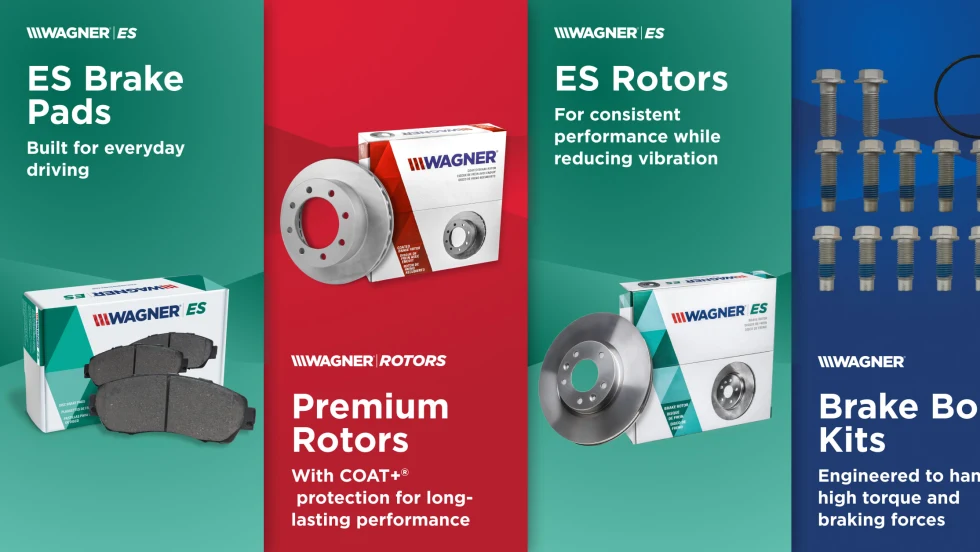
DRiV Adds New Wagner Brake Products Supporting Small Fleet Vehicle Maintenance
DRiV adds new Wagner brake pads, rotors, and hardware to support small fleet maintenance for pickups, vans, and everyday work vehicles.
Read More →
Spring Cleaning: 5 Tips to Prep Your Fleet for Warmer Weather
Basic maintenance shouldn’t fall by the wayside as temps slowly rise again. Don’t miss performing these five measures to keep your fleet in top shape this spring.
Read More →
Prepping Your Fleet Vehicles for Resale
When it's time to dispose of retired units, which vehicle prep strategies can improve resale value? Following industry basics can have a significant impact on resale prices.
Read More →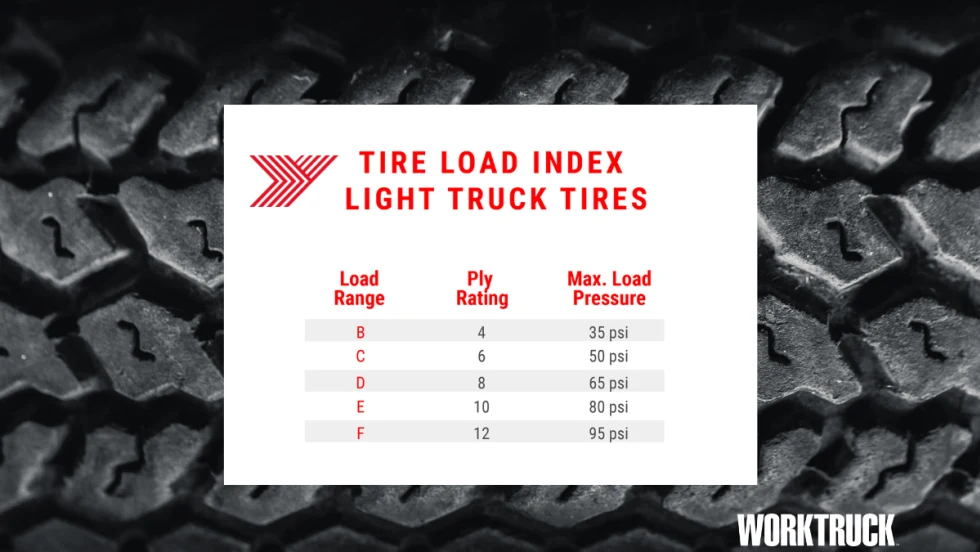
All About Truck Tires: Load Ratings, Sizes & More
Truck tires are more than “where the rubber meets the road.” Understanding truck tire sizes, tire load ratings, why ply no longer matters, and more is important for today’s fleet managers.
Read More →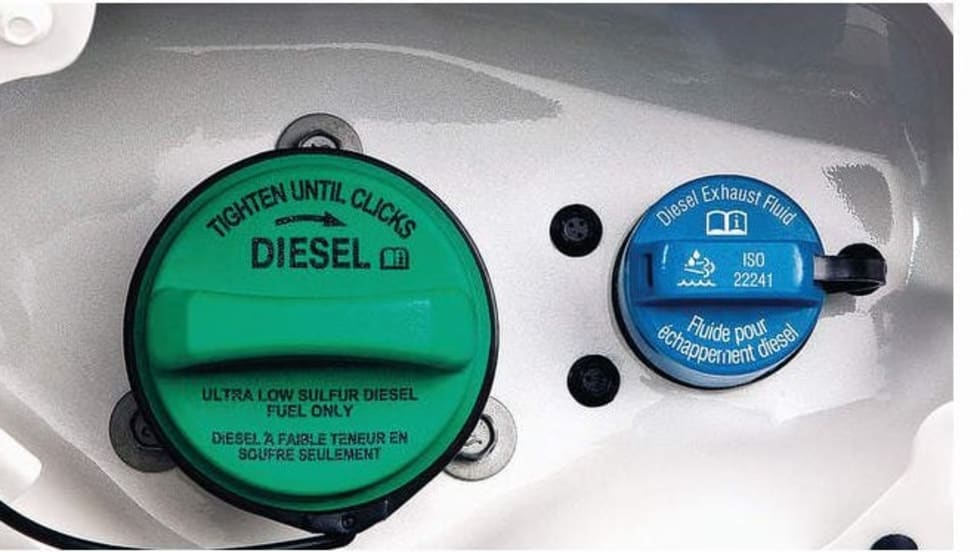
How to Purchase, Store & Handle Diesel Exhaust Fluid
Diesel engine vehicles can be damaged by using low quality diesel exhaust fluid (DEF). Repairs can be very expensive with long downtime possible, and damage could void the manufacturer’s warranty.
Read More →Subscribe to Our Newsletter