


Cell Phones and Driving: What We Knew Then and Now
Cell phones and driving: How has distracted driving evolved since 2000? Explore the facts, risks, and latest research on keeping roads safer.

The growing public debate over cell phones and their safety, or lack thereof, needs more light and less heat.
Photo: Work Truck
Editor's Note: this article was originally published in September 2001, but due to its ongoing relevancy has been updated to reflect more current statistics while retaining historical reference.
Back in May 2000, the American Automobile Association (AAA) issued a press release citing a national study that indicated cell phones were low on the list of distractions for drivers involved in accidents between 1995 and 1999.
According to AAA's press release, 12.5% of auto accidents were caused by driver distraction, and only 1.5% of drivers involved in those accidents said they were using a cell phone at the time of the crash. Opponents of legislation restricting cell phone usage in automobiles quickly seized upon the results, using them in the ongoing lively debate.
The release got extensive attention in the national media for its surprising results. However, there were critical elements missing from the conversation, which have become even more evident in the years since.
'Gross Misrepresentation'
Critics of the 2000 study were quick to point out that the data might not be dependable, because, for obvious reasons, many drivers would not admit they were talking on a phone at the time of a crash.
Tom and Ray Magliozzi, cohosts of the popular radio show Car Talk, commented that the AAA press release "is based on flawed research and is a gross misrepresentation of reality."
"Be honest," said Ray Magliozzi. "How many people are going to say, 'Yes, officer, I was ordering Chinese food on my cell phone when I crashed into that family in the Taurus'? It's just not going to happen."
Even the organization that conducted the study for AAA, along with the National Highway Traffic Safety Administration (NHTSA), acknowledged that distracted driving was underreported in the data. The study's authors, the University of North Carolina's Highway Safety Research Center, noted that the database they used "underestimates the role of driver inattention and distraction in crashes."
As we move into the 2020s, this underreporting of distracted driving remains a serious concern. According to the NHTSA, 3,522 people died in crashes involving distracted driving in 2021, and the number is believed to be higher due to underreporting.
The Evolution of Distracted Driving
Since 2000, the nature of distracted driving has evolved dramatically with the rise of smartphones. Back then, cell phones were primarily used for making calls. Today, smartphones offer far more distractions—texting, social media, video conferencing, and even apps like TikTok or Instagram that pull driver attention away from the road.
Many states have responded to this shift with legislation, making texting while driving illegal. As of 2023, 48 states ban texting while driving, and 25 states have laws prohibiting all handheld use of cell phones while driving.
Even with these laws, the integration of technology into everyday life means that distracted driving remains an issue. According to a 2022 survey from the National Safety Council, 80% of drivers admitted to using their phone while driving despite knowing the risks.
Hands-Free Technology: A Solution or a Distraction?
While hands-free devices were uncommon in 2000, many cars today are equipped with Bluetooth integration, voice-activated systems, and in-car infotainment systems. These advancements were designed to reduce physical interaction with devices. However, studies have shown that they don’t completely eliminate the danger.
The AAA Foundation for Traffic Safety conducted a study revealing that even hands-free devices can be distracting, with drivers taking up to 27 seconds to refocus on the road after using voice-activated systems. This is particularly concerning given the false sense of security that hands-free technology may provide.
Public Perception Shifts and Growing Awareness
In the early 2000s, the debate around cell phone use while driving focused on whether or not it was dangerous. However, public perception has shifted significantly over the past two decades. In a 2022 Pew Research Center survey, 82% of adults felt that distracted driving was more dangerous than it was five years ago, and the issue is now commonly acknowledged as a major public safety concern.
Consumers are not only worried about talking or texting while driving but also the myriad of other distractions phones now offer. The rise of apps like navigation tools and music streaming services adds to the ways drivers can be distracted. According to a 2019 Zendrive report, phone addiction while driving—measured by the amount of time drivers actively engage with their devices—has increased significantly, with drivers using their phones during 57% of trips.
Legislation and Legal Action
Since New York became the first state to ban handheld cell phone use in 2001, the legal landscape has changed dramatically. Today, many states have enacted tougher restrictions, while penalties have increased for those caught using handheld devices while driving.
Some of the most stringent laws can be found in California, where violators face significant fines and points on their driving records for repeat offenses. In addition to local legislation, major corporations have taken up the cause—campaigns such as AT&T’s “It Can Wait” and Verizon’s “Distracted Driving Awareness” have helped raise public awareness of the dangers associated with phone use while driving.
Recent Research and Statistics
More recent research reinforces the risks associated with distracted driving. A 2018 study by the Insurance Institute for Highway Safety (IIHS) found that using a cell phone while driving increases the risk of crashing by 2 to 3 times. Furthermore, data shows that teen drivers are particularly susceptible to distraction, with 9% of fatal crashes involving teens attributed to distracted driving in 2021, according to the CDC.
Distracted driving remains one of the leading causes of accidents today, and the involvement of smartphones has only escalated the problem. The number of crashes involving distracted drivers is rising, and experts predict that until significant behavior changes are made or technology is developed to block usage behind the wheel, the problem will persist.
AAA’s Continued Advocacy for Driver Safety
While the initial critique of AAA’s involvement in the sale of cell phones raised concerns about conflicts of interest, it’s important to recognize the organization’s recent efforts to combat distracted driving. AAA’s Foundation for Traffic Safety has become a key player in researching and promoting driver safety. They continue to work with automakers, lawmakers, and researchers to push for stronger distracted driving laws and safer technologies.
Though the 2000 study caused some controversy, AAA has since shifted its focus towards advocating for more comprehensive distracted driving legislation and encouraging drivers to minimize distractions of all kinds.
Originally posted on Work Truck Online
More Operations

Growing Fleets, Bigger Challenges | Business Fleet Brief
From growing pains and weather risks to workers' comp, new vehicles, and telematics gaps, this month's Business Fleet Brief covers what small fleets need to know.
Read More →
Your Business Grew, Did Your Fleet Management Program Grow With It?
Small fleets often grow faster than the processes supporting them. Here’s how to recognize when informal fleet management has stopped working and what to formalize first.
Read More →
Small Fleet Lessons That Can Make a Big Difference | Business Fleet Brief
From used-vehicle costs and lost keys to safety tech and replacement planning, this Business Fleet Brief breaks down practical lessons that can make a big difference for small fleets.
Read More →
Automotive Fleet Opens 2026 Personal Use Survey for Commercial Fleet Managers
Less than two weeks left! Commercial and corporate fleet managers are invited to share how their organizations handle company vehicle personal-use policies, charges, and driver eligibility.
Read More →
You Do Not Have to Be a Big Business to Build the Next Generation
Small businesses may not have the biggest budgets or the biggest fleets, but they do have something powerful. They are close to the communities they serve, and that makes them uniquely equipped to help shape the next generation of automotive and fleet talent.
Read More →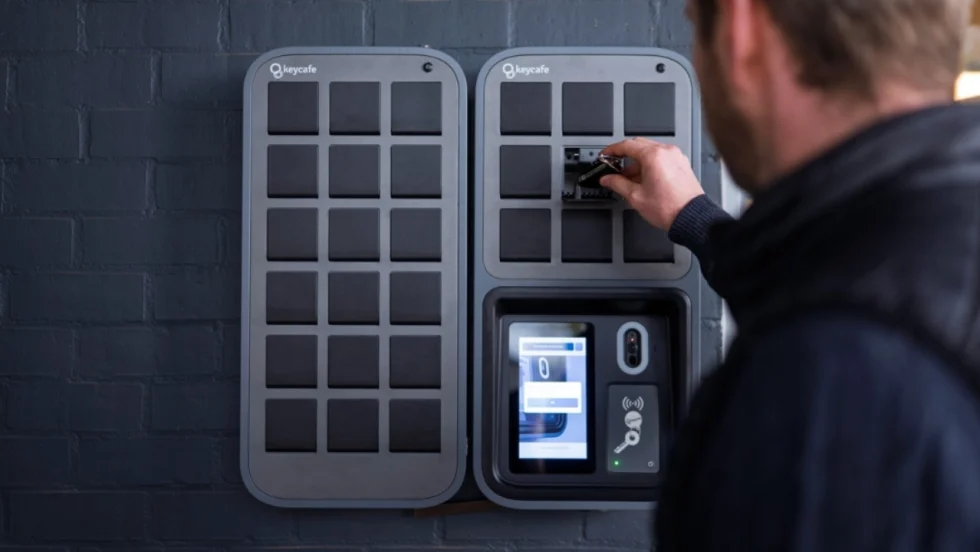
How Small Fleets Can Stop Losing Time to Lost Keys
Lost keys can mean delayed jobs, idle vehicles and unexpected replacement costs. See how small fleets are using digital key management to keep vehicles moving and improve accountability.
Read More →
How to Build Custom Fleet Tools With AI and Vibe Coding [Webinar]
A new Automotive Fleet webinar explores how fleet managers are using AI and vibe coding to automate routine work and create simple operational tools without traditional programming skills.
Read More →
You May Be a Fleet Manager (Even If No One Told You)
Managing vehicles may not be your full-time job, but the costs, risks, and responsibilities are still very real. Business Fleet In Motion is here to help small and growing businesses make smarter fleet decisions without needing a full fleet department.
Read More →
Fleet Management Without a Fleet Department?
No fleet department? The work still has to get done. Learn how to prioritize your most critical vehicles, catch problems before they become downtime, and build a simple routine that keeps your small fleet moving.
Read More →
Why the IRS Raised Its Mileage Rate in the Middle of 2026
Fuel-price volatility drove the rare increase to 76 cents per mile, the fifth midyear adjustment since 2000.
Read More →