


Tips for Post-Flood Fleet Inspections
The best ways to inspect trucks in the aftermath of Hurricane Ian.

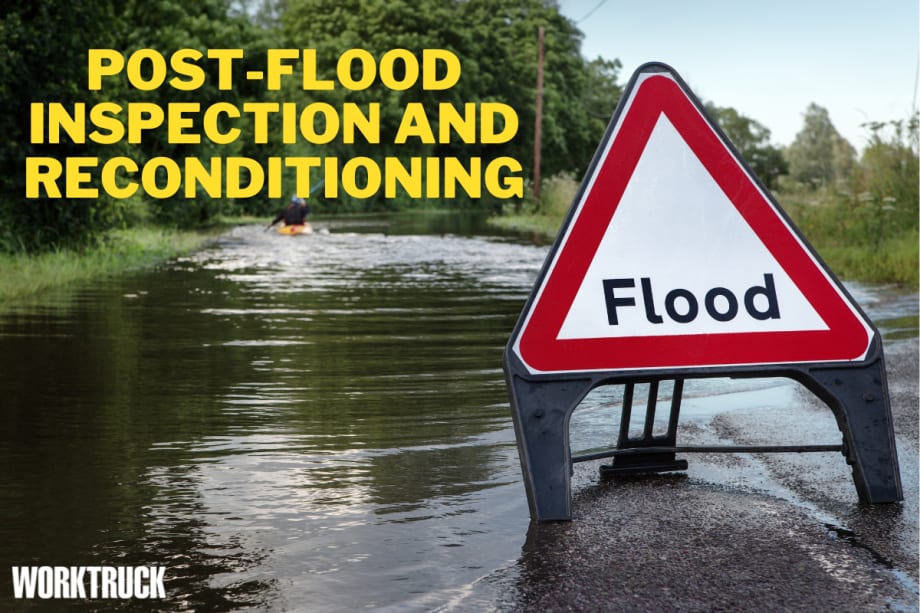
Checks and testing are crucial to getting vehicles back on the road.
Photo: Work Truck
As Hurricane Ian hit the east coast at the end of September, it brought devastation in its path. And cities in Florida needed thousands of truck drivers to help aid in relief and rebuilding efforts.
When it comes to vehicle maintenance, it’s important to check your vehicle after being exposed to flood waters. Some of the items to inspect and recondition are air brakes, wheel-ends, and other safety components. Bendix provides its top tech tips for post-flood inspection and reconditioning.
Check the air brake system:
Inspect each component in the pneumatic brake and accessory systems.
Drain any pressure remaining in the service reservoirs.
Mark and remove all pneumatic and electrical connectors at each valve.
Check for evidence of water or contamination inside the connectors, air hoses, or the component itself.
Carefully use dry compressed air pressure (from a stationary compressor or similar) to blow air through the pneumatic tubes and hoses. Watch for evidence of water or contamination.
If water or contamination is found inside the component, replace the component.
Repeat this process as you continue to inspect all the valves in the air brake system. Replace any nonfunctioning valves or those showing evidence of ingestion of water or contaminants.
Inspect tractor and trailer glad hands and the supply and control hoses. Water and contaminants frequently enter the air brake system through unprotected glad hands.
Check the charging system:
Inspect the air intake, compressor, and air dryer for signs of water or contaminant ingestion.
Carefully use dry compressed air pressure (from a stationary compressor or similar) to blow air through the pneumatic tubing and watch for evidence of water or contamination.
Use dry compressed air from a stationary air compressor (or suitable portable unit) to get any residual water out of the service tanks.
Air dryers remove moisture in compressed air, but they will not remove moisture that’s present in the system beyond the service tanks.
Examine all wheel-ends:
Water pooling in drums
Corrosion between brake lining material.
The integrity of the friction couple between the friction and disc or drum
Remove any fittings and mounting stud nuts for any water exposure.
Hurricane season is from 1 through November 30. Hurricane Ian was one of the biggest but might not be the last of the season. To keep your fleet prepared throughout hurricane season, Work Truck has you covered. You can read more about hurricane fleet prep here: Hurricane Safety: Protecting Your Fleet and Dealing with the Aftermath of the 2021 Season.
Originally posted on Work Truck Online
More Maintenance

New Kooner and Global Partners Agreement Targets the Hassle of Fleet Fueling and Repairs
A new referral partnership gives businesses access to mobile fueling and maintenance services, potentially reducing the time employees spend getting vehicles serviced.
Read More →
When One Vehicle Goes Down, a Small Business Feels It
One disabled vehicle can derail an entire workday. Learn how small fleets can reduce downtime, protect employees, and avoid costly roadside chaos.
Read More →
ServiceUp Brings Automated Repair Coordination to Small Fleet Operators
New AI repair agents handle shop calls, estimate reviews, status checks, and invoice validation so business owners can spend less time coordinating vehicle repairs.
Read More →
The Two Biggest Summer Downtime Threats for Fleets
A conversation with a maintenance expert reveals the two most common summer maintenance pains and how to prevent them.
Read More →
ASE to Move Automotive Service Professionals Month to Align With Car Care Campaigns
ASE will shift Automotive Service Professionals Month to April and October beginning in 2026-2027 to align with national Car Care Month efforts.
Read More →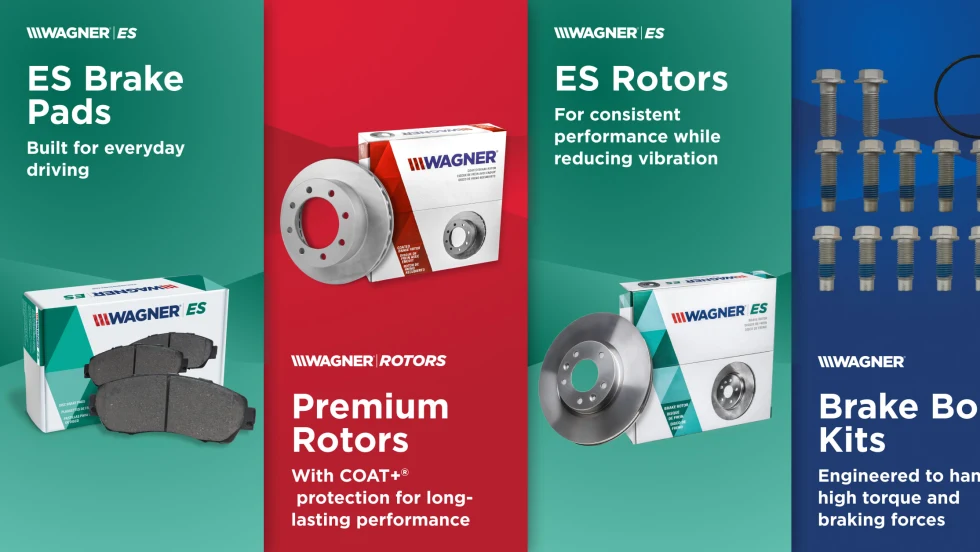
DRiV Adds New Wagner Brake Products Supporting Small Fleet Vehicle Maintenance
DRiV adds new Wagner brake pads, rotors, and hardware to support small fleet maintenance for pickups, vans, and everyday work vehicles.
Read More →
Fleet Managers Share Winter Prep Tips: It's Never Too Early!
Three fleets share best practices to prep vehicles for winter and prevent downtime when the cold sets in.
Read More →
Spring Cleaning: 5 Tips to Prep Your Fleet for Warmer Weather
Basic maintenance shouldn’t fall by the wayside as temps slowly rise again. Don’t miss performing these five measures to keep your fleet in top shape this spring.
Read More →
Prepping Your Fleet Vehicles for Resale
When it's time to dispose of retired units, which vehicle prep strategies can improve resale value? Following industry basics can have a significant impact on resale prices.
Read More →
All About Truck Tires: Load Ratings, Sizes & More
Truck tires are more than “where the rubber meets the road.” Understanding truck tire sizes, tire load ratings, why ply no longer matters, and more is important for today’s fleet managers.
Read More →