


Why the IRS Raised Its Mileage Rate in the Middle of 2026
Fuel-price volatility drove the rare increase to 76 cents per mile, the fifth midyear adjustment since 2000.


The unusual adjustment also provides an opportunity to review whether a national cents-per-mile rate remains appropriate for different driver populations.
Automotive Fleet
The Internal Revenue Service has increased the 2026 standard business mileage rate from 72.5 cents to 76 cents per mile, effective July 1.
Fuel-price volatility drove the 3.5-cent increase, according to Motus, which supplies vehicle-cost data used to support the IRS calculation. The 4.8% adjustment is only the fifth mid-year change since 2000. Previous adjustments occurred in 2005, 2008, 2011, and 2022, during periods of substantial fuel price disruption.
“Employees who drive for work feel the effects of changing fuel prices every time they fill up their tank,” said Phong Nguyen, CEO of Motus. “A midyear rate adjustment recognizes the changing costs that organizations and employees are facing.”
The IRS rate incorporates both fixed and variable vehicle costs. However, fuel is especially likely to force an off-cycle adjustment because its price can change quickly enough to render a rate established at the beginning of the year outdated.
Other expenses, including insurance, maintenance, financing, and depreciation, typically move more gradually—and not necessarily in the same direction.
“Operating costs haven’t necessarily become more volatile, but they have become more complex,” said Alan Wisniewski, director of fleet and partnerships at Cardata. “Different cost categories are moving independently of one another.”
What the New Rate Means for Fleets
The new rate does not require employers to reimburse drivers at 76 cents per mile. However, organizations that use the IRS rate as a reimbursement benchmark will need to decide whether to adopt it for mileage accumulated beginning July 1.
The unusual adjustment also provides an occasion to review whether a national cents-per-mile rate remains appropriate for different driver populations. Alternatives include fixed and variable rate programs, accountable allowances, and company-provided vehicles.
“The IRS standard mileage rate is a useful benchmark, but it’s a national average that doesn’t reflect every driver’s circumstance,” Wisniewski said.
Nguyen similarly cautioned against treating the increase solely as an arithmetic change. “The question isn’t simply, ‘Should we reimburse more?’ It’s, ‘Are we reimbursing the right way?’” he said.
For fleets, the immediate change is an additional 3.5 cents per business mile. The broader significance is that fuel costs moved far enough and fast enough to make the original 2026 benchmark obsolete after six months.
Originally posted on Automotive Fleet
More Operations
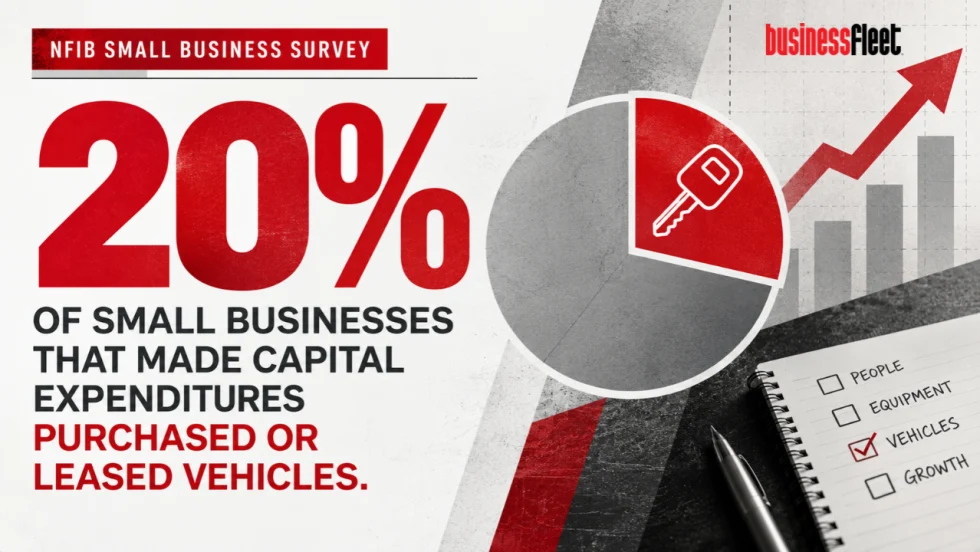
Small Business Vehicle Purchases Slip as Owners Pull Back on Expansion
New NFIB survey data shows fewer small businesses purchasing or leasing vehicles as inflation, hiring challenges, and borrowing costs weigh on expansion plans.
Read More →
Growing Fleets, Bigger Challenges | Business Fleet Brief
From growing pains and weather risks to workers' comp, new vehicles, and telematics gaps, this month's Business Fleet Brief covers what small fleets need to know.
Read More →
Your Business Grew, Did Your Fleet Management Program Grow With It?
Small fleets often grow faster than the processes supporting them. Here’s how to recognize when informal fleet management has stopped working and what to formalize first.
Read More →
Small Fleet Lessons That Can Make a Big Difference | Business Fleet Brief
From used-vehicle costs and lost keys to safety tech and replacement planning, this Business Fleet Brief breaks down practical lessons that can make a big difference for small fleets.
Read More →
Automotive Fleet Opens 2026 Personal Use Survey for Commercial Fleet Managers
Less than two weeks left! Commercial and corporate fleet managers are invited to share how their organizations handle company vehicle personal-use policies, charges, and driver eligibility.
Read More →
You Do Not Have to Be a Big Business to Build the Next Generation
Small businesses may not have the biggest budgets or the biggest fleets, but they do have something powerful. They are close to the communities they serve, and that makes them uniquely equipped to help shape the next generation of automotive and fleet talent.
Read More →
How Small Fleets Can Stop Losing Time to Lost Keys
Lost keys can mean delayed jobs, idle vehicles and unexpected replacement costs. See how small fleets are using digital key management to keep vehicles moving and improve accountability.
Read More →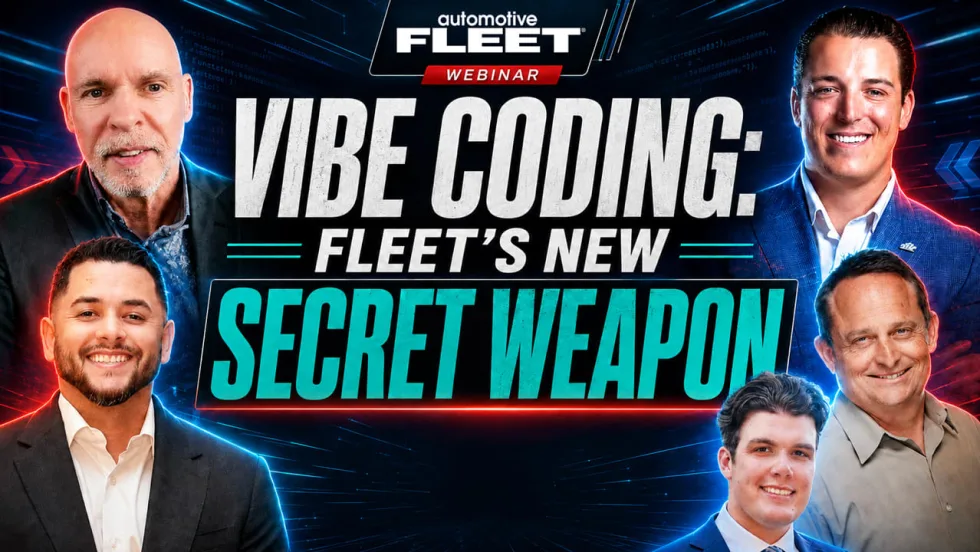
How to Build Custom Fleet Tools With AI and Vibe Coding [Webinar]
A new Automotive Fleet webinar explores how fleet managers are using AI and vibe coding to automate routine work and create simple operational tools without traditional programming skills.
Read More →
You May Be a Fleet Manager (Even If No One Told You)
Managing vehicles may not be your full-time job, but the costs, risks, and responsibilities are still very real. Business Fleet In Motion is here to help small and growing businesses make smarter fleet decisions without needing a full fleet department.
Read More →
Fleet Management Without a Fleet Department?
No fleet department? The work still has to get done. Learn how to prioritize your most critical vehicles, catch problems before they become downtime, and build a simple routine that keeps your small fleet moving.
Read More →