


Fuel Management Can Fatten Your Wallet
According to research conducted by Business Fleet, an overwhelming majority - 91% - of companies with 10 to 50 vehicles has no fuel management program in place.
Most industry experts agree that you can save at least 15 percent in overall operating costs by using fuel management.
Photo: Work Truck
According to research conducted by Bobit, an overwhelming majority—91 percent—of companies with 10 to 50 vehicles have no fuel management program. Bobit research indicates that of 10- to 50-vehicle company fleets without management programs, 44 percent handle fuel expenses through cash reimbursements to their drivers.
Another 2 percent supply petty cash to drivers, requiring receipts. If you're still using cash reimbursement to handle fuel expenses, you should know there's a better way.
Reimbursing your drivers is the least effective and least controllable method of handling fuel purchases — and it's also the most costly. Most industry experts agree that you can save at least 15 percent in overall operating costs by using fuel management. These savings bear no relationship to how many vehicles you are running.
Whether you have five company vehicles or 50, fuel management can save you money.
Here's How It Works:
Managed fuel gives you a clearer picture of each driver's habits. This allows you to quickly spot problems or anomalies— "exceptions" as they are referred to in the fuel management arena. For example, if a particular driver tends to pump premium when he or she is only authorized to use regular-grade fuel, you'll know about it.
You can see miles traveled per month and miles per gallon per vehicle. Any discrepancies can be flagged so you can contact the driver to see if he or she is mismanaging fuel purchases. And best of all, for many managers of company vehicles, there is less paperwork to perform, along with more control over fuel grade and price.
Where To Go:
There are many possible suppliers of fuel management services. Present your needs to several suppliers to determine who can most effectively meet those needs at the best price. Almost all major fuel companies and credit card companies have programs through which a company can manage fuel purchases.
There are also companies that specialize only in fuel management. Since most fuel management program providers will adjust their program for your company's needs, there's no reason not to ask for special considerations. If one company won't accommodate you, another one will.
We're All Only Human...
One important cost factor in your operating expenses is human error. Every time someone inputs data at a keyboard, an opportunity for error is created. When was the last time you typed an e-mail or an office memo, for example, without making a single typo? The automated systems with fuel management providers virtually eliminate the need to re-enter fuel data.
From the pump to the final statement, there is no keyboarding involved. This means savings in terms of accuracy as well as time.
And in unmonitored, unmanaged systems, let's face it; drivers occasionally slip in a snack or other unauthorized purchase along with their fuel—the infamous "Twinkie Factor." They assume the notation on the fuel receipt—if it's even there—will probably go unnoticed as it goes through the accounting system. With a fuel management system in place, these little extras won't happen.
Getting Started:
A good first step towards finding the managed fuel system that is right for you is to take an in-depth look at your current operation. Most fuel management providers will be glad to sit down with you and review where you might save money, estimate your potential savings, and lay out a custom-designed program.
Originally posted on Work Truck Online
More Operations

Small Fleet Decisions, Big Business Impact | Business Fleet Brief
Are your vehicles helping or hurting your bottom line? This month's Business Fleet Brief covers fleet costs, insurance, a mobile business, winter safety, and more.
Read More →
5 Signs Your Small Fleet Has Outgrown the Way You Manage It
More vehicles, same old process? Learn five signs your fleet management needs an update and practical ways to keep up as your business grows.
Read More →
Is Your Fleet Making Your Business Money or Quietly Costing It?
Your vehicles keep your business moving, but are they helping your bottom line? From underused vehicles and unexpected downtime to the real cost of completing a job, here's how to find out whether your fleet is working as hard as your business needs it to.
Read More →
Les Schwab Tires Launches Foundation With $100,000 for Community Recovery
Les Schwab Tires launches a foundation with $100,000 to support recovery for Silver Rail Elementary and the Bend community following a school shooting.
Read More →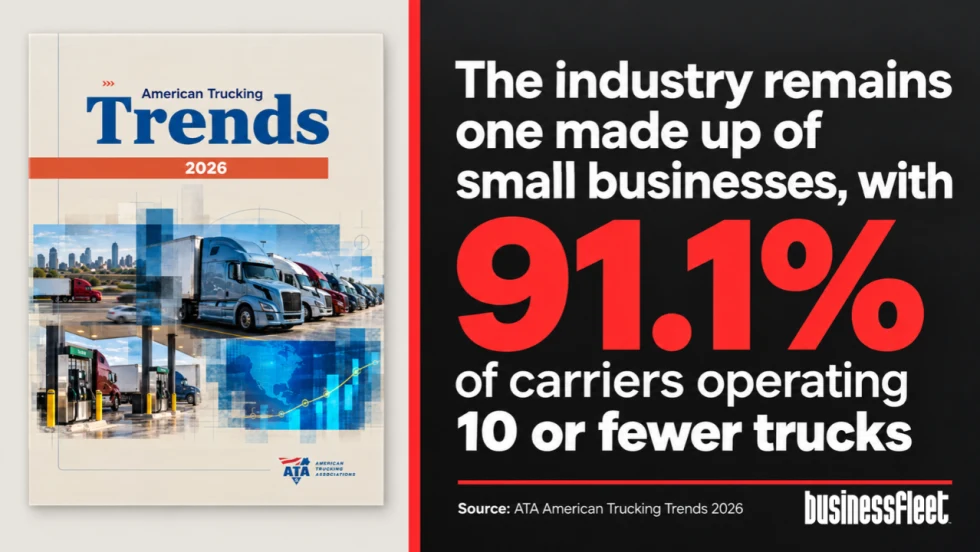
Small Carriers Make Up 91% of Trucking Industry as Freight Revenue Rises
The latest American Trucking Associations report shows modest gains in freight tonnage and revenue, with businesses operating 10 or fewer trucks accounting for most carriers.
Read More →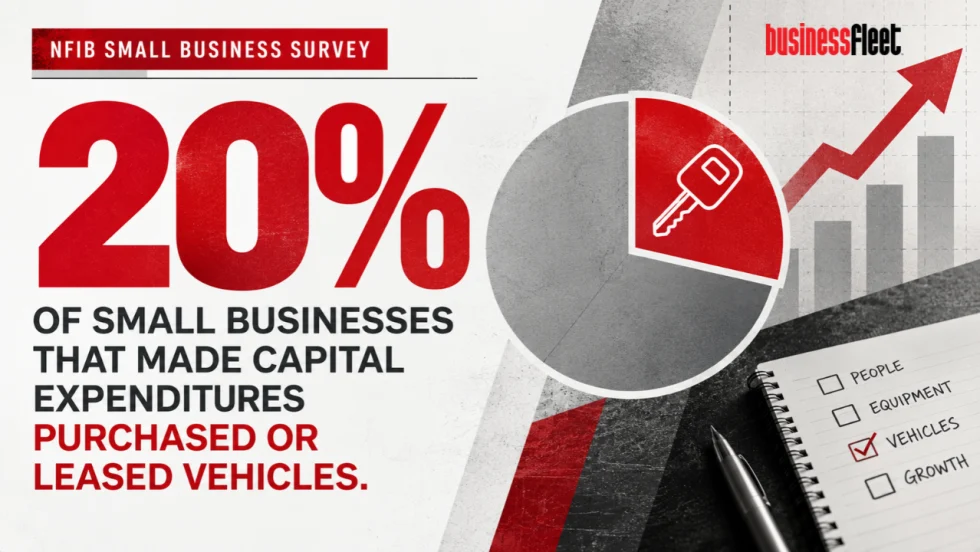
Small Business Vehicle Purchases Slip as Owners Pull Back on Expansion
New NFIB survey data shows fewer small businesses purchasing or leasing vehicles as inflation, hiring challenges, and borrowing costs weigh on expansion plans.
Read More →
Growing Fleets, Bigger Challenges | Business Fleet Brief
From growing pains and weather risks to workers' comp, new vehicles, and telematics gaps, this month's Business Fleet Brief covers what small fleets need to know.
Read More →
Your Business Grew, Did Your Fleet Management Program Grow With It?
Small fleets often grow faster than the processes supporting them. Here’s how to recognize when informal fleet management has stopped working and what to formalize first.
Read More →
Small Fleet Lessons That Can Make a Big Difference | Business Fleet Brief
From used-vehicle costs and lost keys to safety tech and replacement planning, this Business Fleet Brief breaks down practical lessons that can make a big difference for small fleets.
Read More →
Automotive Fleet Opens 2026 Personal Use Survey for Commercial Fleet Managers
Less than two weeks left! Commercial and corporate fleet managers are invited to share how their organizations handle company vehicle personal-use policies, charges, and driver eligibility.
Read More →