


DaimlerChrysler to Produce Hybrid Dodge Durango in 2003
DaimlerChrysler has announced that it will start offering the Dodge Durango SUV with a hybrid powertrain in 2003. The company expects that up to 15 percent of total Durango volume will be equipped with the new gasoline-electric propulsion system. The hybrid Dodge Durango, with patented through-the-road powertrain technology, is designed to give consumers the option of an environmentally- friendly vehicle that continues to provide the performance, size and utility suited for the U.S. market, according to Bernard Robertson, DaimlerChrysler senior vice president - engineering technologies and general manager - truck operations. "You can get V-8 power out of a V-6 while burning much less fuel," Robertson said. "It's exactly what people want -- to be able to have a positive impact on the environment without having to pay for it. And we are doing this with a sport-utility vehicle, one of the most popular segments of the market today." Federal legislation introduced by Senator William Roth (R-DE), Chairman of the Senate Finance Committee, to create up to $3,000 in tax incentives for purchasers of hybrid vehicles could make the Durango hybrid cost competitive with its gasoline-powered counterpart. The hybrid Durango combines two separate propulsion systems: a 3.9-liter, V-6 engine with automatic transmission that powers the rear wheels, and a three-phase, AC induction electric motor that drives the front wheels. The electric motor assists the gasoline engine during acceleration, and recaptures energy normally lost during deceleration. The combination provides the power, acceleration and performance of a conventional V-8 engine. In fact, it is quicker than a 5.9-liter V-8-powered Durango from 0-60 miles per hour, according to Robertson. The hybrid powertrain yields a 20 percent increase in fuel efficiency, achieving 18.6 miles per gallon combined city/highway, compared with 15.5 miles per gallon for the conventional V-8 Durango. According to Robertson, the application of fuel-saving hybrid technology in a popular sport-utility vehicle results in greater overall savings in fuel consumption than the same technology applied to a smaller passenger car. "This has the potential of saving hybrid Durango owners nearly five million gallons of gas a year, in the aggregate," Robertson noted. In addition, the improved fuel efficiency results in reduced emissions of carbon dioxide. Passengers also enjoy a quieter, smoother ride, with no sacrifices in comfort or equipment options, although trailer tow capability is reduced, Robertson said. The gains in fuel efficiency result in part from the downsizing of components in the hybrid vehicle. A smaller engine can be used, permitting use of smaller related components, including catalytic converter, fan and fan clutch, radiator, and drive shaft. The improved fuel efficiency, in turn, permits use of a smaller fuel tank (20 gallons vs. 25 gallons). With the performance provided by the gas-electric hybrid, the Durango can be adapted for the U.S. and European markets to meet consumers' differing demands for fuel efficiency, lower emissions and performance, according to Robertson. DaimlerChrysler has been a leader in the development of vehicles demonstrating hybrid technology, including the ESX, ESX2 and ESX3 concept cars with mild hybrid, or "mybrid" powertrain technology, and the Chrysler Citadel, the first concept vehicle to implement DaimlerChrysler's patented through-the-road technology.
Originally posted on Work Truck Online
More Vehicle Insights
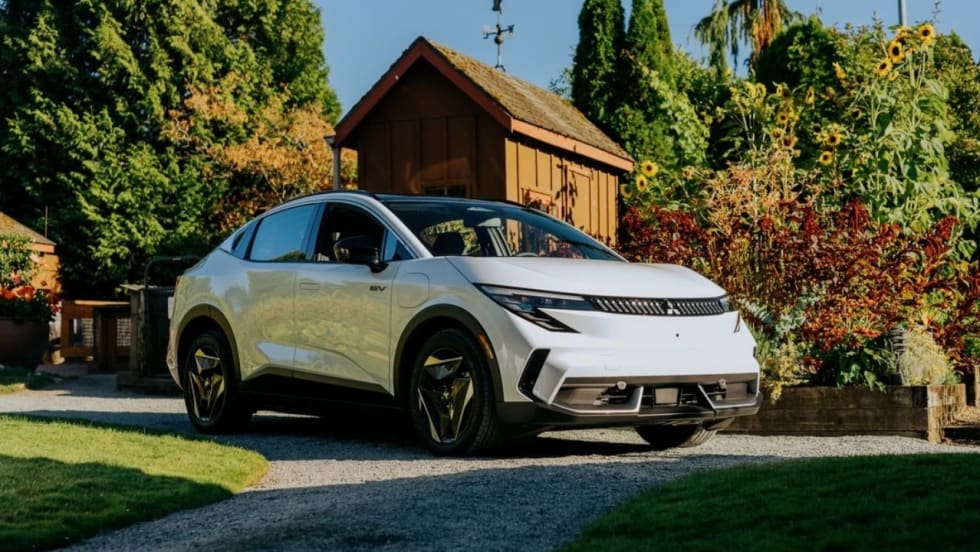
2027 Mitsubishi Eclipse Sportback Starts at $39,740
Mitsubishi’s new battery-electric vehicle offers up to 282 miles of range, with U.S. sales scheduled to begin in October.
Read More →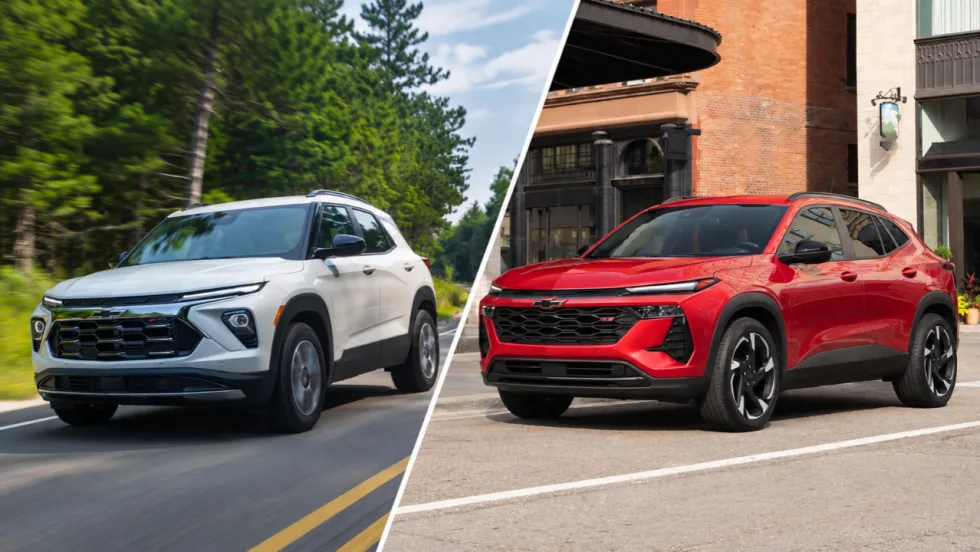
2027 Chevrolet Trax and Trailblazer Add Standard Safety Tech and New Features
Chevrolet updates its two smallest SUVs for 2027 with more than 20 standard safety and driver-assistance features, larger displays, and a new Trailblazer Z71 trim.
Read More →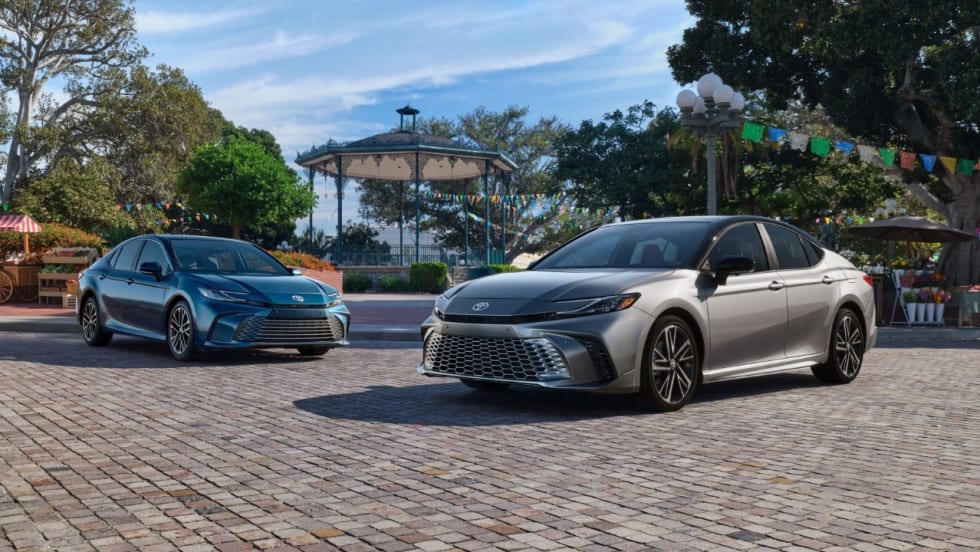
2027 Toyota Camry Starts at $29,700 With Up to 51 MPG Combined
The 2027 Toyota Camry returns with an exclusively hybrid powertrain, available all-wheel drive, standard safety technology, and five trim levels.
Read More →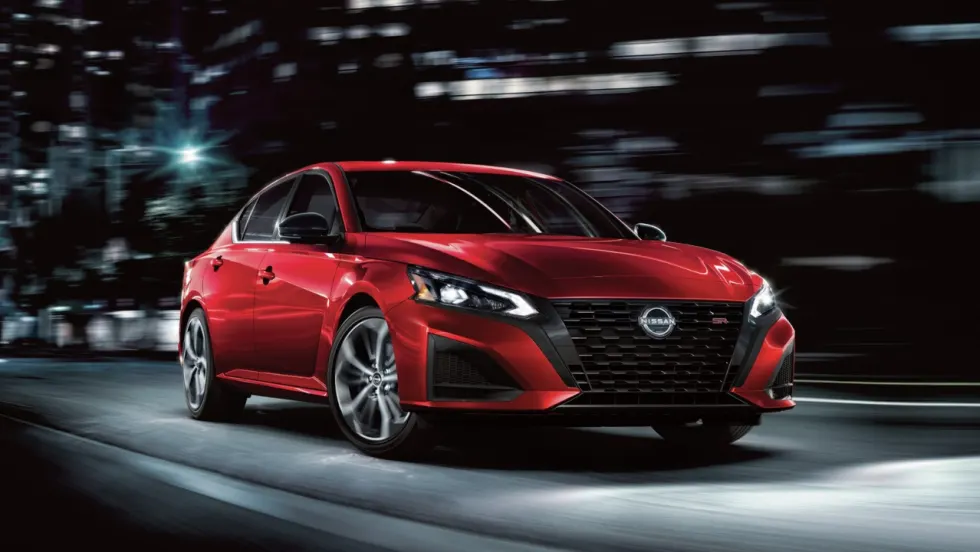
2027 Nissan Altima Starts at $27,790 With Up to 36 MPG Highway
The 2027 Nissan Altima is now on sale with three configurations, available all-wheel drive, standard driver-assistance technology, and up to 36 mpg highway.
Read More →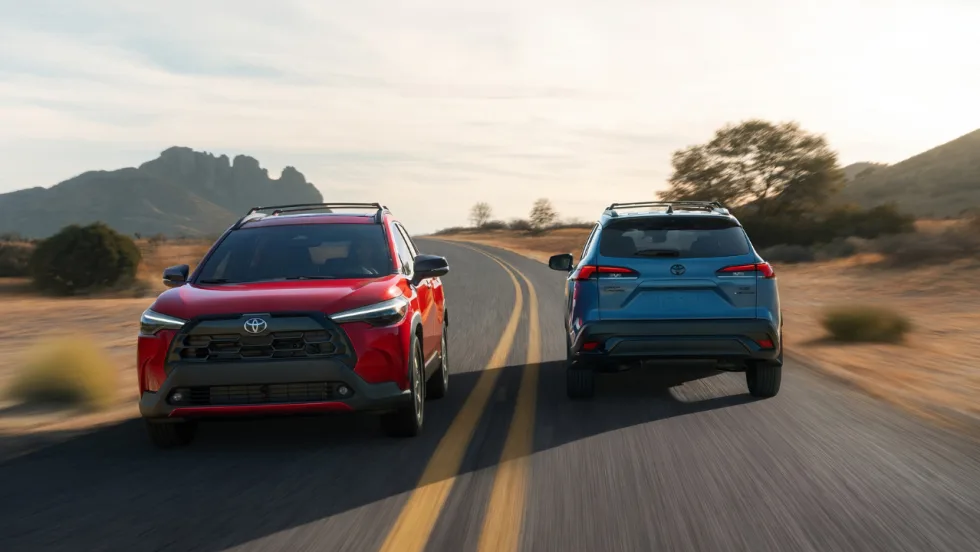
2027 Toyota Corolla Cross Hybrid Returns with 42 MPG
The 2027 Toyota Corolla Cross gives small business fleets gas and hybrid options, available AWD, flexible cargo space, and up to an estimated 42 mpg combined.
Read More →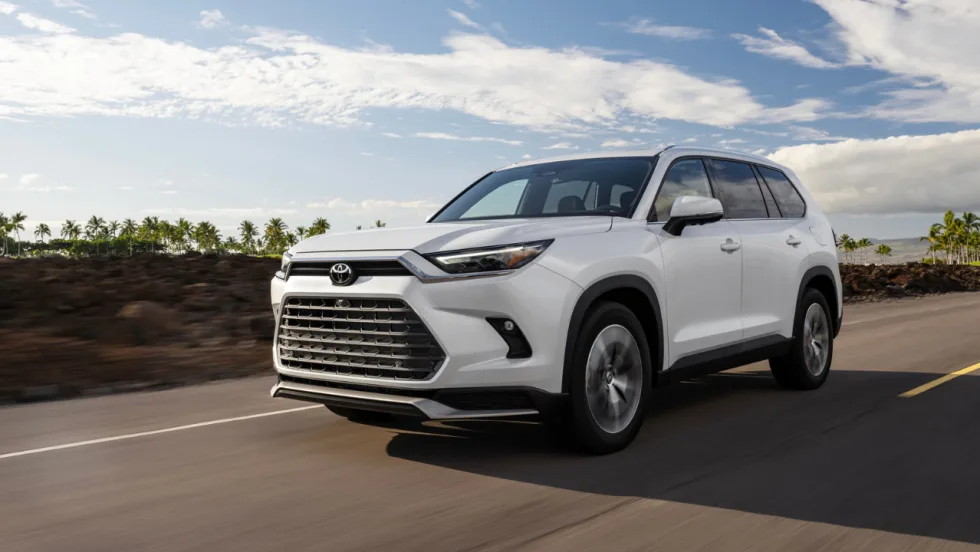
2027 Toyota Grand Highlander Expands Hybrid Options for Small Business Fleets
The 2027 Toyota Grand Highlander offers gas, hybrid, and Hybrid MAX powertrains, up to 97.5 cubic feet of cargo space, and towing capacity up to 5,000 pounds.
Read More →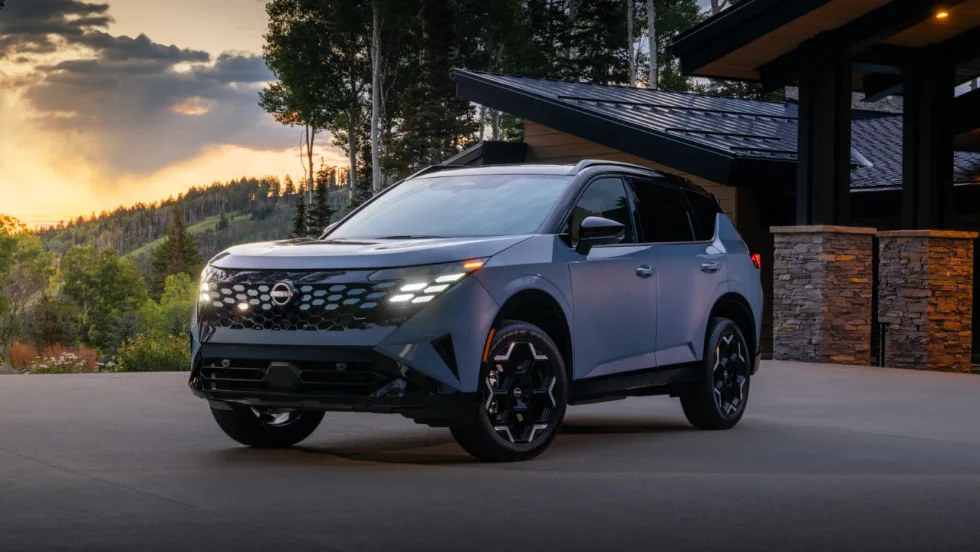
2027 Nissan Rogue Hybrid Brings e-POWER Technology to U.S. Fleets
The 2027 Nissan Rogue Hybrid brings e-POWER technology to the U.S. with standard AWD, up to 38 mpg combined, and a starting MSRP of $35,490.
Read More →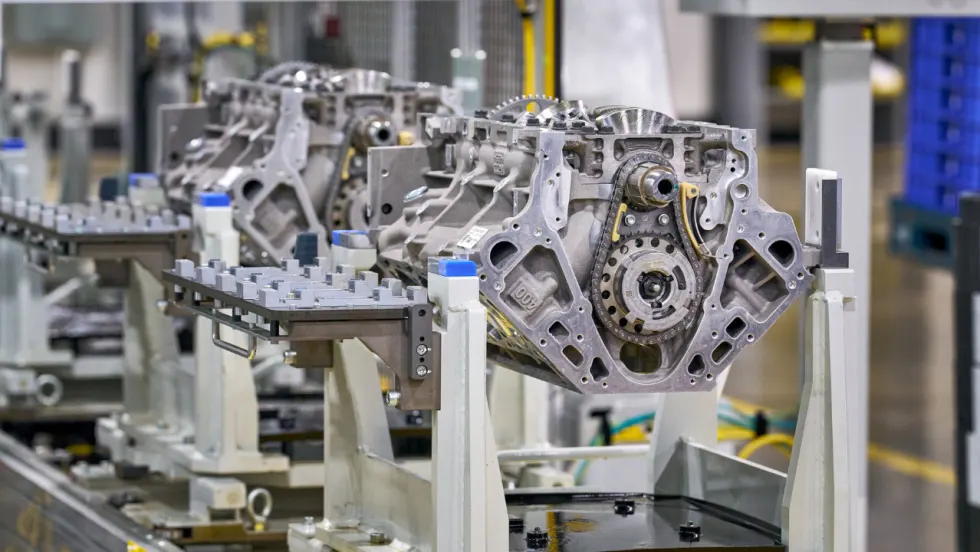
2027 Silverado and Sierra Give Small Fleets Four Ways to Spec a Work Truck
GM’s 2027 Silverado 1500 and Sierra 1500 will offer four powertrains with different strengths in payload, towing, power, and driving range.
Read More →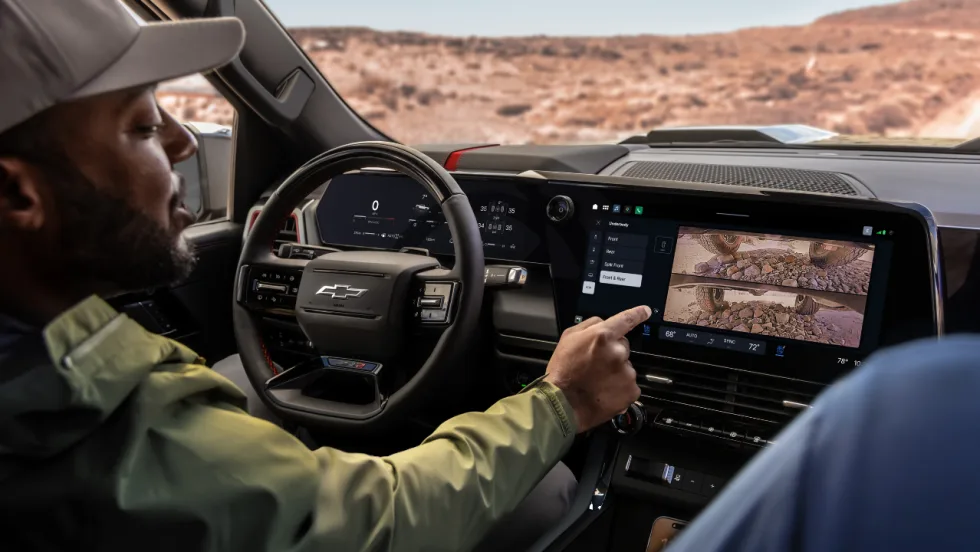
GM Brings New Truck Focused Interface to 2027 Silverado and Sierra
GM's new pickup interface puts trailering data, camera views, vehicle controls, and smartphone integration closer to the driver in the 2027 Silverado and Sierra.
Read More →
Volkswagen Expands Driver Assistance Features Across 2027 Lineup
Volkswagen is adding lane-change assistance, expanded emergency intervention, pedestrian detection, and updated predictive cruise control features to select 2027 models.
Read More →