


Learn More: What Truck Drivers Need to Know About Safe Winter Operation
5 S.T.E.P.S. to Avoid Winter Driver Injuries
Did you know that most winter-related injuries happen while vehicles are stopped?
by Thom Schoenborn, Instructional Technologies, Inc.
March 8, 2021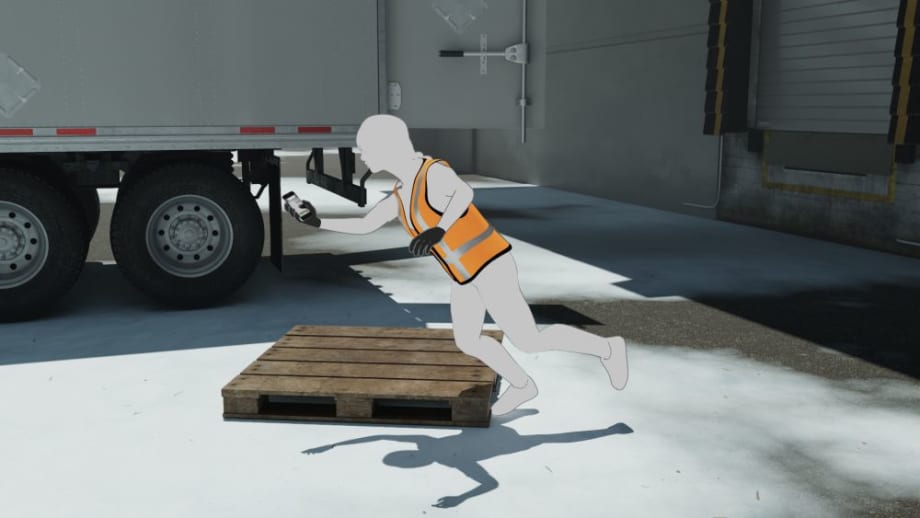
Distractions aren't just a hazard while driving. They're a common cause of slips, trips, and falls, and winter weather increases this risk. Pay extra close attention.
Photo: Instructional Technologies Inc.
4 min to read
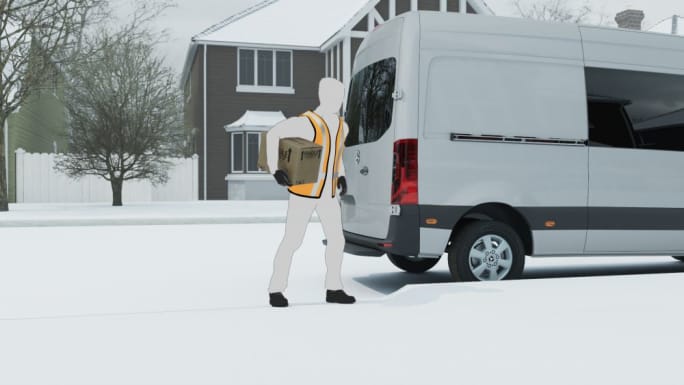
Because most injuries are caused by rushing and distraction, and winter weather increases the risk, staying in control by remaining focused and taking your time allows you to complete tasks safely.
Photo: Instructional Technologies Inc.
During the winter, drivers of light- and medium-duty commercial vehicles are probably already accustomed to watching out for snow and ice on the road. What they may not know is that most winter-related injuries happen while their vehicles are stopped.
While making deliveries or providing services in winter weather, truck drivers are more often susceptible to slips and falls that occur simply because they are not often trained to employ safe practices.
7 Winter-Related Injury Causes
Here are the top seven causes of winter-related injuries and some tips for preventing them:
Rushing does not save time and it can easily lead to slips and injuries on icy pavement and other surfaces. Taking your time and treading lightly are sure methods for preventing these accidents from occurring.
Distractions aren't just a hazard while driving. They're a common cause of slips, trips and falls, and winter weather increases this risk. Pay extra close attention.
Improper lifting techniques, especially during the high delivery volume holiday season, can easily lead to back injuries. Use proven techniques to lift packages safely.
Repetitive strain, which can lead to injuries while handling larger packages and higher delivery volumes, can be avoided with regular stretching.
Getting in and out of vehicles is always hazardous and even more so during winter. Always maintain three points of contact (both feet and one hand, or both hands and one foot) when getting in and out of the vehicle and watch for icy or slippery surfaces.
Cold muscles are more susceptible to injury. Take a few minutes to stretch and warm up before starting strenuous activity, especially in cold weather.
Lift gate operation requires safe practice. If the delivery requires a lift gate, make sure drivers can confidently and correctly operate it before going out with a load.
Every light- and medium-duty driver can stay safe and injury-free during winter by taking a few simple steps. For example, because most injuries are caused by rushing and distraction, and winter weather increases the risk, staying in control by remaining focused and taking your time allows you to complete tasks safely. That includes proactively looking out for winter hazards like icy patches.
Other steps that will result in fewer winter related injuries include maintaining a good grip with both hands while exiting a vehicle or lifting a package. Walking a delivery path in advance to identify hazards, warming up before physical activity and wearing weather-appropriate clothing can all go a long way toward preventing injuries.
Winter safety courses as part of light- and medium-duty driver training can be used to effectively limit injuries and product damage during light- and medium-duty operations. For example, courses are available that cover winter driving and hazards associated with operating light- and medium-duty vehicles that are focused on how to deal with multiple winter conditions and prepare effectively for winter driving.
These lessons teach drivers about some of the conditions they may encounter when driving and how to prevent injuries when out of the vehicle. They also cover how to prepare themselves and their vehicles to operate in winter conditions, including those related to weather, traffic, and other challenges. Upon completion, the drivers will be able to deal with many of the issues they may face on the road and while making deliveries during the winter season.
How to Reduce Winter Injuries
Provide reminders every day to your drivers with a free printable poster that outlines 5 S.T.E.P.S. every driver can take to stay safe and injury-free.
The tips, based on ITI’s course on the same topic, include:
Stay in Control.
Take Care and Look.
Ensure a Good Grip.
Plan for Success.
Strains Mean Pain.
While the busy holiday season is behind us for this year, winter is far from over in many parts of the country. Still, most winter injuries are 100% preventable with proper training in prevention habits. Taking the time now to address injury prevention with effective training for light and medium-duty drivers can save time, money and pain (literally) for years to come.
About The Author: Thom Schoenborn is the VP Marketing with Instructional Technologies, Inc. (ITI), the providers of online training solutions for trucking, transportation and logistics companies that are based on the principles of mastery learning, up-to-date information, and accurate and automated record keeping. For more information, visit www.instructiontech.net. This article was authored and edited according to WT editorial standards and style to provide useful information to our readers. Opinions expressed may not reflect that of WT.
Originally posted on Work Truck Online
More Safety

Mercedes Benz Tests CLA Occupant and Battery Protection in Side Impact Crash
Two CLA sedans traveling at 35 mph were used in a Mercedes-Benz crash test examining occupant protection and electric vehicle battery safety.
Read More →
How Technology Can Help Fleet Owners Improve Insurability
Your fleet's telematics data could be the difference between getting insurance coverage and facing higher premiums or non-renewal. Here's what insurers are looking for and how fleets can use that data to make a stronger case at renewal.
Read More →
Small Fleets Lag in Telematics Coverage as Industry Moves Beyond Adoption
SambaSafety’s 2026 Telematics Report finds fleets with 10 or fewer vehicles monitor a much smaller share of their vehicles than larger operations, as the industry shifts its focus from collecting data to using it.
Read More →
Back-to-School Traffic Is Not the Risk Fleets Think It Is
Back-to-school traffic does not always mean more crashes. New Empiric Earth data shows why fleets should focus on when and where risk changes.
Read More →
Small Fleet, Big Exposure: How to Reduce Workers’ Comp Risks
For small fleets, one crash can trigger far more than vehicle damage. Here’s how stronger driver safety policies, training, maintenance, and technology can help reduce workers’ comp exposure.
Read More →
Who Makes the Call When Winter Weather Gets Dangerous?
Winter weather can quickly change a small fleet’s plans. Knowing when to reroute, delay, or stop can matter just as much as preparing the vehicles themselves.
Read More →
API Issues Refueling Safety Guidelines
The American Petroleum Institute offers a list of safe vehicle refueling guidelines, including ways to avoid potential problems with static electricity discharges in fall, winter, and early spring.
Read More →
Winter Fleet Prep: Expert Tips to Keep Vehicles Running Smoothly
Cold weather can expose weak batteries, tires, fuel systems, and maintenance gaps fast. Use this winter fleet checklist to prepare trucks and drivers before temperatures drop.
Read More →
8 ADAS Maintenance Tips for Small Business Fleets From Bendix
A dirty camera, bad alignment, or one loose connection could quietly knock your fleet’s ADAS offline. Here’s what Bendix says to check.
Read More →
Developing Budget-Friendly Driver Safety Programs
From driver training and safety meetings to one-on-one coaching and incentive programs, several small fleets share how they have developed a safety culture with their drivers using low- to no-cost resources.
Read More →Subscribe to Our Newsletter