


Check Out -Fleet Managers on Retention, Compliance, AI, and Safety: Challenges and Wins in Their Own Words
Measuring What Matters: A Personal View on Fleet Safety
Blending data with day-to-day experience can move safety from policy to practice.
by Jeff Martin, Lytx
April 15, 2025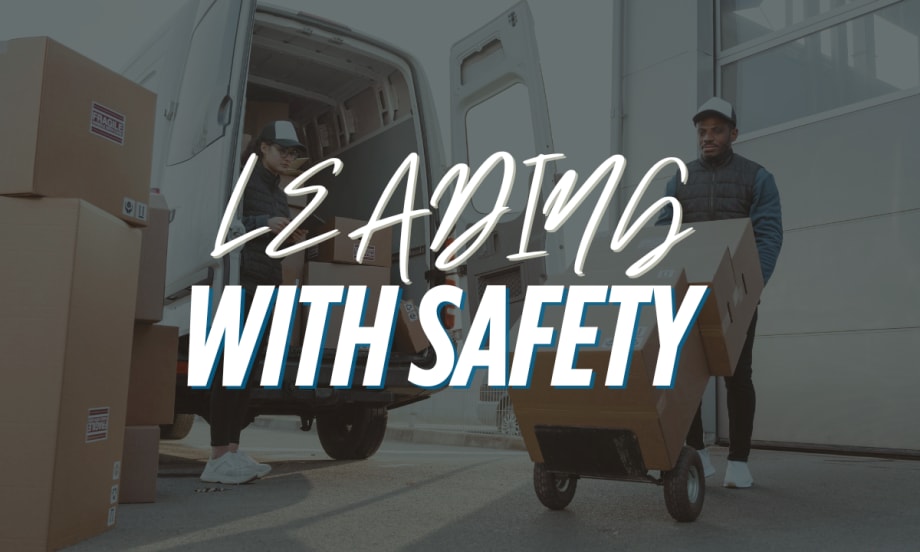
When fleet drivers understand that their wellbeing is your number one priority, they’re more likely to place their trust in the organization and its leaders.
Photo: Tima Miroshnichenko via Pexels / Automotive Fleet
4 min to read
There are a million words written about how companies can attain organizational efficiency, but the only one that matters is “safety.” This may sound obvious, but stay with me, and I will demonstrate how operational excellence starts with safety, leads to trust, and results in efficiencies and improvements throughout your company.
I’ll point to a real-world example of how a company has protected lives, saved money, boosted employee retention, and more — all by starting with safety.
By “safety,” I mean the effort to safeguard the life, health, and well-being of the people in your organization — the protocols and policies intended to protect life and limb in the process of getting the job done.
The Foundation of Well-Run Organizations
In my 20-plus-year career in professional safety, I have found that trust is the foundation of a well-run organization.
When employees trust their leaders, they are willing to take a leap of faith, think outside the box, lean into their roles, and share some pretty great practical ideas and improvements — all because they believe their leaders have their backs.
Historically, high-trust organizations are operationally more efficient, effective, innovative, and agile. Organizational trust begins with emphasizing safety.
Let’s say your organization decides to go all-in on a safety program. That means you deploy robust protocols, implement guardrails, communicate goals, and establish compliance norms. Most importantly, your safety program leverages facts and data and provides tools to improve.
Once your employees — particularly your front-line employees such as field service technicians, transportation and utilities professionals, security workers, and fleet drivers — understand that their well-being is your number one priority, they are more apt to place their trust in the organization and their leaders.
Leaning in wholeheartedly to safety tells employees they are seen, cared for, and respected.
This powerful message propels a slew of changes and improvements because employees feel valued and empowered.
Statistically, they experience higher morale, job satisfaction, and engagement. This positive work atmosphere translates into increased safety, productivity, teamwork, and dedication to achieving organizational goals.
This is what I have come to call the Total Value Realization: Safety touches everything and the process by which you improve safety in your company can be used in every department to effect positive change and better realize the full potential of your team.
Safety is the first domino that kicks in to effect a line of organizational improvements that are perennial and ongoing.

Leading your organization to overall improved efficiency means putting safety at the front of every effort, every day, and at every level.
Photo: Tima Miroshnichenko via Pexels
Preventing Accidents: Coaching, Rewards, Video Telematics
Let’s take a look at an example of the Total Value Realization in action. Trimac Transportation employs approximately 3,400 team members and provides bulk shipping solutions across North America.
Prior to refreshing its organization-wide safety program, Trimac’s safety records were stable. But the company’s coaching and investigations focused on the employee rather than examining operating culture, management, and policies.
Knowing that committing to a stronger culture of safety would require a shift in organizational mindset, Trimac took an introspective look at a comprehensive safety effort in a way that could prevent near misses or accidents from happening in the first place.
The company created a regular coaching protocol with rewards and recognition for employees who self-reported near-miss incidents and combined it with a data-driven, video telematics-based driver safety program.
They established an environment where it was safe to report a failure, enlisting their employees to proactively identify hazards and working to educate them on safer procedures.
Employees experienced these as learnings from failures. The program was intended to save lives, protect their jobs, and prioritize worker safety, not target employees.
With improved employee engagement and morale, and better transparency around the new policies, Trimac increased its operating efficiency, realized a 53% reduction in accidents over three years, saw a 42% reduction in time lost to injuries, and in 2021 alone saved $5 million in claims costs.
In addition, the company’s retention rate improved 4.1%. The safety program saved lives, jobs, time, and money across the whole company. These are powerful, persuasive changes. That’s the Total Value Realization in action!
What's Next After Achieving Operational Efficiency
So, if operational excellence starts with safety and leads to trust, what comes next? When will you reach the finish line?
That’s a trick question; there is no finish line in a successful safety culture. There is only ongoing, consistent, continuous effort every single day.
The great news is that continuous effort means continuous improvement. Leading your organization to overall improved efficiency means putting safety at the front of every effort, every day, and at every level. The Total Value Realization will follow.
Editor's Note: This article was originally published in August 2023 and was updated on March 31, 2025, for continued relevancy on fleet safety and operational efficiency.
Originally posted on Automotive Fleet
More Safety
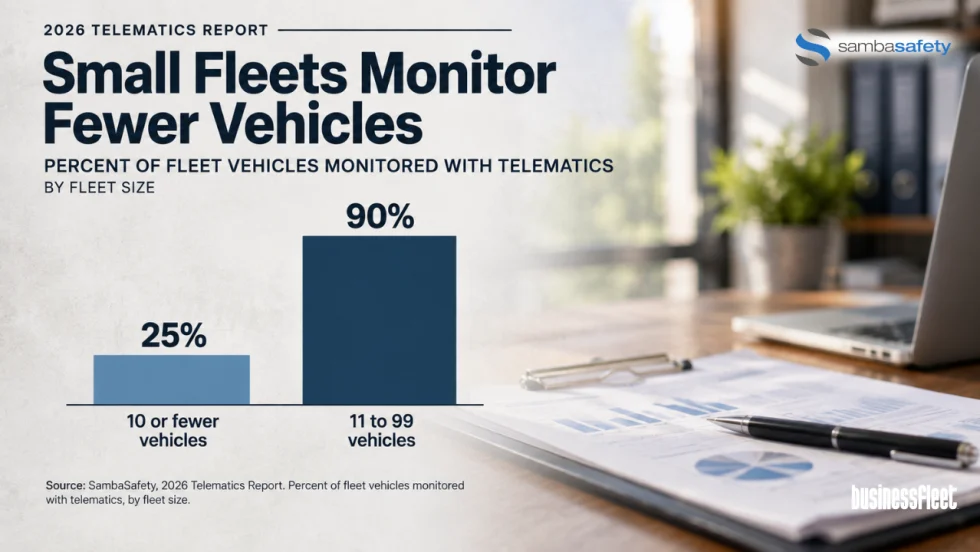
Small Fleets Lag in Telematics Coverage as Industry Moves Beyond Adoption
SambaSafety’s 2026 Telematics Report finds fleets with 10 or fewer vehicles monitor a much smaller share of their vehicles than larger operations, as the industry shifts its focus from collecting data to using it.
Read More →
Back-to-School Traffic Is Not the Risk Fleets Think It Is
Back-to-school traffic does not always mean more crashes. New Empiric Earth data shows why fleets should focus on when and where risk changes.
Read More →
Small Fleet, Big Exposure: How to Reduce Workers’ Comp Risks
For small fleets, one crash can trigger far more than vehicle damage. Here’s how stronger driver safety policies, training, maintenance, and technology can help reduce workers’ comp exposure.
Read More →
Who Makes the Call When Winter Weather Gets Dangerous?
Winter weather can quickly change a small fleet’s plans. Knowing when to reroute, delay, or stop can matter just as much as preparing the vehicles themselves.
Read More →
API Issues Refueling Safety Guidelines
The American Petroleum Institute offers a list of safe vehicle refueling guidelines, including ways to avoid potential problems with static electricity discharges in fall, winter, and early spring.
Read More →
Winter Fleet Prep: Expert Tips to Keep Vehicles Running Smoothly
Cold weather can expose weak batteries, tires, fuel systems, and maintenance gaps fast. Use this winter fleet checklist to prepare trucks and drivers before temperatures drop.
Read More →
8 ADAS Maintenance Tips for Small Business Fleets From Bendix
A dirty camera, bad alignment, or one loose connection could quietly knock your fleet’s ADAS offline. Here’s what Bendix says to check.
Read More →
Developing Budget-Friendly Driver Safety Programs
From driver training and safety meetings to one-on-one coaching and incentive programs, several small fleets share how they have developed a safety culture with their drivers using low- to no-cost resources.
Read More →
A 20-Minute Safety Check for Small Fleets Before Operation Safe Driver Week
No safety department? No problem. Here's a practical checklist small fleet managers can use before Operation Safe Driver Week begins.
Read More →
Why Small Fleets Keep Getting Tripped Up by ELD Compliance
Roadcheck revealed a hard truth: most ELD violations aren't intentional. They're caused by small mistakes that can cost fleets time, money, and trust.
Read More →Subscribe to Our Newsletter