


Hot Weather Driving Tips for Fleet Drivers
As we head into another potentially extreme summer season, the risks for fleet drivers remain high, from engine strain and tire blowouts to unpredictable traffic patterns. An expert shares advice on how fleet drivers can boost their safety during the steamy summer months.
May 22, 2025

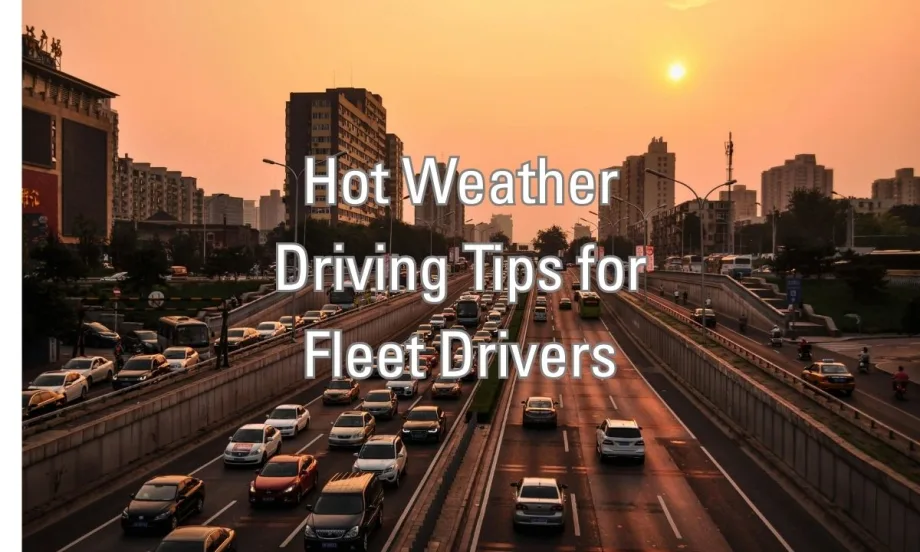
We share our tips for driving safely this summer.
Photo: Pexels
5 min to read

Summer is roadwork season. Expect delays and detours.
Photo: Pixabay
The summer of 2024 brought record-breaking heat, pushing both vehicles and drivers to their limits. Road surface temperatures spiked, vehicle breakdowns increased, and driver fatigue became more frequent, creating a more hazardous driving environment. As we head into another potentially extreme season, the risks for fleet drivers remain high, from engine strain and tire blowouts to unpredictable traffic patterns. Whether your fleet includes gas-powered vehicles, hybrids, or EVs, these tips will help keep drivers safe and operations running smoothly during the dog days of summer.
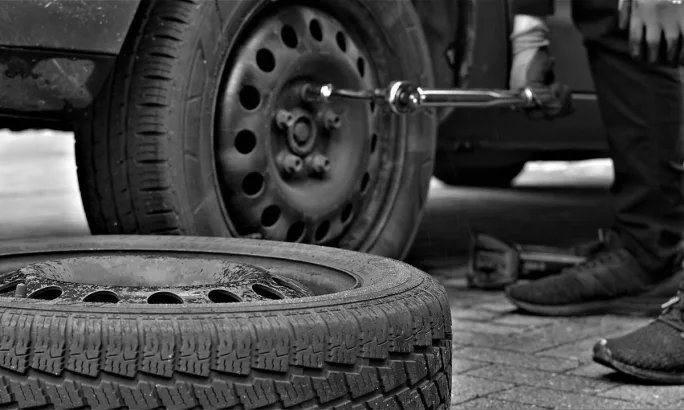
The extreme heat of the summer means that tire blowouts are more likely.
Photo: Pixabay
Tire Safety: The First Line of Defense
Tire blowouts are more common in extreme heat, as hot pavement and underinflated tires create a dangerous combination. Proper tire maintenance is crucial for every fleet vehicle. Drivers should be trained to inspect tires before each shift, checking for tread depth, punctures, and proper inflation levels as listed in the vehicle manual or door frame.
In fact, according to the National Highway Traffic Safety Administration (NHTSA), underinflated tires are up to three times more likely to be involved in a crash. If your fleet is equipped with tire pressure monitoring systems (TPMS), ensure they are functioning properly and drivers are trained to respond to alerts immediately.
Batteries and Cooling Systems: Keep Engines and Drivers Cool
Heat is hard on batteries. Excessive temperatures can accelerate fluid evaporation, shortening battery life, especially in older fleet vehicles. For internal combustion engines (ICE), regular testing of batteries and maintenance of cooling systems should be scheduled before peak summer.
Fleet EVs face a different challenge: heat management. High ambient temperatures reduce range and increase stress on the battery. Many EV manufacturers recommend limiting fast charging in high heat and parking in shaded areas to help reduce battery degradation. If your EV has thermal battery management, confirm it's functioning properly.
Electric Vehicles: Heat Aware Driving Strategies
As more fleets incorporate electric vehicles, operators must consider how heat impacts performance. While EVs may have fewer moving parts and require less maintenance, battery systems are sensitive to extreme temperatures.
Fleet drivers should:
Precondition the cabin while the vehicle is still plugged in, preserving driving range.
Avoid charging during peak heat hours when possible.
Monitor EV telematics to detect signs of battery overheating.
In high heat, EV range can drop by up to 20%, especially when A/C use is high. Route planning and regular charging intervals should be adjusted accordingly.

Sun glare is not just inconvenient; it is a hazard. Safety starts with a clean windshield.
Photo: Pixabay
Visibility and Glare: Small Steps, Big Impact
Summer glare is more than just an inconvenience; it’s a safety hazard. Bright sunlight can obscure traffic signals, pedestrians, and other road users. A dirty windshield amplifies the glare effect by scattering light. Ensure that your drivers are:
Equipped with quality, polarized sunglasses.
Regularly cleaning windshields inside and out.
Checking washer fluid levels and wiper blade condition weekly.
A clean line of sight is one of the most overlooked components of defensive driving.
Construction and Congestion: Plan to Avoid Delays
Summer is peak roadwork season. Detours, reduced speed limits, and sudden traffic pattern changes can frustrate drivers and increase the risk of crashes. Encourage fleet drivers to:
Use real-time GPS apps to plan routes and avoid construction zones.
Obey all signage and give road crews extra room.
Leave early when traveling through high-volume tourist areas or during peak hours.
Fleet managers can integrate construction alerts into dispatch tools or driver dashboards for greater awareness and efficiency.

School is out, and so are vacationers.
Photo: Pixabay
Increased Pedestrian and Tourist Activity: Expect the Unexpected
With schools out and vacationers on the move, drivers should anticipate more pedestrians, often distracted or unfamiliar with local traffic patterns. This is especially true near parks, stadiums, beaches, and campgrounds. Drivers should:
Reduce speeds in high-foot-traffic areas.
Watch sudden stops, erratic driving, or jaywalking.
Be ready to brake if a child darts into the road unexpectedly.
A cautious, alert driver is the fleet’s best defense in these unpredictable environments.
Fatigue and Impairment: Silent Summer Risks
Long daylight hours and busy social calendars increase the risk of driver fatigue and impaired driving in the summer. These remain two of the top contributors to fleet collisions each year. To mitigate risk:
Emphasize mandatory rest breaks every 2 hours or 100 miles.
Encourage 7–8 hours of sleep prior to shifts.
Reinforce zero-tolerance policies for alcohol and drug use, particularly following summer events or holidays.
Fleet policies should also address cannabis use (especially in legal states), prescription medication impairments, and provide education on recognizing signs of fatigue.
Technology: A Summer Safety Ally
Modern fleets are increasingly equipped with advanced driver assistance systems (ADAS) that can help mitigate heat-related risks. Features like forward collision warning, automatic emergency braking, and driver attention monitoring can make a measurable difference. Fleet managers should:
Ensure ADAS features are activated and calibrated.
Offer training on how to properly use these systems without overreliance.
Use telematics to track driver behavior, vehicle diagnostics, and identify early warning signs of fatigue or mechanical failure.

An emergency can strike anywhere, at any time. Planning ahead will ensure you are prepared.
Photo: Pixabay
Emergency Preparedness: Expect the Unexpected
Every vehicle in your fleet should be equipped with a summer-ready emergency kit, including:
Water bottles
First-aid supplies
Reflective vests
Road flares or triangles
Portable phone chargers
Heat-reflective windshield shades
During the July 2024 Operation Safe Driver Week, law enforcement issued over 4,000 citations and warnings to commercial vehicle operators nationwide. The top violation? Speeding, responsible for 1,694 warnings and 1,226 citations. Other common infractions included failure to wear seat belts and the use of handheld devices while driving, each one a preventable action with potentially life-altering consequences. As we reflect on those numbers, it’s clear that safety doesn’t begin and end with the driver alone. It’s a shared responsibility, one that stretches across every layer of an organization.
Summer doesn’t just challenge vehicles; it challenges drivers. By taking a proactive approach to fleet safety and adapting protocols for warmer weather, you not only reduce liability and operational downtime but also show your drivers you care about their well-being.
Your fleet is only as strong as the people behind the wheel. Let’s keep them safe, cool, and prepared for every mile of summer.
Editor’s note: This article was originally published in August 2023 and has been updated for continued relevance.
Originally posted on Automotive Fleet
More Safety

Small Fleets Lag in Telematics Coverage as Industry Moves Beyond Adoption
SambaSafety’s 2026 Telematics Report finds fleets with 10 or fewer vehicles monitor a much smaller share of their vehicles than larger operations, as the industry shifts its focus from collecting data to using it.
Read More →
Back-to-School Traffic Is Not the Risk Fleets Think It Is
Back-to-school traffic does not always mean more crashes. New Empiric Earth data shows why fleets should focus on when and where risk changes.
Read More →
Small Fleet, Big Exposure: How to Reduce Workers’ Comp Risks
For small fleets, one crash can trigger far more than vehicle damage. Here’s how stronger driver safety policies, training, maintenance, and technology can help reduce workers’ comp exposure.
Read More →
Who Makes the Call When Winter Weather Gets Dangerous?
Winter weather can quickly change a small fleet’s plans. Knowing when to reroute, delay, or stop can matter just as much as preparing the vehicles themselves.
Read More →
API Issues Refueling Safety Guidelines
The American Petroleum Institute offers a list of safe vehicle refueling guidelines, including ways to avoid potential problems with static electricity discharges in fall, winter, and early spring.
Read More →
Winter Fleet Prep: Expert Tips to Keep Vehicles Running Smoothly
Cold weather can expose weak batteries, tires, fuel systems, and maintenance gaps fast. Use this winter fleet checklist to prepare trucks and drivers before temperatures drop.
Read More →
8 ADAS Maintenance Tips for Small Business Fleets From Bendix
A dirty camera, bad alignment, or one loose connection could quietly knock your fleet’s ADAS offline. Here’s what Bendix says to check.
Read More →
Developing Budget-Friendly Driver Safety Programs
From driver training and safety meetings to one-on-one coaching and incentive programs, several small fleets share how they have developed a safety culture with their drivers using low- to no-cost resources.
Read More →
A 20-Minute Safety Check for Small Fleets Before Operation Safe Driver Week
No safety department? No problem. Here's a practical checklist small fleet managers can use before Operation Safe Driver Week begins.
Read More →
Why Small Fleets Keep Getting Tripped Up by ELD Compliance
Roadcheck revealed a hard truth: most ELD violations aren't intentional. They're caused by small mistakes that can cost fleets time, money, and trust.
Read More →Subscribe to Our Newsletter