



Learn More! Is Your Truck Fleet Truly Safe?
Fleet Safety: What Every Fleet Manager Needs to Know
Keeping driver and third parties safe and reducing the risk of physical damage is grounded in some very basic concepts.
July 1, 2004

The easiest, most effective way to keep drivers safe is instituting a formal written policy that requires all drivers and passengers to wear seat belts at all times.
Photo: Bobit
2 min to read
Fleet safety involves a number of often-complex processes: screening drivers, safety training, reward/penalty programs, and capturing and tracking data.
The following are some basic items that form the foundation of a fleet safety program:
Proper Licensing. Most fleets, screen new hire driving records, but, some don’t follow up. Review the driving records for all employees assigned or authorized to drive company-provided vehicles.
Seat Belt Policy. The easiest, most effective way to keep drivers safe is instituting a formal written policy that requires all drivers and passengers to wear seat belts at all times. Enforce the policy using surveys and spot checks. Make certain that there are consequences for not following the policy.
Vehicle Selection/Specification. Put the right vehicles with the right equipment into service. Vehicles that are too small, underpowered, or under-equipped can decrease acceleration and increase stopping distances, creating dangerous situations. Improper load-carrying capacity can reduce visibility with similar risks.
Enforce Policy Across the Board. “But he/she’s our best sales rep!” How often have fleet managers heard that response when enforcing consequences for unsafe driving? Once an exception is made, other requests will follow based upon the driver’s job performance or, in some cases, position in the company. Secure senior management approval for your fleet safety policy and enforce it without exception.
Keep Vehicles Properly Maintained. Maintain vehicles according to your preventive maintenance schedule and track compliance via exception reports, if possible, and regular condition reports. Safety-related maintenance and repair on equipment such as tires and brakes is critical in reducing the risk of damage and/or injury. Request that the driver’s immediate supervisor sign off on condition reports, and implement a follow-up procedure to make sure that dangerous conditions are dealt with promptly.
Territories. Drivers must be familiar with their territories, a particular issue in companies with high driver turnover. Drivers unfamiliar with the territory will often be distracted, trying to follow written directions or read maps when they should be concentrating on safe driving.
Preventability, Not Fault. Often a driver’s first reaction, when involved in an accident, is “but it wasn’t my fault!” The issue should not be at fault; but preventability. Thoroughly train drivers in defensive driving techniques. They should know that in every circumstance, they will be judged not on whether the accident was their fault, but whether they did everything possible to avoid the accident.
Using these simple basics, fleet managers can then build an effective fleet safety policy, which in turn will reduce the number of accidents and keep their drivers, and the public at large, safe.
Originally posted on Automotive Fleet
More Safety
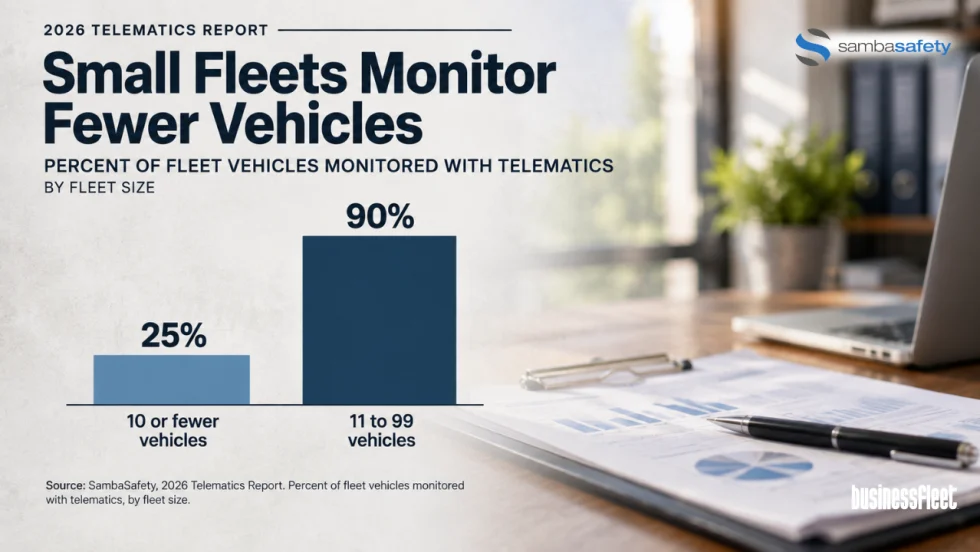
Small Fleets Lag in Telematics Coverage as Industry Moves Beyond Adoption
SambaSafety’s 2026 Telematics Report finds fleets with 10 or fewer vehicles monitor a much smaller share of their vehicles than larger operations, as the industry shifts its focus from collecting data to using it.
Read More →
Back-to-School Traffic Is Not the Risk Fleets Think It Is
Back-to-school traffic does not always mean more crashes. New Empiric Earth data shows why fleets should focus on when and where risk changes.
Read More →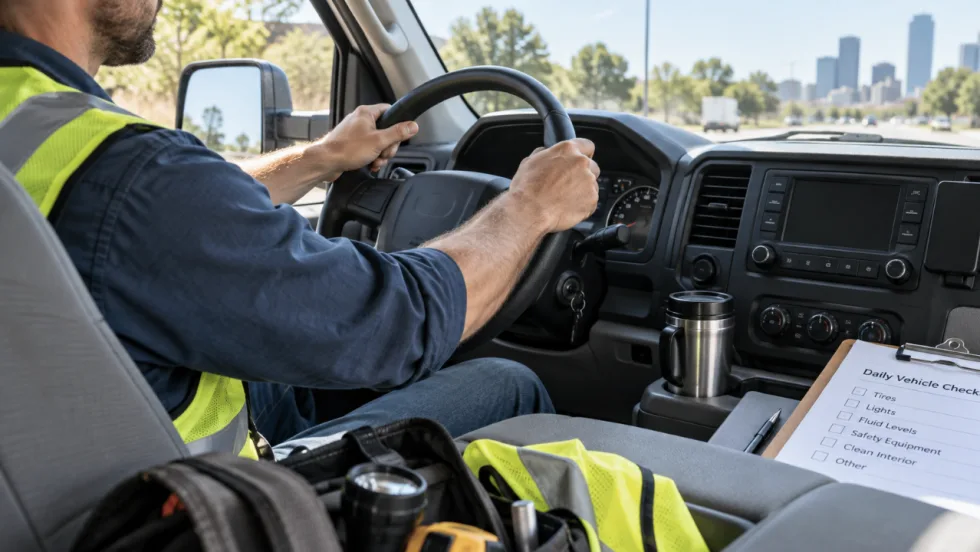
Small Fleet, Big Exposure: How to Reduce Workers’ Comp Risks
For small fleets, one crash can trigger far more than vehicle damage. Here’s how stronger driver safety policies, training, maintenance, and technology can help reduce workers’ comp exposure.
Read More →
Who Makes the Call When Winter Weather Gets Dangerous?
Winter weather can quickly change a small fleet’s plans. Knowing when to reroute, delay, or stop can matter just as much as preparing the vehicles themselves.
Read More →
API Issues Refueling Safety Guidelines
The American Petroleum Institute offers a list of safe vehicle refueling guidelines, including ways to avoid potential problems with static electricity discharges in fall, winter, and early spring.
Read More →
Winter Fleet Prep: Expert Tips to Keep Vehicles Running Smoothly
Cold weather can expose weak batteries, tires, fuel systems, and maintenance gaps fast. Use this winter fleet checklist to prepare trucks and drivers before temperatures drop.
Read More →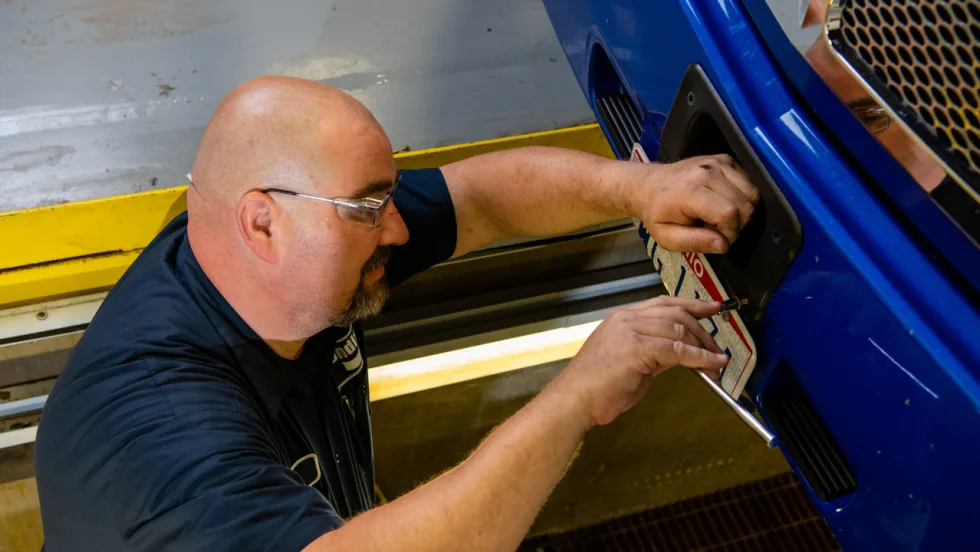
8 ADAS Maintenance Tips for Small Business Fleets From Bendix
A dirty camera, bad alignment, or one loose connection could quietly knock your fleet’s ADAS offline. Here’s what Bendix says to check.
Read More →
Developing Budget-Friendly Driver Safety Programs
From driver training and safety meetings to one-on-one coaching and incentive programs, several small fleets share how they have developed a safety culture with their drivers using low- to no-cost resources.
Read More →
A 20-Minute Safety Check for Small Fleets Before Operation Safe Driver Week
No safety department? No problem. Here's a practical checklist small fleet managers can use before Operation Safe Driver Week begins.
Read More →
Why Small Fleets Keep Getting Tripped Up by ELD Compliance
Roadcheck revealed a hard truth: most ELD violations aren't intentional. They're caused by small mistakes that can cost fleets time, money, and trust.
Read More →Subscribe to Our Newsletter