


How Drivers Can Improve Fuel Efficiency
By knowing and practicing some driving and maintenance tips, drivers can increase their trucks’ gas mileage, boost their vehicles’ overall performance, and save money for the company.
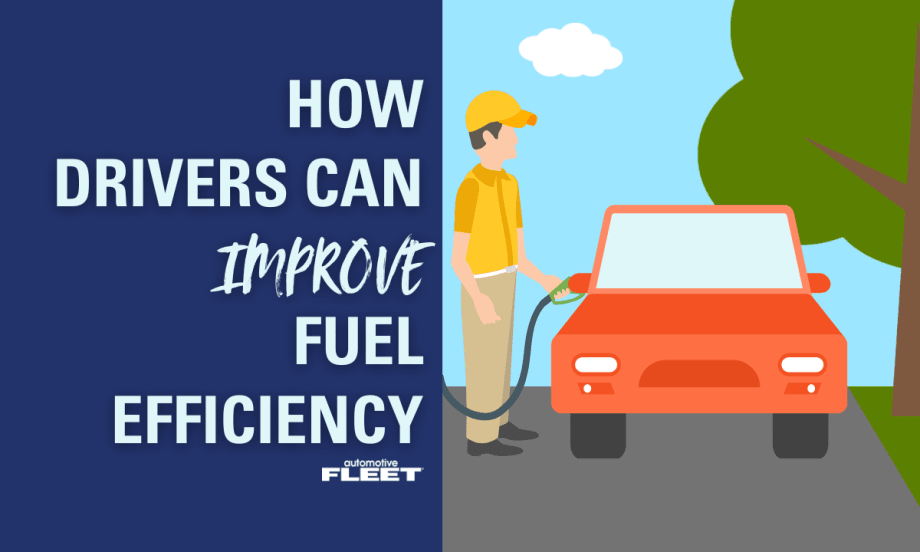
Emphasize to your drivers the importance of developing proper driving habits and performing regular vehicle maintenance.
Photo: Automotive Fleet
Fuel economy is probably not at the top of your list of priorities. You’re more concerned with running your business, taking care of your customers, and turning a profit. Trucks are part of this mission, but purchase price, reliability, cost of service and parts, and resale value are often viewed by small fleets as more important than your trucks’ miles per gallon (mpg).
Still, few things can go straight to your bottom line, or detract from it, more than variations in fuel economy. You assume your people know how to drive, and if they don’t have accidents, that’s good enough. Or is it?
Drivers affect fuel economy more than all the advances in electronic controls, combustion design, air handling, and aerodynamics that go into modern trucks. Whether the fleet is composed of older trucks or near-new models, proper driving can make them deliver needed performance in their primary role of transportation and hauling as well as fuel economy.
Below are some driving and maintenance tips that your people ought to know and practice. The tips come from manufacturers who built the trucks you use and from driving instructors this writer has learned from over the years.
Find the time to share these with your employees, then follow through to see if they’re improving. If you really want improvements, post the results so they can see how they stack up against their co-workers. Share the money saved with your drivers.
Fuel-Saving Habits Every Fleet Driver Should Know
1. Drive Smoothly
Do you really have to keep up with rat-racing traffic? Aggressive driving at any speed wastes fuel. At highway speeds, more fuel is consumed while repeatedly adjusting road speed. From a standstill, jackrabbit starts are foolish and expensive.
Instead, accelerate smoothly and brake softer and earlier, as though a raw egg were taped to the sole of your boot. Cruise at steady, moderate speeds and stay in one lane maintaining as constant a speed as you can. Not only does smooth driving save fuel, it also prolongs the life of the driveline, brakes, and tires — and lessens stress on you.
2. Slow Down
Speeding wastes lots of fuel. Depending on how the truck is geared, fuel mileage usually decreases rapidly at speeds above 50 and 60 mph. Even if the latest multi-speed transmissions keep engine revs low at higher speeds, it still takes more power to move the vehicle and overcome wind resistance.
Yes, time is money, but if you can, leave earlier so you don’t have to race to get there on schedule. It’s also safer.
3. Remove Excess Weight
Carrying around an extra 100 lbs. in the truck can reduce fuel mileage by up to 4%, manufacturers say. If it’s many hundreds of extra pounds, the cost is higher. In service trucks, how many of those tools, spare parts, nuts, bolts, and screws are really needed?
At the start of a work day, think about the jobs coming up and stock the truck accordingly.
4. Use Cruise Control
Activating cruise control helps save fuel in two ways: It keeps you from mindlessly driving at faster — and less fuel-efficient — speeds. It also keeps you from unintentionally slowing down, then having to accelerate to regain the desired speed.
Adaptive cruise control will adjust speed according to the flow of traffic. Fuel-use gauges on modern trucks’ head units show how driving habits can raise or lower mpg. Try to learn from them.
5. Avoid Idling the Engine
If the vehicle will be parked for a while and won’t be running an accessory with PTO, shut off the engine. Idling to keep the cab warm or cool in cold or very hot weather is understandable, but not if you’re going to be away from it for an extended time.
It takes only a few minutes to warm or cool a cab upon your return. And not idling avoids spewing exhaust fumes into the air. If you’re afraid the engine won’t restart, then get it fixed. Engines with start- stop systems will automatically reduce idling if you leave the ignition on; let it work.
6. Combine Trips
Your engine is more efficient when it’s warmed up. Many short trips that start with a cool engine will use more fuel than a single, longer trip. If you can, schedule jobs as close to each other as possible, and do the job right so you don’t have to go back. You’ll run fewer miles and burn less fuel this way.
Boost Fuel Efficiency with Routine Fleet Maintenance
1. Listen to Your Drivers
Listen to drivers’ complaints about their trucks and check into them. If there are problems, get them corrected. It will save both grief and money.
2. Keep Engines Tuned
Fixing an engine that is noticeably out of tune or has failed an emissions test can improve fuel mileage by an average of 4%, sometimes much more. It will also make the engine run smoother, which drivers will appreciate. They tend to be hard on trucks whose engines aren’t running right.
3. Keep Tires Properly Inflated
Properly inflated tires are safer, handle better, last longer, and get better fuel economy. Low pressure causes heat that damages tires and can cause blowouts. Overinflated tires can cause uneven wear as well as ride and handling problems.
Recommended tire inflation pressure can be found on a truck’s certification decal, usually located in the driver’s door, door pillar, glove box, operator’s manual, or on the tires’ sidewalls.
4. Use the Recommended Oil Grade
Following the manufacturer’s recommended grade of motor oil will keep your engine’s lubrication system as efficient as possible. Using the wrong grade of oil — either a higher or lower viscosity — can drop fuel economy by up to 2% and possibly damage the engine.
5. Use the Correct Octane
Gasoline engines operate most efficiently on the recommended fuel octane listed in the owner’s manual. For trucks, the standard is 87 octane regular unleaded. Using a higher octane might make you feel better, but it is more expensive and doesn’t improve fuel economy or engine performance.
However, where you fuel may affect performance. Buying fuel at a reputable outlet is safer than a no- name, cut-rate place, which might be selling inferior or contaminated fuel.
That’s also good advice for diesel engines. Buy good quality Number 2 diesel, and in very cold weather, avoid thinning it with Number 1 unless your engine maker allows it.
6. Tighten the Fuel Cap
Most gasoline systems need both fuel and fumes for the engine to work most efficiently. Make sure to tighten the fuel cap all the way after every fill up. Many modern vehicles will turn on the check engine light if they detect a bad seal at the fuel cap.
Diesel tank caps likewise need to be tight. In both cases, secure caps ensure proper operation, avoid escaping fumes, and enhance fire safety.
Editor's Note: This article was originally published in August 2023 and was updated on March 18, 2025, for continued relevancy on fuel savings.
Originally posted on Automotive Fleet
More Fuel
NHTSA Finalizes Rule Resetting Fuel Economy Standards: What Small Fleets Should Know
Will your next work vehicle cost less to buy but more to fuel? NHTSA's new fuel economy rule puts both numbers in play.
Read More →
WEX Brings Standard Fleet's Connected Vehicle Platform to Fleet Customers
This week’s product launch with Standard Fleet’s connected vehicle platform reflects WEX Venture Capital's strategy of turning startup innovation into customer solutions. Standard Fleet is now available to WEX fleet customers.
Read More →
Teletrac Navman Adds Mixed-Energy Tracking to TN360
Energy Hub combines fuel card data, EV charging activity, reimbursements, and vehicle energy use in one dashboard for fleets operating gasoline, hybrid, and electric vehicles.
Read More →
Fillip Fleet Brings Digital Fuel Management to Small Business Fleets in the U.S.
Fillip Fleet launches in the U.S., offering small business fleets digital fuel cards, spend controls, and fast onboarding without vehicle minimums.
Read More →
Choosing a Fuel Card for Your Fleet: 6 Features to Consider
Fuel cards are a useful tool for fleets to stay organized and improve driver efficiency. Try out these tips for choosing the right card for your fleet!
Read More →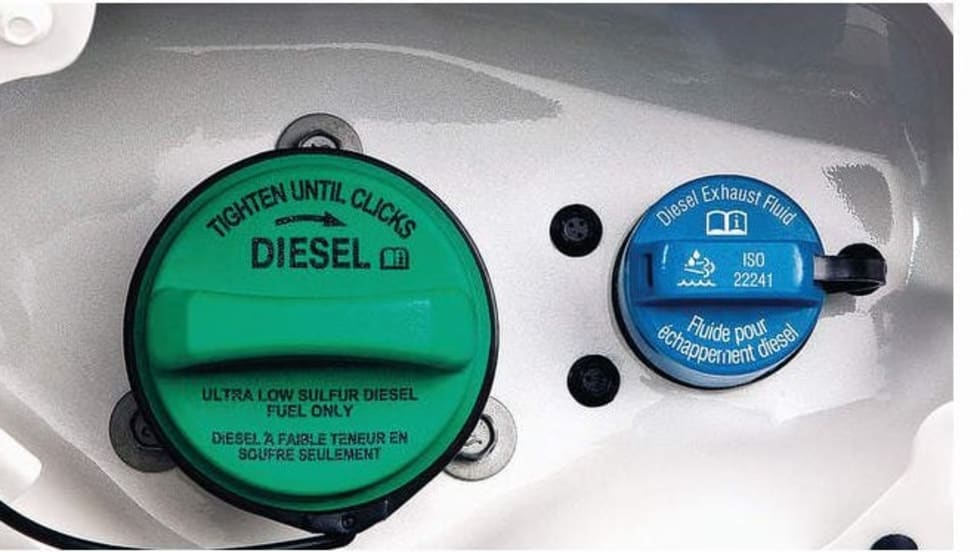
How to Purchase, Store & Handle Diesel Exhaust Fluid
Diesel engine vehicles can be damaged by using low quality diesel exhaust fluid (DEF). Repairs can be very expensive with long downtime possible, and damage could void the manufacturer’s warranty.
Read More →
Navigating the Rise in IRS Mileage Reimbursement for Fleet Management
Budgeting for fleet vehicles is more pronounced than ever. Here is how to navigate IRS mileage reimbursement for fleet management.
Read More →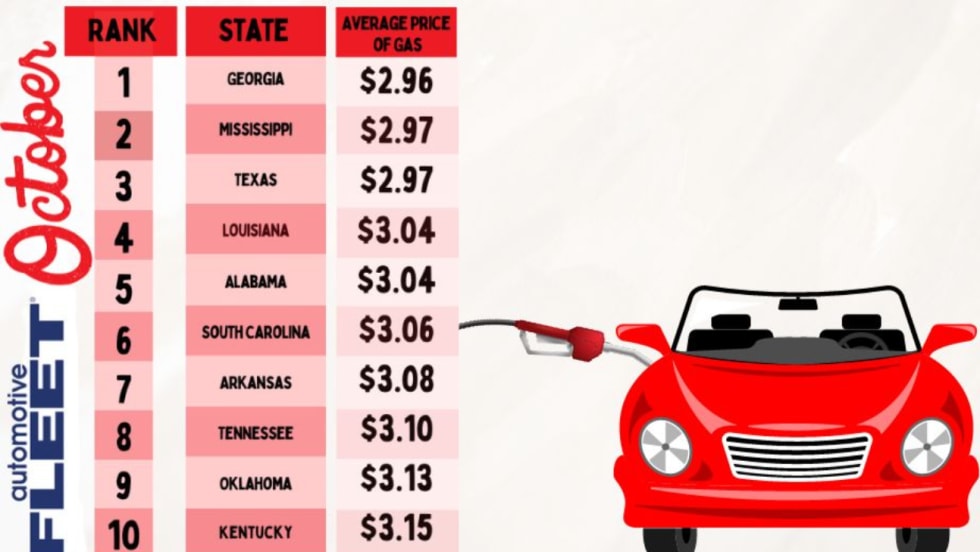
2023 Gas & Diesel Updates for October
With how often fuel costs change based on any number of factors, how much has it changed within one month?
Read More →
ICE Technology Isn’t Dead — Look for These Gains Ahead
A new report provides a summary of comprehensive research focused on improving the internal combustion engine efficiency and emissions.
Read More →
WEX Announces Plans to Acquire Exxon Mobil Business Card Portfolio
The acquisition broadens WEX’s footprint with small business customers that typically fuel at the same stations near their home base.
Read More →