


NHTSA Finalizes Rule Resetting Fuel Economy Standards: What Small Fleets Should Know
Will your next work vehicle cost less to buy but more to fuel? NHTSA's new fuel economy rule puts both numbers in play.

NHTSA has finalized a rule revising Corporate Average Fuel Economy (CAFE) standards for passenger cars and light trucks, model years 2022 to 2031.
Business Fleet
- NHTSA has finalized a rule that adjusts fuel economy standards, impacting vehicle purchase and fuel costs.
- Small fleet operators should expect potential changes in the economic trade-offs between initial vehicle costs and ongoing fuel expenses.
- The new rule may affect budget planning for businesses relying on fuel efficiency and operational cost management.
*Summarized by AI
The National Highway Traffic Safety Administration (NHTSA) has finalized a rule revising Corporate Average Fuel Economy (CAFE) standards for passenger cars and light trucks for model years 2022 to 2031. The standards set fuel economy targets that automakers must meet across their overall vehicle lineups.
What's Changing?
- Fleet target: NHTSA estimates the new standards would achieve a fleet average of 34.9 mpg by model year 2031, compared with 30.1 mpg for model year 2024.
- Vehicle classification: Beginning in model year 2030, vehicles will be classified by their intended use. NHTSA says this will shift the current mix of roughly 70% light trucks and 30% passenger cars to roughly the reverse.
- Credit trading: The CAFE credit trading program, which lets automakers buy and sell compliance credits, will be eliminated beginning in model year 2028.
NHTSA estimates the rule would lower the average cost of a new vehicle by about $1,300 and reduce projected annual oil consumption in 2050 by roughly 1.3 billion barrels compared with 2024. Environmental groups, including the Natural Resources Defense Council (NRDC), have criticized the rule, arguing it weakens fuel economy requirements and will raise fuel costs.
NRDC cites a NHTSA proposal estimate of about $1,400 in additional lifetime fuel costs for the average driver, and has said it believes the rule violates the law.
What Could This Mean For Small Business Fleets?
The rule's real-world impact will depend on how automakers respond, but here are a few things fleet owners may want to keep in mind.
- Purchase price vs. operating cost: The two estimates above measure different things, one upfront cost and the other fuel spending over a vehicle's life. For a fleet, the net effect depends on how many miles each vehicle drives and what fuel costs. High-mileage vehicles are more sensitive to fuel economy.
- Timing: Changes phase in by model year, so near-term purchases are unlikely to look very different. Classification changes don't begin until model year 2030, and credit trading ends in 2028.
- Vehicle availability: NHTSA says the classification change could encourage more small cars, hatchbacks, and wagons. How automakers respond, including for pickups, vans, and crossovers commonly used by small businesses, remains to be seen.
- Scope: The rule covers passenger cars and light trucks. Heavier commercial vehicles are regulated under separate programs.
- Possible legal challenges: NRDC has signaled it may contest the rule, so the final outcome could still change.
Fleet owners may want to:
- Run total cost of ownership comparisons that include fuel, not just sticker price
- Test fuel price scenarios (for example, what a $1 swing per gallon does to annual costs)
- Track fuel use per vehicle to see where efficiency matters most
The final rule is available on NHTSA's website.
Quick Answers
The purpose is to reset fuel economy standards, potentially lowering the upfront cost of vehicles while impacting fuel efficiency.
*Summarized by AI
More Fuel

WEX Brings Standard Fleet's Connected Vehicle Platform to Fleet Customers
This week’s product launch with Standard Fleet’s connected vehicle platform reflects WEX Venture Capital's strategy of turning startup innovation into customer solutions. Standard Fleet is now available to WEX fleet customers.
Read More →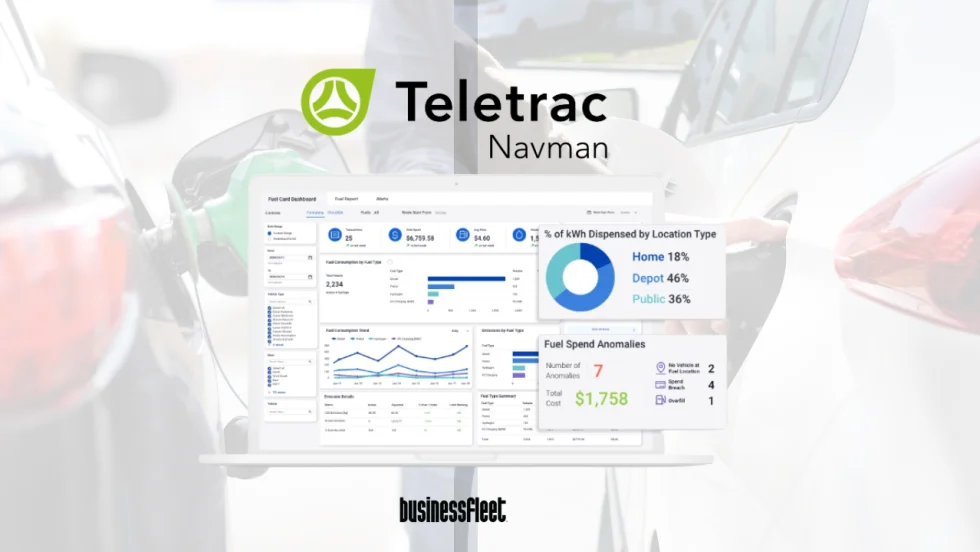
Teletrac Navman Adds Mixed-Energy Tracking to TN360
Energy Hub combines fuel card data, EV charging activity, reimbursements, and vehicle energy use in one dashboard for fleets operating gasoline, hybrid, and electric vehicles.
Read More →
Fillip Fleet Brings Digital Fuel Management to Small Business Fleets in the U.S.
Fillip Fleet launches in the U.S., offering small business fleets digital fuel cards, spend controls, and fast onboarding without vehicle minimums.
Read More →
How Drivers Can Improve Fuel Efficiency
By knowing and practicing some driving and maintenance tips, drivers can increase their trucks’ gas mileage, boost their vehicles’ overall performance, and save money for the company.
Read More →
Choosing a Fuel Card for Your Fleet: 6 Features to Consider
Fuel cards are a useful tool for fleets to stay organized and improve driver efficiency. Try out these tips for choosing the right card for your fleet!
Read More →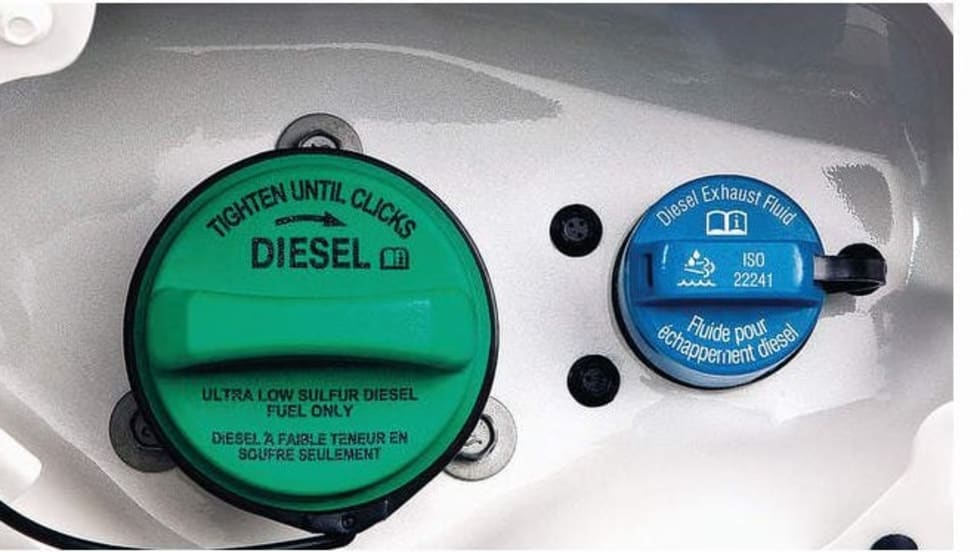
How to Purchase, Store & Handle Diesel Exhaust Fluid
Diesel engine vehicles can be damaged by using low quality diesel exhaust fluid (DEF). Repairs can be very expensive with long downtime possible, and damage could void the manufacturer’s warranty.
Read More →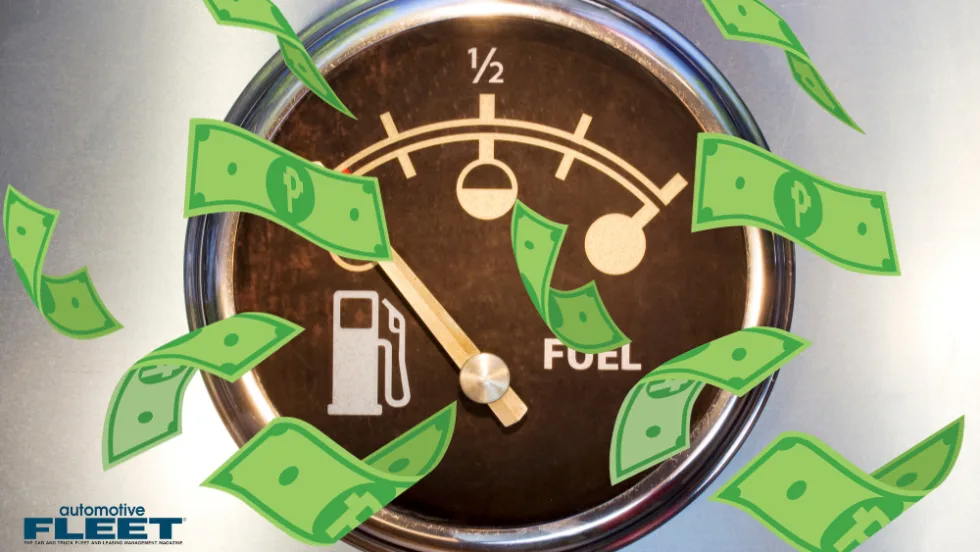
Navigating the Rise in IRS Mileage Reimbursement for Fleet Management
Budgeting for fleet vehicles is more pronounced than ever. Here is how to navigate IRS mileage reimbursement for fleet management.
Read More →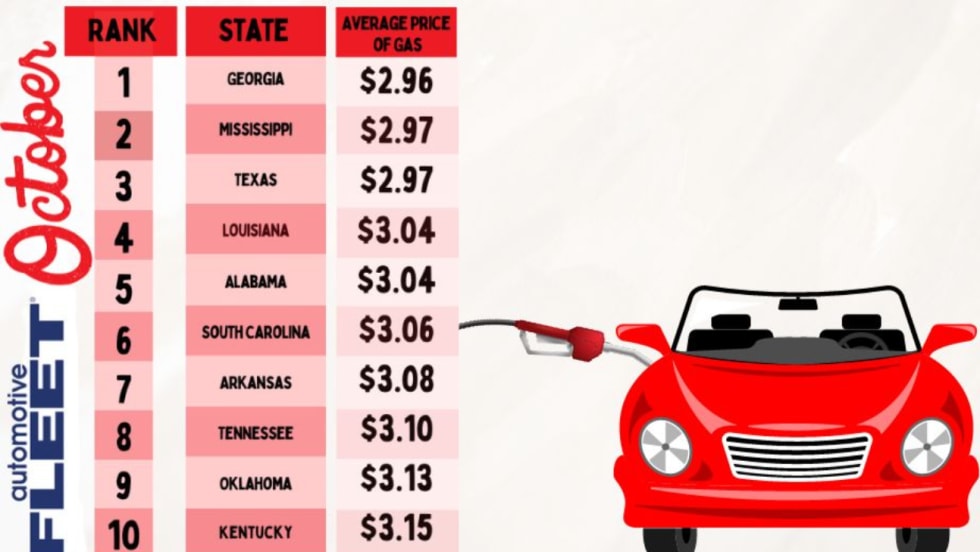
2023 Gas & Diesel Updates for October
With how often fuel costs change based on any number of factors, how much has it changed within one month?
Read More →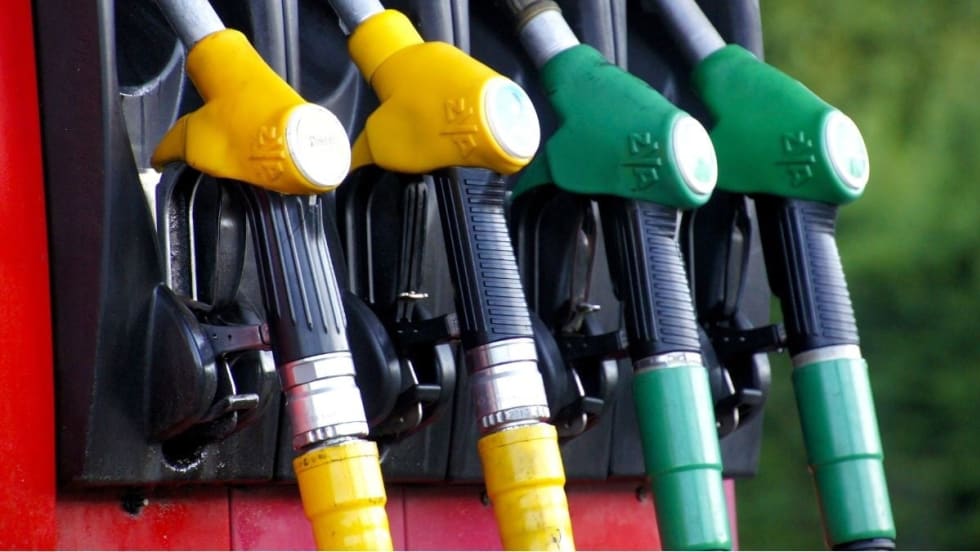
ICE Technology Isn’t Dead — Look for These Gains Ahead
A new report provides a summary of comprehensive research focused on improving the internal combustion engine efficiency and emissions.
Read More →
WEX Announces Plans to Acquire Exxon Mobil Business Card Portfolio
The acquisition broadens WEX’s footprint with small business customers that typically fuel at the same stations near their home base.
Read More →