


How High's the Gasoline, Mama? Up 20% and Rising
As I write this in April, gasoline -- lifeblood of the economy -- is 20% more expensive than just a month ago.


After almost a decade of touting fuel cell technology as the ultimate replacement for the internal combustion engine, automakers are slowly starting to actually sell a few fuel cell-powered vehicles.
Photo: Work Truck
As I write this, gasoline -- lifeblood of the economy -- is 20% more expensive than just a month ago. That's like finding out that the sport utility vehicle you want is now $30,000 instead of $25,000, or that the suit you're planning to buy is $600, not $500. The bad guys in this case aren't obvious, as USA Today has pointed out.
The big fuel-price climb is due mainly to a complicated switch to summer-blend fuel from winter blend, required by federal air pollution regulations; by the routine and seasonal rise in crude-oil prices; and by a strike in Venezuela that's keeping oil off tankers.
Unrest in the Middle East
An additional factor that may make fuel prices rise even higher is the Iraqi oil embargo announced by President Saddam Hussein. Iraq's former archenemy Iran quickly indicated its willingness to join an Arab oil embargo to protest the recent Israeli takeover of Palestinian territory. Libya, led by Col. Muammar Qaddafi, also expressed support for using oil as a weapon.
Israel has in the past weeks invaded several Palestinian strongholds on the West Bank in response to a wave of suicide bombings by Palestinian terrorists.
Even before Saddam's announcement and Iran's apparent willingness to go along with him, oil industry analysts were predicting the third-highest summer gas prices in history. But if a general Arab oil embargo takes shape, all bets are off.
Let This Be A Lesson
All of this serves to point up just how vulnerable the United States is to events beyond its control.
Wars, strikes, and tensions outside our own borders can have big effects on the American economy. We learned this in the 1973 Arab oil embargo, and we got refresher courses with the Gulf War in 1991 and with the current situation in the Middle East.
How Do We React?
The question at this point becomes, what can we do about this vulnerability? Being able to chart our economic course without taking into account what might or might not happen in a very unstable region -- which just happens to contain the planet's biggest oil fields -- would help. Taking a look at the other major oil producers -- Russia and Venezuela, for instance -- isn't very reassuring. Those countries haven't exactly been paragons of stability lately.
After almost a decade of touting fuel cell technology as the ultimate replacement for the internal combustion engine, automakers are slowly starting to actually sell a few fuel cell-powered vehicles.
The automakers are staying with their long-held estimates that mass-produced, widely available fuel cell vehicles will not be possible until 2010 at the earliest, mainly due to cost, infrastructure and safety challenges.
Given the current political climate in the Middle East and elsewhere, that sounds like a very long time. Putting fuel cell research on the fast track would be a wise course of action.
You may be asking, "But what can I do THIS month to lower my fuel costs?" Fuel management programs are the way to go for immediate and measurable savings. Many firms have reported savings of between 10 and 20 percent on their monthly fuel bills.
Originally posted on Work Truck Online
More Fuel
NHTSA Finalizes Rule Resetting Fuel Economy Standards: What Small Fleets Should Know
Will your next work vehicle cost less to buy but more to fuel? NHTSA's new fuel economy rule puts both numbers in play.
Read More →
WEX Brings Standard Fleet's Connected Vehicle Platform to Fleet Customers
This week’s product launch with Standard Fleet’s connected vehicle platform reflects WEX Venture Capital's strategy of turning startup innovation into customer solutions. Standard Fleet is now available to WEX fleet customers.
Read More →
Teletrac Navman Adds Mixed-Energy Tracking to TN360
Energy Hub combines fuel card data, EV charging activity, reimbursements, and vehicle energy use in one dashboard for fleets operating gasoline, hybrid, and electric vehicles.
Read More →
Fillip Fleet Brings Digital Fuel Management to Small Business Fleets in the U.S.
Fillip Fleet launches in the U.S., offering small business fleets digital fuel cards, spend controls, and fast onboarding without vehicle minimums.
Read More →
How Drivers Can Improve Fuel Efficiency
By knowing and practicing some driving and maintenance tips, drivers can increase their trucks’ gas mileage, boost their vehicles’ overall performance, and save money for the company.
Read More →
Choosing a Fuel Card for Your Fleet: 6 Features to Consider
Fuel cards are a useful tool for fleets to stay organized and improve driver efficiency. Try out these tips for choosing the right card for your fleet!
Read More →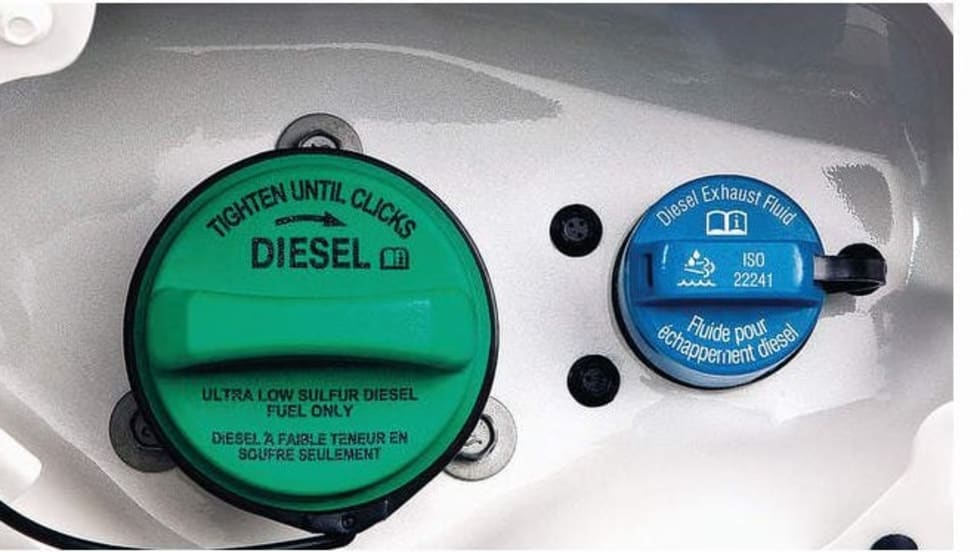
How to Purchase, Store & Handle Diesel Exhaust Fluid
Diesel engine vehicles can be damaged by using low quality diesel exhaust fluid (DEF). Repairs can be very expensive with long downtime possible, and damage could void the manufacturer’s warranty.
Read More →
Navigating the Rise in IRS Mileage Reimbursement for Fleet Management
Budgeting for fleet vehicles is more pronounced than ever. Here is how to navigate IRS mileage reimbursement for fleet management.
Read More →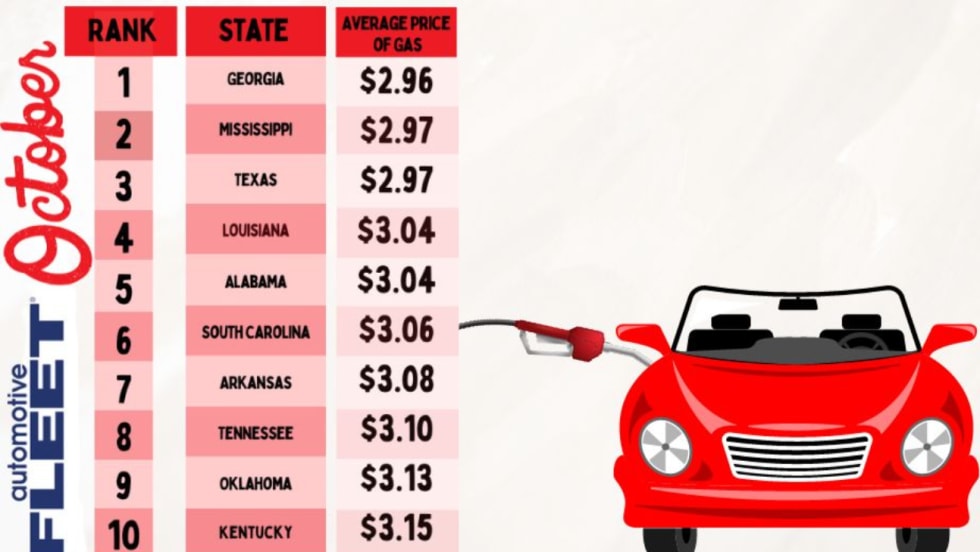
2023 Gas & Diesel Updates for October
With how often fuel costs change based on any number of factors, how much has it changed within one month?
Read More →
ICE Technology Isn’t Dead — Look for These Gains Ahead
A new report provides a summary of comprehensive research focused on improving the internal combustion engine efficiency and emissions.
Read More →