


How to Choose the Right Rental Truck for Your Commercial Fleet Needs
If the exact replacement truck isn’t immediately available, consider alternative vehicle types that could satisfy your temporary needs.
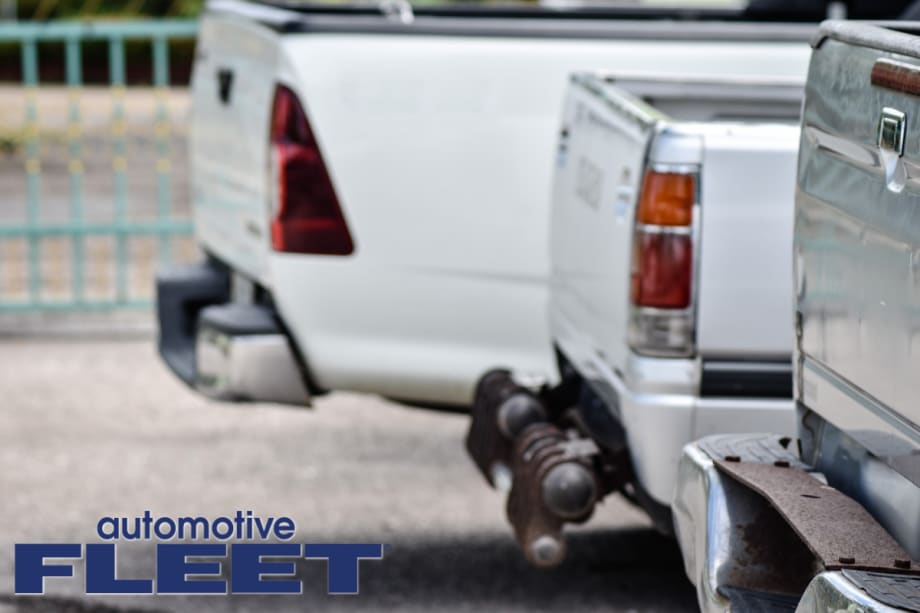
Did you know that cargo vans and box trucks have similar tow ratings to pickups? If you need to tow but a pickup isn’t available, consider renting a cargo van or box truck.
Photo: Canva/Automotive Fleet
One of the realities of managing a fleet is that transportation demands may change throughout the year due to increased or varied vehicle needs. Or perhaps you may require different types of commercial rental trucks to accommodate a seasonal business or project.
Whether you need one truck or a few dozen, this guide will help you determine which rental truck options are best for your commercial fleet needs.
Rental Truck & Vehicle Overview — What’s Available
Just because your fleet consists of, 1-ton trucks doesn’t mean you need to rent the exact same vehicle to supplement your short-term fleet goals. If it’s exactly what you need — great. But there are also a variety of makes and models available from top manufacturers that might better satisfy your temporary needs.
Here is a list of vehicles to consider:
Service body vehicles. If your fleet relies on crane trucks but needs additional support, many fleet managers rent service body trucks. Although these do not have boom functionality, you'll still get the storage you need. This is also an excellent choice for storing all kinds of tools and an ideal short-term solution for utility workers.
Passenger vans. These are excellent short-term rental options, especially if you are looking for maximum seating and better fuel economy.
Cargo vans and box trucks. If you need good towing capabilities, consider a cargo van or box truck, both of which offer similar payloads to pickups.
Flatbeds. With flatbeds, there is less of a chance of damaging the sides of a vehicle if you are lifting and transporting any heavy items (which will result in additional charges during offboarding, which no one wants.)
Flatbeds with gooseneck hitches. If you need even extra towing capacity, this is an excellent option, especially if you are looking to haul trailers, RVs, or additional cargo.
Light-duty (½-ton) trucks and cargo vans. These types of vehicles are ideal for lighter projects like moving furniture.
Heavy-duty (¾-ton) trucks. If you’re in the market for a vehicle with enhanced towing capabilities and four-wheel drive, a heavy-duty truck is an excellent option. In crew cab models, the backseats can also be used to store tools. Instead of purchasing a tonneau cover, you can fold the seat up to provide protection and cover.
1-ton trucks. A 1-ton pickup truck offers excellent payload and towing capabilities. If you aren’t sure whether you need maximum payload and towing capabilities, it’s always best to err on the side of caution. If you don’t secure the right type of truck, you could risk damaging the suspension, brakes, or tires — which can be dangerous and also result in thousands of dollars’ worth of repairs.
Electric trucks. Since electric vehicles are rising in popularity, now might be the optimal time for fleet managers to pilot test an EV program. This is an opportunity to see what works (and what doesn’t) in the real world when it comes to EVs, without the fear of major issues impacting your operations. Electric vehicles are also an excellent way for a company or organization to help meet ESG — environmental, social, and governance — goals.
4 Tips for Choosing the Right Truck Rental
Before you sign a rental agreement, keep these tips and considerations in mind so that you can find the right vehicles for your short-term needs.
Do your research. Make a list of your needs and goals — and be specific. What is your budget? Are you partial to any manufacturers? Are there specific safety features or capabilities you require to complete a particular project? Will you be hauling or towing anything? In the end, you want to make sure you have the right assets for the job.
Talk to your team. Ask your colleagues about their vehicle needs and requirements. Will they be traveling off-road? Carrying tools or specialty types of cargo? Do they require four-wheel drive? How many passengers will they be transporting? Do they need more of a luxury vehicle with leather seats? You may already know this information, but it doesn’t hurt to double-check.
Consider the size and use of your vehicle. This may sound like fleet management 101, but think about what you actually need versus what might be nice to have. If you don’t require a large heavy-duty truck, stick with a more compact option like a ¼-ton Chevy Colorado that can fit more easily in smaller spots. Plus, if you can use a smaller vehicle, you will save on fuel and acquisition costs. Also, don’t rule out passenger vans, which can not only be used for storage, but also for seating up to 15.
Remember that upfits can also be temporary. Upfits are often essential for many professions and industries, and just because you are renting a vehicle doesn’t mean you can’t work with a fleet management company to make the adjustments you need for a single job. For example, you can add magnetic deals, toolboxes, temporary strobe lights, temporary fuel boxes for extra range, and plug-in telematics devices to enhance and maintain driver safety.
There are a lot of options when it comes to rentals, which is why it’s always best to consult with a fleet management expert for the most up-to-date information and advice. In the end, you want vehicles that not only fit your budget and short-term needs but also optimize fleet efficiency. As an added bonus, rentals are an excellent way to test out different vehicles that may become part of your long-term fleet management solution.
About the Author: Russ Williams serves as manager of Truck Rental at Merchants Fleet. In his role, Williams uses his mobility and rental expertise to further develop and innovate Merchants’ industry leading truck rental program. His team of truck rental account specialists work with clients to offer flexible solutions to their medium- and heavy-duty truck needs.
Originally posted on Automotive Fleet
More Operations

Small Fleet Lessons That Can Make a Big Difference | Business Fleet Brief
From used-vehicle costs and lost keys to safety tech and replacement planning, this Business Fleet Brief breaks down practical lessons that can make a big difference for small fleets.
Read More →
Automotive Fleet Opens 2026 Personal Use Survey for Commercial Fleet Managers
Less than two weeks left! Commercial and corporate fleet managers are invited to share how their organizations handle company vehicle personal-use policies, charges, and driver eligibility.
Read More →
You Do Not Have to Be a Big Business to Build the Next Generation
Small businesses may not have the biggest budgets or the biggest fleets, but they do have something powerful. They are close to the communities they serve, and that makes them uniquely equipped to help shape the next generation of automotive and fleet talent.
Read More →
How Small Fleets Can Stop Losing Time to Lost Keys
Lost keys can mean delayed jobs, idle vehicles and unexpected replacement costs. See how small fleets are using digital key management to keep vehicles moving and improve accountability.
Read More →
How to Build Custom Fleet Tools With AI and Vibe Coding [Webinar]
A new Automotive Fleet webinar explores how fleet managers are using AI and vibe coding to automate routine work and create simple operational tools without traditional programming skills.
Read More →
You May Be a Fleet Manager (Even If No One Told You)
Managing vehicles may not be your full-time job, but the costs, risks, and responsibilities are still very real. Business Fleet In Motion is here to help small and growing businesses make smarter fleet decisions without needing a full fleet department.
Read More →
Fleet Management Without a Fleet Department?
No fleet department? The work still has to get done. Learn how to prioritize your most critical vehicles, catch problems before they become downtime, and build a simple routine that keeps your small fleet moving.
Read More →
Why the IRS Raised Its Mileage Rate in the Middle of 2026
Fuel-price volatility drove the rare increase to 76 cents per mile, the fifth midyear adjustment since 2000.
Read More →
What Fleet Legends Wish Every Small Fleet Manager Knew
Twelve fleet leaders share the lessons they learned the hard way on leadership, communication, relationships, and building a stronger fleet.
Read More →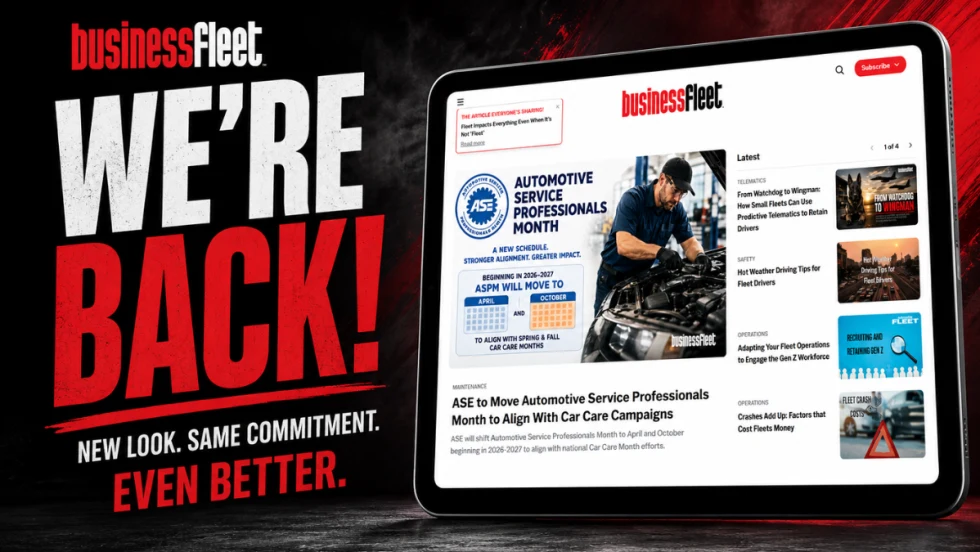
We're Back! Business Fleet Returns With a Fresh New Look
Check out our redesigned website with a faster experience and a renewed commitment to serving small fleet professionals.
Read More →