


Operating Expenses for Medium-Duty Trucks Increase
The high cost of fuel was the key reason for increased operating expenses. The spike in fuel prices also contributed to the higher cost of replacement tires and, indirectly, to higher maintenance expenses.
March 1, 2007


Although all operating expense categories witnessed an increase, the underlying cause was the increased cost of fuel.
Photo: Work Truck
4 min to read
Operating costs for medium-duty trucks in utility/railroad, delivery, and service company fleets increased for preventive maintenance (PM), replacement tires, repairs, and especially fuel. This assessment is based on a study of the operating expenses for 35 medium-duty truck fleets, which cumulatively operate 10,857 medium-duty trucks.
The study, conducted by GE Commercial Finance Fleet Services, tracked operating expenses between Jan. 1 to Dec. 31, 2005, for Classes 3-6 trucks rated 10,001 to 20,000 lbs. GVW.
Although all operating expense categories witnessed an increase, the underlying cause was the increased cost of fuel.
“The high cost of fuel impacted not only the cost of the fuel itself but also all other costs associated with it,” said Dan Kratz, truck operations manager for GE Commercial Finance Fleet Services. “For example, high fuel prices increased the cost of mobile fueling services along with other PM expenses.”
The cost increases indirectly caused by higher fuel prices created inflationary pressures throughout the supply chain.
“It is a trickle-down effect,” said Eric Strom, maintenance product manager for GE Commercial Finance Fleet Services. “The increased cost of fuel is passed on from suppliers to the repair shops. Maintenance shops are charging more, due to the indirect expense of higher fuel prices.”
Another indirect expense associated with higher fuel prices has been the increase in replacement tire costs.
One mitigating factor is that truck tire technology is increasing tire tread life. “The average tread life for a medium-duty truck hauling its maximum load is about 80,000 miles, compared to 50,000 miles 15 years ago,” said Eric Hjerpe, customer reporting manager for GE Commercial Finance Fleet Services.
The trend for fuel economy in medium-duty trucks is complicated with the introduction of the 2007 diesel emission standards. Fuel economy is lower with 2007 engines. “We are not only anticipating lower miles per gallon, but also increased fuel costs due to the higher cost of ultra-low sulfur diesel required for those engines. Additional PM costs for special motor oils necessary for the hotter-running 2007 engines and replacement of diesel particulate filters will also increase costs,” said Kratz. “We also anticipate repair costs may go up as these new engines generate a higher heat, which may lead to increased wear and tear.”
“On average, medium-duty trucks are kept in service between 70 to 80 months and approximately 160,000 miles,” said Douglas Smith, truck technical advisor for GE Commercial Finance Fleet Services.
Common service problems for Class 3-6 trucks occurred in fuel and electrical systems. “We have seen an increased amount of electrical problems, in particular with sensors,” said Smith. “Most of these are false alarms, but they result in truck downtime while the problem is diagnosed,” added Smith.
Despite these service issues, overall quality for medium-duty trucks is at an all-time high. “The trucks themselves are built better, are lasting longer, and with the improved quality, require less warranty work,” said Strom.
Modify Truck Specs to Improve Fuel Economy
Reducing fuel expenditures is a key focus for today’s fleet managers.
“Fleet managers are exploring the modification of truck specs to increase miles-per-gallon fuel economy and are adopting key performance indicators to monitor drivers in an effort to curb wasteful fuel consumption,” said Kratz.
Fleets are also investigating the acquisition of more aerodynamic trucks and different driveline components.
“More and more fleets are interested in increasing miles per gallon by modifying truck specifications,” said Strom.
Another fleet initiative is the adoption of anti-idling awareness programs with drivers. “Fleet managers are ordering trucks with idle cutoffs after five to 15 minutes,” said Kratz. “They are also installing telematic systems to monitor fuel usage and employing geofencing products.”
There has also been an ongoing trend to spec automatic transmissions.
“In the medium-duty truck market, approximately 70% of the trucks are spec’ed with automatic transmissions,” said Smith. “Automatic transmissions are being spec’ed for driver retention. Fifteen years ago, you couldn’t find an automatic transmission. Many times it was driver pride, and these drivers didn’t want an automatic.”
However, as the number of new drivers who could operate a manual transmission dwindled, the shift toward automatic transmissions started. As with light-duty trucks, there has been a trend to add some extras to medium-duty trucks.
“The reason was to increase driver retention, but it has affected operating expenses,” said Smith. “Today, there isn’t a truck without air conditioning, but air conditioning uses horsepower and fuel.”
Topics:Medium-Duty TrucksOperating CostsLight-Duty TrucksSpec'ingAutomatic TransmissionVehicle Insights
Originally posted on Work Truck Online
More Vehicle Insights
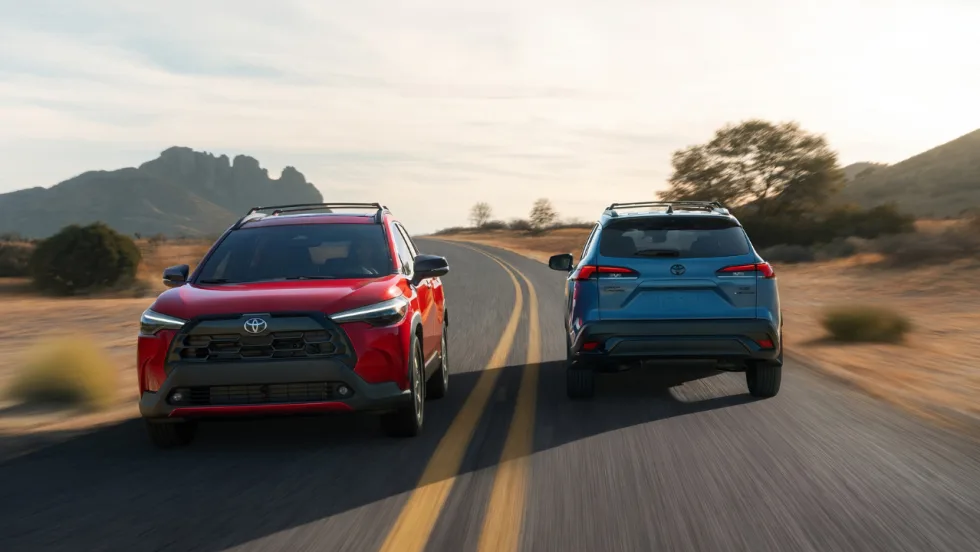
2027 Toyota Corolla Cross Hybrid Returns with 42 MPG
The 2027 Toyota Corolla Cross gives small business fleets gas and hybrid options, available AWD, flexible cargo space, and up to an estimated 42 mpg combined.
Read More →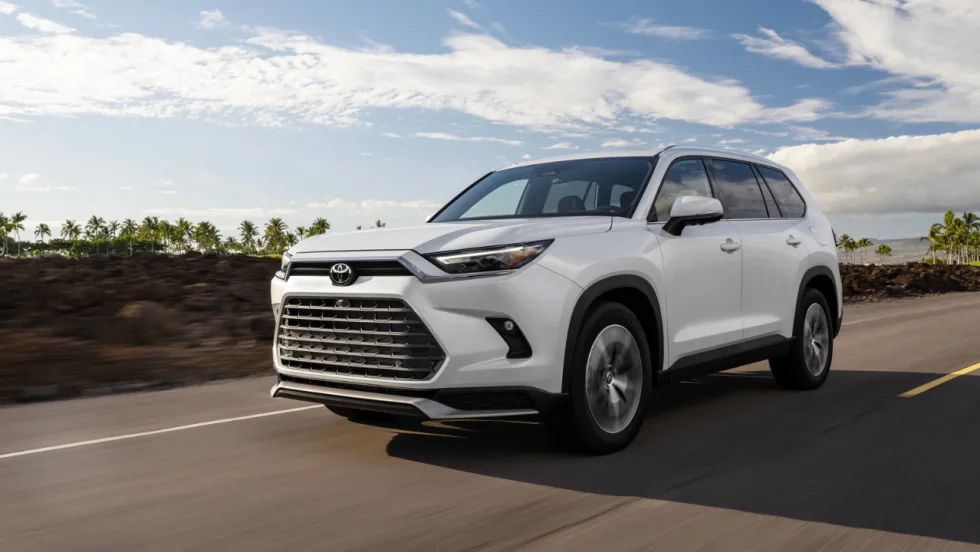
2027 Toyota Grand Highlander Expands Hybrid Options for Small Business Fleets
The 2027 Toyota Grand Highlander offers gas, hybrid, and Hybrid MAX powertrains, up to 97.5 cubic feet of cargo space, and towing capacity up to 5,000 pounds.
Read More →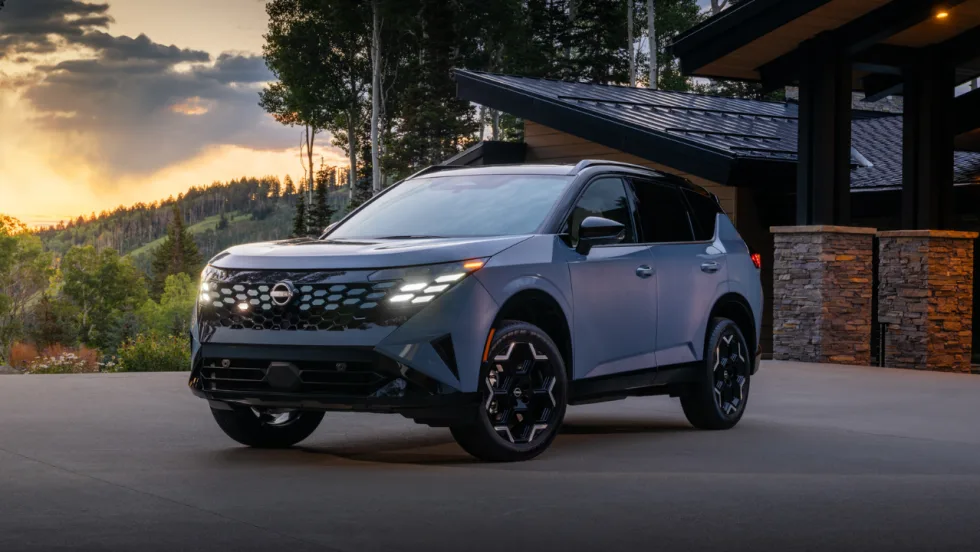
2027 Nissan Rogue Hybrid Brings e-POWER Technology to U.S. Fleets
The 2027 Nissan Rogue Hybrid brings e-POWER technology to the U.S. with standard AWD, up to 38 mpg combined, and a starting MSRP of $35,490.
Read More →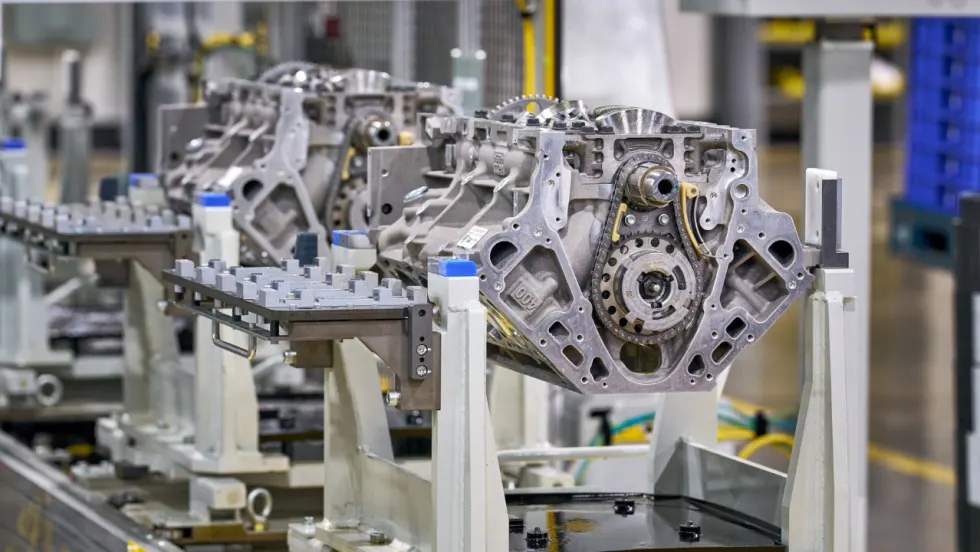
2027 Silverado and Sierra Give Small Fleets Four Ways to Spec a Work Truck
GM’s 2027 Silverado 1500 and Sierra 1500 will offer four powertrains with different strengths in payload, towing, power, and driving range.
Read More →
GM Brings New Truck Focused Interface to 2027 Silverado and Sierra
GM's new pickup interface puts trailering data, camera views, vehicle controls, and smartphone integration closer to the driver in the 2027 Silverado and Sierra.
Read More →
Volkswagen Expands Driver Assistance Features Across 2027 Lineup
Volkswagen is adding lane-change assistance, expanded emergency intervention, pedestrian detection, and updated predictive cruise control features to select 2027 models.
Read More →
2027 Lexus NX Goes All-Hybrid With New Plug-In Range and Business-Friendly Tech
The 2027 Lexus NX goes fully electrified with hybrid and plug-in hybrid options, more than 40 miles of estimated EV range, and new tech that could appeal to small-business fleets.
Read More →
2027 Nissan Kicks Adds Rock Creek Package, Keeps AWD Entry Price Under $25K
The 2027 Nissan Kicks adds a new Rock Creek package with standard AWD, an Off-Road driving mode, and Hill Descent Control, while keeping its entry price under $23,000.
Read More →
2027 Toyota C-HR Offers 287-Mile Range and Standard AWD
Toyota’s 2027 C-HR brings 287 miles of estimated range, standard all-wheel drive, and NACS fast-charging capability to the compact EV market. See what its mix of performance, cargo space, and everyday technology could offer business users.
Read More →
Volvo Trucks Come to American Truck Simulator with an EV First
Volvo’s VNL and VNR Electric join American Truck Simulator, giving small fleets a virtual look at diesel and EV trucking operations.
Read More →Subscribe to Our Newsletter