



What is a good ratio of engine hours to miles? According to Lytx, Engine hours x 60 = Approximate mileage.
Measuring Hours vs. Miles in Medium-Duty Truck Performance
What should your fleet be tracking? To achieve the most accurate insight into the wear-and-tear on a vehicle, fleet managers need to review all performance measurements.
November 10, 2023
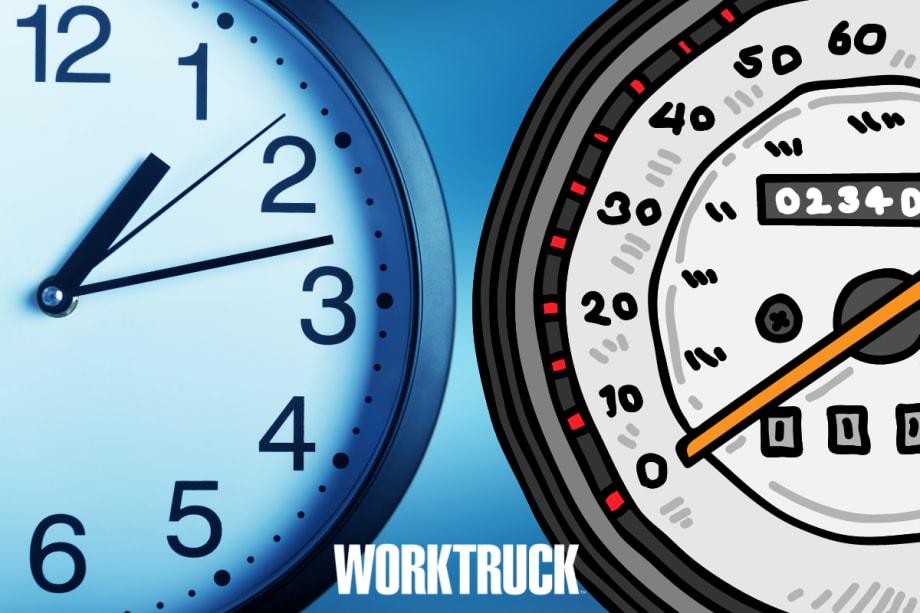
To achieve the most accurate insight into the wear-and-tear on a vehicle, fleet managers need to review all performance measurements.
Photo: Work Truck
6 min to read
Measuring medium-duty truck performance helps fleets effectively manage vehicle replacement strategies, establish optimal preventive maintenance schedules, identify vehicle utilization, and calculate a fleet’s total cost of ownership. However, many (rightly) contend that mileage is not a true indicator of actual vehicle wear and tear.
There are many ways to measure a vehicle's performance. Mileage is a popular option, but trucks are used in many ways. Due to the variety of ways commercial vehicles are operated, fleets and business owners should also consider other performance measurements, including hours of engine operation and gallons of fuel consumed.
Tracking engine hours vs. miles driven is not a new concept. We all know the benefit of using mileage as a performance metric. Many fleets operate under a specific year or mileage replacement policy. So, are hours an essential metric for measuring medium-duty truck performance?
Measuring Performance
Work truck and commercial fleet managers need to remember that, as an engine idles, the wear to consume one gallon of fuel equals driving up to 30 miles. Considering this, it may be more efficient to plan future vehicle replacements or calculate the total cost of ownership based on the hours of engine operation or the amount of fuel consumed over a specific period.
The main benefit of measuring certain factors by hour is using an alternative method to analyze the fleet.
While some fleets know their estimated mileage on any given day, for many (including delivery fleets), mileage will vary significantly across regions. By looking at the cost-per-hour, fleet analysts can better understand the locations and trucks that cost more than their current benchmark.
Additionally, measuring certain factors by hours versus miles helps a fleet manager get more accurate insight into the wear and tear on a vehicle and plan preventive maintenance needs accordingly. Some medium-duty trucks, such as those equipped with power take-off (PTO), have unique applications that may require the vehicle to remain running. These vehicles require constant battery charging and will accrue more time if idling doesn't show up as mileage or utilization.
Installing telematics devices on company vehicles began tracking hours vs. actual miles driven. The added use of telematics was a critical turning point in the hours versus miles debate, as it provided fleets an easier way to track hours rather than simply trusting a driver’s log.
Idling — which came to the forefront thanks to telematics — is one of the main factors that can be analyzed by hours vs. miles.
Medium-duty work trucks perform much of their work at idle, or lower speeds, than passenger vehicles or over-the-road heavy-duty trucks. This means these vehicles will typically have low miles but higher-than-normal hours-per-mile.
Idling in a medium-duty fleet vehicle can use up to a half-gallon of fuel per hour, according to www.fueleconomy.gov.
Why would a fleet manager want to track hours instead of mileage? Idling is one of the main reasons. Consider a utility fleet truck. A fleet vehicle for a utility will likely idle several hours each day while the crane is up. During this time working, mileage isn’t being recorded by the odometer. But, when one hour of idling equals 25-30 miles of driving, all use needs to be properly accounted for.
Idling and PTO operation are not ideal conditions for some vehicle systems. According to Isuzu Commercial Truck of America, "the diesel oxidation catalyst is less likely to achieve temperatures high enough to perform optimal regenerations." This means more manual regeneration is required when the operating temperature is lower than a typical duty cycle.
We all know that engine hour usage creates wear and tear on the engine. Looking at a truck's use by hour takes this into account. Another benefit? In many cases, the truck's PM schedule would be better set with an hour guideline vs. miles as PM ensures the engine and fuel system function properly.
So, Should Fleets Use Hours or Miles?
So, what should fleet managers be measuring, and when? While every fleet would love a hard and fast answer, mileage calculations can still be very effective when determining wear in medium-duty trucks, especially for trucks driven primarily over the road.
As with many " things fleet", the answer depends.
Looking at a truck or vehicle's mileage over time can help commercial fleets determine a standardized replacement schedule. This standardized schedule can help lay out the overall life-of-vehicle performance and pinpoint an ideal time for a replacement.
Hours and miles are essential criteria when determining service timing for a fleet. When looking at how commercial vehicles operate, any systems that directly interface with the engine (fuel, cooling, exhaust, etc.) are clearly impacted by engine hours.
The truck's application is the main factor in measuring by hours or miles.
The Dangers of High Idle Time
The more the truck is used with idle time versus drive time, the more important using the cost per hour is to the fleet. Some fleets find that lower-mileage units (but with higher hour usage) have more maintenance costs than the lower-mileage trucks. The likely cause? The engine wear and tear of vocational equipment is more than a truck driving on a highway.
The determination of tracking by hours vs. miles should be strictly based on the application of the vehicle and that specific fleet. A vehicle with a high frequency of idling will accrue mileage that won’t appear on the speedometer.
Consider one fleet that was experiencing a high number of engine failures. The vehicles in the fleet idle often. Looking at the idle time more carefully, the fleet determined the vehicles should have had three PM visits by that point when reports showed they had only been in once due to mileage.
Another example is aerial bucket trucks, which may only need to travel a few short miles from a depot to where overhead work needs to be performed. When a bucket truck arrives on site, the mileage stops, but the engine continues for up to eight hours. Looking at this example, only a few miles may have accumulated after several weeks, but the hour meter shows true vehicle utilization and may be calling for an oil and filter change. Without looking at the hour meter fleets can only guess when to perform needed services and may be severely underservicing (or at times over-servicing) their units.
With today's oil-life monitoring systems and on-board hour tracking in most modern pickup trucks, tracking hours is far easier than it ever used to be.
So, Miles or Hours?
Measuring a vehicle’s performance can also help determine if it is being fully utilized. The vehicle's required level of use and need will vary among companies and industries. However, mileage accumulated during a specific period can help identify underutilized vehicles and driving patterns that might contribute to maintenance or other issues.
At other times, measuring the amount of fuel consumed or number of engine hours is more accurate. But, as always, measuring performance can give a fleet manager a better understanding of vehicle use, which can offer insight into whether changes may or may not need to be made.
Both hours and miles are valuable metrics for medium-duty fleets to track. While miles may be best for measuring many fleet analytics, hours are important to monitor to ensure total visibility into all aspects of fleet maintenance and measurements.
Editor's Note: This article was originally published in 2014 and has been reviewed and updated for continued relevancy.
Topics:PTOVehicle PerformanceVehicle MileageMedium-Duty TrucksIdle ReductionEngine HoursMaintenance CostsVehicle Insights
Originally posted on Work Truck Online
More Vehicle Insights
2027 Toyota Corolla Cross Hybrid Returns with 42 MPG
The 2027 Toyota Corolla Cross gives small business fleets gas and hybrid options, available AWD, flexible cargo space, and up to an estimated 42 mpg combined.
Read More →
2027 Toyota Grand Highlander Expands Hybrid Options for Small Business Fleets
The 2027 Toyota Grand Highlander offers gas, hybrid, and Hybrid MAX powertrains, up to 97.5 cubic feet of cargo space, and towing capacity up to 5,000 pounds.
Read More →
2027 Nissan Rogue Hybrid Brings e-POWER Technology to U.S. Fleets
The 2027 Nissan Rogue Hybrid brings e-POWER technology to the U.S. with standard AWD, up to 38 mpg combined, and a starting MSRP of $35,490.
Read More →
2027 Silverado and Sierra Give Small Fleets Four Ways to Spec a Work Truck
GM’s 2027 Silverado 1500 and Sierra 1500 will offer four powertrains with different strengths in payload, towing, power, and driving range.
Read More →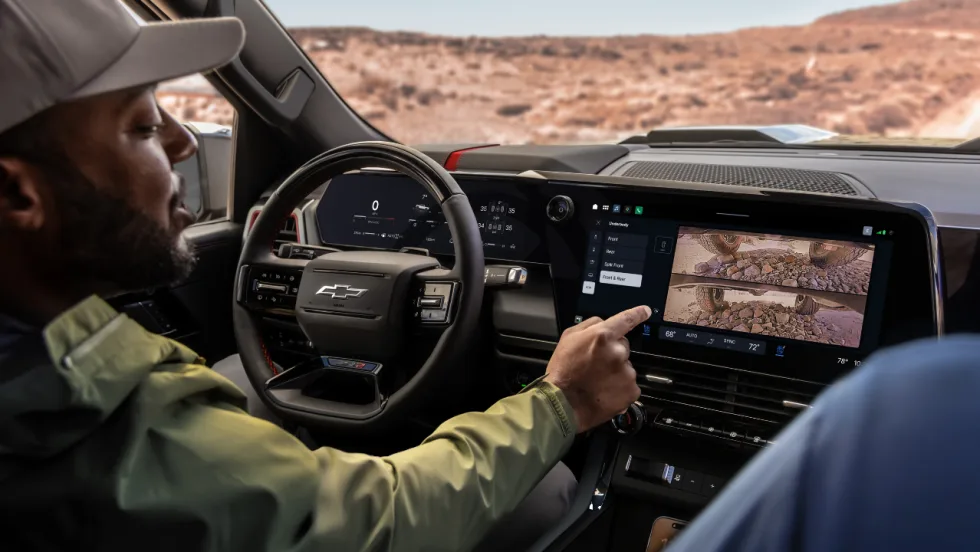
GM Brings New Truck Focused Interface to 2027 Silverado and Sierra
GM's new pickup interface puts trailering data, camera views, vehicle controls, and smartphone integration closer to the driver in the 2027 Silverado and Sierra.
Read More →
Volkswagen Expands Driver Assistance Features Across 2027 Lineup
Volkswagen is adding lane-change assistance, expanded emergency intervention, pedestrian detection, and updated predictive cruise control features to select 2027 models.
Read More →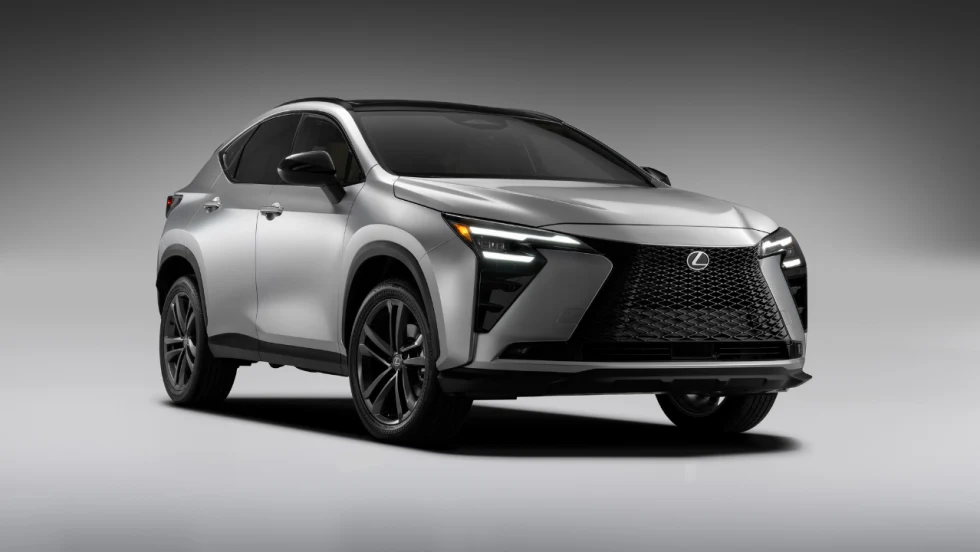
2027 Lexus NX Goes All-Hybrid With New Plug-In Range and Business-Friendly Tech
The 2027 Lexus NX goes fully electrified with hybrid and plug-in hybrid options, more than 40 miles of estimated EV range, and new tech that could appeal to small-business fleets.
Read More →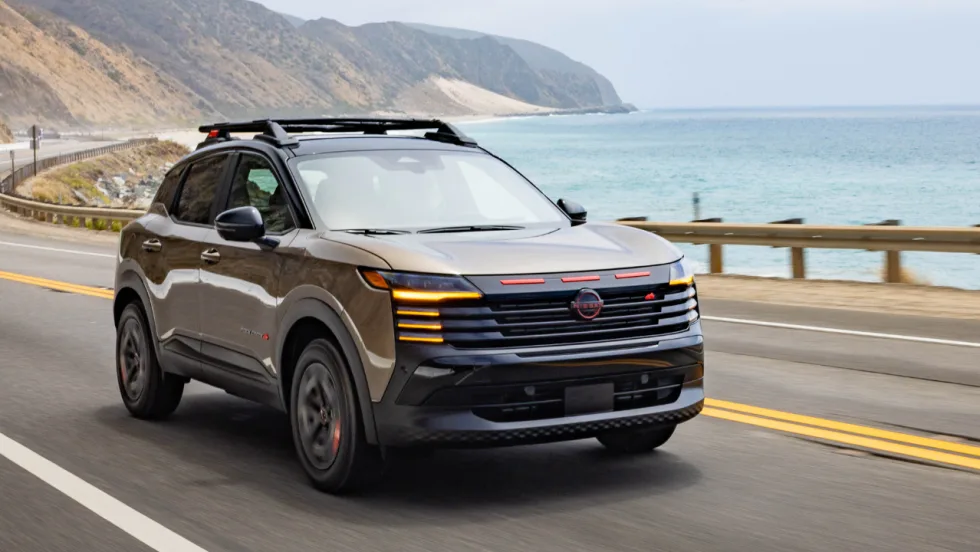
2027 Nissan Kicks Adds Rock Creek Package, Keeps AWD Entry Price Under $25K
The 2027 Nissan Kicks adds a new Rock Creek package with standard AWD, an Off-Road driving mode, and Hill Descent Control, while keeping its entry price under $23,000.
Read More →
2027 Toyota C-HR Offers 287-Mile Range and Standard AWD
Toyota’s 2027 C-HR brings 287 miles of estimated range, standard all-wheel drive, and NACS fast-charging capability to the compact EV market. See what its mix of performance, cargo space, and everyday technology could offer business users.
Read More →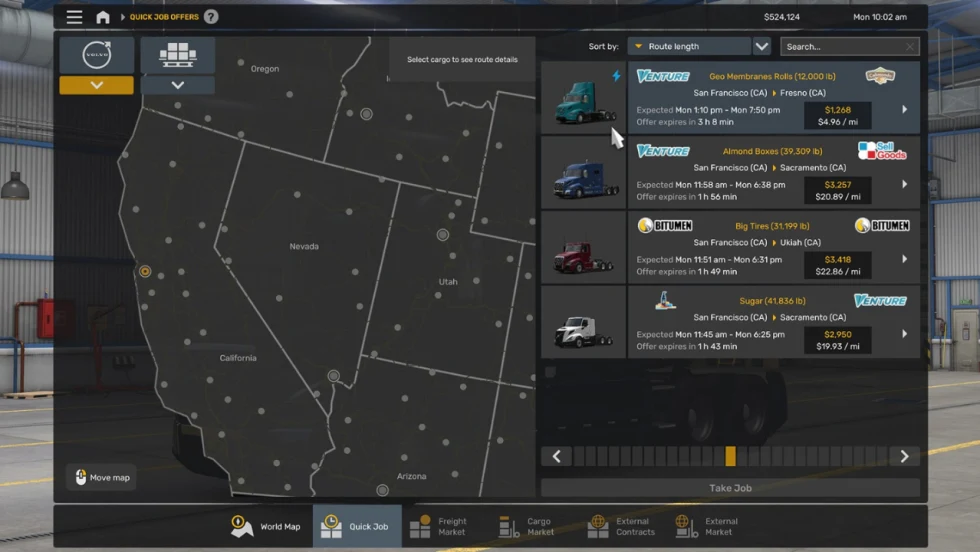
Volvo Trucks Come to American Truck Simulator with an EV First
Volvo’s VNL and VNR Electric join American Truck Simulator, giving small fleets a virtual look at diesel and EV trucking operations.
Read More →Subscribe to Our Newsletter