


Related: Cab-Forward vs. Cutaway Van: Which Vehicle is Better for Delivery Fleets?
Selecting a Cab Chassis vs. Cutaway Chassis
There are numerous considerations to be made the next time you choose between a cutaway or cab chassis. Cab configuration, maneuverability, vehicle class, desired body, off-road frequency, and cost should all play a role in the selection process.
by Knapheide
September 14, 2016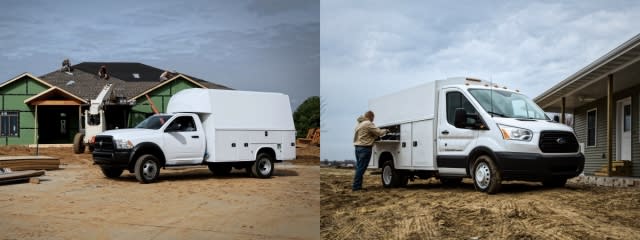
Cab chassis cover that entire span while cutaway chassis are only available as Class 2 through Class 4. If your application calls for a Class 1 or Class 5-8 vehicle, a cab chassis is your only choice.
Photo: Knapheide
3 min to read
Cab or cutaway chassis truck, which do you prefer? In a nation where trucks dominate the commercial vehicle landscape, vehicle manufacturers are launching new European style commercial vans and cutaway chassis at a pace never before seen.
There are numerous considerations to be made the next time you choose between a cutaway vs. a cab chassis truck. Cab configuration, maneuverability, vehicle class, desired body, off-road frequency, and cost should all play a role in the selection process.
Check out the tips about what to look for from our friends at Knapheide!
Cab Configuration - Do you work alone, in pairs, or in a crew? Does your application require cab space for items besides your passenger(s)? Cutaway chassis are limited to regular cab configurations keeping you limited to a driver and one passenger. A chassis cab has broader configuration choices with regular, extended and crew cab options that can accommodate from two to five individuals.
Maneuverability - Does your vehicle typically operate in a rural or metropolitan environment? Metropolitan areas, unlike rural areas, generally contain narrow city streets and congested traffic conditions making maneuverability much more important. Cutaway chassis typically have shorter wheelbases and front hoods, which cuts down on the overall turning radius and improves driver visibility.
Vehicle Class - Commercial vehicles come in all shapes and sizes, from Class 1-8. Cab chassis cover that entire span while cutaway chassis are only available as light-duty Class 2 through Class 4 medium-duty trucks. If your application calls for a Class 1 or Class 5 through Class 8 vehicle, a cab chassis is your only choice.
Drivetrain - Maybe your job requires venturing off-road or you operate in a region that receives a lot of snowfall. Regardless of the reason, some applications require a 4x4 vehicle. If a 4x2 just won't cut it on your job site, stick with a cab chassis.
Body Options - Cab chassis and cutaway chassis are often compatible with many of the same body styles including service and utility bodies, dry or refrigerated boxes, and even flatbeds. Some body styles that are compatible with cab chassis will simply not work with cutaway chassis including dump bodies, gooseneck bodies, crane bodies, and others. Always ensure the body you intend to use will be compatible with the chassis you prefer, which can be achieved by working with an experienced body upfitter.
Cost - Acquisition cost is often a top factor in the decision-making process, as the higher the cost the longer it takes for your return on investment to begin. Selecting similar chassis specifications (engine, wheelbase, cab configurations) and body specifications (body style and length) typically yields a higher total cost with a cab chassis when compared to a cutaway chassis.
Originally posted on Work Truck Online
More Vehicle Insights
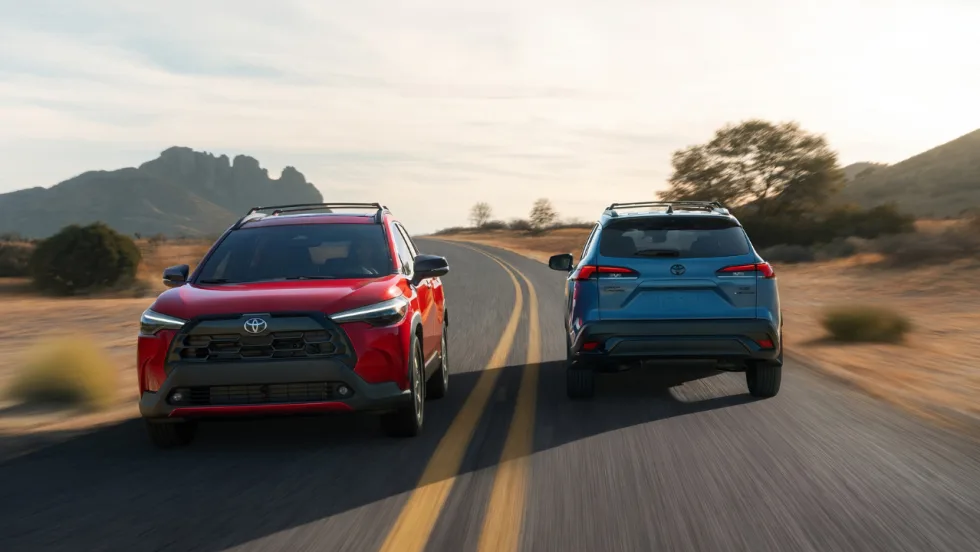
2027 Toyota Corolla Cross Hybrid Returns with 42 MPG
The 2027 Toyota Corolla Cross gives small business fleets gas and hybrid options, available AWD, flexible cargo space, and up to an estimated 42 mpg combined.
Read More →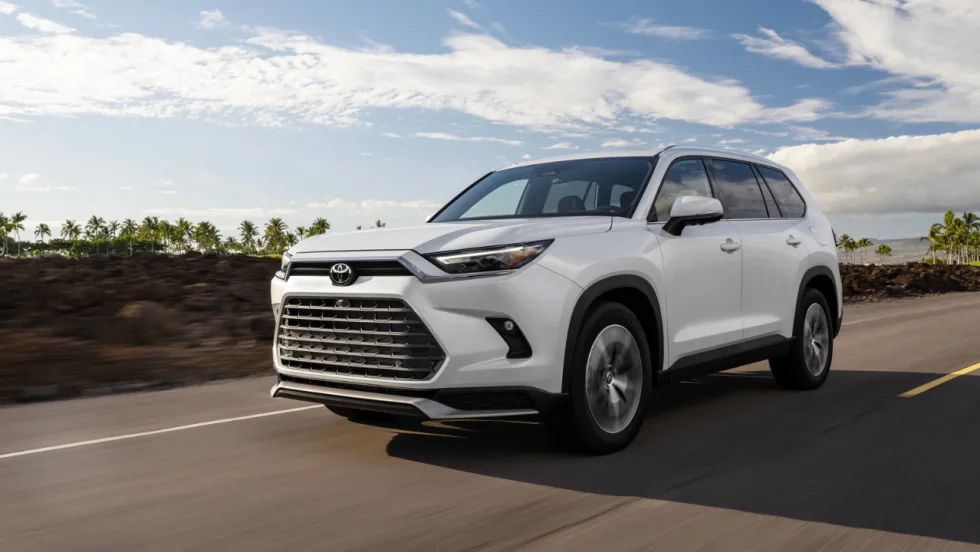
2027 Toyota Grand Highlander Expands Hybrid Options for Small Business Fleets
The 2027 Toyota Grand Highlander offers gas, hybrid, and Hybrid MAX powertrains, up to 97.5 cubic feet of cargo space, and towing capacity up to 5,000 pounds.
Read More →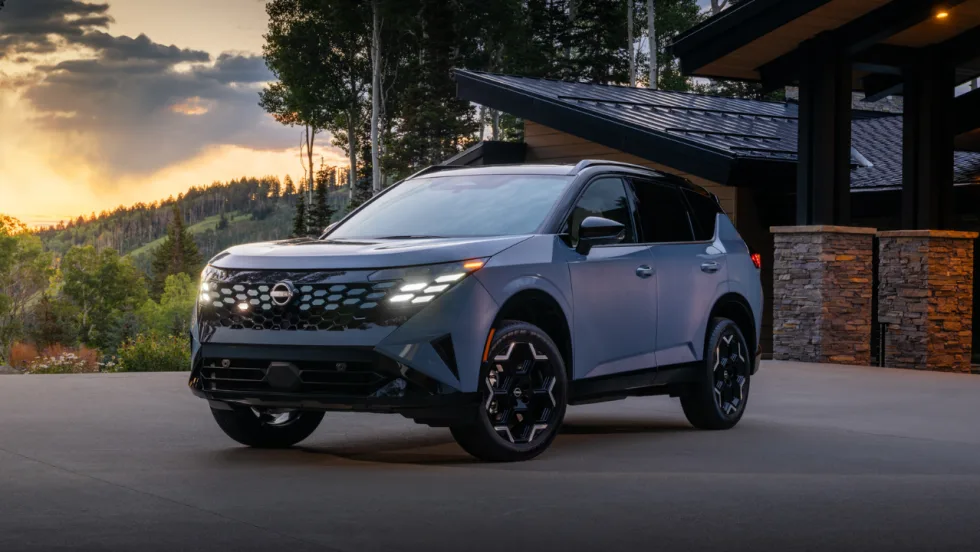
2027 Nissan Rogue Hybrid Brings e-POWER Technology to U.S. Fleets
The 2027 Nissan Rogue Hybrid brings e-POWER technology to the U.S. with standard AWD, up to 38 mpg combined, and a starting MSRP of $35,490.
Read More →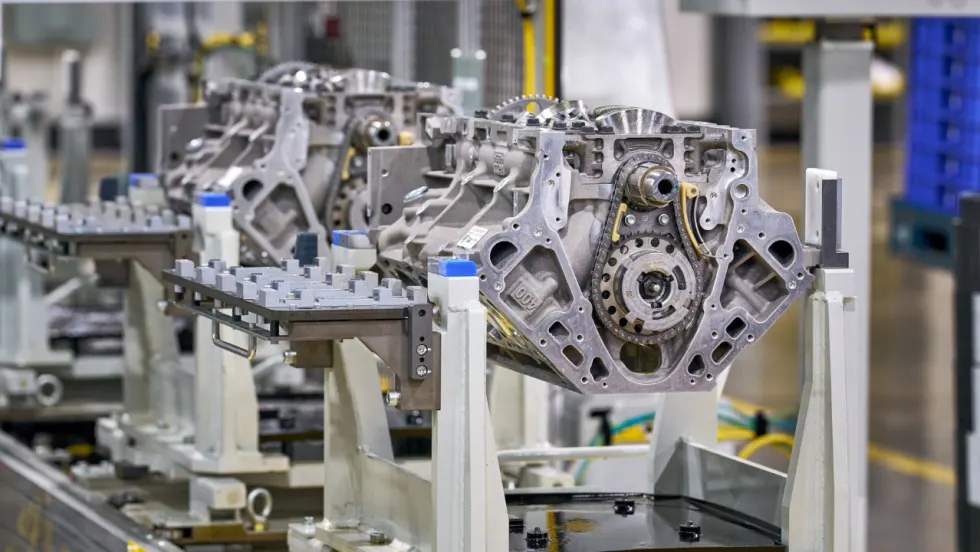
2027 Silverado and Sierra Give Small Fleets Four Ways to Spec a Work Truck
GM’s 2027 Silverado 1500 and Sierra 1500 will offer four powertrains with different strengths in payload, towing, power, and driving range.
Read More →
GM Brings New Truck Focused Interface to 2027 Silverado and Sierra
GM's new pickup interface puts trailering data, camera views, vehicle controls, and smartphone integration closer to the driver in the 2027 Silverado and Sierra.
Read More →
Volkswagen Expands Driver Assistance Features Across 2027 Lineup
Volkswagen is adding lane-change assistance, expanded emergency intervention, pedestrian detection, and updated predictive cruise control features to select 2027 models.
Read More →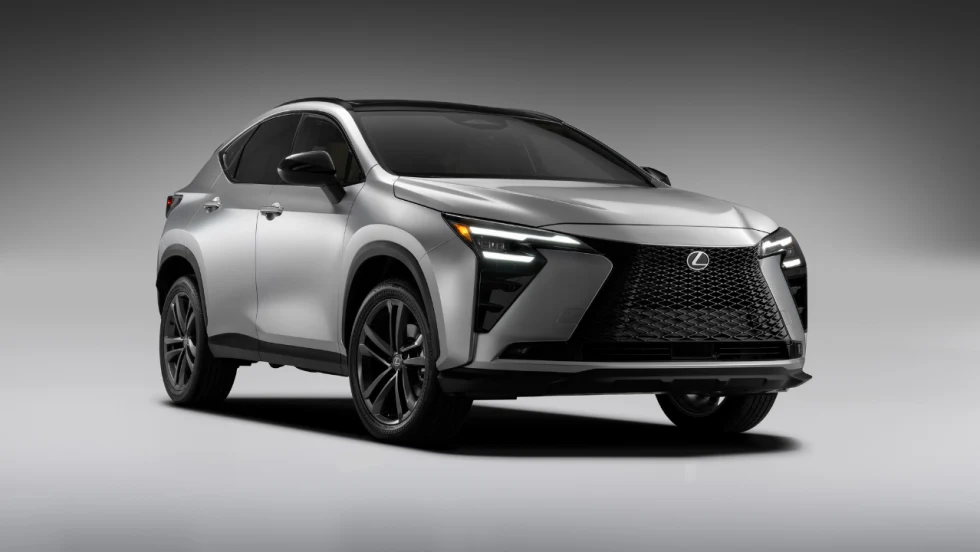
2027 Lexus NX Goes All-Hybrid With New Plug-In Range and Business-Friendly Tech
The 2027 Lexus NX goes fully electrified with hybrid and plug-in hybrid options, more than 40 miles of estimated EV range, and new tech that could appeal to small-business fleets.
Read More →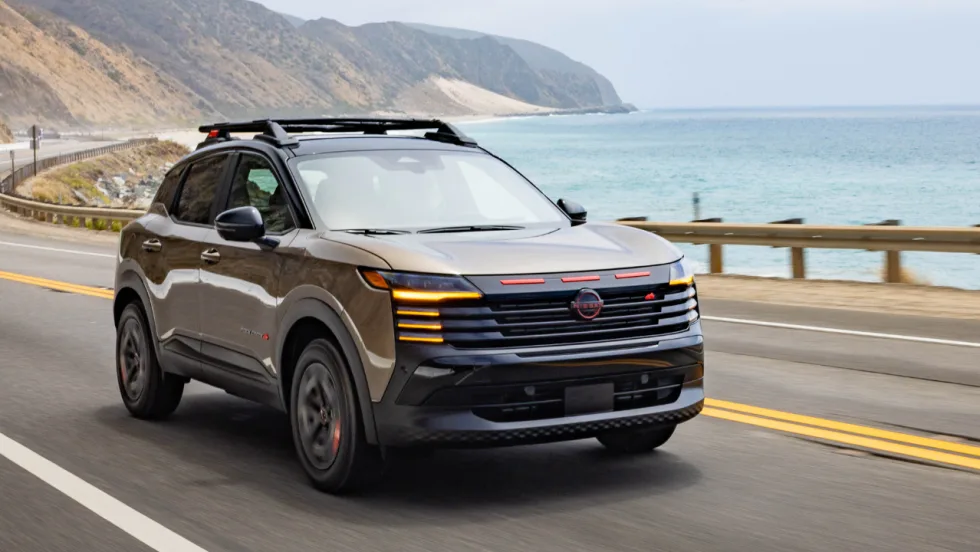
2027 Nissan Kicks Adds Rock Creek Package, Keeps AWD Entry Price Under $25K
The 2027 Nissan Kicks adds a new Rock Creek package with standard AWD, an Off-Road driving mode, and Hill Descent Control, while keeping its entry price under $23,000.
Read More →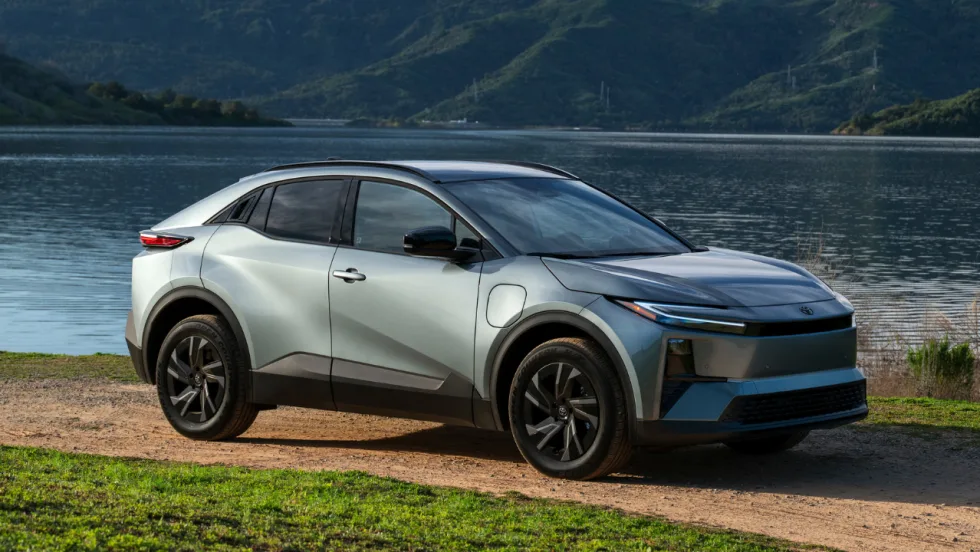
2027 Toyota C-HR Offers 287-Mile Range and Standard AWD
Toyota’s 2027 C-HR brings 287 miles of estimated range, standard all-wheel drive, and NACS fast-charging capability to the compact EV market. See what its mix of performance, cargo space, and everyday technology could offer business users.
Read More →
Volvo Trucks Come to American Truck Simulator with an EV First
Volvo’s VNL and VNR Electric join American Truck Simulator, giving small fleets a virtual look at diesel and EV trucking operations.
Read More →Subscribe to Our Newsletter