


Cars.com Dispels 10 Automotive Myths
This week, Cars.com released a list of 10 common car misconceptions.
1. You should change your oil every 3,000 miles. While advertisers have pushed this myth relentlessly, it’s usually a waste of money to change your oil this often. Most vehicles actually need an oil change about once ever 7,500 miles, more than twice what oil manufacturers and car shops would have you believe. The best way to determine how often your oil needs changing is by looking at the recommended schedule in your owner’s manual.
2. Your car needs a tank of high-octane gas every now and then. This myth used to be of use, since only high-octane gas included the detergents necessary to clean out fuel injectors. Now, though, the EPA requires these detergents in every grade, so you may as well just stick to your vehicle’s recommended octane level.
3. Keep your dashboard and tires wiped down with protectant compounds for that new car shine. No matter what you do, your dashboards and tires are going to lose some of their shine. However, using those “protectant compounds” too much can end up drying out or aging your dashboards faster, as well as discoloring your tires. But the risks aren’t just superficial: overusing protectants can strip the tire of its original protectants, resulting in cracks in the rubber. If you want to keep your car looking sheen, just wipe the dashboard down with a wet cloth, and use mild soap and water on the tires.
4. Leave your automatic transmission in 3 around town, and save “D” for the highway. Since most modern vehicles use transmissions that are quick to kick down into a lower gear, all this ends up doing is lowering your gas mileage.
5. You should shift your automatic transmission into Neutral at red lights. It’s a myth that being stopped in Drive wastes fuel and damages the engine; in fact, regular shifting from Neutral to Drive and immediately stepping on the gas can end up wearing slightly on the transmission, driveline, and engine mounts. If you really want to play with the gear selector, why not buy a stick shift?
6. Luxury logos are important for long-term value. Another myth fueled by powerful marketing messages. In reality, your up-front higher cost isn’t going to be matched by the difference in resale value. Also, your repair bills can be significantly higher (up to four times as much) with a luxury nameplate as with a comparable vehicle.
7. You’re driving safely if you have a hands-free headset while talking on your phone. The bottom line is that talking on a phone while driving is incredibly dangerous, even if you do have both hands available for steering. A fourth of all accidents are caused by driver distraction, with cell phones the biggest factor in that category.
8. You don’t need to wear a seat belt in the back seat. This may not seem to be a hugely prevalent myth, but the fact is that fewer than half of rear-seat passengers wear seat belts, according to NHTSA. This is incredibly dangerous since there often aren’t airbags in the back, and because rear-seat passengers can actually become projectiles themselves, increasing not only their risk, but the risk of the driver and front-seat passenger as well.
9. You should keep your doors unlocked, to ease in rescue after an accident. While this may sound like common sense, NHTSA officials warn that if your door isn’t locked, it’s more likely to open during a collision, allowing you to be thrown clear and placing you at a higher risk. Rescuers know how to get to you: that’s their job.
10. Airbags need aiming. Many drivers waste time fiddling around with their steering column position, pointing the airbag at their head, or moving it closer to them. NHTSA recommends that the steering wheel should be aimed at your chest, and positioned at least ten inches away. You should keep your hands in a 9-and-3 position to avoid having your arms broken by airbag deployment, which can occur if your hand is draped over the top of the wheel.
Originally posted on Work Truck Online
More Operations

Is Your Fleet Making Your Business Money or Quietly Costing It?
Your vehicles keep your business moving, but are they helping your bottom line? From underused vehicles and unexpected downtime to the real cost of completing a job, here's how to find out whether your fleet is working as hard as your business needs it to.
Read More →
Les Schwab Tires Launches Foundation With $100,000 for Community Recovery
Les Schwab Tires launches a foundation with $100,000 to support recovery for Silver Rail Elementary and the Bend community following a school shooting.
Read More →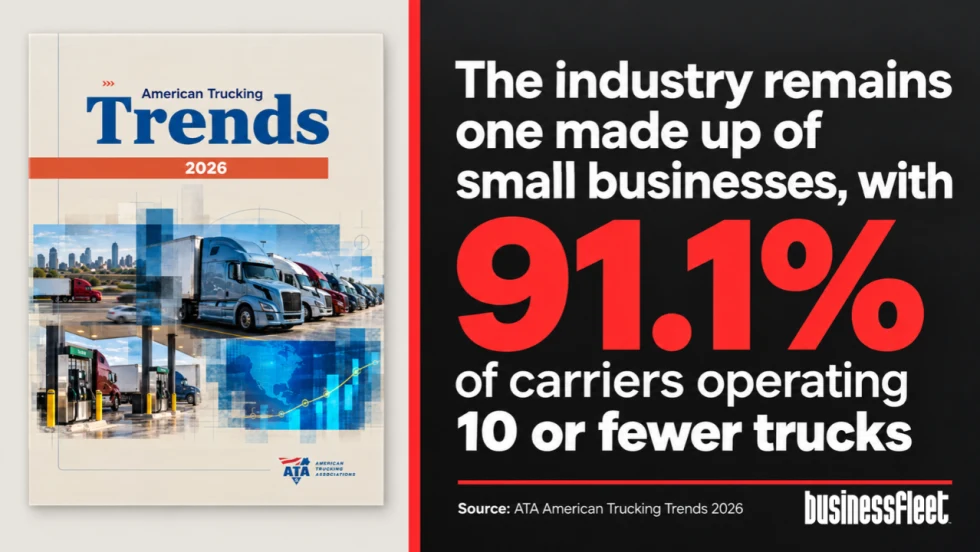
Small Carriers Make Up 91% of Trucking Industry as Freight Revenue Rises
The latest American Trucking Associations report shows modest gains in freight tonnage and revenue, with businesses operating 10 or fewer trucks accounting for most carriers.
Read More →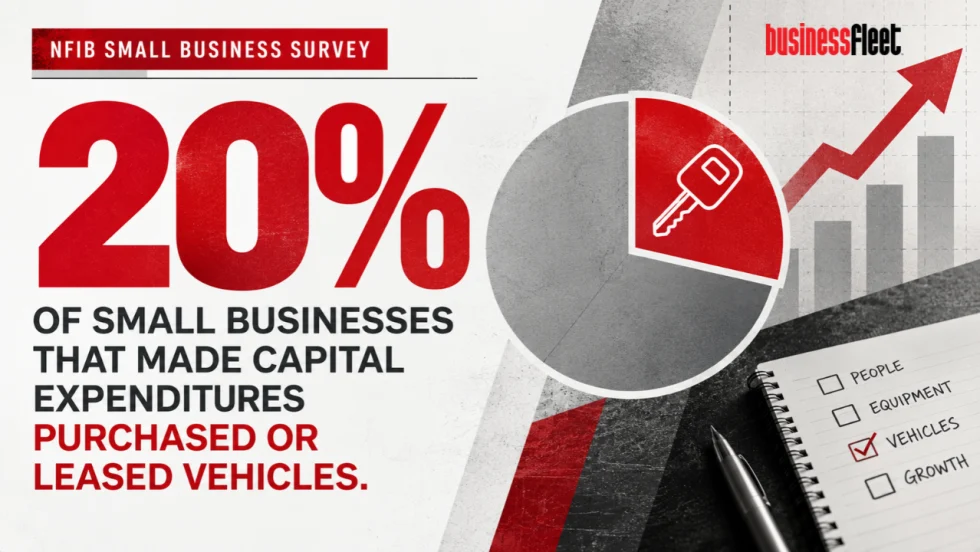
Small Business Vehicle Purchases Slip as Owners Pull Back on Expansion
New NFIB survey data shows fewer small businesses purchasing or leasing vehicles as inflation, hiring challenges, and borrowing costs weigh on expansion plans.
Read More →
Growing Fleets, Bigger Challenges | Business Fleet Brief
From growing pains and weather risks to workers' comp, new vehicles, and telematics gaps, this month's Business Fleet Brief covers what small fleets need to know.
Read More →
Your Business Grew, Did Your Fleet Management Program Grow With It?
Small fleets often grow faster than the processes supporting them. Here’s how to recognize when informal fleet management has stopped working and what to formalize first.
Read More →
Small Fleet Lessons That Can Make a Big Difference | Business Fleet Brief
From used-vehicle costs and lost keys to safety tech and replacement planning, this Business Fleet Brief breaks down practical lessons that can make a big difference for small fleets.
Read More →
Automotive Fleet Opens 2026 Personal Use Survey for Commercial Fleet Managers
Less than two weeks left! Commercial and corporate fleet managers are invited to share how their organizations handle company vehicle personal-use policies, charges, and driver eligibility.
Read More →
You Do Not Have to Be a Big Business to Build the Next Generation
Small businesses may not have the biggest budgets or the biggest fleets, but they do have something powerful. They are close to the communities they serve, and that makes them uniquely equipped to help shape the next generation of automotive and fleet talent.
Read More →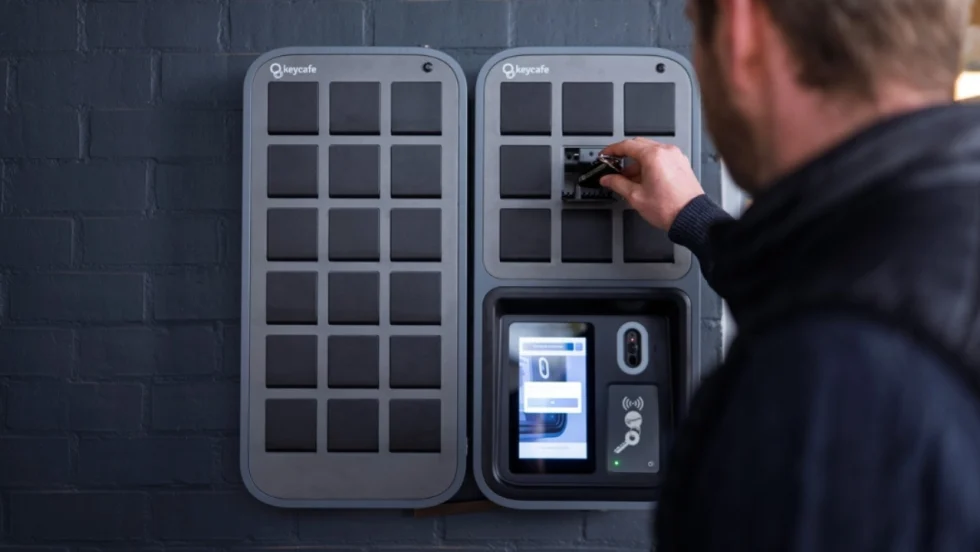
How Small Fleets Can Stop Losing Time to Lost Keys
Lost keys can mean delayed jobs, idle vehicles and unexpected replacement costs. See how small fleets are using digital key management to keep vehicles moving and improve accountability.
Read More →