


Nissan, NASA Extend Autonomous Mobility Collaboration
Nissan North America is teaming with NASA Ames Research Center in Silicon Valley to further advance autonomous vehicle systems as part of a five-year R&D project.

Photo: Nissan
Nissan North America announced plans to further collaborate with the California-based NASA Ames Research Center on the development of future autonomous mobility services.
Under a five-year research and development partnership, Nissan Research Center in Silicon Valley and NASA Ames have worked together to advance autonomous vehicle systems. In January 2017, Nissan introduced Seamless Autonomous Mobility (SAM), a platform for managing fleets of autonomous vehicles. SAM relies on technology that NASA developed for the U.S. space program.
This new phase in the collaboration will build on that success to further develop the technology and test the use of SAM for managing autonomous transportation services, according to Nissan.
“We built SAM from technology NASA developed for managing interplanetary rovers as they move around unpredictable landscapes,” explained Maarten Sierhuis, director of the Nissan Research Center in Silicon Valley. “Our goal is to deploy SAM to help third-party organizations safely integrate a fleet of autonomous vehicles in unpredictable urban environments — for example, ride-hailing services, public transportation, or logistics and delivery services. The final stage of our existing research agreement with NASA will bring us closer to that goal and test SAM in a working demonstration on public streets.”
One of NASA’s strategic goals is to transfer its aerospace technology to broader commercial and social applications.
“Using NASA’s work in robotics to accelerate the deployment of autonomous mobility services is a perfect example of how the considerable work required to advance space exploration can also pioneer advances here on Earth,” said Eugene Tu, center director of NASA Ames.
Originally posted on Automotive Fleet
More Vehicle Insights
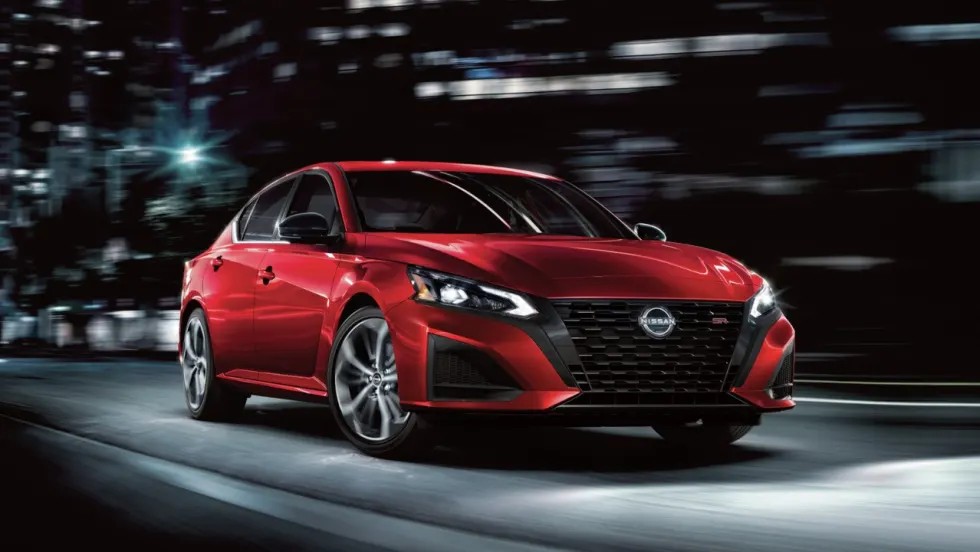
2027 Nissan Altima Starts at $27,790 With Up to 36 MPG Highway
The 2027 Nissan Altima is now on sale with three configurations, available all-wheel drive, standard driver-assistance technology, and up to 36 mpg highway.
Read More →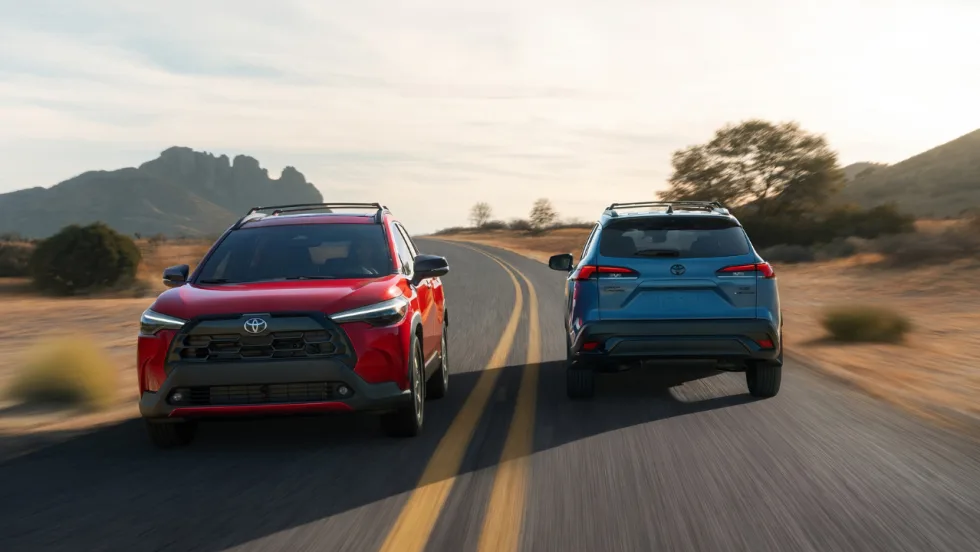
2027 Toyota Corolla Cross Hybrid Returns with 42 MPG
The 2027 Toyota Corolla Cross gives small business fleets gas and hybrid options, available AWD, flexible cargo space, and up to an estimated 42 mpg combined.
Read More →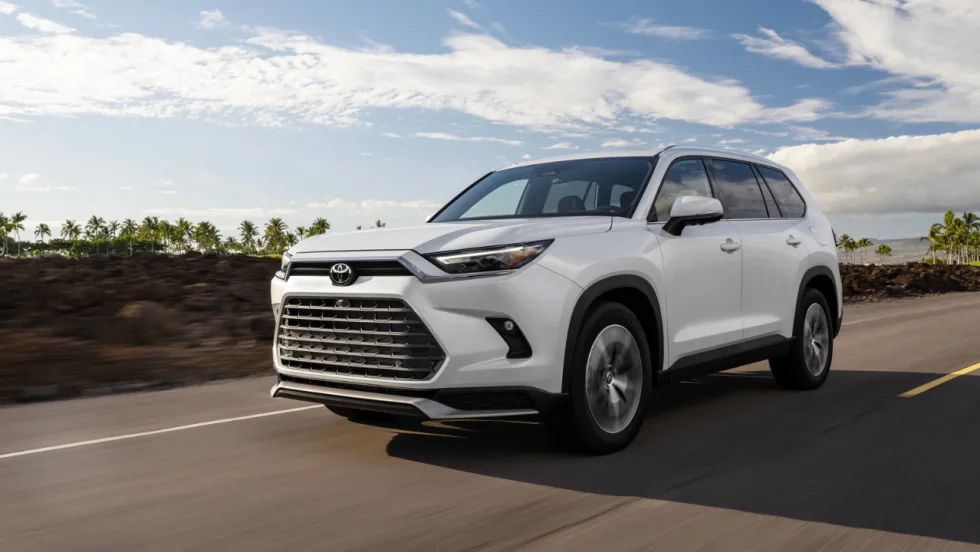
2027 Toyota Grand Highlander Expands Hybrid Options for Small Business Fleets
The 2027 Toyota Grand Highlander offers gas, hybrid, and Hybrid MAX powertrains, up to 97.5 cubic feet of cargo space, and towing capacity up to 5,000 pounds.
Read More →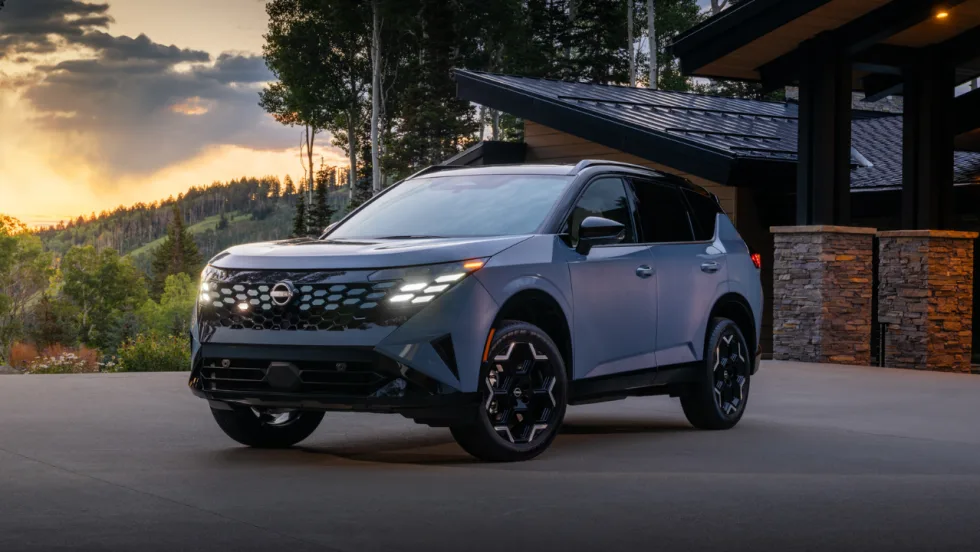
2027 Nissan Rogue Hybrid Brings e-POWER Technology to U.S. Fleets
The 2027 Nissan Rogue Hybrid brings e-POWER technology to the U.S. with standard AWD, up to 38 mpg combined, and a starting MSRP of $35,490.
Read More →
2027 Silverado and Sierra Give Small Fleets Four Ways to Spec a Work Truck
GM’s 2027 Silverado 1500 and Sierra 1500 will offer four powertrains with different strengths in payload, towing, power, and driving range.
Read More →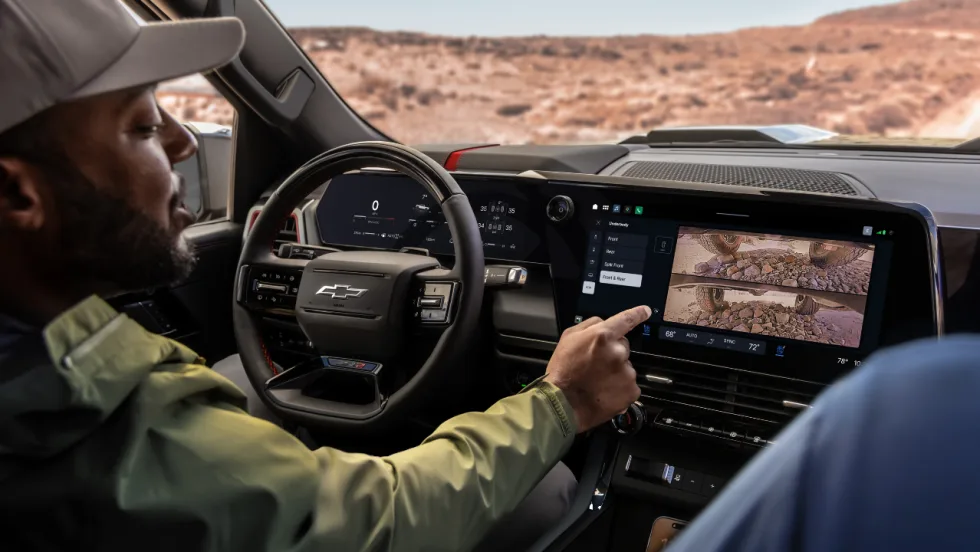
GM Brings New Truck Focused Interface to 2027 Silverado and Sierra
GM's new pickup interface puts trailering data, camera views, vehicle controls, and smartphone integration closer to the driver in the 2027 Silverado and Sierra.
Read More →
Volkswagen Expands Driver Assistance Features Across 2027 Lineup
Volkswagen is adding lane-change assistance, expanded emergency intervention, pedestrian detection, and updated predictive cruise control features to select 2027 models.
Read More →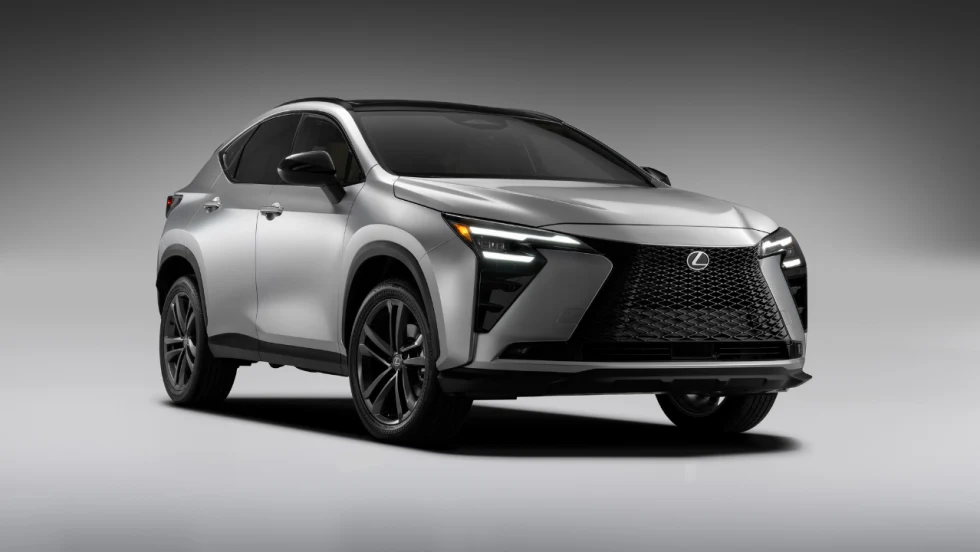
2027 Lexus NX Goes All-Hybrid With New Plug-In Range and Business-Friendly Tech
The 2027 Lexus NX goes fully electrified with hybrid and plug-in hybrid options, more than 40 miles of estimated EV range, and new tech that could appeal to small-business fleets.
Read More →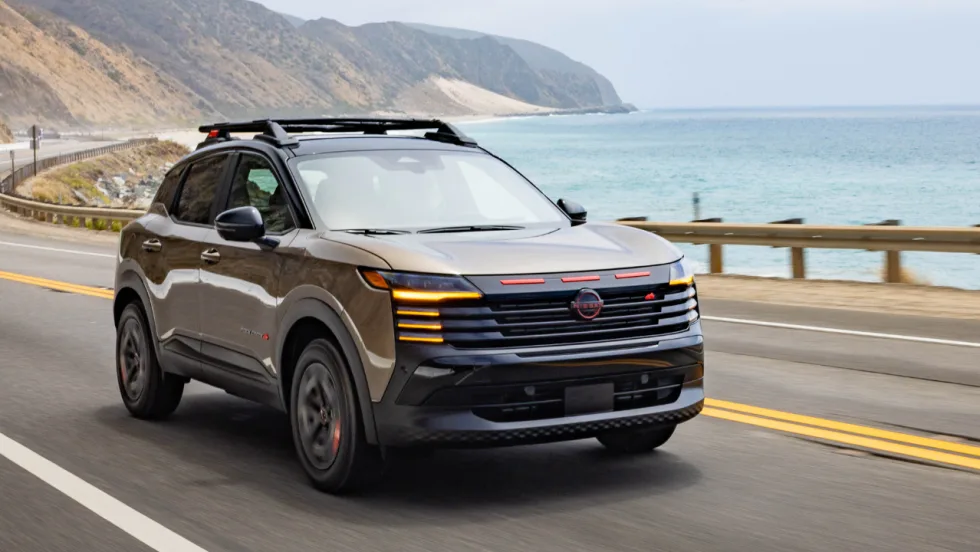
2027 Nissan Kicks Adds Rock Creek Package, Keeps AWD Entry Price Under $25K
The 2027 Nissan Kicks adds a new Rock Creek package with standard AWD, an Off-Road driving mode, and Hill Descent Control, while keeping its entry price under $23,000.
Read More →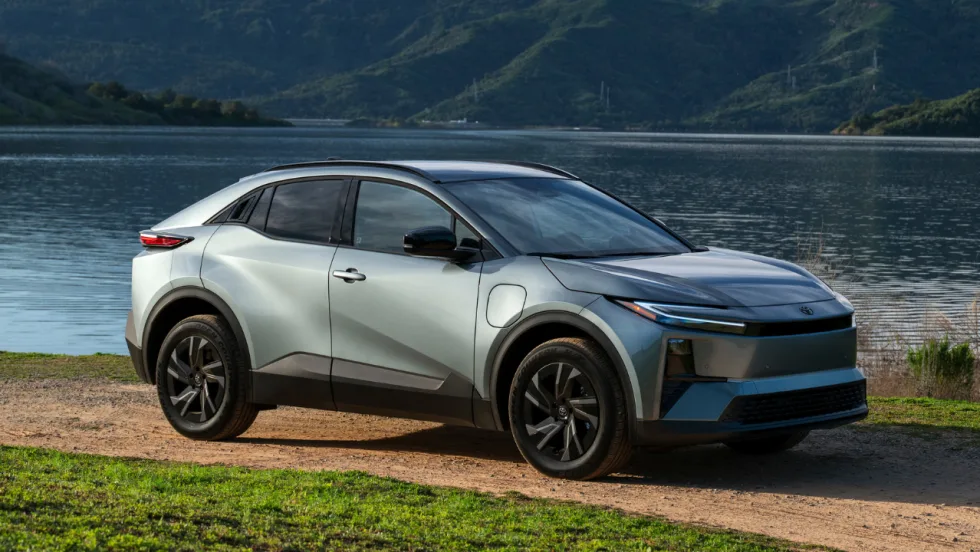
2027 Toyota C-HR Offers 287-Mile Range and Standard AWD
Toyota’s 2027 C-HR brings 287 miles of estimated range, standard all-wheel drive, and NACS fast-charging capability to the compact EV market. See what its mix of performance, cargo space, and everyday technology could offer business users.
Read More →