


Related: U.S. Postal Service Contractor to Use Propane-Fueled Ford Trucks
Roush: Why Propane Autogas Fleet Vehicles Match up to Electric
When comparing propane to electric, fleets should examine factors around emissions, economics, and fueling.
by Todd Mouw
July 20, 2020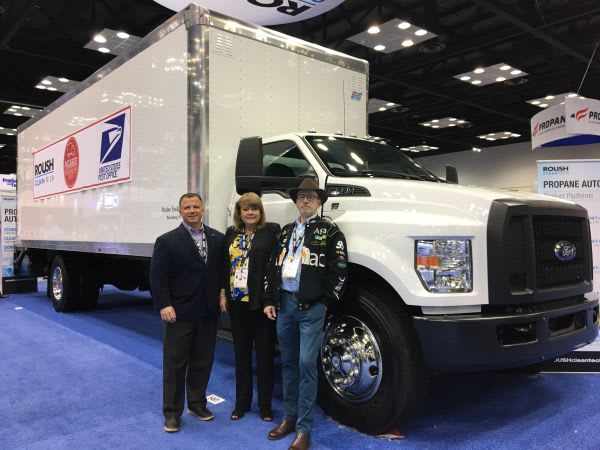
Todd Mouw (left) stands with Lisa McAbee of McAbee Trucking; and a McAbee truck driver at the 2020 Work Truck Show. McAbee purchased eight Roush propane Ford F-750 delivery trucks.
Photo by Chris Brown.
3 min to read
It’s easy to see why electric vehicles are perceived to be the future of automotive technology. They’re better for the environment and require less maintenance, which can save money for fleet owners. But they aren’t the only progressive fuel option available with those benefits.
Propane autogas is one of the most popular automotive fuels in the world, with more than 27 million vehicles on the road across the globe.
When comparing propane to electric, fleets should examine factors around emissions, economics, and fueling.
Reduced Emissions for Fleet Operators
Electric vehicles are known to eliminate tailpipe emissions. Although electric vehicles don’t produce emissions from the tailpipe, there are lifecycle emissions connected to fuel and battery production and disposal.
Propane vehicles reduce smog-producing emissions, eliminate particulate matter, and substantially lower nitrogen oxides (NOx). NOx emissions are federally regulated due to their negative impact on human health and the environment. According to the EPA, they can trigger health problems, such as asthma, bronchitis, and other respiratory issues.
Recent research from the West Virginia University’s Center of Alternative Fuels, Engines, and Emissions showed that NOx is reduced by 95% with propane compared with diesel.
Roush CleanTech developed the first propane autogas engine certified to California Air Resources Board’s optional lowest oxides of nitrogen emissions standard for heavy-duty engines (0.02 grams per brake horsepower-hour). The engine is 90% cleaner than the strictest EPA standard and is the cleanest of all class 4-7 engines available.
Positive Economics of Propane Autogas
When it comes to cost, propane has positive economics. Over the past 30 years, the fuel has cost about 50% less than diesel and up to 40% less than gasoline. Rates for electricity can change depending on the weather.
Just like electric vehicles, propane vehicles save on maintenance since they don’t require costly and complex after treatment systems.
Plus, propane fleet vehicles cost three to four times less than electric. Fleets can transition to propane without incentives but will further their savings when funding is available.

Todd Mouw, president of Roush CleanTech.
Photo courtesy of Roush CleanTech.
Fueling Time is Reduced
Fueling for propane autogas takes minutes. Recharging EVs take hours. Class 4-7 propane autogas vehicles can reach a range of up to 350 miles on a single fueling. EVs ready to deploy in the commercial market have a range of about 100 miles today.
Propane autogas has an established fueling infrastructure across the nation. Additionally, propane providers will install a propane station at low or even zero cost with a fuel contract.
Outside of routine station maintenance, there aren’t additional costs after installation. For electric vehicles, there may be additional costs for charging stations to meet power requirements and use a management software.
Bottom Line
Bottom line? Both electric and propane vehicles are leaders in the alternative fuel space, replacing diesel emissions and improving human health and air quality.
Electric growth and innovation will continue in the future, but today, propane autogas’ advantages are its “shovel-ready” availability and its ability to stand on its own with limited or no subsidy. And with the 0.02g NOx engine, its vehicles are near-zero emissions.
About the Author: Todd Mouw is president of Roush CleanTech, an industry provider of alternative fuel vehicle technology. Mouw has more than two decades of experience in the automotive and high-tech industries. He is former president of the NTEA Green Truck Association.
Originally posted on Work Truck Online
More Vehicle Research
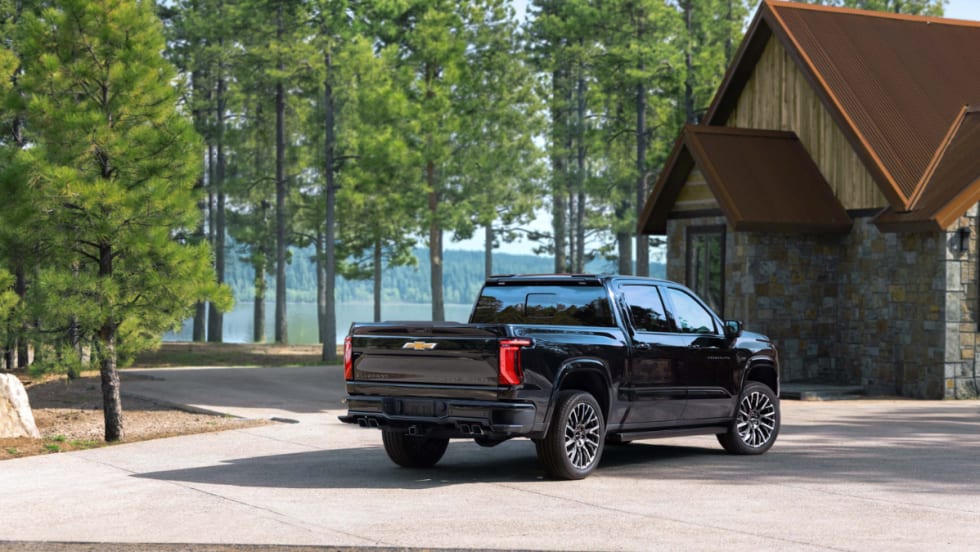
2027 Chevrolet Silverado 1500 Debuts With New V-8 Engines, Redesigned Interior, and Expanded Trim Lineup
Chevrolet's redesigned 2027 Silverado 1500 features new V-8 powertrains, a digital-first interior, revised styling, and expanded off-road and premium trim offerings.
Read More →
Toyota Alabama Marks 25 Years, Celebrates Growth With $125,000 Community Investment
Toyota Alabama celebrates 25 years of growth, 11 million engines produced, and $125,000 in community donations across Huntsville nonprofits.
Read More →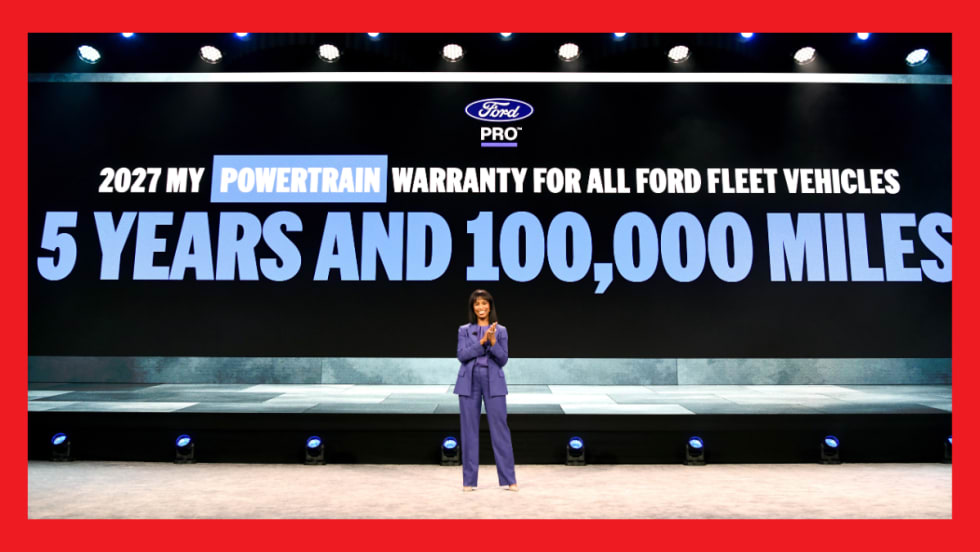
Ford Pro Expands 5-Year/100,000-Mile Limited Powertrain Warranty Across More Fleet Vehicles
Ford Pro expands its 5-year/100,000-mile Limited Powertrain Warranty to more 2027 fleet vehicles, helping reduce ownership costs.
Read More →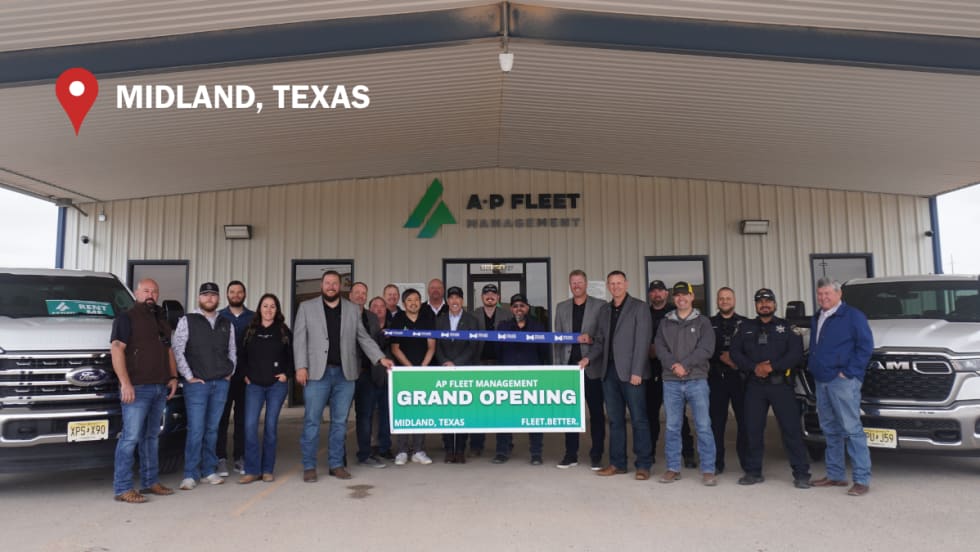
AP Fleet Management Expands in Texas With New Midland Location Focused on Small Fleet Support
AP Fleet Management opened a new Midland, Texas, location to help businesses access rental, leasing, financing, and custom fleet solutions faster.
Read More →
Chevrolet Marks America’s 250th Anniversary at Indianapolis Motor Speedway
Chevrolet used the Corvette ZR1X to “blow out” 250 candles at Indy as part of its year-long celebration of America’s 250th anniversary.
Read More →
Ford Pro Rolls Out Employee Pricing Program for Commercial Fleets and Small Businesses
Ford Pro is offering employee pricing to commercial customers through July 6 on eligible work trucks and vans as operating costs continue rising.
Read More →
GM Envolve Becomes GM Fleet
General Motors has renamed GM Envolve to GM Fleet to affirm its commitment to taking care of fleets.
Read More →
Looking Back at Work Truck's Medium-Duty Award Winners
Explore top medium-duty trucks from past years! See the fleet-tested winners that set the standard for performance and reliability in our award gallery.
Read More →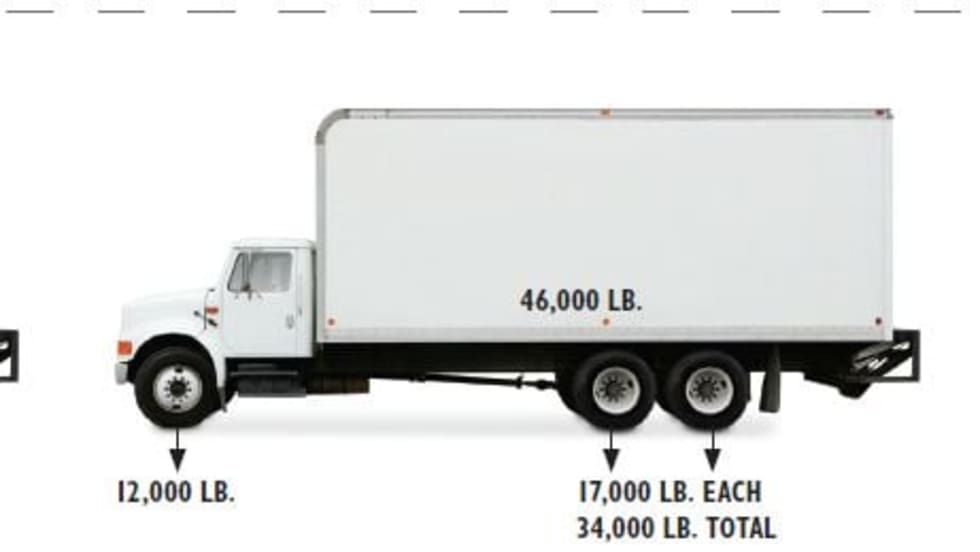
Calculating Commercial Vehicle Weight Distribution & Payload Made Easy
Axle capacities are limited either by the axle capacity or the legal weight limits, whichever is lower. Performing a weight distribution analysis can achieve the proper axle loadings before a truck is built.
Read More →
This Week in Work Truck News: Compact Pickups and Small Fleets
What top work truck and van fleet news do you need to know as of February 25? Watch today!
Read More →