


Benchmarking Keeps This Fleet on Track
Gem Plumbing saved 25% on its fleet maintenance and repair costs in five years by implementing a strict preventive maintenance program and a comprehensive system to track to it.
by Daryl Lubinsky
May 1, 2007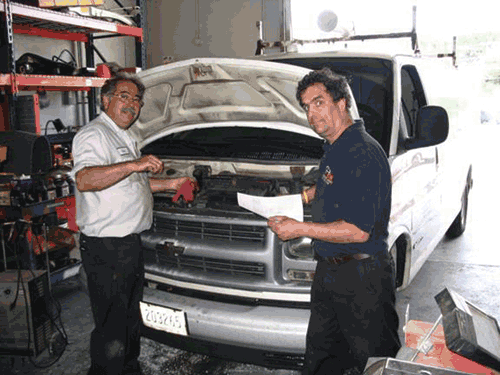
Gemma has reduced his total fleet maintenance and repair costs from about $25,000 a month in 2002 to $19,000 a month today, even as he added 40 pieces of motorized equipment to his 80 vehicle fleet.
Photo: Gem Plumbing
7 min to read
Larry Gemma, co-owner of Gem Plumbing in Lincoln, Rhode Island, is a stats man. He can tell you his driver's production time is 62% of total timecard hours, while 6% of fleet costs are due to driver abuse.
His trucks average 7.35 miles per gallon. His cost for preventive maintenance is 69% of his total maintenance and repair bill. And when a driver is off the road due to vehicle maintenance, the lost potential revenue is about four times the amount of the vehicle repair cost.
How does Gemma get these important statistics about his fleet costs? Benchmarking.
The company logs all of its vehicle maintenance into the Dossier Fleet Management program, tracks productivity using charts created in Microsoft Access and measures driver behavior with the @road GPS mobile resource management system. This allows Gemma to measure the performance of his numerous efficiency and cost-cutting initiatives.
In five years, which began a growth spurt that took Gem from a small plumbing company to one of the largest service companies in the country, Gem has cut fleet maintenance and repair costs by 25%.
Strict PM Schedule
Gem Plumbing provides heating, ventilation, air conditioning and other construction services for homes and businesses in addition to plumbing.
About four years ago, Gem's preventive maintenance program was almost non-existent. It was more of an "emergency maintenance" program, Gemma says. When a Gem truck needed an oil change, the repair facility would simply perform an oil change and send the vehicle on its way.
Now, when a truck needs an oil change, the repair facility goes through the whole vehicle, noting any problems and making any necessary repairs. The Gem Plumbing fleet department adheres to strict maintenance schedules. Tires are rotated every 10,000 miles, transmissions are checked every 5,000 miles, and transmissions are flushed every 25,000.
"That has dropped our transmission failure rate by two-thirds," Gemma says. Gem performs oil changes on the trucks every 3,000 miles, even though oil changes on most trucks today are recommended at 5,000 or more.
Gemma says this is because the trucks often don't come off the road for the oil change at 3,000 miles, so the fleet compensates by having the trucks scheduled at a 3,000-mile cushion.
"It gives us an opportunity to take better care of the fleet, because drivers bring the vehicles in more frequently," Gemma says.
Gemma says manufacturers will often refuse to honor a warranty if the company does not keep good records on maintenance. "So even though everybody thinks they have a bumper-to-bumper 100,000-mile warranty, that's inaccurate if you can't back it up with oil change records [and other maintenance records],"
Gemma says. If anything is under warranty Gem can print out the entire maintenance history of the vehicle through Dossier's Fleet Management program. "When you accurately keep those records, all of a sudden a lot of benchmarks and a lot of numbers will start to emerge," Gemma says. "And then you can start to manage by the numbers."
Vehicle Condition Reports
Every fleet driver must turn in a vehicle condition report (VCR) at the end of each day. Most of Gem's fleet of 165 to 180 vehicles are GMC box trucks (12-foot cargo boxes, 12,000 lbs. GVW).
For the VCR, the driver does a walk-around inspection on the vehicle and looks at tire wear, checks mirrors or any other vehicle parts for damage and checks the oil and other fluids.
The driver will also make a note in the VCR on brake problems, unusual vehicle noises and anything else that might need attention. Gemma keeps track of the lifespan of all vehicle parts.
If ball joints have a lifespan of 80,000 miles, they are replaced as they approach that mileage, rather than waiting for the ball joint to break down.
Gemma also tries to keep similar types of vehicles in the fleet. "Having a standardized fleet of similar vehicles gives you a feel after awhile for how long something is going to last," Gemma says. "Whenever a vehicle comes in at that mileage, we'll replace the parts that we know need to be replaced."
To make parts last, Gemma keeps his strategy simple: Make sure everything is greased, and have a good driver-training program. The amount of wear and tear on the vehicle, especially brake use, is an indicator of driver abuse.
Gem monitors driver behavior with the @Road GPS mobile resource management system, which the company installed in every vehicle. The system flags the company when drivers speed.
Reduce Abuse, Reduce Cost
Gemma says 6% of fleet costs are due to driver abuse. That's an indication of a lack of driver training, Gemma says. He believes companies should work toward getting drivers to treat a vehicle as if it were their own.
Gem instituted a plan to make drivers accountable for breakdowns by making them pay out of their own profit bonuses when they are to blame for a vehicle problem. "Once it comes out of their money, they treat it more like their own," he says.
The company will issue a write-up for driver abuse, and actually terminate a driver for a second offense. "These fleets are very expensive to keep on the road, and to be replacing them in a shorter period of time than is absolutely necessary can cost a company a huge amount of profit," Gemma says.
Vehicle breakdowns are now under 5%t of total fleet maintenance expenditures. Four years ago, that number was in the 15 to 20% range. Gemma says his engines last until 300,000 miles compared to 140,000 previously.
Gemma has reduced his total fleet maintenance and repair costs from about $25,000 a month in 2002 to $19,000 a month today, even as he added 40 pieces of motorized equipment to his 80 vehicle fleet.
"That doesn't include gasoline cost, which has increased dramatically," Gemma says. "But it is still amazing. When preventive maintenance becomes a priority in your program it drives your fleet costs down considerably."
Attacking Fuel Costs
Gemma attacks fuel costs by proper load planning. The fleet department knows the exact weight of every plumbing part that is carried on a vehicle. Each truck used to have 1,139 parts on it, but after the company removed about 300 pounds of unneeded parts from each truck, the miles per gallon on each truck improved from 7.1 to 7.35.
Gem saves fuel using the @Road program. With @Road, Gem can track routes and shorten the travel time between jobs, as well as monitor driver speed. "We keep drivers within 55 miles per day as much as possible," Gemma says.
The company manages traffic through a program in which the states of Rhode Island and Massachusetts have cameras set up on various roadways.
The program allows companies to access the cameras over the Web to figure out the most efficient traffic routes to take. Through these initiatives Gem is saving about $2,800 a month in fuel costs.
Charting the Way
Gemma measures employee productivity by using charts that Gem's IT director created from Microsoft Access software. The Description of Work Performed chart was first created in 2002, before Gem started its fleet management program. In 2002, 49% of Gem's fleet costs was spent on preventive maintenance work.
By 2006 that number went up to 69% after the company began a program to really start paying attention to the efficiency of its fleet. By 2006, accident damage was reduced to nothing, partially due to a safety class mandated by the company's vehicle insurance company if drivers get into an accident.
The Time Card Statuses chart shows the total number of hours that drivers spend on various tasks throughout the month, along with the percentage of the total time. Gemma says drivers' production time-or the time that drivers spend in front of the customer-used to be about 48% of the time.
After implementing a program to track drivers' time, production time increased to between 52 and 62%. "People who manage smaller fleets will say, 'It's kind of costly to start doing fleet tracking,'" Gemma says. "My answer to that is it's more costly not to."
Gem Plumbing's Cost-Cutting Initiatives for Fleet
Implement a maintenance software system.
Keep a strict PM schedule.
Fill out vehicle condition reports daily.
Weigh all parts; load only needed parts for job.
Dock bonus pay for driver-related vehicle abuse.
Mandate driver safety class.
Monitor traffic through state-sponsored Webcams.
Originally posted on Work Truck Online
More Maintenance

When One Vehicle Goes Down, a Small Business Feels It
One disabled vehicle can derail an entire workday. Learn how small fleets can reduce downtime, protect employees, and avoid costly roadside chaos.
Read More →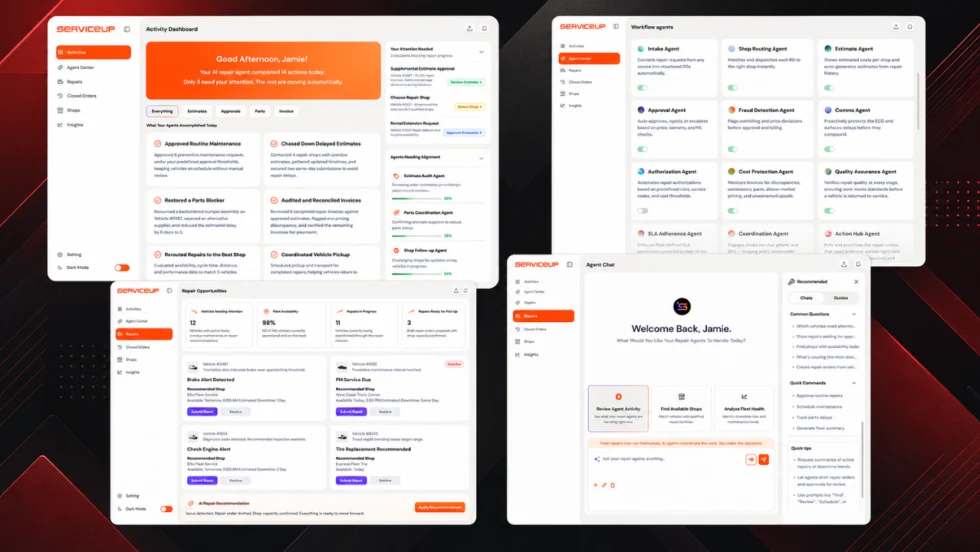
ServiceUp Brings Automated Repair Coordination to Small Fleet Operators
New AI repair agents handle shop calls, estimate reviews, status checks, and invoice validation so business owners can spend less time coordinating vehicle repairs.
Read More →
The Two Biggest Summer Downtime Threats for Fleets
A conversation with a maintenance expert reveals the two most common summer maintenance pains and how to prevent them.
Read More →
ASE to Move Automotive Service Professionals Month to Align With Car Care Campaigns
ASE will shift Automotive Service Professionals Month to April and October beginning in 2026-2027 to align with national Car Care Month efforts.
Read More →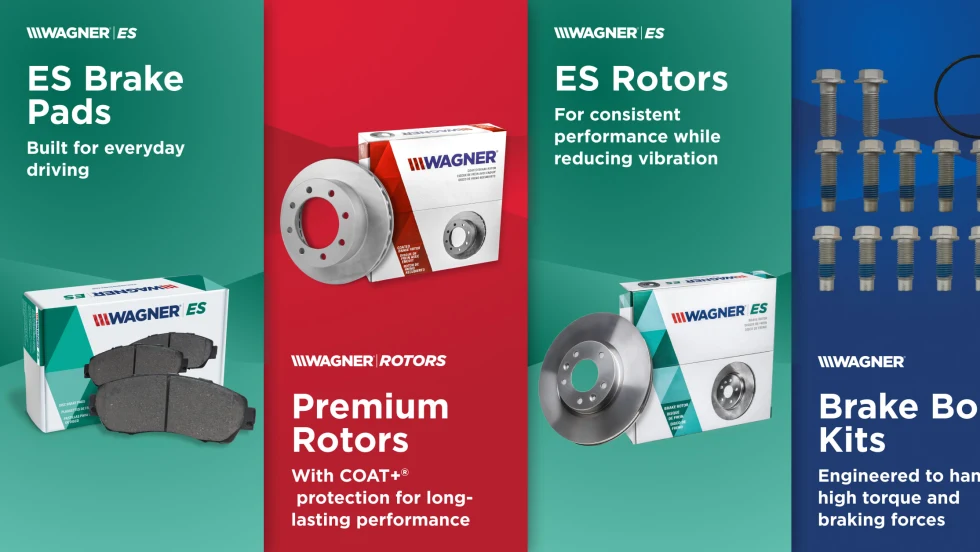
DRiV Adds New Wagner Brake Products Supporting Small Fleet Vehicle Maintenance
DRiV adds new Wagner brake pads, rotors, and hardware to support small fleet maintenance for pickups, vans, and everyday work vehicles.
Read More →
Fleet Managers Share Winter Prep Tips: It's Never Too Early!
Three fleets share best practices to prep vehicles for winter and prevent downtime when the cold sets in.
Read More →
Spring Cleaning: 5 Tips to Prep Your Fleet for Warmer Weather
Basic maintenance shouldn’t fall by the wayside as temps slowly rise again. Don’t miss performing these five measures to keep your fleet in top shape this spring.
Read More →
Prepping Your Fleet Vehicles for Resale
When it's time to dispose of retired units, which vehicle prep strategies can improve resale value? Following industry basics can have a significant impact on resale prices.
Read More →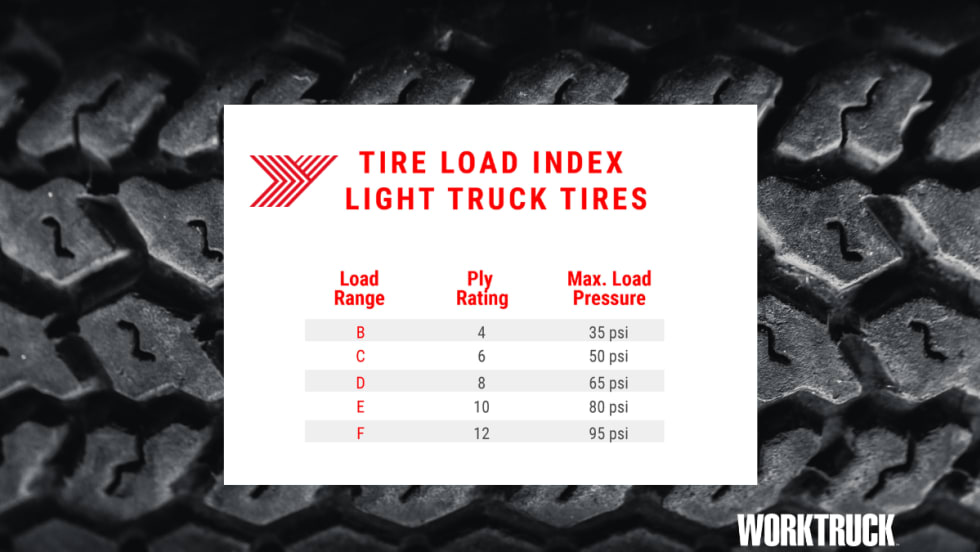
All About Truck Tires: Load Ratings, Sizes & More
Truck tires are more than “where the rubber meets the road.” Understanding truck tire sizes, tire load ratings, why ply no longer matters, and more is important for today’s fleet managers.
Read More →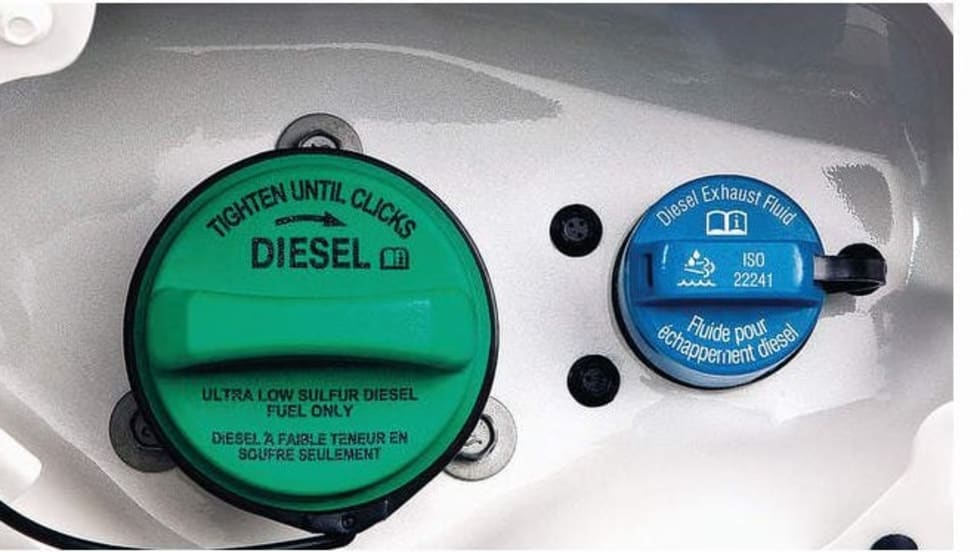
How to Purchase, Store & Handle Diesel Exhaust Fluid
Diesel engine vehicles can be damaged by using low quality diesel exhaust fluid (DEF). Repairs can be very expensive with long downtime possible, and damage could void the manufacturer’s warranty.
Read More →Subscribe to Our Newsletter