



Related: Spring Cleaning: 5 Tips to Prep Your Fleet for Warmer Weather
The Two Biggest Summer Downtime Threats for Fleets
A conversation with a maintenance expert reveals the two most common summer maintenance pains and how to prevent them.
June 18, 2026

Summer heat can turn overlooked maintenance issues into costly downtime, making battery checks, cooling system inspections, and AC service critical for fleet reliability.
Credit:
Automotive Fleet
4 min to read
- A maintenance expert identifies the two primary summer risks for fleets: overheating engines and tire failures.
- Proactive strategies are highlighted to mitigate these issues, including regular vehicle check-ups and maintaining proper tire pressure.
- The significance of frequent maintenance increases during summer to ensure fleet reliability and prevent downtime.
*Summarized by AI
The summer months and their humid temperatures are officially in full swing, which means summer maintenance is, too. Vehicle heat failures are predictable, and yet many fleets still suffer from preventable downtime. The most commonly overlooked vulnerability, according to maintenance manager Jenny Baker from Mike Albert, is cooling systems and "Batteries! Summer heat is extremely hard on batteries, so they should be inspected before the hot weather hits.”
Heat accelerates battery degradation, increasing the likelihood of no-start situations that can take vehicles out of service unexpectedly. Testing batteries before temperatures rise can help fleets avoid costly roadside service calls.
Cooling and AC Systems
Beyond batteries, two vehicle systems are particularly vulnerable during the summer months: the air conditioning and engine cooling systems.
"Two vehicle systems that take a hard hit in the summer are the AC system and the engine cooling system," Baker said.
Spring preventative maintenance can help address both of these issues before they occur.
"AC systems should be checked in the spring for both overall performance and freon levels, so that any issues are caught well before the heat of summer creates an urgent problem."
Cooling systems deserve the same level of attention.
Vehicle coolant should also be checked in the spring, with particular attention to leaks and to verifying that the thermostat is operating correctly.
Neglecting these inspections can lead to one of the most common summer-related breakdowns: overheating. Combined with battery failures, overheating events account for many of the service disruptions fleets experience during hot weather.
"The two most common summer breakdowns that could have been prevented are no-starts caused by battery failure and overheating from neglected cooling systems," she said.
The Small Maintenance Investments that Deliver
When it comes to preventive maintenance, fleets often focus on inspections, but other practices can also play an important role in reducing downtime.
More frequent oil changes can deliver some of the greatest ROI for fleets during the summer season because oil breaks down faster in warmer weather, Baker said.
More frequent service intervals also create opportunities to identify developing issues before they become costly repairs.
"By getting oil changes more often during the warmer months and pairing them with the proper inspections each time, fleet managers can reduce unplanned downtime," she said.
Telematics’ Role in Preventing Summer Breakdowns
Technology can help fleets move beyond scheduled maintenance and toward a more proactive approach. Telematics and maintenance platforms provide valuable insight into vehicle health and performance trends, particularly during periods of extreme heat.
"Telematics and maintenance data are powerful tools for getting ahead of summer-related vehicle issues before they result in a breakdown."
By monitoring key indicators, fleet managers can identify problems before drivers become stranded.
Staying Consistent
Ultimately, the fleets that avoid recurring summer downtime tend to share one characteristic: consistency.
When asked to give fleet managers one piece of advice to improve summer fleet readiness this year, she was direct.
Baker’s response: “Be consistent and formalize that consistency into a weather readiness policy."
That policy should outline the preventive measures needed to keep vehicles operating reliably throughout the season. The policy should specifically include more frequent oil changes during summer months, scheduled inspections for AC systems, battery testing, and cooling system checks.
The payoff extends beyond reliability.
"Lower overall costs are both the goal and the result of doing summer readiness the right way," Baker said.
For fleet managers, summer maintenance is less about reacting to heat-related failures and more about preventing them through planning and inspection.

Credit:
Jenny Baker
About Jenny Baker: With over 30 years of dedicated experience in the automotive industry, Jenny Baker-Ford brings expertise to her role as Maintenance Manager at Mike Albert. Since joining the company in April 2019, she has leveraged her extensive knowledge of vehicle service requirements across multiple manufacturers to develop tailored maintenance strategies that minimize downtime and optimize fleet performance.
Throughout her career, Jenny has maintained a commitment to professional development and industry certifications. As an ASE Certified professional, she brings technical credibility to her leadership role. Her skill set encompasses project management, continuous improvement methodologies, and comprehensive knowledge of automotive products and services.
Prior to joining Mike Albert, Jenny held service and warranty roles at Lexus and Toyota dealerships and at Busam Automotive.
Originally posted on Automotive Fleet
More Maintenance & Uptime

New Kooner and Global Partners Agreement Targets the Hassle of Fleet Fueling and Repairs
A new referral partnership gives businesses access to mobile fueling and maintenance services, potentially reducing the time employees spend getting vehicles serviced.
Read More →
When One Vehicle Goes Down, a Small Business Feels It
One disabled vehicle can derail an entire workday. Learn how small fleets can reduce downtime, protect employees, and avoid costly roadside chaos.
Read More →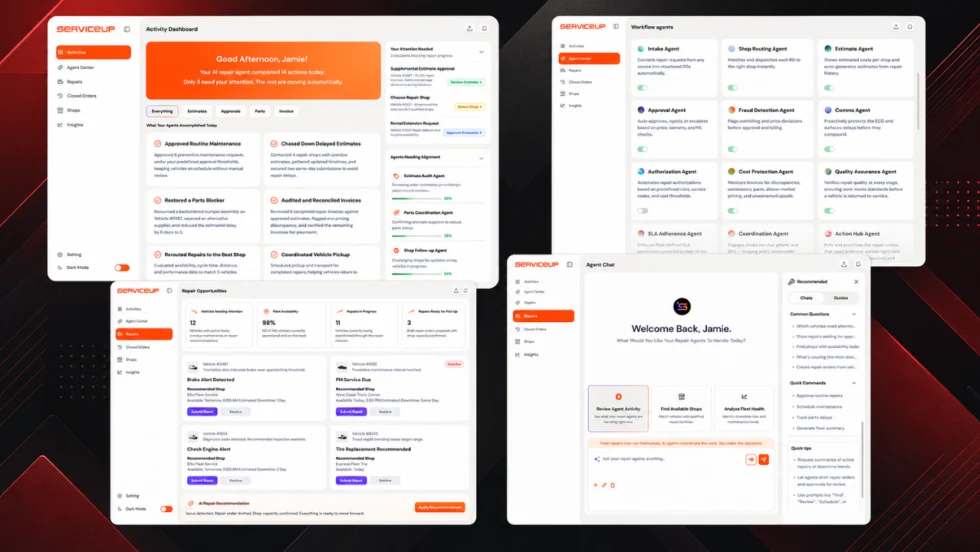
ServiceUp Brings Automated Repair Coordination to Small Fleet Operators
New AI repair agents handle shop calls, estimate reviews, status checks, and invoice validation so business owners can spend less time coordinating vehicle repairs.
Read More →
ASE to Move Automotive Service Professionals Month to Align With Car Care Campaigns
ASE will shift Automotive Service Professionals Month to April and October beginning in 2026-2027 to align with national Car Care Month efforts.
Read More →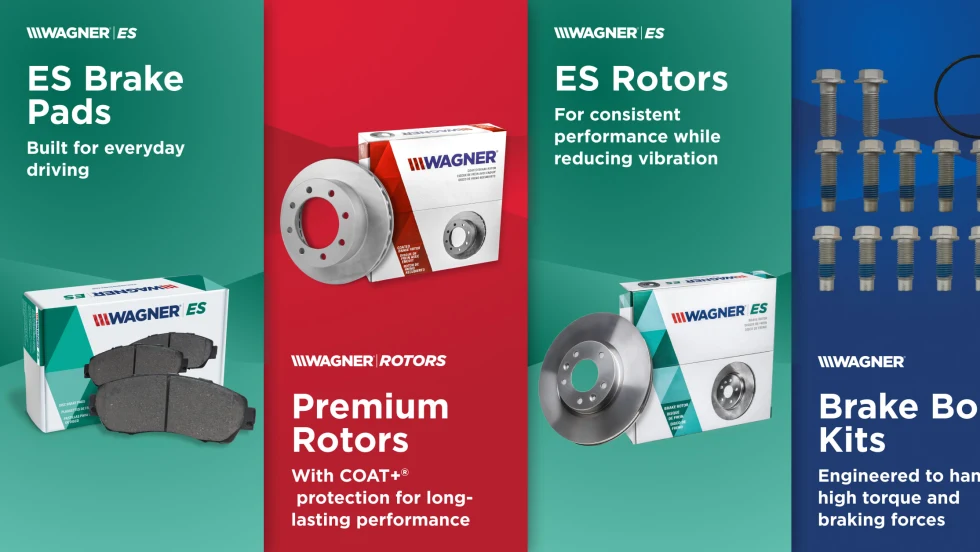
DRiV Adds New Wagner Brake Products Supporting Small Fleet Vehicle Maintenance
DRiV adds new Wagner brake pads, rotors, and hardware to support small fleet maintenance for pickups, vans, and everyday work vehicles.
Read More →
Fleet Managers Share Winter Prep Tips: It's Never Too Early!
Three fleets share best practices to prep vehicles for winter and prevent downtime when the cold sets in.
Read More →
Spring Cleaning: 5 Tips to Prep Your Fleet for Warmer Weather
Basic maintenance shouldn’t fall by the wayside as temps slowly rise again. Don’t miss performing these five measures to keep your fleet in top shape this spring.
Read More →
Prepping Your Fleet Vehicles for Resale
When it's time to dispose of retired units, which vehicle prep strategies can improve resale value? Following industry basics can have a significant impact on resale prices.
Read More →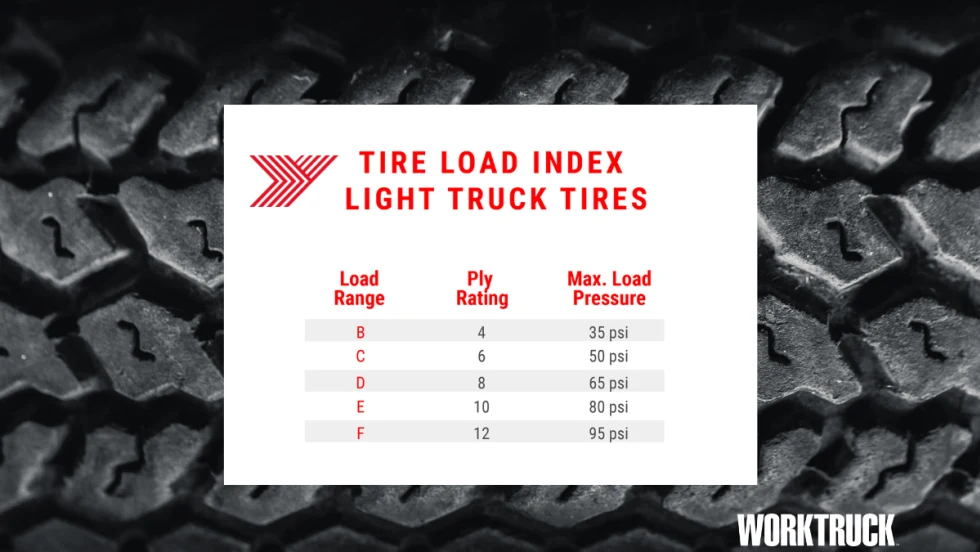
All About Truck Tires: Load Ratings, Sizes & More
Truck tires are more than “where the rubber meets the road.” Understanding truck tire sizes, tire load ratings, why ply no longer matters, and more is important for today’s fleet managers.
Read More →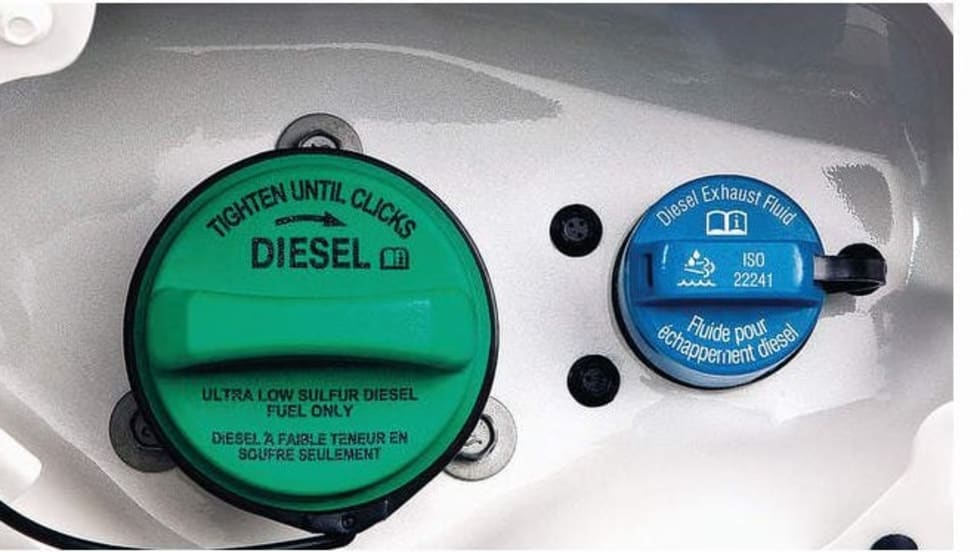
How to Purchase, Store & Handle Diesel Exhaust Fluid
Diesel engine vehicles can be damaged by using low quality diesel exhaust fluid (DEF). Repairs can be very expensive with long downtime possible, and damage could void the manufacturer’s warranty.
Read More →Subscribe to Our Newsletter