


Bumps in the Road
In-vehicle technology has already started to transform the way we navigate, the way we communicate, and the way we keep track of vehicles -- and one of the fastest growing and most promising areas of telematics is fleet management.

The discussion continues about in-vehicle technology and telematics.
Photo: Work Truck
- In-vehicle technology is revolutionizing navigation, communication, and vehicle tracking.
- Telematics is a rapidly advancing field with significant implications for vehicle management.
- Fleet management is emerging as a leading application for telematics innovations.
*Summarized by AI
Telematics is still one of the hottest buzzwords in the auto industry in 2001. That hasn't changed since my thoughts in a 2000 column I wrote.
In-vehicle technology has already started to transform the way we navigate, the way we communicate, and the way we keep track of vehicles -- and one of the fastest growing and most promising areas of telematics is fleet management.
With Americans spending 500 million passenger hours a week in their cars, this technology, with its ability to connect our vehicles with the business world via phone, e-mail, fax, and GPS seems a sure bet to boost productivity and efficiency.
...But Wait
With any emerging technology, however, there are bound to be a few bumps in the road, and telematics is no exception.
One of the main "sticking points" for telematics development is speech recognition -- the technology which allows you to "keep your eyes on the road and your hands upon the wheel," as the old Doors song goes. This is critical for the evolution of telematics because of potential driver distraction and safety issues.
Restrictions Are Possible
With a number of municipalities already limiting or even outlawing cell phone usage in moving vehicles, driver distraction issues loom large as a stumbling block for telematics. The National Highway Traffic Safety Administration (NHTSA) is currently in the midst of a driver distraction study that could ultimately result in federal legislation limiting the amount and type of telematics information available to drivers.
But many automotive and telematics manufacturers see speech recognition as a way around these potential distraction issues. If you're able to "tell" your telematics system what you want, you don't have to divert your attention from the road.
Delay Disappointing to Manufacturers
The in-car PC boom that some predicted to be in full bloom by now hasn't fully happened, and it may be delayed for another year to 18 months as automakers and vendors confront challenges in implementing speech recognition systems.
This delay is a big disappointment for many manufacturers who have invested millions of dollars in the development and promotion of in-vehicle computers and telematics systems. But because speech-recognition systems are critical in addressing driver distraction issues, carmakers want them to be as flawless as possible -- and they are not there yet, according to many industry observers.
Noisy Confusion
The heart of the problem is that vehicles, unlike desktop computers, exist in a noisy environment that can confuse software-based speech recognizers. If speech recognition is done over a cellular link, the system also must deal with such issues as line echo, electrical interference, and poor signal strength.
Software makers say the problems are magnified at higher speeds. Accuracy also suffers when vehicle occupants open or close a window, turn on the radio, or blast the air conditioner.
Stories of drivers struggling with voice recognition systems are already becoming commonplace. But automotive engineers say these problems aren't insurmountable.
Call Me an Optimist
The automotive industry will solve these problems, just as it has solved others in the past. I believe that in five years, fleet vehicles without telematics will be rare; in 10 years, they'll be relics.
A bump in the road isn't the end of the road, after all.
About the Author: Steve Elliott is a former editor at Bobit.
Originally posted on Work Truck Online
More Operations

Growing Fleets, Bigger Challenges | Business Fleet Brief
From growing pains and weather risks to workers' comp, new vehicles, and telematics gaps, this month's Business Fleet Brief covers what small fleets need to know.
Read More →
Your Business Grew, Did Your Fleet Management Program Grow With It?
Small fleets often grow faster than the processes supporting them. Here’s how to recognize when informal fleet management has stopped working and what to formalize first.
Read More →
Small Fleet Lessons That Can Make a Big Difference | Business Fleet Brief
From used-vehicle costs and lost keys to safety tech and replacement planning, this Business Fleet Brief breaks down practical lessons that can make a big difference for small fleets.
Read More →
Automotive Fleet Opens 2026 Personal Use Survey for Commercial Fleet Managers
Less than two weeks left! Commercial and corporate fleet managers are invited to share how their organizations handle company vehicle personal-use policies, charges, and driver eligibility.
Read More →
You Do Not Have to Be a Big Business to Build the Next Generation
Small businesses may not have the biggest budgets or the biggest fleets, but they do have something powerful. They are close to the communities they serve, and that makes them uniquely equipped to help shape the next generation of automotive and fleet talent.
Read More →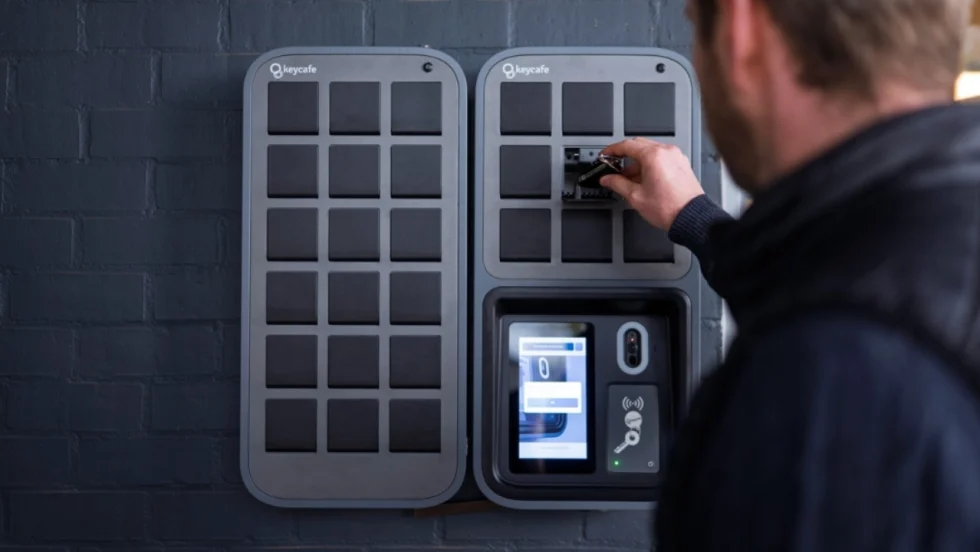
How Small Fleets Can Stop Losing Time to Lost Keys
Lost keys can mean delayed jobs, idle vehicles and unexpected replacement costs. See how small fleets are using digital key management to keep vehicles moving and improve accountability.
Read More →
How to Build Custom Fleet Tools With AI and Vibe Coding [Webinar]
A new Automotive Fleet webinar explores how fleet managers are using AI and vibe coding to automate routine work and create simple operational tools without traditional programming skills.
Read More →
You May Be a Fleet Manager (Even If No One Told You)
Managing vehicles may not be your full-time job, but the costs, risks, and responsibilities are still very real. Business Fleet In Motion is here to help small and growing businesses make smarter fleet decisions without needing a full fleet department.
Read More →
Fleet Management Without a Fleet Department?
No fleet department? The work still has to get done. Learn how to prioritize your most critical vehicles, catch problems before they become downtime, and build a simple routine that keeps your small fleet moving.
Read More →
Why the IRS Raised Its Mileage Rate in the Middle of 2026
Fuel-price volatility drove the rare increase to 76 cents per mile, the fifth midyear adjustment since 2000.
Read More →