


About the Author: Lisa Drake joined Merchants Fleet in 2021 as program manager of Fleet Electrification. Drake brings close to three decades of environmental and sustainability expertise to help Merchants drive electrification in the fleet industry and develops new tools and resources for successful EV adoption.
Buying vs. Leasing Electric Vehicles: Pros & Cons
As your fleet plans out its electrification roadmap, consider whether buying or leasing EVs make sense for your needs. Here’s what to consider.
by Lisa Drake, Merchants Fleet
December 15, 2022
One pro to leasing an EV is the ability to trade it in without losing money to take advantage of new model features or tech.
Photo: Bobit
4 min to read
Electric vehicles, or EVs, are the future of the commercial fleet, due in large part to their lower long-term environmental impact. The popularity of EVs among individual consumers has been steadily rising, and with new commitments to higher EV production and deployment, it seems there’s no turning back. Fleet owners and managers are being urged to plan for when — not if — they go electric.
If you’re ready for full or partial fleet electrification, consider whether buying or leasing your EVs will make the most sense for your business.
Buying EVs for Your Fleet: Pros & Cons
When you purchase an EV, there’s a good chance you can take advantage of the following.
Federal and state tax credits
Starting in 2023, owners of commercial EVs in the U.S. may be eligible for a tax credit worth up to $40,000 per vehicle. Some state and municipal governments also offer tax incentives or other forms of incentives to local EV owners. Electric utility companies may offer discounts and rebates to customers who drive EVs or install EV charging equipment, but the terms vary by utility.
Long battery warranties
EV batteries carry warranties that cover eight years or 100,000 miles, per federal requirements. Fortunately, the average lifespan of an EV battery is eight to 12 years, as is the average amount of time a U.S. driver will keep the same car. This is a major selling point since the battery is the most expensive component in an EV. Fleet owners should consider how long they plan to keep their EV and the impact of warranties on their vehicle turnover plans.
Fuel savings
It’s a significant shift from gas or diesel vehicle fueling to electric charging, and one that comes with some significant savings. Provided fleet drivers and owners have access to charging stations, EVs have enough “fuel” to get drivers where they need to go within budget and on schedule.
Fewer moving parts
In general, EVs contain fewer components than internal combustion engine (ICE) vehicles, which can translate to a less frequent need for maintenance and less costly repairs. This is important to note when considering buying vs. leasing, especially in case ownership extends past the warranty term, since owners may not need to spend as much on repairs post-warranty.
While the benefits of EV ownership may be enough to attract many fleet owners, there are some caveats to consider when electrifying your fleet through purchasing EVs.
Uncertain future value
While new EV models may be cutting-edge now, the technology is evolving so quickly that their resale value is unknown. It’s difficult to predict exactly how an EV’s value will change over time, but each new generation will presumably be more innovative than the last.
Higher up-front cost
EVs generally carry a higher retail price than ICE vehicles due to their high-tech components and the cost of lithium battery production. However, EVs have proven to have a lower total cost of ownership (TCO) based on fuel savings and having fewer parts that may need repairs or replacement.
Need for skilled technicians
EVs come with high-tech components that require a specialized skill set in addition to standard automotive repair knowledge, so it is the fleet owners’ responsibility to have a maintenance plan in place.
Not ready to commit to owning your own EV fleet vehicles? Leasing may be the better option as you weigh the conditions of ownership.
Leasing EVs for Your Fleet: Pros & Cons
When you lease an EV, you experience many of the same benefits of leasing a traditional ICE vehicle, including warranty protection and lower monthly payments. However, there are a few unique benefits that come with leasing EVs for your fleet and some additional considerations.
Try out new technology
With the high rate of innovation in the EV space, you may want to take advantage of the opportunity to turn in your vehicle at the end of a lease term and try out new models and technology upgrades.
Take advantage of incentives
While EV owners can score a tax credit on their purchase, EV lessees need to consider whether they can realize the benefit of the tax credit through their leasing arrangements by consulting with their leasing partner. Many incentives and rebates are tied to EV charging infrastructure costs rather than the EV itself
That said, there is one potential downside to be aware of when leasing EVs.
Additional upfront costs
Organizations that lease EVs for their fleets will have to contend with additional expenses — such as funding a vehicle upfit — even if their commitment to the vehicle is for a shorter term than standard outright ownership. A charging strategy must be implemented too, whether that involves installing charging infrastructure at a depot or at employees’ homes, or opting to use public charging stations. Public charging stations carry the drawback of potential availability issues or extra downtime for drivers.
As the push toward an electric future gains momentum, fleet owners will need to weigh all of these factors while planning for EV adoption. Fortunately, the majority of fleet owners are riding the same wave, so there will be plenty of resources available to navigate this societal shift. Leverage the expertise of your fleet management company partner to help you navigate these considerations.
Originally posted on Automotive Fleet
More Green Fleet

Fleet Forward Conference Introduces One-Day Passes for 2026
New one-day registration gives fleet professionals the flexibility to attend Tuesday, Wednesday, or Thursday, with passes available for $199 through Sept. 18.
Read More →
Teletrac Navman Adds Mixed-Energy Tracking to TN360
Energy Hub combines fuel card data, EV charging activity, reimbursements, and vehicle energy use in one dashboard for fleets operating gasoline, hybrid, and electric vehicles.
Read More →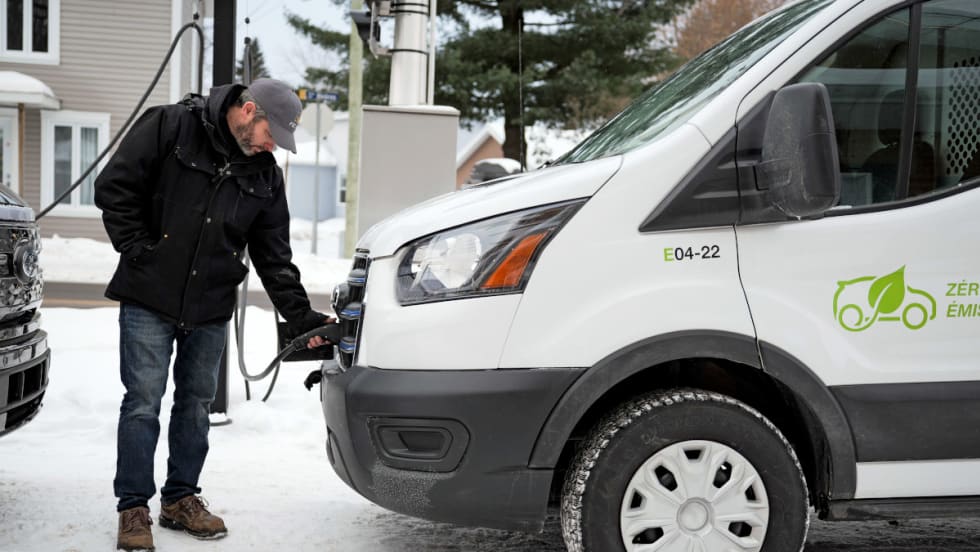
Ford Pro e-Telematics Helps Fleet Track E-Transit Efficiency
Canadian electrical contractor Fize Electrique shares how it uses Ford Pro e-Telematics to drive and track efficiency in the battery-electric Fords in its fleet, mostly comprised of E-Transit vans, even in the brutal cold of winter.
Read More →
How to Maximize Benefits of PHEVs In Fleets
Plug-in hybrid vehicles can reduce fleets’ carbon emissions as well as range anxiety. This analysis shows the positive impacts of proper PHEV use, and the negative environmental and financial consequences if your drivers aren’t plugging them in.
Read More →
How Increased CAFE Standards Will Affect Fleets
The year 2026 will mark a turning point with multiple regulations converging to push for greater fuel economy in cars and trucks.
Read More →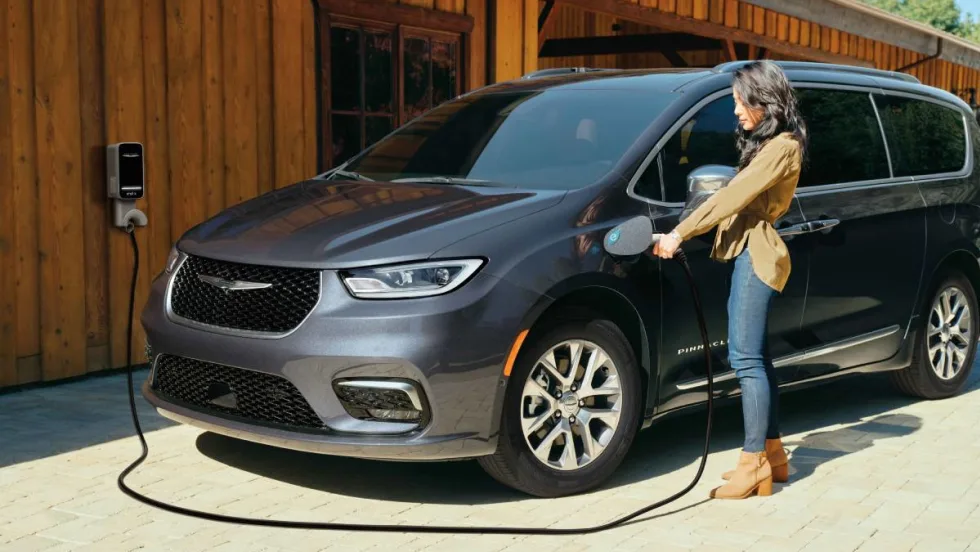
How To Reimburse Electric Vehicle Drivers for Charging at Home
Calculating reimbursement for at-home EV charging requires lots of precision, but several options are available ease the process for fleets.
Read More →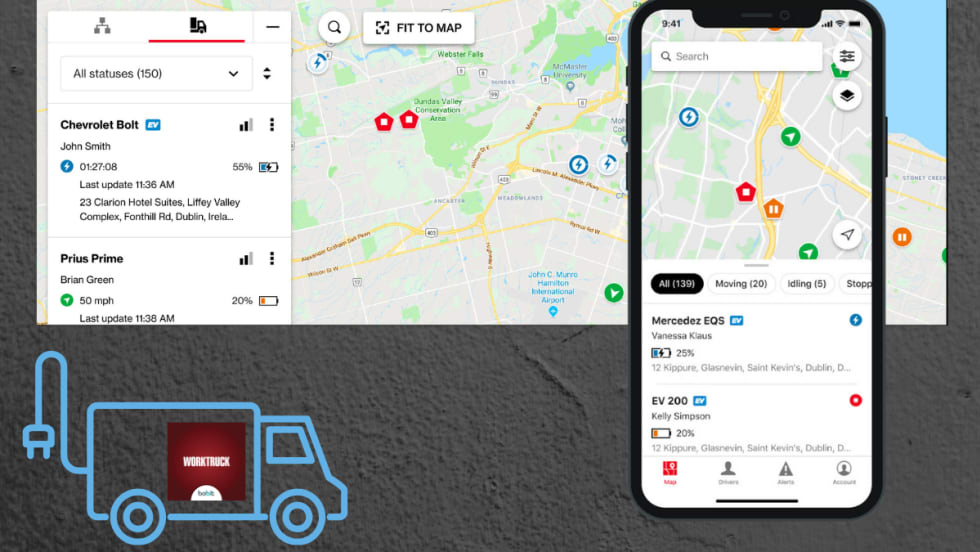
Verizon Connect Adds New EV Features to Reveal
Beginning next month, Verizon Connect Reveal customers in the U.S. and Canada will be able to more effectively support various vehicle types – both gasoline-powered and EVs – in one pane of glass.
Read More →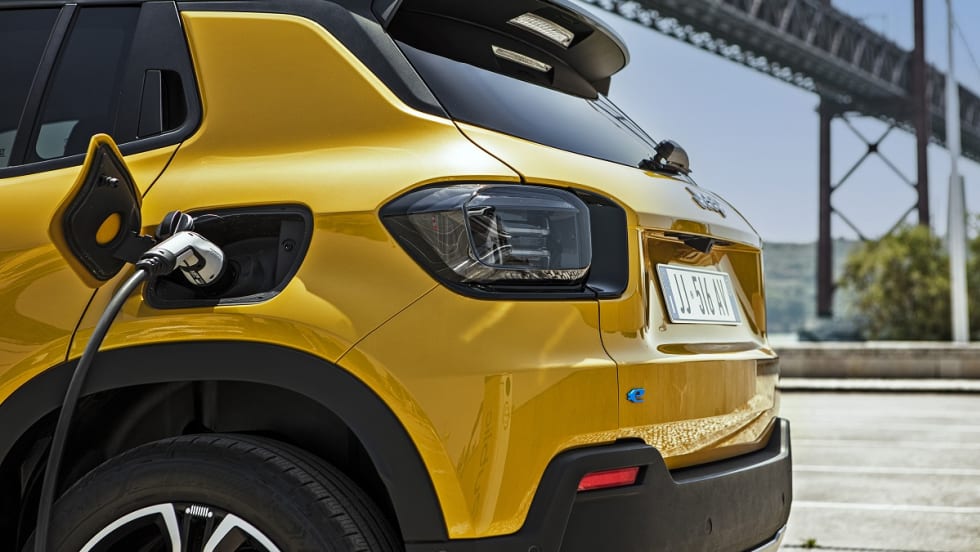
Jeep Reveals Plan for SUV Electrification
With an eye on becoming a zero-emission SUV leader, Jeep unveils its plans for four new all-electric SUVs in North America and Europe by 2025.
Read More →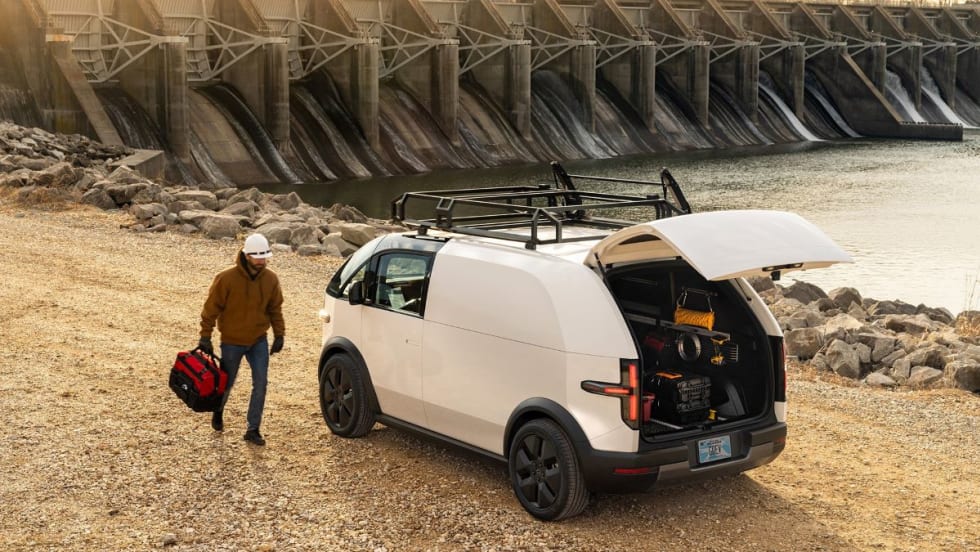
Canoo Vehicles Added to Fleet Forward Tour Dallas
Attendees will be able to ride along in the electric Canoo Lifestyle Vehicle (LV) and the Canoo Lifestyle Delivery Vehicle (LDV), along with electric passenger cars, trucks, and vans from eight other automakers.
Read More →
What to Know Before You Choose an Alt-Fuel Vehicle
What are the pros, cons, and costs of the primary alternative-fuel options for your fleet?
Read More →Subscribe to Our Newsletter