


Ford Pro e-Telematics Helps Fleet Track E-Transit Efficiency
Canadian electrical contractor Fize Electrique shares how it uses Ford Pro e-Telematics to drive and track efficiency in the battery-electric Fords in its fleet, mostly comprised of E-Transit vans, even in the brutal cold of winter.

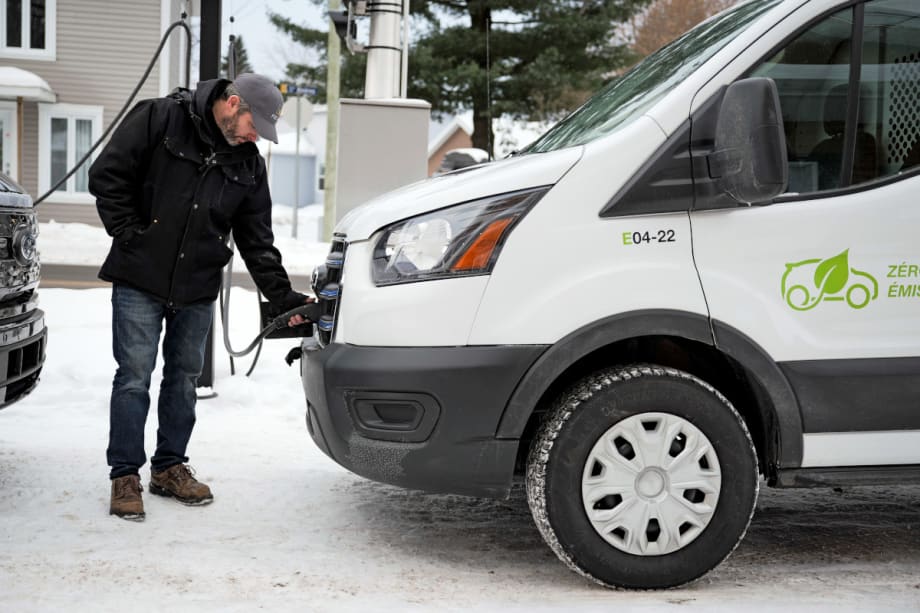
Fize Electrique’s EV fleet includes seven E-Transit vans.
Photo: Ford Pro
The electric vehicle market is growing in Canada, and Ford continues to play a big part in this transition with full-year battery-electric vehicle (BEV) sales up 30% year-over-year. Fize Electrique runs a completely zero-emission fleet with the support of data and analytics from Ford Pro e-Telematics and delivers year-round with 66kWh E-Transit vans.
Zero-Emissions Fleet
Based out of Lévis, electrical contractor Fize Electrique began transitioning its fleet to electric starting in 2018. Today, their fleet of more than 10 vehicles is fully zero-emissions, including seven E-Transit vans, an F-150 Lightning, and a Mustang Mach-E.
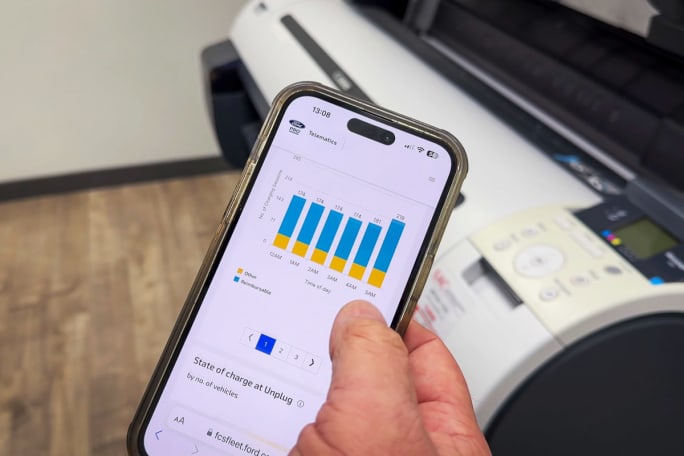
Ford Pro e-Telematics allows users to track charge status and other key metrics by smartphone.
Photo: Ford Pro
Ford Pro e-Telematics Subscription
Ford Pro e-Telematics is a subscription service for commercial customers that includes all Ford Pro Telematics features plus:
Real-time range status
Charge status
Remote preconditioning
Home-charging reimbursement for employees
Every Ford EV comes with a trial subscription to the service, meaning customers can manage all aspects of their fleet from the convenience of a smartphone or laptop, no matter where they are.
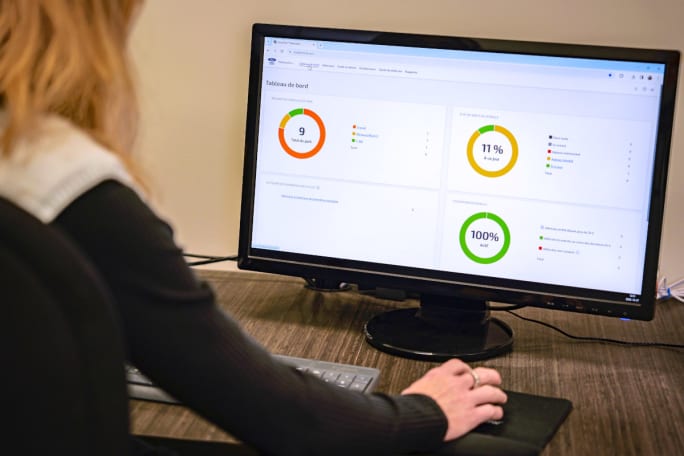
Ford Pro e-Telematics keeps Fize Electrique informed and provides data to drive efficiency in the electrical contractor’s battery-electric fleet.
Photo: Ford Pro
Tracking EV Fleet Efficiency
According to Alain Fiset, director of Smart Energy for Fize Electrique, data from Ford Pro e-Telematics shows that the Ford E-Transit — despite having a smaller battery and lower estimated range than the F-150 Lightning or Mustang Mach-E — has been a perfect fit for the company’s needs.
“Using Ford Pro e-Telematics, we’re able to track our range and efficiency at any moment, and even in the winter our E-Transit vans have plenty of capability to meet our needs,” said Fiset. “We put about 25,000 kilometers (15,534 miles) on our vans each year, or about 100 kilometers (62 miles) a day on average. For the work we do every day, the Ford E-Transit is a perfect mix of capability and efficiency.”
Preparing for EV Transition
Achieving this level of efficiency did not happen by chance, according to Fiset. It required research on available vehicles and services before transitioning their fleet, along with training their employees in good EV practices.
Key elements of the transition to zero-emissions for the fleet involved:
Understanding how its fleet of internal combustion engine vehicles was being utilized on an average day, and over the course of a year, helped Fiset and his team choose the right electric vehicle for each job and determine when it was right to make the transition.
Using Ford Pro e-Telematics, Fiset and his team have been able to track real-time range and charge status, calculate range averages by vehicle throughout the year, remotely precondition vehicles, and seamlessly reimburse employees for home charging costs.
Taking the e-Telematics data and training their employees on how to maximize vehicle efficiency, including vehicle preconditioning and responsible driving habits.
Ford Pro said this is another example of how customers are utilizing its vehicles and services to accelerate their business productivity.
Order banks for the enhanced-range version of the Ford E-Transit are now open.
Originally posted on Work Truck Online
More Telematics & Tech

Samsara Driver Perks Gives Small Fleets a Ready Made Driver Benefit
Small fleets can offer drivers discounts from more than 50 brands without building or managing their own employee rewards program.
Read More →
Smith System Says Small Fleets Need a Safety Cadence Not More Data
Smith System’s new Driver Risk Management program aims to help smaller fleets turn telematics and camera data into a repeatable coaching process without building a dedicated safety department.
Read More →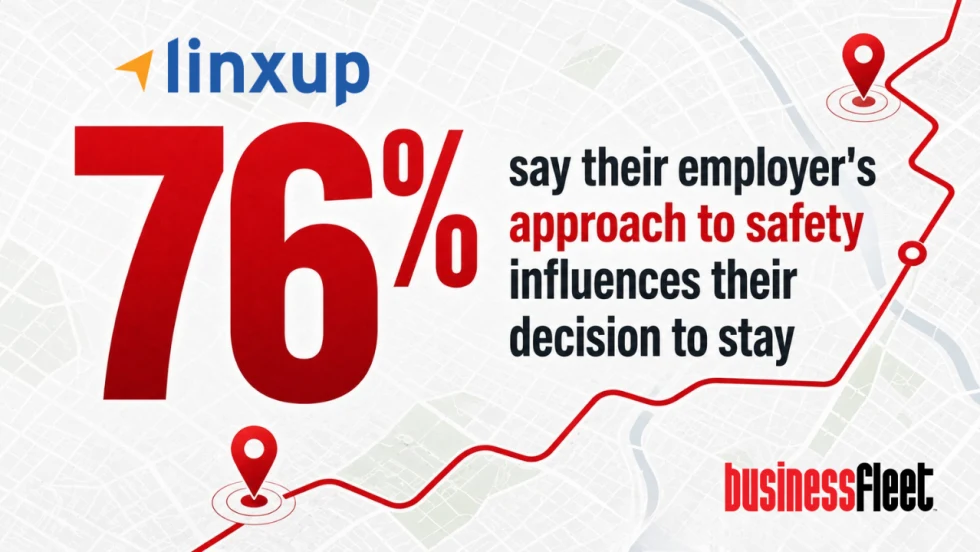
Dash Cams May Be Doing More Than Protecting Your Fleet Vehicles
Dash cams and GPS tracking may do more than improve safety. New survey findings link fleet technology to driver protection, employee retention, and customer confidence.
Read More →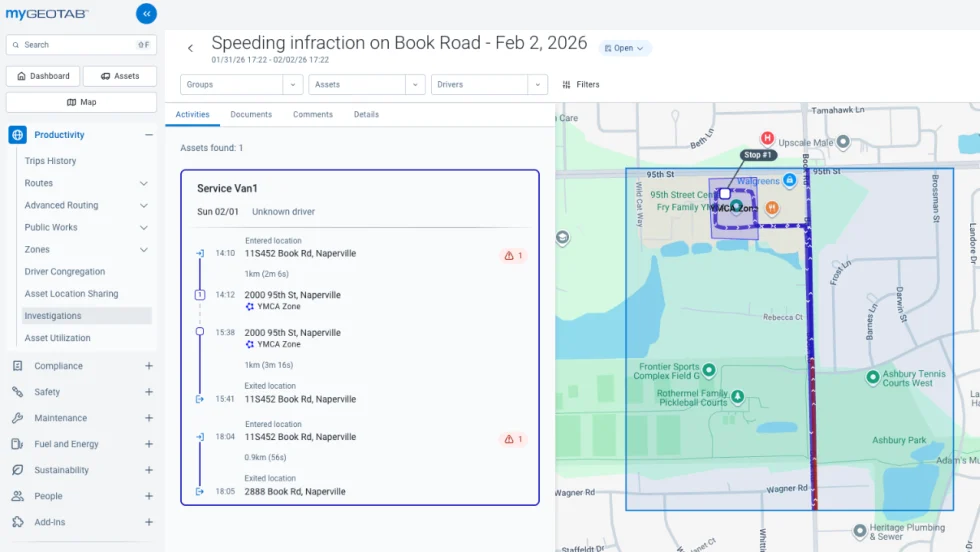
Geotab Adds Investigation Tools to Cut the Post-Incident Paper Chase
When a company vehicle is involved in a crash or complaint, Geotab Investigations brings telematics data, photos, reports, and other records into one case workflow.
Read More →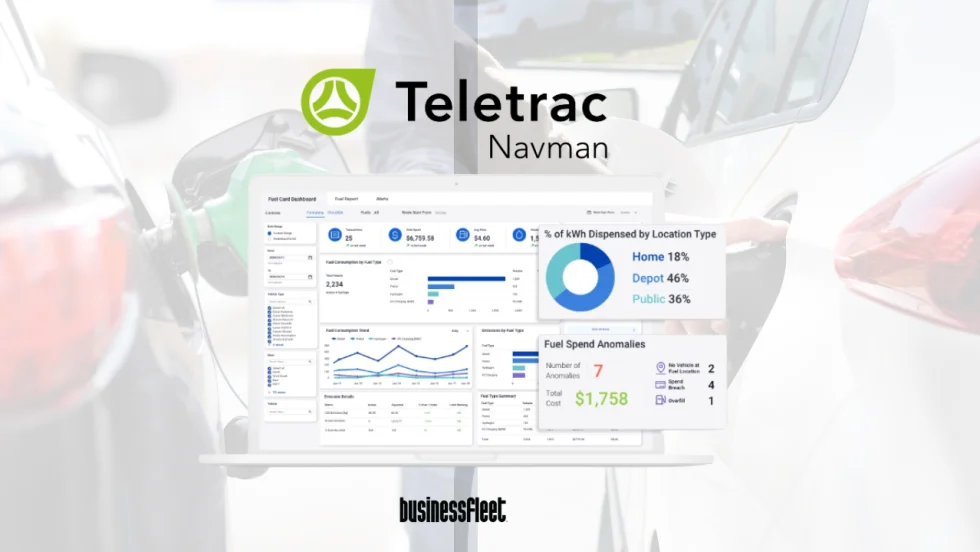
Teletrac Navman Adds Mixed-Energy Tracking to TN360
Energy Hub combines fuel card data, EV charging activity, reimbursements, and vehicle energy use in one dashboard for fleets operating gasoline, hybrid, and electric vehicles.
Read More →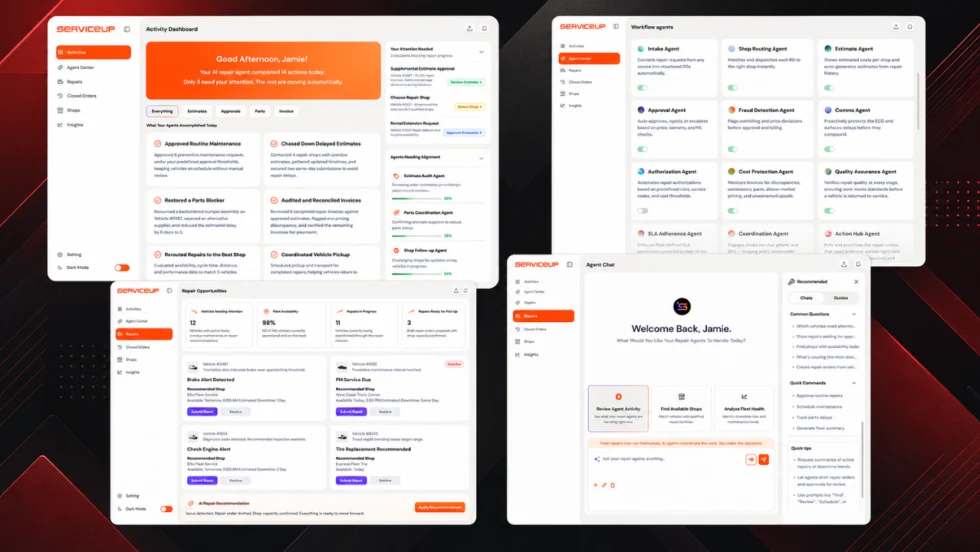
ServiceUp Brings Automated Repair Coordination to Small Fleet Operators
New AI repair agents handle shop calls, estimate reviews, status checks, and invoice validation so business owners can spend less time coordinating vehicle repairs.
Read More →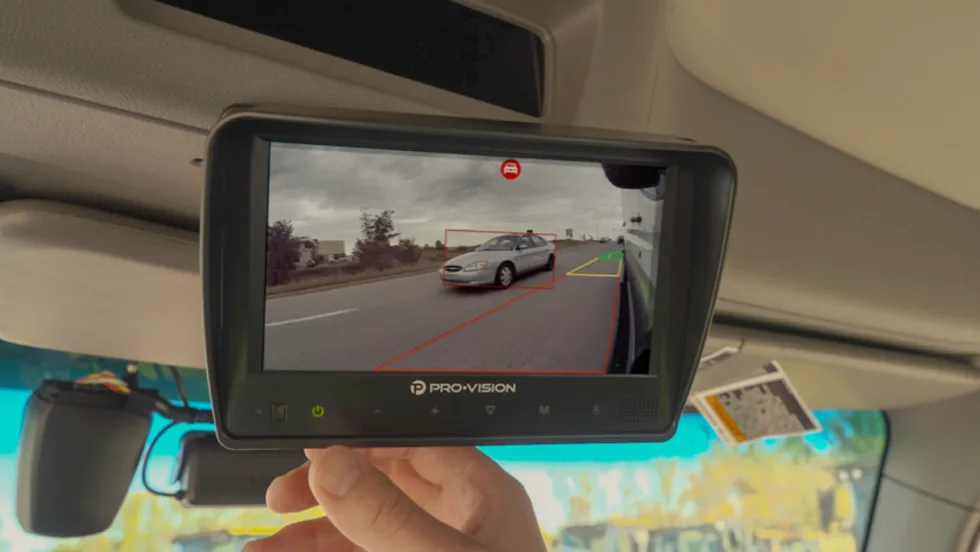
Pro-Vision Expands AI Fleet Safety Beyond the Cab
Pro-Vision's new AI camera and processing module extend real-time exterior hazard detection while integrating with leading fleet telematics platforms.
Read More →
Trimble to Add Hotel Booking Capabilities to Fleet Products Through Engine Partnership
Trimble is adding hotel-booking capabilities to its fleet tools, helping drivers and small fleets find lodging faster during trips and breakdowns.
Read More →
TruckDocsAI Launches AI-Powered Compliance Platform for Owner-Operators and Small Fleets
Can AI simplify DOT compliance? TruckDocsAI launches a new platform for owner-operators and small fleets facing audit pressures.
Read More →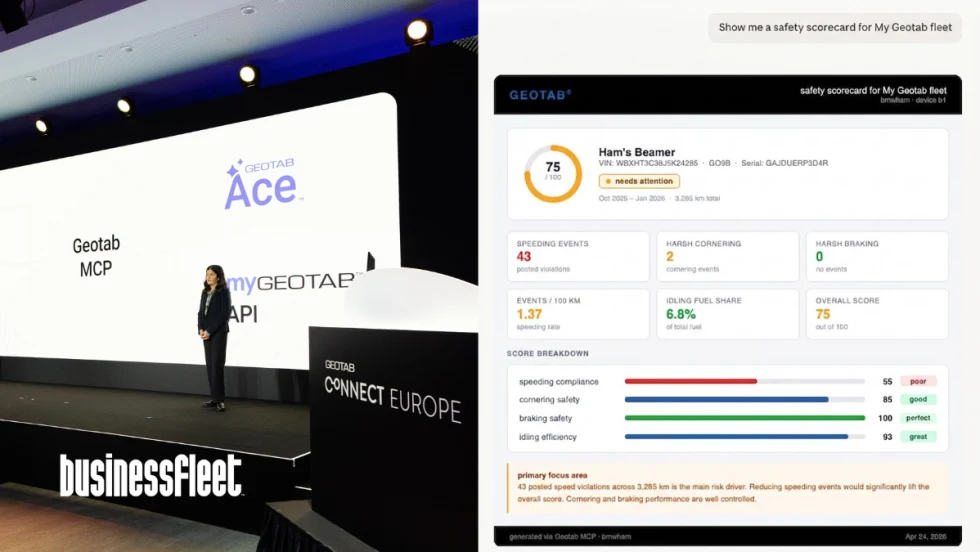
Geotab Says Fleet AI Success Depends More on Data Than the AI Model Itself
Geotab's new AI connector links fleet data with ChatGPT and other platforms, helping organizations turn AI investments into business results.
Read More →