


Small Fleets Plugging In
All-electric and plug-in hybrid electric work vehicles are on the horizon in configurations that make sense for small fleets.


Electric and hybrid work vehicles were beginning to move from fleet testing toward broader commercial use as manufacturers explored battery-electric and plug-in hybrid options for small- and medium-sized fleets.
Business Fleet
- Small fleets are set to benefit from the introduction of all-electric and plug-in hybrid electric work vehicles.
- Configurations of these vehicles are being developed to meet the specific needs of small-scale operations.
- The availability of electric work vehicles presents a practical option for small fleet owners considering sustainable alternatives.
*Summarized by AI
Work trucks with hybrid-electric powertrains have been in fleet testing since the beginning of the millennium. National corporations with large delivery fleets such as PepsiCo, Coca Cola, Frito Lay, UPS and FedEx have been leading the way, using proprietary delivery vans purpose-built in conjunction with hybrid propulsion systems makers Eaton and Odyne.
Meanwhile, large municipal fleets have been first adopters of hybrid trucks for utility, telecom, refuse and over-the-road applications.
Truck manufacturers International, Freightliner, Kenworth and Peterbilt all market, in limited quantities, hybrid-electric versions of their gas- and diesel-powered medium- and heavy-duty offerings.
Now pure electric work vehicles are coming into play, in configurations that make sense for small fleets. The recently passed American Recovery and Reinvestment Act of 2009 is spurring the charge with financial incentives of up to $15,000 for the purchase of electric vehicles, in addition to state and municipal grants and tax credits.
Nonetheless, the mass production of over-the-road electric work vehicles is still "on the horizon." Manufacturers must contend with costly and ever-changing battery technology, and developing a sales and service infrastructure is a major undertaking. Making the business case for an electric work vehicle is a challenge. Even with government incentives, the savings recouped in fuel could take years to outweigh the high cap costs.
Even so, the market for commercial all-electric vehicles has exploded in the past two years with major manufacturers and startup companies jumping on board. Here is an update of four manufacturers' plans to develop all-electric (EV) and plug-in hybrid electric (PHEV) vehicles aimed specifically for small- and medium-sized fleet use.
A Bright IDEA
Bright Automotive is developing the world's first purpose-built, mass-produced PHEV. Named the IDEA, the Class 1 and 2a van is aimed at commercial and government fleets.
On a full charge, the IDEA uses battery power for the first 30 miles, using little or no gasoline and less than $1 of electricity. After this, it functions like other hybrids. For commercial customers with a 50-mile daily urban route, Bright says the IDEA uses about a half-gallon of gas, which is equivalent to attaining 100 mpg.
At the same time, Bright says each IDEA will reduce CO2 output by up to 16 tons each year over competing vehicles. A key reason for such high efficiency is vehicle weight and aerodynamics: the curb weight target for the IDEA is 3,200 pounds, some 1,500 pounds less than the average competitor.
The IDEA features a 180-cu.-ft., 1-ton cargo capacity, ergonomic design, innovative cargo compartment and a patent-pending passenger seat that converts to a mobile office. The company says it consulted with more than 50 fleet managers in the design process.
Bright Automotive launched in 2008 out of the energy and environmental think tank Rocky Mountain Institute. John E. Waters, the company's president and CEO, invented the battery-pack system for GM's first production electric vehicle, the EV1. The manufacturer has announced that high-volume production of the IDEA will begin in the U.S. by the end of 2012, with an annual run rate of 50,000 units beginning in 2013.
In the meantime, the company is looking to install its PHEV powertrain in the European Volkswagen Transporter van and bring it to the U.S. for limited fleet testing in 2010. "The idea is to help get more vehicles out in the hands of fleets so they can develop confidence in our powertrain and overall propulsion system, and get real-world use out of the vehicles," says Lyle Shuey, Bright Automotive's VP of marketing and sales.
Smith Newton Delivered to Fleets
The Tanfield Group, a British electric truck maker, has plans to build and sell a line of medium-duty all-electric trucks in the United States.
Tanfield, which manufactures electric commercial vehicles in Europe, has incorporated Smith Electric Vehicles U.S. (SEV U.S). The Smith Newton is a medium-duty truck with a gross vehicle weight (GVW) of 16,500 to 26,400 lbs. The Newton is powered by a lithium-ion phosphate battery pack and possesses a range in excess of 100 miles. The trucks will be assembled at the company's 80,000 square-foot plant in Kansas City. SEV U.S. could begin building Smith Newton electric trucks in the United States this year, according to the company.
SEV U.S. is initially focusing its production of EV trucks for "depot-based predictable-route delivery and service fleets." Some 30 Smith Newtons are being tested presently in six U.S. commercial and municipal fleets: Pacific Gas and Electric Company, Coca-Cola, Staples, Frito-Lay, AT&T and Kansas City Power & Light.
In addition, SEV U.S. has produced a prototype all-electric utility truck with an aerial device. The truck is a Smith Newton with an aerial bucket integrated by Altec Industries Inc. Pacific Gas and Electric Company (PG&E) will test the unit with overhead line work.
Transit Connect Goes Electric
Ford has announced plans to market its first pure battery electric-powered light commercial vehicle in North America in 2010 based on the Transit Connect global commercial vehicle platform.
Ford is working with Smith Electric Vehicles to convert the Transit Connect to battery-electric power. In the U.K. and some European markets, Smith already offers battery-electric versions of the Ford Transit van to fleet customers.
Ford says the Transit Connect is a logical platform for battery electric power, as many commercial users travel predictable, short-range, stop-and-go routes in urban and suburban environments. The Ford Transit Connect BEV will have a range of up to 100 miles, Ford says.
"The new Transit Connect light commercial vehicle with battery electric power represents the next logical step in our pursuit of even greater fuel economy and sustainability," says Derrick Kuzak, Ford's group vice president of Global Product Development.
EV Trucks Made to Order
Electric Vehicles International (EVI), a manufacturer of commercial electric vehicles, announced a line of road-ready electric and hybrid-electric Class 3-6 commercial vehicles at the Mid-America Trucking Show in March.
The trucks are assembled from glider kits with a customizable hybrid or all-electric powertrain. The manufacturer's eviLightTruck is offered in numerous configurations in Classes 3, 4 or 5/6, with maximum speeds of 45 to 60 mph and LNG and CNG options for hybrid configurations. EVI's motors and controllers are built in the U.S. The patented lithium phosphate batteries are supplied by Valence Technology of Austin, Texas.
According to EVI, the trucks meet DOT Title 49 requirements and can be delivered within 60 days of order. Price range is $55,000 to $65,000 for the Class 3 to 4 truck, exclusive of batteries, which are leased separately for about $1,300 a month.
The company also offers its drivetrains to retrofit existing combustion engine vehicles to HEVs.
EVI is relocating its worldwide headquarters and primary U.S. manufacturing facility to Stockton, Calif. The manufacture of brand new models is expected to begin in early 2010.
Quick Answers
All-electric and plug-in hybrid electric work vehicles are being introduced for small fleets.
*Summarized by AI
Originally posted on Automotive Fleet
More Green Fleet & Sustainability

Fleet Forward Conference Introduces One-Day Passes for 2026
New one-day registration gives fleet professionals the flexibility to attend Tuesday, Wednesday, or Thursday, with passes available for $199 through Sept. 18.
Read More →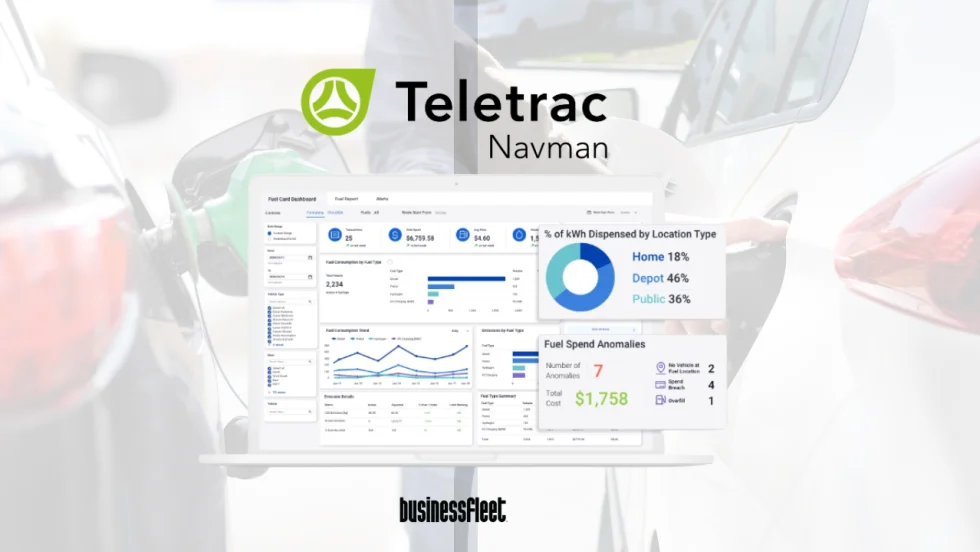
Teletrac Navman Adds Mixed-Energy Tracking to TN360
Energy Hub combines fuel card data, EV charging activity, reimbursements, and vehicle energy use in one dashboard for fleets operating gasoline, hybrid, and electric vehicles.
Read More →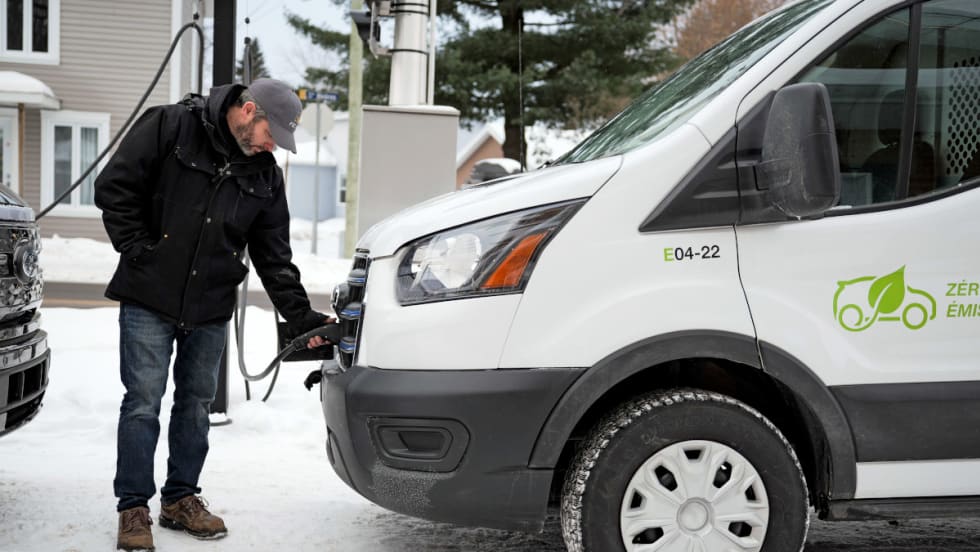
Ford Pro e-Telematics Helps Fleet Track E-Transit Efficiency
Canadian electrical contractor Fize Electrique shares how it uses Ford Pro e-Telematics to drive and track efficiency in the battery-electric Fords in its fleet, mostly comprised of E-Transit vans, even in the brutal cold of winter.
Read More →
How to Maximize Benefits of PHEVs In Fleets
Plug-in hybrid vehicles can reduce fleets’ carbon emissions as well as range anxiety. This analysis shows the positive impacts of proper PHEV use, and the negative environmental and financial consequences if your drivers aren’t plugging them in.
Read More →
How Increased CAFE Standards Will Affect Fleets
The year 2026 will mark a turning point with multiple regulations converging to push for greater fuel economy in cars and trucks.
Read More →
How To Reimburse Electric Vehicle Drivers for Charging at Home
Calculating reimbursement for at-home EV charging requires lots of precision, but several options are available ease the process for fleets.
Read More →
Buying vs. Leasing Electric Vehicles: Pros & Cons
As your fleet plans out its electrification roadmap, consider whether buying or leasing EVs make sense for your needs. Here’s what to consider.
Read More →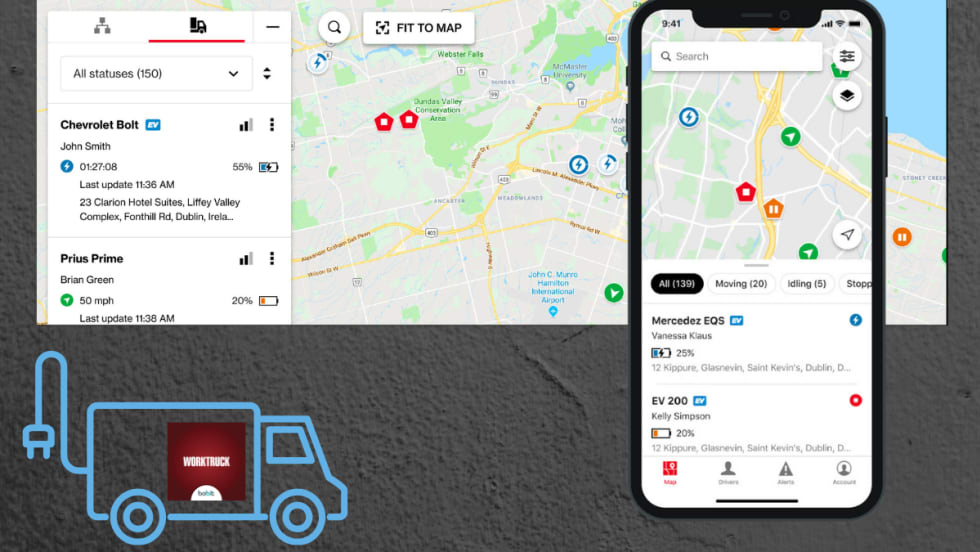
Verizon Connect Adds New EV Features to Reveal
Beginning next month, Verizon Connect Reveal customers in the U.S. and Canada will be able to more effectively support various vehicle types – both gasoline-powered and EVs – in one pane of glass.
Read More →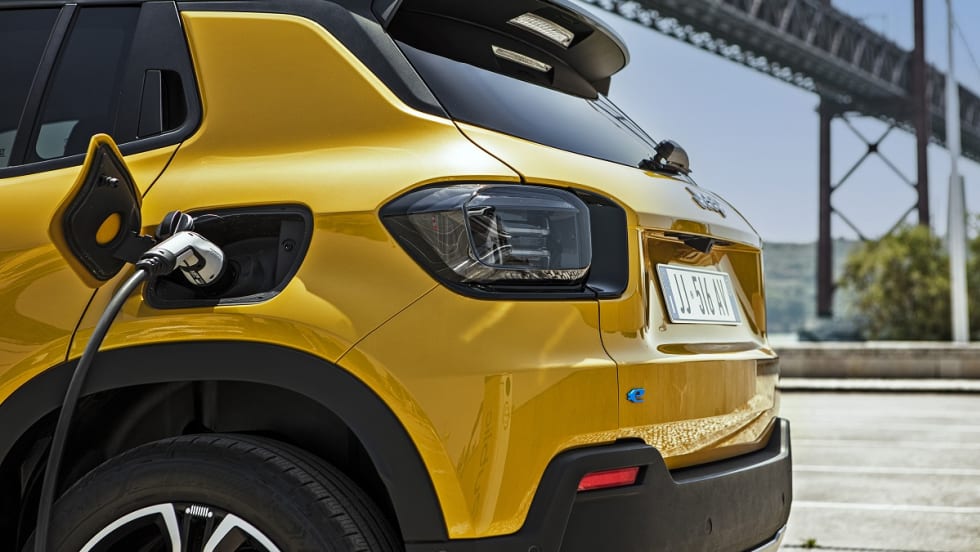
Jeep Reveals Plan for SUV Electrification
With an eye on becoming a zero-emission SUV leader, Jeep unveils its plans for four new all-electric SUVs in North America and Europe by 2025.
Read More →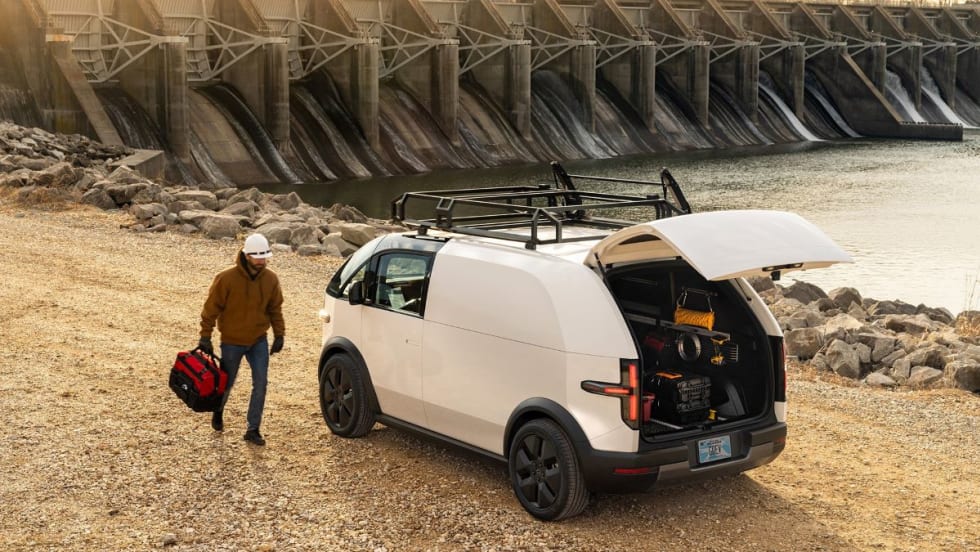
Canoo Vehicles Added to Fleet Forward Tour Dallas
Attendees will be able to ride along in the electric Canoo Lifestyle Vehicle (LV) and the Canoo Lifestyle Delivery Vehicle (LDV), along with electric passenger cars, trucks, and vans from eight other automakers.
Read More →