


Tips to Managing Electric Vehicle Range in Winter
With range reductions of up to 40% in subzero conditions, electric vehicle batteries need special care in winter. The operator of this small fleet in the mountains of Colorado knows from experience.
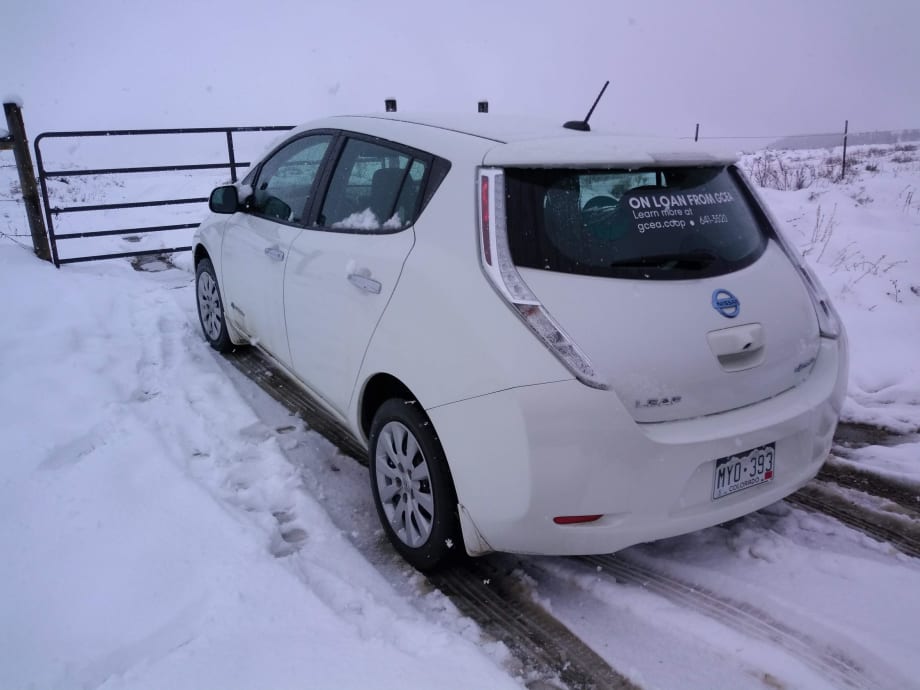
The Nissan Leaf and other BEVs in the GCEA fleet operate regularly throughout the winter at elevations greater than 7,000 feet. GCEA has since pulled the Leaf and a Chevy Spark from the loaner program and will be selling them.
Photos courtesy of GCEA.
Alliy Sahagan coasted in a 2017 Nissan Leaf into the Gunnison County Electric Association (GCEA) warehouse in Gunnison, Colo. on the electric vehicle equivalent of running on fumes. Just minutes earlier, the Leaf’s dashboard told her the car had zero miles left and a 9% battery charge.
Sahagan was returning from what was supposed to be a 25-mile test drive on a minus 5-degrees Fahrenheit January morning. When she left the electric utility company’s warehouse, she didn’t notice the battery level was at 63%.
Sahagan knew GCEA operating guidelines warn battery electric vehicle (BEV) operators to expect up to a 40% reduction in vehicle range in Gunnison’s subzero winter weather.
“In my haste, I neglected to follow some of my own EV prep preaching,” says Sahagan, who oversees the association’s BEV loan program, which includes the Leaf, a Chevy Spark model and two other hybrid-electric vehicles.
She has since used this story as a cautionary tale to help people remember the dos and don’ts of operating electric vehicles during the winter.
Battery Science
According to the University of Michigan’s Energy Institute, the batteries on electric vehicles are much like human beings — they prefer the same temperature range of 60 to 80 degrees for optimal performance. As a result, charging should take place at temperatures above freezing.
As the temperature drops, the battery’s electrolyte fluid flows more sluggishly. At temperatures below freezing, charging the battery without first reducing the charge current causes the battery to become less mechanically stable and more prone to sudden failure, warns RELiON manufacturer of a low-temperature lithium iron phosphate battery.
According to RELiON, under normal conditions, the battery’s lithium ions are soaked up by the porous graphite in the anode, or negative terminal, much how a sponge soaks up water.
Below freezing, however, the anode doesn’t efficiently capture the lithium ions. Instead, many lithium ions coat the surface of the anode, restricting the flow of electricity and causing the battery’s capacity to drop.
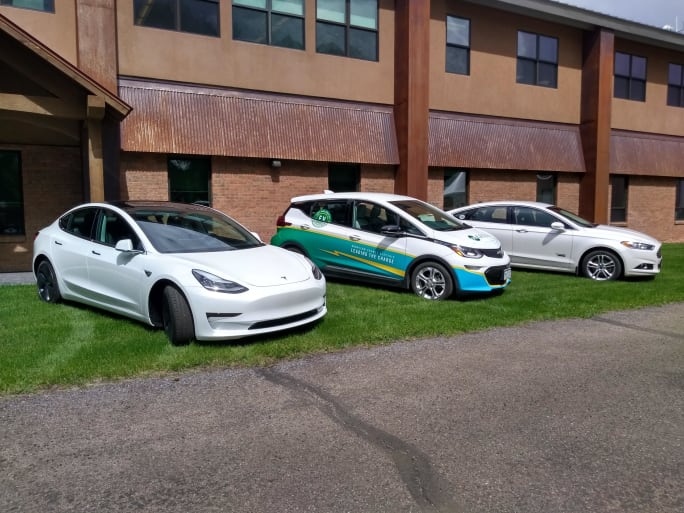
Photos courtesy of GCEA.
Low Temp Advice
For BEV operators, these recommendations will help maximize performance and range:
Always use a battery management system to recharge an electric vehicle battery, particularly during extreme cold and hot weather. The system will protect the battery from damage by appropriately regulating the charge rate in extreme temperatures.
Whenever possible, avoid running an electric vehicle below 20% charge, particularly in winter. Unless you can warm up the battery using a block heater or parking in a heated garage, the BEV may need that power to warm itself up to where it can accept a charge.
Use an application associated with publicly available charging stations to locate them along your route to recharge the battery.
Remember that most charging stations are designated Level 2, which means it could take up to several hours to get a full charge. Need a faster charge? Look for “DC fast charge” or Level 3 charging stations. While few in numbers at this stage, these stations can recharge batteries in as little as 30 minutes.
Wind speed can also greatly impact BEV range.
When the battery is low, or the vehicle isn’t running, be sure to limit the use of or shut off unnecessary accessories that will continue to drain the battery and reduce range.
The capacity of BEVs to receive charges can vary, particularly in extreme temperatures, which will affect recharge times.
Originally posted on Automotive Fleet
More Green Fleet & Sustainability

Fleet Forward Conference Introduces One-Day Passes for 2026
New one-day registration gives fleet professionals the flexibility to attend Tuesday, Wednesday, or Thursday, with passes available for $199 through Sept. 18.
Read More →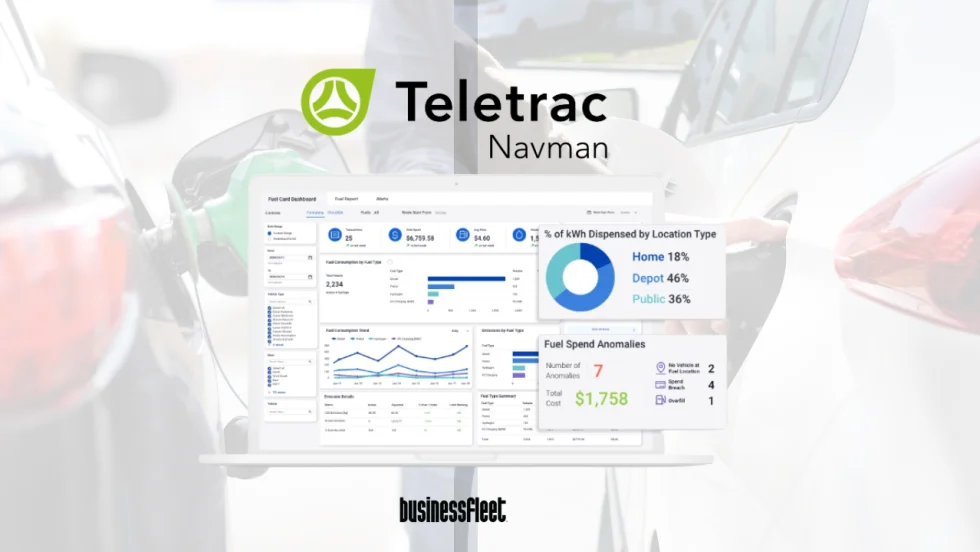
Teletrac Navman Adds Mixed-Energy Tracking to TN360
Energy Hub combines fuel card data, EV charging activity, reimbursements, and vehicle energy use in one dashboard for fleets operating gasoline, hybrid, and electric vehicles.
Read More →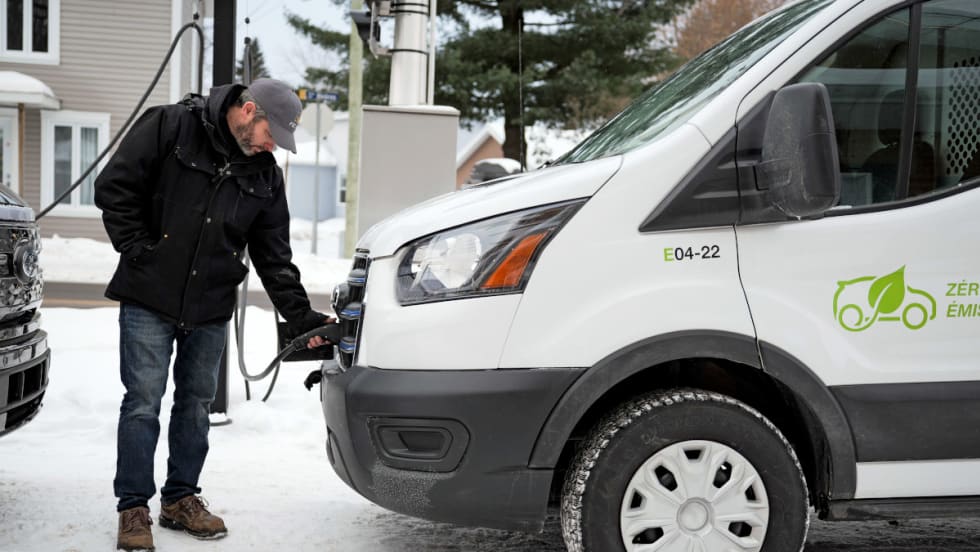
Ford Pro e-Telematics Helps Fleet Track E-Transit Efficiency
Canadian electrical contractor Fize Electrique shares how it uses Ford Pro e-Telematics to drive and track efficiency in the battery-electric Fords in its fleet, mostly comprised of E-Transit vans, even in the brutal cold of winter.
Read More →
How to Maximize Benefits of PHEVs In Fleets
Plug-in hybrid vehicles can reduce fleets’ carbon emissions as well as range anxiety. This analysis shows the positive impacts of proper PHEV use, and the negative environmental and financial consequences if your drivers aren’t plugging them in.
Read More →
How Increased CAFE Standards Will Affect Fleets
The year 2026 will mark a turning point with multiple regulations converging to push for greater fuel economy in cars and trucks.
Read More →
How To Reimburse Electric Vehicle Drivers for Charging at Home
Calculating reimbursement for at-home EV charging requires lots of precision, but several options are available ease the process for fleets.
Read More →
Buying vs. Leasing Electric Vehicles: Pros & Cons
As your fleet plans out its electrification roadmap, consider whether buying or leasing EVs make sense for your needs. Here’s what to consider.
Read More →
Verizon Connect Adds New EV Features to Reveal
Beginning next month, Verizon Connect Reveal customers in the U.S. and Canada will be able to more effectively support various vehicle types – both gasoline-powered and EVs – in one pane of glass.
Read More →
Jeep Reveals Plan for SUV Electrification
With an eye on becoming a zero-emission SUV leader, Jeep unveils its plans for four new all-electric SUVs in North America and Europe by 2025.
Read More →
Canoo Vehicles Added to Fleet Forward Tour Dallas
Attendees will be able to ride along in the electric Canoo Lifestyle Vehicle (LV) and the Canoo Lifestyle Delivery Vehicle (LDV), along with electric passenger cars, trucks, and vans from eight other automakers.
Read More →