


10 Annoying Things about Today’s Cars
I know I’m getting cantankerous in my old age, but don’t get me started about things like keyless start, backup cameras and “instant” fuel economy.

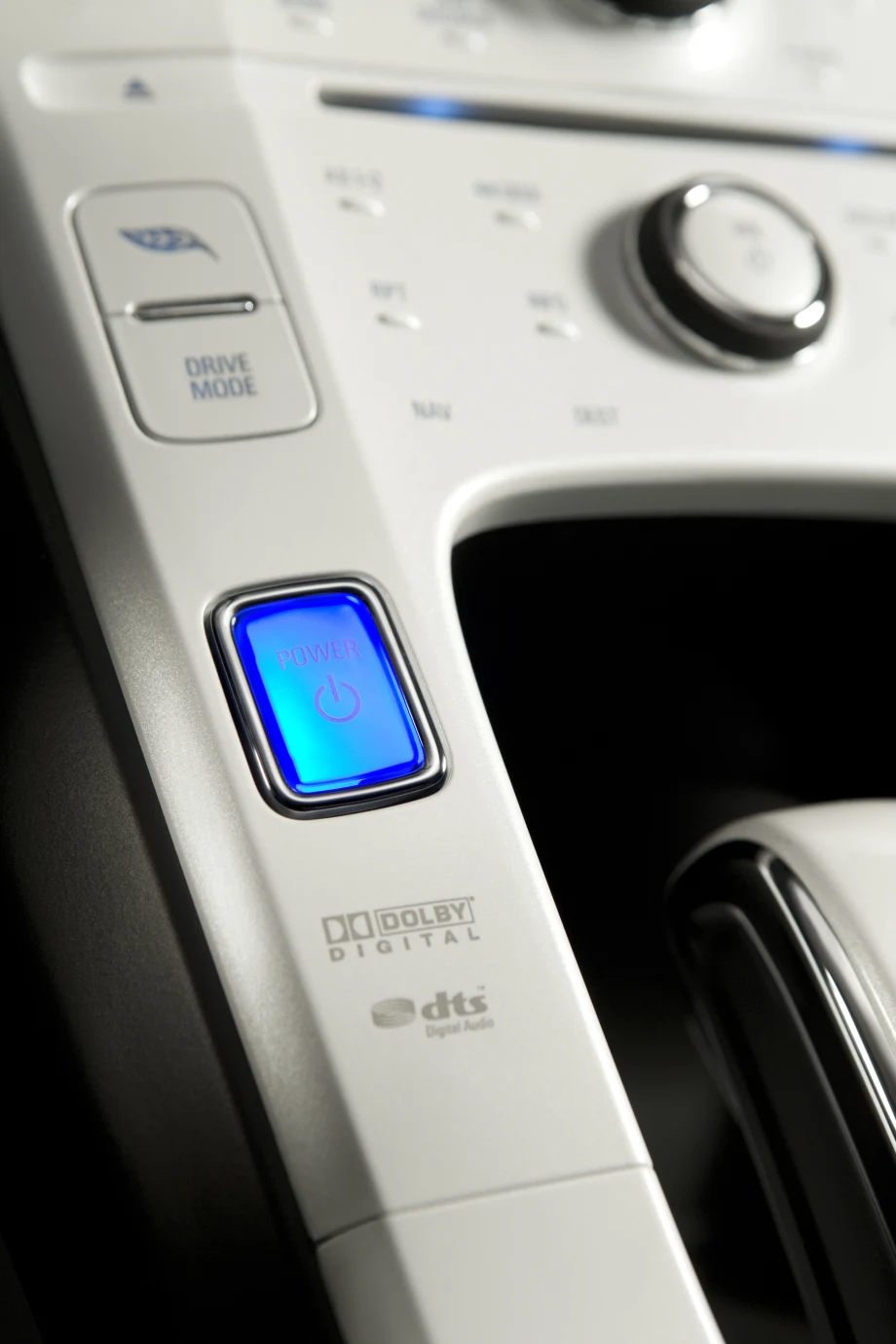
Photo courtesy of General Motor Corp.
The push-botton, keyless start function in the 2011 Chevrolet Volt.
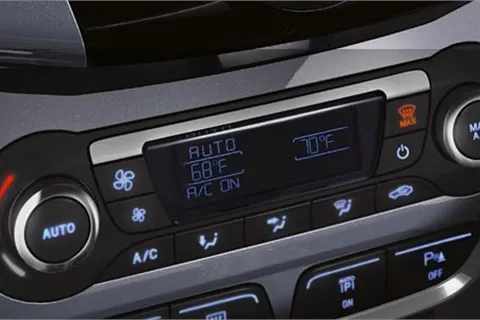
Photo courtesy of Ford Motor Co.
The "auto" function in the 2012 Ford Focus SEL 5-door
First of all, let me preface this blog by saying that I love today’s cars. Some 15 years ago, the list of annoying things would have been three times as long. But through each successive model generation, manufacturers have honed the build quality, drivability, features, tech goodies and fit and finish to the point that there really are no bad cars out there.
These annoyances, then, may better be described as personal preferences. If the majority of drivers felt the same way, auto manufacturers would’ve corrected them … right? At any rate, I guess I need a chance to sound off, or at least pay homage to Andy Rooney, god rest his soul.
Photo courtesy of General Motor Corp.
The push-botton, keyless start function in the 2011 Chevrolet Volt.
1. Push button keyless start: We don’t put keys in ignitions anymore, so who am I to fight the wheels of progress? To me, the ignition is actually a perfectly good place to store a key while the car is turned on. Pushing a button to start a car is cooler than actually turning a key — how passé! But now I have to find another place to put my dang key chain. It usually ends up in the cup holder, removing a perfectly good place to put my coffee. Or, I end up padding my pockets trying to find my keys when I exit the car. I know the keyless start system is an added layer of theft prevention. But if you lose that fancy key fob, it’ll cost a pretty penny more than a good old fashioned key.
2. Cup holders in side door pockets: Door pockets are handy for some stuff, but not cups. Not only does your cup never quite fit in there — it’s always jammed in sideways—the cup is too far for my short arms to reach. I suppose if your center console cup holder isn’t taken by a key chain, then you wouldn’t need the side cup holder at all.
3. Remote door unlock: As we all know, door fobs use a series of button presses to unlock the front doors, back doors hatch or trunk. On my wife’s car, you have to press the first unlock button twice to open the back doors and another button to open the trunk. I’ve always got stuff in my hands, and finding the right button to press and pressing it twice is just annoying. Can’t we just make one button to lock, and one to unlock all doors? I’ve been told this is a security issue, like if someone was waiting to crawl in your trunk or back door without you noticing and then… attack from behind as you drive away! Really? If someone wants your car, they’ll put a knife or a gun in your face and take it.
4. Remote door lock sound: While we’re at it, I hate vehicles that use the car’s horn to signal that the doors are locked. A horn is startling, and it feels like the manufacturer was too cheap to install an extra beep sound (they probably were), which makes it especially annoying on high-end vehicles. An unobtrusive beep works just fine.
5. Instant fuel economy gauge: Obviously, average fuel economy is a great thing to have, but to me, knowing my fuel economy on a second-to-second basis is utterly useless. Have you ever watched the instant mpg gauge go from 96 mpg to 13 mpg to 49 mpg just by tapping your brakes? I suppose some hyper-miler can use the gauge to proactively adjust his driving to be more fuel efficient. I can’t.
6. Seat adjust: On some cars, the manual seat adjustment is a pump mechanism in which you have to jack the lever 20 times to raise the seat an inch. Fix this, or at least market it as an in-car workout machine.
7. “Auto” function on air conditioner: When you hit the A/C button in some cars, it automatically reverts to “auto,” which is set at full blast and is noisy. Usually this happens when you first start the car, and the A/C isn’t even blowing cold air yet. I’m sure this can be adjusted, but I’ve never bothered to figure out how.
8. Radio presets: Setting a radio station as a preset should be a no brainer. You hit and hold the preset button for two seconds to set the station. Any other way is too complicated. Luxury cars get a pass, because the radios are all controlled through a digital display. Have you tried to figure those out? Don’t get me started.
9. Backup camera screen built into rearview mirror: Specific to very few models, you’d think this would be a nifty combination — put the backup screen where we’re looking already, the rearview mirror. The reality is that the view screen is too small to actually see what’s going on back there.
10. Capless fuel-filler system: OK, this is one instance in which an improvement makes the old way annoying. Some Fords have dispensed with the screw cap by using a spring-loaded flapper door in its place. I love it! Now I’m annoyed when I get into other cars and I have to deal with an old-fashioned screw cap.
For those road warriors out there who are behind the wheel three times as much as the rest of us — what do you think? Are there aspects of today’s models that irritate you?
More Blog Posts
2021 Ford Transit Offers Versatility for Fleets
For the 2021-MY, Ford made ergonomic enhancements for drivers and added an available Parcel Delivery Package. This follows a major refresh in 2020, which added a Crew version, a new standard engine, standard active safety technologies, and embedded telematics to the Transit van family.
Read More →
Recognizing the Other Essential Drivers
Vocational and business fleet drivers don’t get the attention that truckers do. Yet they too are on the front lines, and their jobs often bring them into uncontrolled environments every day.
Read More →
It’s Time to Formulate an ADAS Game Plan
As proliferation of Advanced Driver Assistance Systems (ADAS) increases, skilled labor, equipment, and training costs will increase as well. Fleet operators can’t mitigate these financial burdens by cutting corners on ADAS recalibration and repairs.
Read More →
The Future is Electric, But…
With an increasing emphasis on emissions reductions mandates, will fleet operators get caught between clean technologies on their way out and an electric future that hasn’t yet arrived?
Read More →
6 Trend Lines from the 2019 Work Truck Show
From giant leaps in torque and towing to heavy duty truck personalization and chassis cab styling, these trends emerged from this year’s Work Truck Show in Indianapolis.
Read More →
They’re Coming for Your Diesel
In Southern California and other parts of the world, regulators are coalescing to ban, or severely curtail, diesel vehicles. There’s a growing disconnect with the mandates to green the environment and the availability of products and technologies to get us there.
Read More →
Hey Cannabis Companies, Welcome to Fleet
An industry is forming, and it needs help with fleet. In the meantime, the fleet industry should know that these new businesses are navigating extraordinary circumstances, which is forcing them to be better fleet operators pretty darn quick.
Read More →
Takeaways from the Fleet Forward Conference
Most attendees — from established fleets and vendors to new players that were only formed five years ago — didn’t know anyone. But that’s exactly the point.
Read More →
Is it Time to Rethink How Drivers Are Paid?
With the ELD rule affecting miles driven, and drivers’ duties increasingly including more than just driving the vehicle, what can be done to more accurately and fairly reflect a driver’s workday?
Read More →
Whatever Happened to CNG?
While the light-duty market for compressed natural gas vehicles has almost evaporated, new near zero emissions technology and drastic reductions in infrastructure costs have reinvigorated the market for medium- and heavy-duty applications — even for smaller fleets.
Read More →