


Hey Cannabis Companies, Welcome to Fleet
An industry is forming, and it needs help with fleet. In the meantime, the fleet industry should know that these new businesses are navigating extraordinary circumstances, which is forcing them to be better fleet operators pretty darn quick.


Fleets serving the cannabis industry transport pounds of marijuana and hundreds of thousands of dollars in cash for most deliveries.
Photo courtesy of Hardcar.
Dear Cannabis Operator,
I’d like to welcome you to the world of fleet. The reason for this open letter is to explain to you that this part of your business is more important than you think, and that we’re here to help.
As marijuana has only been legal in some form for a couple of years in most states, I realize your businesses are pretty new. Yet you’re processing massive growth: The industry earned $8.3 billion in 2017, which will grow to $23 billion to $30 billion by 2025. (For perspective, the entire auto rental industry in the U.S. generated $30 billion last year.)
Being so young and with such fast growth, you’re putting the needed brainpower into big-picture challenges: Should you vertically integrate or outsource? Should you adopt an alcohol or pharmaceutical industry supply chain model?
But when talking about total cost of ownership (TCO) for your fleet, you’re kind of clueless. That’s okay, because your fleet learning curve is steeper than the Splash Mountain drop at Disney World. You’re new. We’ve all been there.
It’s time you start investigating TCO and the eight factors that define it: depreciation, financing, fees and taxes, fuel, insurance, maintenance, opportunity cost, and repairs. You’ll learn how much vehicle selection can affect your holding costs.
It’s time to understand that certain dealerships are better at selling vans and trucks than others. The good ones will weigh the right finance or lease programs for you, help you spec your vehicles, deliver them to you, pick them up for priority servicing, and dispose of them at the right time. The fleet managers at those dealerships are wells of knowledge — use them.
When you get a little bigger, you’ll be able to deal directly with fleet representatives from the auto manufacturers who will give you fleet discounts and ordering tools. And there are fleet management companies that will introduce you to a suite of outsourced services so you can concentrate on your core mission.
For those in fleet, let me introduce you to the cannabis industry:
First, let’s dispel the stereotype of the pot grower in Birkenstocks and the Ben & Jerry’s Cherry Garcia tie-dye. This off-the-grid mentality has given way to startups with millions venture capital. You’re dealing with professionals.
Cannabis fleets must navigate extraordinary circumstances, which has forced them to become better operators in a shorter timeframe.
Federal illegality means they can’t cross state lines, and must even avoid federal checkpoints near our nation’s borders.
This fact has also created an all-cash industry unprecedented for its size, which forces operators to move hundreds of thousands of dollars in hard currency daily. (Imagine having to deliver your federal tax payment in a duffel bag full of cash pushed through a window at a regional tax office.)
Combined with the fact that marijuana is one of the most “fence-able” products on the planet, operators have had to develop and implement their own best practices for safe and efficient transport. These include stringent safety protocols for deliveries, extra scrutiny for driver hiring, training and management, and implementing state-of-the-art security technology.
Remember your learning curve on telematics? California regulations specify that cannabis transport must be tracked via GPS.
That rule is turning these new cannabis fleets operators into “telematics natives,” adopters from Day One. And while they’re not yet getting the full benefit of all that telematics has to offer (sound familiar?), they view their systems as essential, regulation or not.
Owing to the obvious security concerns — as well as being alerted to accidents immediately — cannabis operators are also willful adopters of event-triggered dashcams and live streaming camera systems around their cargo vans.
You sweated your contractor’s package on your three-quarter-ton dually? These guys sweat over armoring just the cab or the full body, whether they should get the five- or nine-camera surveillance system, type of material for steel caging, and how to fit 20 programmable lockboxes into a dual-zone refrigerated body. On the outside, it better look like any old white cargo van.
So cannabis operators, the fleet industry now understands the vast expanse of opportunity before you, along with a sample of your challenges. You may not know it yet, but there are a myriad of ways to save money and make your fleet and routing more efficient. There is an industry waiting to help you.
Related: What's in that White Cargo Van?
More Blog Posts
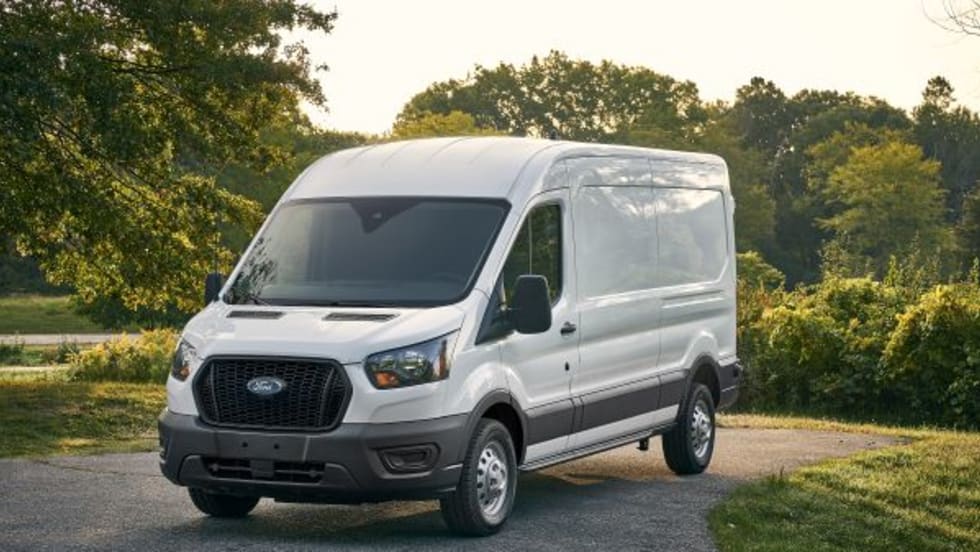
2021 Ford Transit Offers Versatility for Fleets
For the 2021-MY, Ford made ergonomic enhancements for drivers and added an available Parcel Delivery Package. This follows a major refresh in 2020, which added a Crew version, a new standard engine, standard active safety technologies, and embedded telematics to the Transit van family.
Read More →
Recognizing the Other Essential Drivers
Vocational and business fleet drivers don’t get the attention that truckers do. Yet they too are on the front lines, and their jobs often bring them into uncontrolled environments every day.
Read More →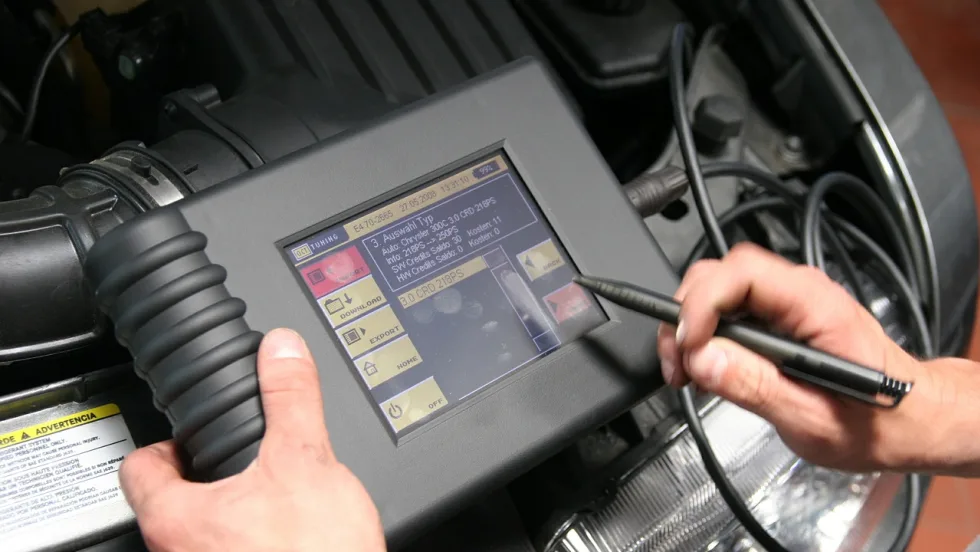
It’s Time to Formulate an ADAS Game Plan
As proliferation of Advanced Driver Assistance Systems (ADAS) increases, skilled labor, equipment, and training costs will increase as well. Fleet operators can’t mitigate these financial burdens by cutting corners on ADAS recalibration and repairs.
Read More →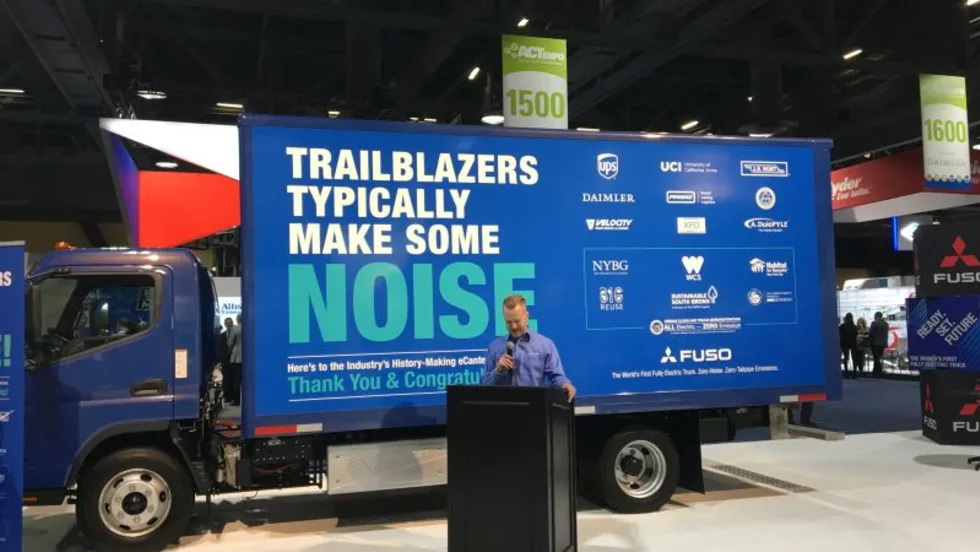
The Future is Electric, But…
With an increasing emphasis on emissions reductions mandates, will fleet operators get caught between clean technologies on their way out and an electric future that hasn’t yet arrived?
Read More →
6 Trend Lines from the 2019 Work Truck Show
From giant leaps in torque and towing to heavy duty truck personalization and chassis cab styling, these trends emerged from this year’s Work Truck Show in Indianapolis.
Read More →
They’re Coming for Your Diesel
In Southern California and other parts of the world, regulators are coalescing to ban, or severely curtail, diesel vehicles. There’s a growing disconnect with the mandates to green the environment and the availability of products and technologies to get us there.
Read More →
Takeaways from the Fleet Forward Conference
Most attendees — from established fleets and vendors to new players that were only formed five years ago — didn’t know anyone. But that’s exactly the point.
Read More →
Is it Time to Rethink How Drivers Are Paid?
With the ELD rule affecting miles driven, and drivers’ duties increasingly including more than just driving the vehicle, what can be done to more accurately and fairly reflect a driver’s workday?
Read More →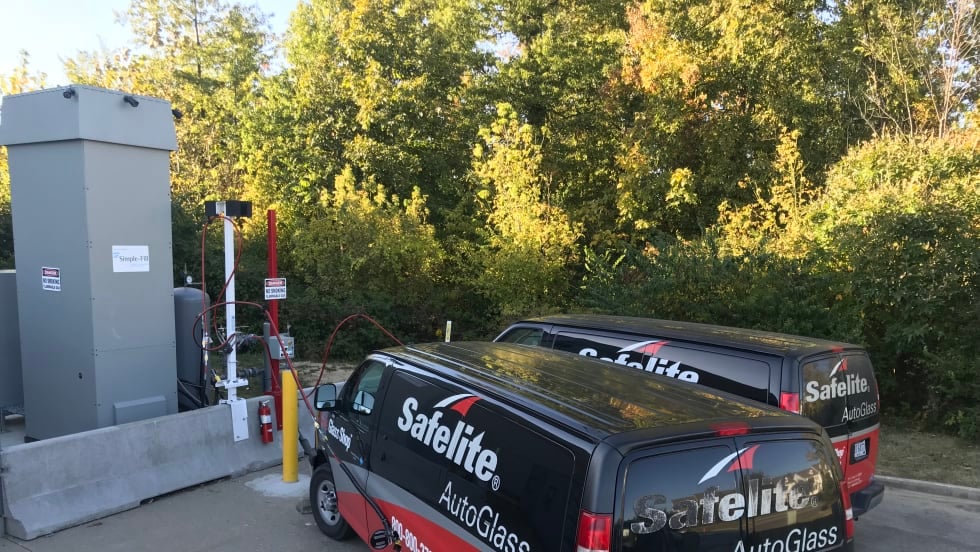
Whatever Happened to CNG?
While the light-duty market for compressed natural gas vehicles has almost evaporated, new near zero emissions technology and drastic reductions in infrastructure costs have reinvigorated the market for medium- and heavy-duty applications — even for smaller fleets.
Read More →
6 Takeaways from the 2018 International Car Rental Show
Technological solutions are finally moving from reality to theory, peer-to-peer platforms are being redefined, China has the biggest room for growth, while Sixt’s U.S. aspirations have only just begun.
Read More →