


A Call for Recall Preparedness
In light of the massive recent automotive recalls, car rental companies should prepare for the Big One by acting out a “recall fire drill.”

During the Cold War, school kids were told to duck under their desks in the classroom. In California, we preach earthquake preparedness. In the world of car rental, it’s time to prepare for and act out a “recall fire drill.”
Last year, vehicle recalls reached a nine-year high with 21.9 million vehicles affected. The first four months of 2014 alone have seen recall announcements from Toyota and General Motors covering more than 12 million vehicles globally. If this pace keeps up, 2014 would break the record for number of recalled vehicles in a calendar year.
The largest single recall — covering GM’s faulty ignition switches — does not concern vehicles found in the vast majority of rental fleets. (However, other recent GM recalls do cover vehicles in rental fleets, including later model GM SUVs, vans and pickup trucks as well as Chevrolet 1.4L Cruze turbo sedans.)
GM is just starting to deliver replacement ignition switches for the recall that began in February, though it expects just half of the switches to be available by the end of August. The end of August? Imagine if this recall did affect rental fleets, especially in light of pending national legislation that would ground all recalled rental vehicles within 48 hours or less until repairs are made.
Passing this recall legislation is the right thing to do, and the legislation has the support of the American Car Rental Association (ACRA) as well as the major car rental companies. But at this point, it’s not time to worry about the legislation; it’s time to get prepared.
This is not an easy task, and it has many facets.
For insight, we can look back to how the major Toyota recalls of 2010 were handled. With dealers coming to rental lots to make repairs, Toyota dealers and car rental companies worked together to fix the problem; it was a model of cooperation. “We scheduled [repairs] during lower utility periods and it was not really too disruptive,” says Monty Merrill, an Austin-based Dollar and Thrifty licensee.
But it took weeks — months in some cases — to get all those vehicles fixed.
During these series of recent recalls, a truck and van rental company reports having “worked very closely” with GM to fix 95% of GM’s recalled vans within two weeks of receiving parts. Under pending legislation, that amounts to two weeks of lost use of those vans. Is it possible to work any closer to shrink that time?
Understanding the Consequences
The major car rental companies, along with larger franchises and independents, are approved to have their mechanics make light warranty and recall repairs, mainly the American brands. However, car rental operators say this works best for software recalls or “inspect-only” recalls, but not as much when parts are required. What happens with long parts delays?
On the remarketing side, recalls as a rule don’t affect resale values, says Ricky Beggs, managing editor of Black Book. Yet Beggs says these latest recalls present some possible dynamics to watch out for.
A delay in fixing recalled rental fleet vehicles — while offering replacement vehicles to consumers at the same time — would mean those vehicles would be held through the car rental industry’s spring “churn” season. Holding a substantial number of rental vehicles from remarketing would benefit the present market. However, when those vehicles finally do make it back into the lanes en masse, and with more miles, it could hurt values, Beggs says.
And then there are the customer service issues. How does the rental company respond when renters are hundreds of miles away when the recall notice comes down, and renters — as is their reasonable right — voluntarily ground the vehicle and insists on trading it out for another vehicle? How should renters be reimbursed if they take the vehicle to the dealership and wait until it gets repaired?
When supply is pulled out of the market for recall repairs, a natural consequence is a rise in prices. What happens to rental rates?
“It is getting more and more challenging every year,” says Brad Meyer, a large Dollar, Thrifty and Hertz licensee in Arkansas, Alabama, Indiana and Michigan. Meyer cites the trend toward auto parts consolidation across many models, causing larger recalls and greater logistical issues to get the vehicles repaired.
Says Phil Spink, who handles recalls for Meyer’s franchise: “Due to this increased volume, it is more of an issue than just grounding the cars and moving to a dealer for repair.” Spink brings up the issues of repair hierarchy (dealer stock, retail or fleet), parts availability and the legalities surrounding how the notification is transmitted and received.
The Recall Fire Drill
Franchisees such as those run by Meyer and Merrill are continually honing their processes when it comes to repairing recalled vehicles. Your operations should begin these process improvements — before a big recall comes down.
Consider acting out a “recall fire drill.” Imagine a recall of the vehicle model (or models) with the largest percentage of your fleet. Do some hypothetical modeling around the premise that you will be forced to ground that model for an extended period of time.
Look back at how you’ve handled recalls in the past. How long did it take for parts to arrive, and how did it affect utilization? How would that change if you were forced to immediately ground all those vehicles? How would you satisfy reservations? How would you coach your staff to deal with the customer service issues?
Talk to your factory reps and ask some hard questions, understanding you might not get immediate answers. Talk to your local dealers and understand how they are handling present recalls on the ground. What is the hierarchy of repairs? What are the repair times? If they provide loaners to retail customers, would any be available for rental fleets?
Look at your fleet planning. If you diversified your fleet by one, two or more models, would this mitigate your recall problems?
You don’t need the Boy Scouts, Smokey the Bear or your fourth-grade teacher to remind you: “preparedness is paramount.”
“I don't know how the industry will be able to ground 30% to 40% of its fleet and still service the customers’ demand,” Spink says, though he is confident to ultimately meet the challenge. “It is going to be a major undertaking, but I believe we as an industry will be able to manage the recalls as they are announced. It will take a group effort, and the manufacturers will have to assist in this also.”
More Blog Posts
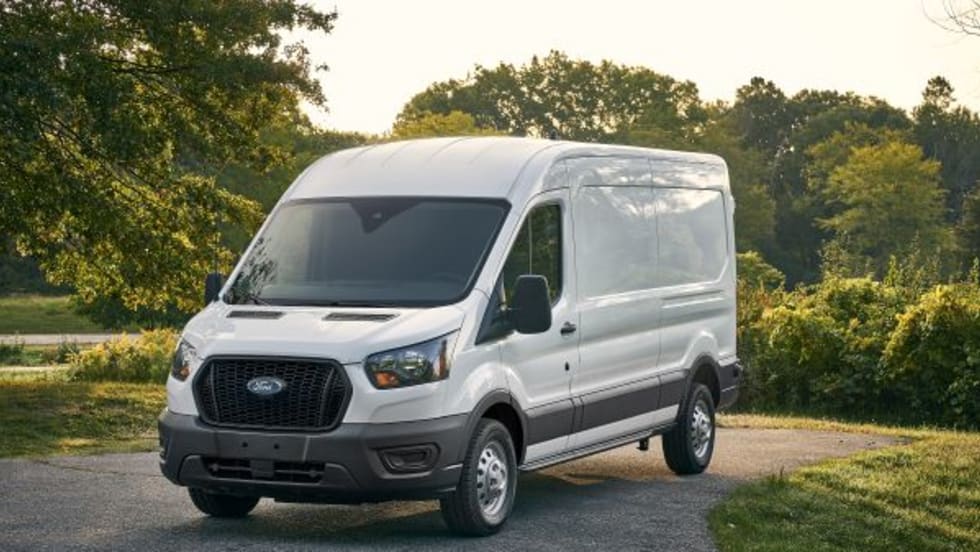
2021 Ford Transit Offers Versatility for Fleets
For the 2021-MY, Ford made ergonomic enhancements for drivers and added an available Parcel Delivery Package. This follows a major refresh in 2020, which added a Crew version, a new standard engine, standard active safety technologies, and embedded telematics to the Transit van family.
Read More →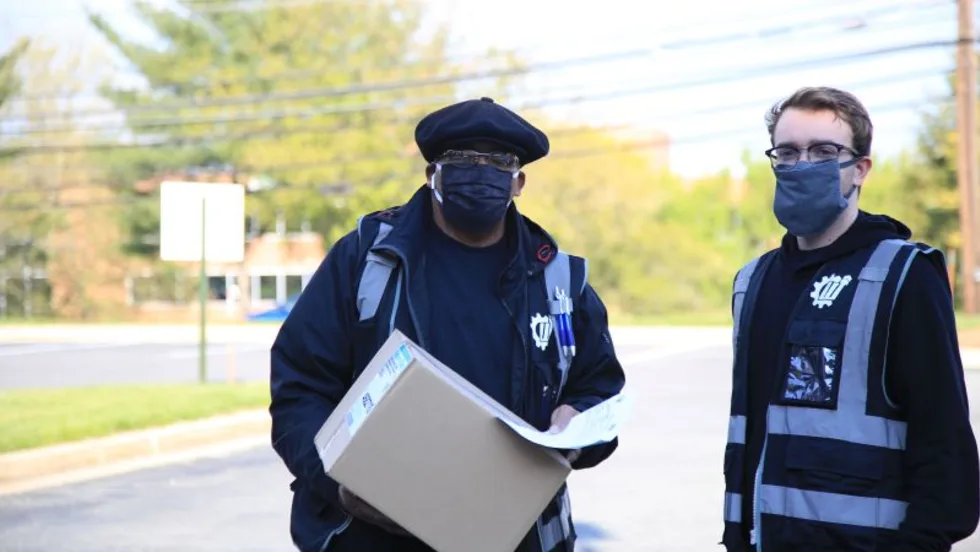
Recognizing the Other Essential Drivers
Vocational and business fleet drivers don’t get the attention that truckers do. Yet they too are on the front lines, and their jobs often bring them into uncontrolled environments every day.
Read More →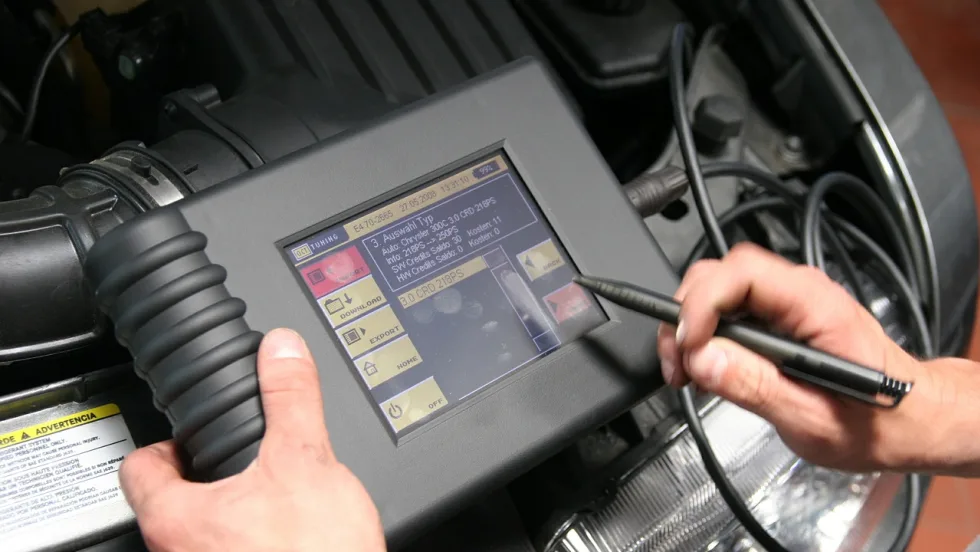
It’s Time to Formulate an ADAS Game Plan
As proliferation of Advanced Driver Assistance Systems (ADAS) increases, skilled labor, equipment, and training costs will increase as well. Fleet operators can’t mitigate these financial burdens by cutting corners on ADAS recalibration and repairs.
Read More →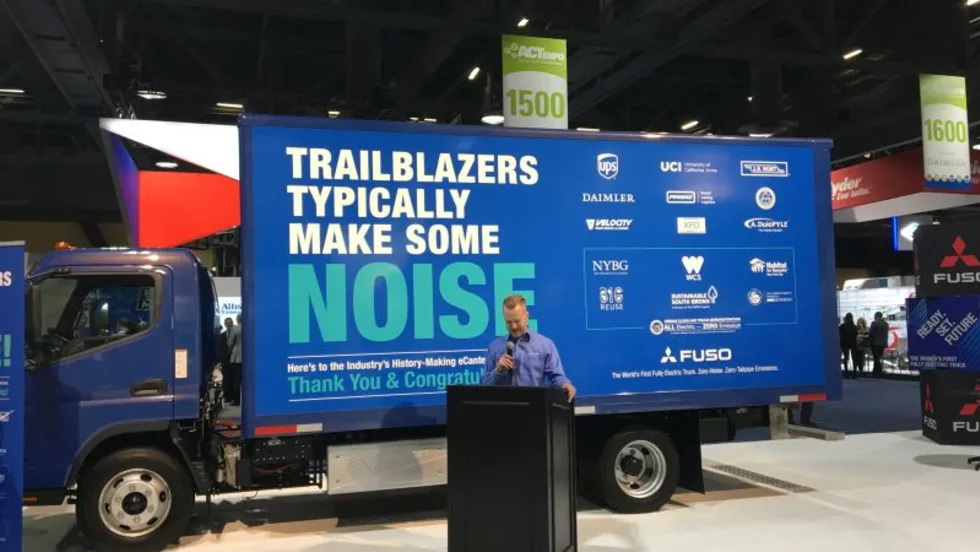
The Future is Electric, But…
With an increasing emphasis on emissions reductions mandates, will fleet operators get caught between clean technologies on their way out and an electric future that hasn’t yet arrived?
Read More →
6 Trend Lines from the 2019 Work Truck Show
From giant leaps in torque and towing to heavy duty truck personalization and chassis cab styling, these trends emerged from this year’s Work Truck Show in Indianapolis.
Read More →
They’re Coming for Your Diesel
In Southern California and other parts of the world, regulators are coalescing to ban, or severely curtail, diesel vehicles. There’s a growing disconnect with the mandates to green the environment and the availability of products and technologies to get us there.
Read More →
Hey Cannabis Companies, Welcome to Fleet
An industry is forming, and it needs help with fleet. In the meantime, the fleet industry should know that these new businesses are navigating extraordinary circumstances, which is forcing them to be better fleet operators pretty darn quick.
Read More →
Takeaways from the Fleet Forward Conference
Most attendees — from established fleets and vendors to new players that were only formed five years ago — didn’t know anyone. But that’s exactly the point.
Read More →
Is it Time to Rethink How Drivers Are Paid?
With the ELD rule affecting miles driven, and drivers’ duties increasingly including more than just driving the vehicle, what can be done to more accurately and fairly reflect a driver’s workday?
Read More →
Whatever Happened to CNG?
While the light-duty market for compressed natural gas vehicles has almost evaporated, new near zero emissions technology and drastic reductions in infrastructure costs have reinvigorated the market for medium- and heavy-duty applications — even for smaller fleets.
Read More →