


Are Commercial Drone Deliveries Imminent in the U.S.?
Amazon just delivered its first package by drone in England. Will U.S. delivery fleets be able to take advantage soon?

Amazon made its first drone delivery to an actual customer on Dec. 7. Amazon CEO Jeff Bezos released video of the flight via a tweet yesterday. The fully autonomous, GPS-guided delivery of a 5-lb. package of popcorn and an Amazon Fire Stick took place near Cambridge, England.
The promise of unmanned aerial vehicles (UAVs) for commercial deliveries is great: they purport to reduce carbon output, alleviate vehicle congestion, and cut delivery costs to pennies. But will U.S. delivery fleets be able to take advantage soon?
While Amazon just demonstrated proof of concept in England, new rules from the Federal Aviation Administration (FAA) challenge the ability of fleets to realize the cost benefits, at least for now.
In its rulemaking issued this summer, the FAA eased some restrictions such as the requirement that drone pilots need commercial aviation licenses. This change will drive acceleration of other commercial applications in engineering, agriculture, insurance, emergency response, and real estate. However, drones are still required to stay within unaided sight of the pilot, who must be in control of the drone.
Amazon’s autonomous system falls out of those parameters. However, Cincinnati-based Workhorse Group is addressing the FAA’s regulations with its HorseFly drone system, designed to operate manually and within line of sight of the truck operator. The company has applied for a waiver with the FAA. “We built (our system) thinking the FAA ruling was going to happen,” says Stephen Burns, CEO of Workhorse Group.
Instead of Amazon’s warehouse-to-customer system, the HorseFly drone method works off the “last mile” concept by launching off the roof of a delivery truck. After the drone reaches its coordinates for the delivery, instead of landing it hovers at 25 feet and lowers a winch containing the package. If the HorseFly drone detects an issue — say, a bird in its path — it knows to autonomously freeze and send an alert to the driver, who can maneuver the drone via a camera feed or visually as needed.
To fully realize the cost benefits of autonomy, however, the driver would launch the drone unmonitored and then make other deliveries in the area, while the drone would autonomously land on the truck before it left the area. Under FAA’s present rules, this isn’t yet allowed.
As in England, initial deliveries in the U.S. would take place in rural areas, which benefit fleets because rural deliveries are more expensive. Perhaps the next steps would be to allow line of site with binoculars or let the on-board camera perform this function, Burns says.
Drones that can handle larger loads are also in development, though the safety stakes are higher if a large package falls from a drone. As well, a drone designed to carry a 10-lb. package a reasonable distance would need a heavier battery that could surpass the FAA’s required 55-lb. total weight limit. Another issue, Burns says, is making sure the drone can return to base with its load if something goes wrong.
Right now, the U.S. seems content to let other countries do the heavy lifting when it comes to testing.
But implementing drone deliveries may be more critical than we think, at least for Amazon — its shipping costs are up a whopping 43% in the third quarter of this year compared to 2015. This alone will accelerate the need to figure out acceptable drone regulations.
“At 3 cents a mile, no pollution, no maintenance, and no driver time, there are too many benefits for it not to happen,” says Burns. “It’s going to happen; it’s just a question of when.”
The industry will ultimately solve these challenges and drones will become an extension of transportation and delivery fleet services. But the present issues surrounding autonomous drone use foreshadows an even larger one for fleets — how to assimilate into the world of driverless vehicles.
At the very least, “Drones can navigate much easier than self-driving cars,” Burns says.
More Blog Posts
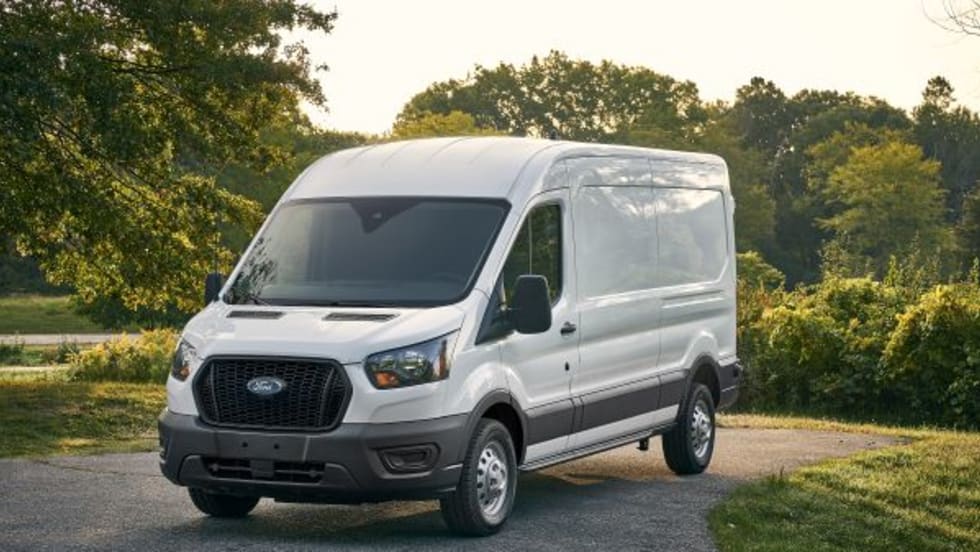
2021 Ford Transit Offers Versatility for Fleets
For the 2021-MY, Ford made ergonomic enhancements for drivers and added an available Parcel Delivery Package. This follows a major refresh in 2020, which added a Crew version, a new standard engine, standard active safety technologies, and embedded telematics to the Transit van family.
Read More →
Recognizing the Other Essential Drivers
Vocational and business fleet drivers don’t get the attention that truckers do. Yet they too are on the front lines, and their jobs often bring them into uncontrolled environments every day.
Read More →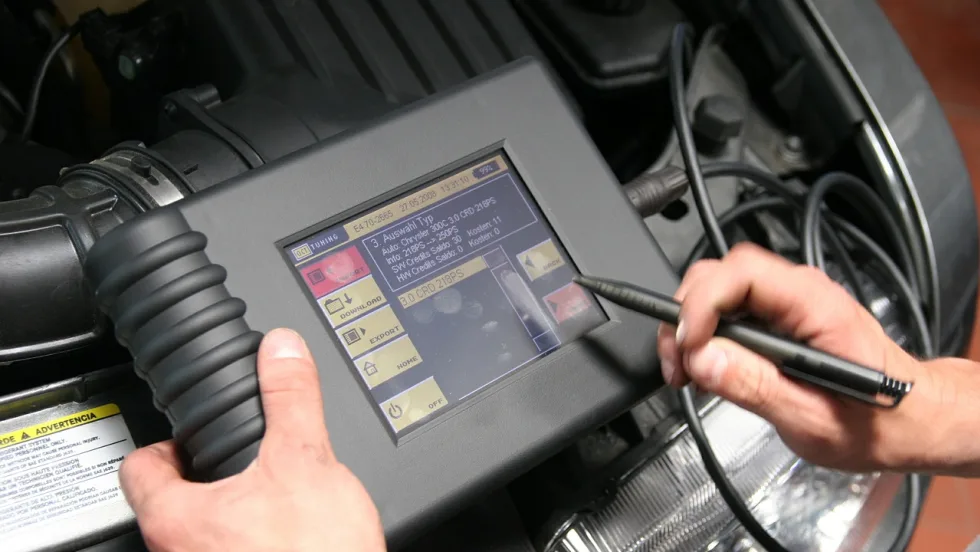
It’s Time to Formulate an ADAS Game Plan
As proliferation of Advanced Driver Assistance Systems (ADAS) increases, skilled labor, equipment, and training costs will increase as well. Fleet operators can’t mitigate these financial burdens by cutting corners on ADAS recalibration and repairs.
Read More →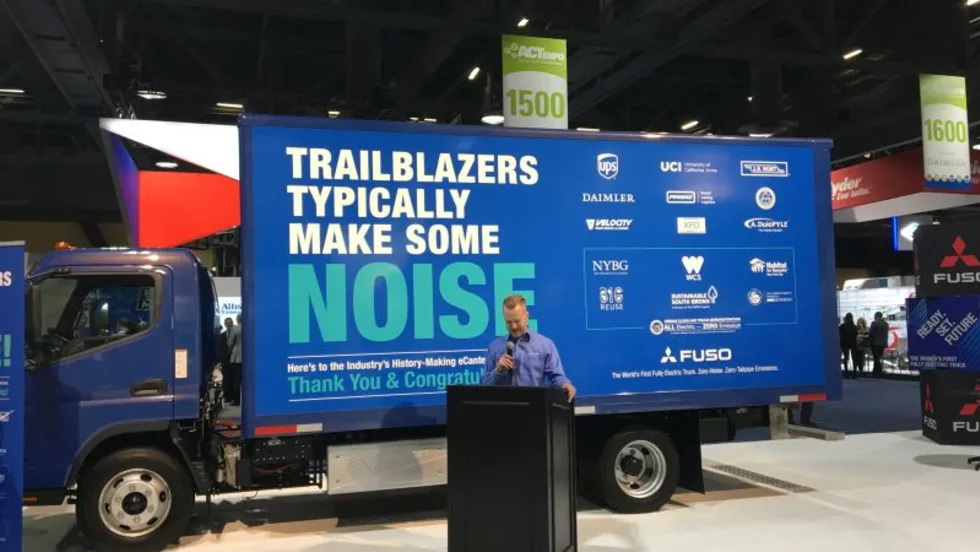
The Future is Electric, But…
With an increasing emphasis on emissions reductions mandates, will fleet operators get caught between clean technologies on their way out and an electric future that hasn’t yet arrived?
Read More →
6 Trend Lines from the 2019 Work Truck Show
From giant leaps in torque and towing to heavy duty truck personalization and chassis cab styling, these trends emerged from this year’s Work Truck Show in Indianapolis.
Read More →
They’re Coming for Your Diesel
In Southern California and other parts of the world, regulators are coalescing to ban, or severely curtail, diesel vehicles. There’s a growing disconnect with the mandates to green the environment and the availability of products and technologies to get us there.
Read More →
Hey Cannabis Companies, Welcome to Fleet
An industry is forming, and it needs help with fleet. In the meantime, the fleet industry should know that these new businesses are navigating extraordinary circumstances, which is forcing them to be better fleet operators pretty darn quick.
Read More →
Takeaways from the Fleet Forward Conference
Most attendees — from established fleets and vendors to new players that were only formed five years ago — didn’t know anyone. But that’s exactly the point.
Read More →
Is it Time to Rethink How Drivers Are Paid?
With the ELD rule affecting miles driven, and drivers’ duties increasingly including more than just driving the vehicle, what can be done to more accurately and fairly reflect a driver’s workday?
Read More →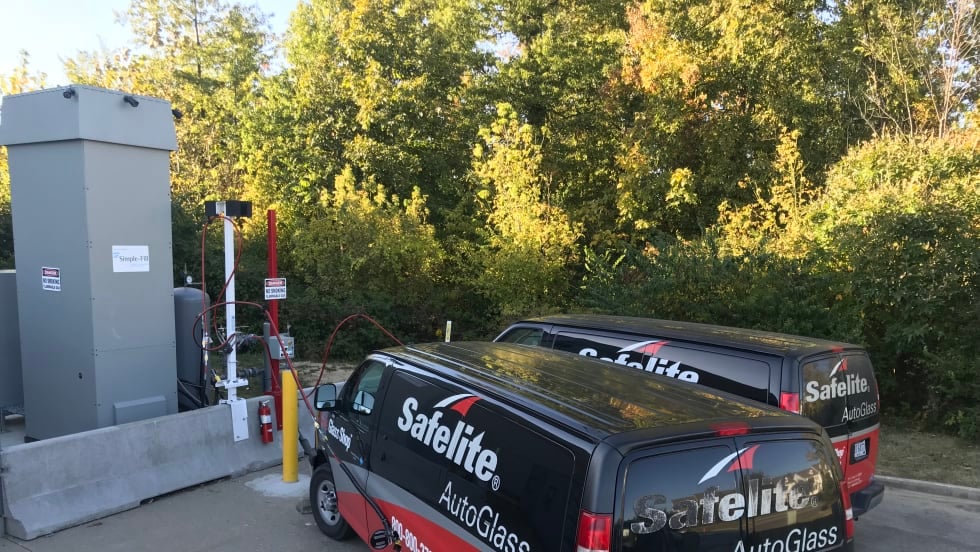
Whatever Happened to CNG?
While the light-duty market for compressed natural gas vehicles has almost evaporated, new near zero emissions technology and drastic reductions in infrastructure costs have reinvigorated the market for medium- and heavy-duty applications — even for smaller fleets.
Read More →