


Auto Recalls: A Return to Normalcy in 2015?
Don’t count on it.

When it comes to auto recalls, 2014 set the all-time high water mark — by a long shot. Close to 64 million vehicles were recalled last year in the U.S., more than doubling the previous high of 30.8 million set in 2004. This follows a 10-year average of 16.1 million units recalled annually.
Would the law of averages then dictate that the number of recalls would drop back into this historic pattern? Don’t count on it — for a few good reasons.
“The likelihood that we’d reach the same number of recalled vehicles in a given calendar year is relatively low,” says Neil Steinkamp, a managing director at the financial advisory firm Stout Risius and Ross (SRR). “That said, I don’t think we’ll see numbers in the historical range either. I think we’ll end up between 20 and 60 (million units recalled).”
Today, SRR issued a report based on the firm’s research into the factors influencing recall-related risk. The report cites 2014 as a tipping point in the history of recalls and lays out the factors that would produce a sustained increase in recalls moving forward. “There are so many forces and factors right now that suggest elevated levels — not the least of which is the tone from legislators and regulators,” says Steinkamp, who helmed the report.
In December, Mark Rosekind was sworn in as the new administrator of the National Highway Traffic Safety Administration (NHTSA), after a year in which the agency came under intense scrutiny and criticism in relation to its handling of the General Motors ignition-switch recall.
Inheriting a hot seat, Rosekind has taken a proactive stance on gaining more resources and staff to investigate vehicle defects and hold automakers accountable with greater fines. At the North American International Auto Show in Detroit in January, Rosekind said the number of recalls could increase.
The Obama administration’s transportation bill would triple funding for NHTSA’s defects investigation office and more than double the staffing. It would also increase the civil penalty limits nearly 10 times to $300 million. With bipartisan support, Steinkamp believes this funding “is more likely to occur.”
A separate bill calls for criminal penalties for companies that “knowingly conceal dangers that lead to consumer or worker deaths or injuries.” This heightened scrutiny, along with the potential for much larger fines and even criminal action, puts the automakers’ internal recall committees in an increasingly precarious position. Automakers are responding with an increased willingness to initiate recalls — in 2014, the percentage of OEM-initiated recalls reached 90%.
Today the public has the ability to be much closer to the recall process.
In 2014, NHTSA received 75,000 public complaints (consumers citing potential defects with their cars), dwarfing the 30,000 complaints received in 2013. This is surely due to increased awareness of the issues brought on by the massive Takata air bag and ignition-switch recalls, but it’s also a function of our “instantaneous reaction culture” based on social media and the ease of our ability to make complaints online. “The barriers have come down,” Steinkamp says.
Another factor is automakers’ and regulators’ ability to collect data — massive amounts of data — at an accelerated pace. “The opportunities for big data analysis are there now, and they’re only going to get bigger,” he says.
The trend to globalization and consolidation of vehicle platforms, while beneficial from a production standpoint, is also having an effect on recalls. In the last four years, recalls of more than 100,000 units have spiked. “It’s in part because you’ve got fewer suppliers providing components to more vehicles,” Steinkamp says. “When a component fails, you’ll have a bigger issue to deal with.”
The government is looking for ways to increase completion rates of recalls, which could clog the service center pipelines at dealerships — those tasked with actually fixing the defective part. Even if they wanted to, dealers couldn’t stock parts in anticipation of a recall anyway, Steinkamp says.
If the number and size of recalls remains elevated, it becomes even more important to develop systems to process recall repairs more quickly, including strengthening the parts supply chain as well as working more closely with auto dealerships. We’ll know more this year — but as of right now, the industry has a long way to go.
More Blog Posts
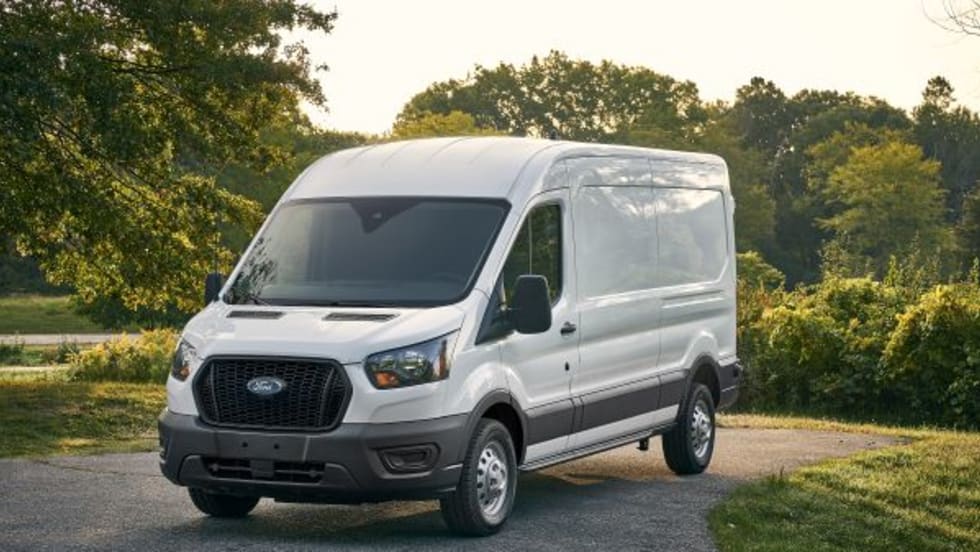
2021 Ford Transit Offers Versatility for Fleets
For the 2021-MY, Ford made ergonomic enhancements for drivers and added an available Parcel Delivery Package. This follows a major refresh in 2020, which added a Crew version, a new standard engine, standard active safety technologies, and embedded telematics to the Transit van family.
Read More →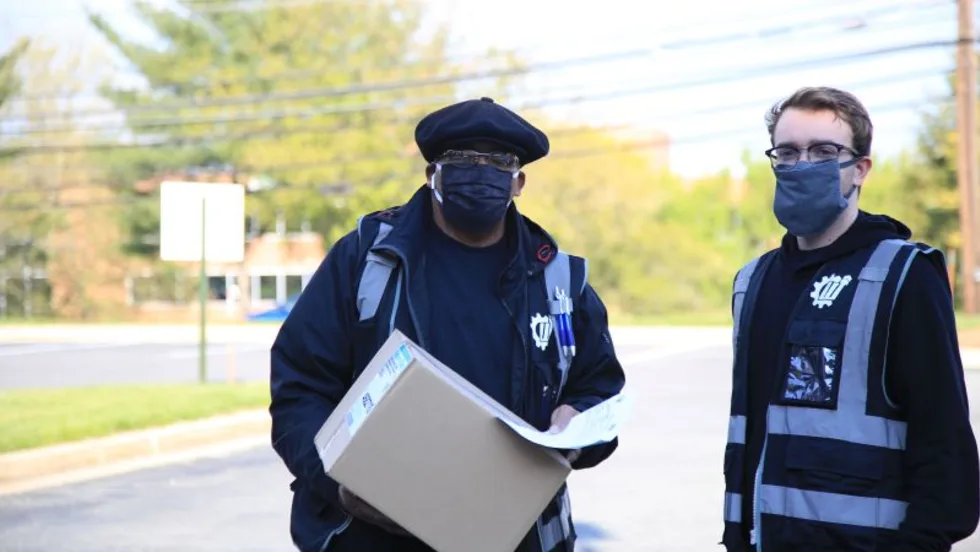
Recognizing the Other Essential Drivers
Vocational and business fleet drivers don’t get the attention that truckers do. Yet they too are on the front lines, and their jobs often bring them into uncontrolled environments every day.
Read More →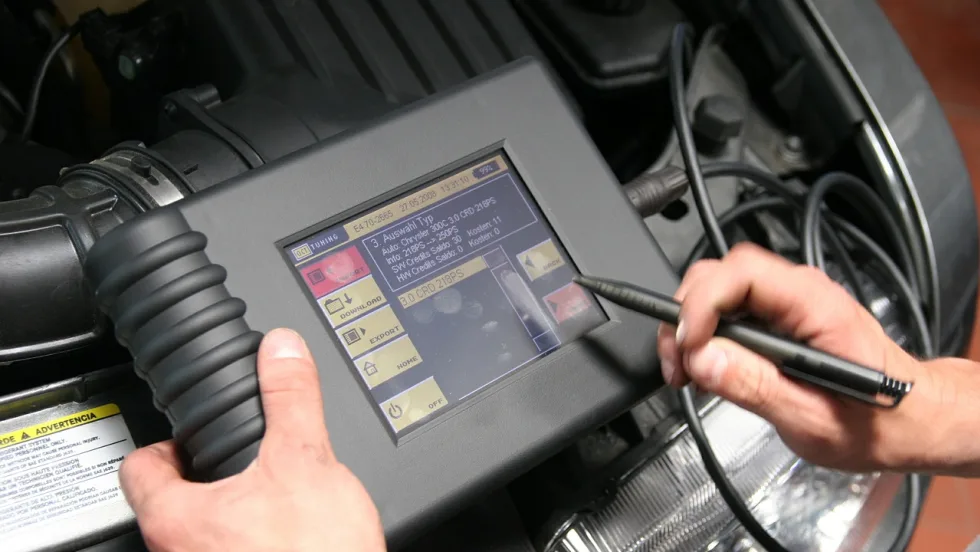
It’s Time to Formulate an ADAS Game Plan
As proliferation of Advanced Driver Assistance Systems (ADAS) increases, skilled labor, equipment, and training costs will increase as well. Fleet operators can’t mitigate these financial burdens by cutting corners on ADAS recalibration and repairs.
Read More →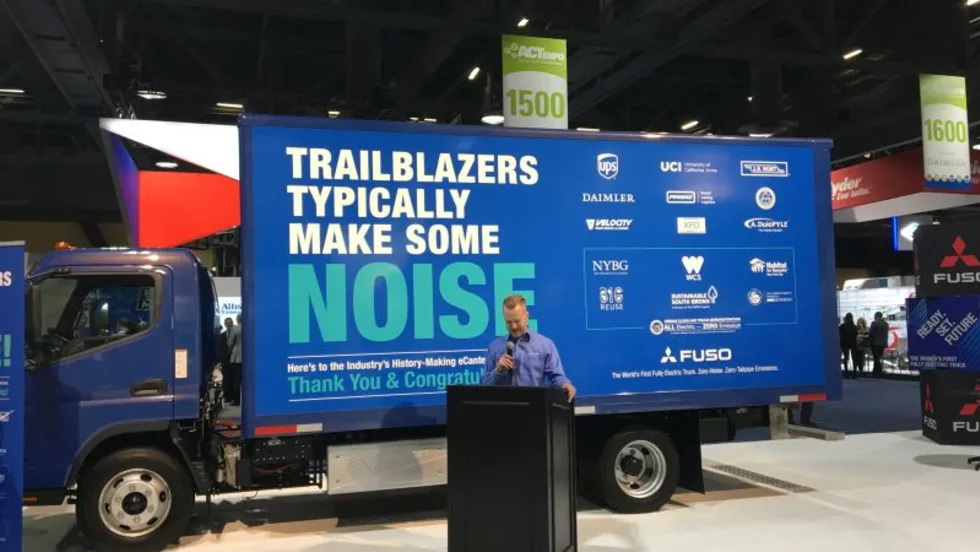
The Future is Electric, But…
With an increasing emphasis on emissions reductions mandates, will fleet operators get caught between clean technologies on their way out and an electric future that hasn’t yet arrived?
Read More →
6 Trend Lines from the 2019 Work Truck Show
From giant leaps in torque and towing to heavy duty truck personalization and chassis cab styling, these trends emerged from this year’s Work Truck Show in Indianapolis.
Read More →
They’re Coming for Your Diesel
In Southern California and other parts of the world, regulators are coalescing to ban, or severely curtail, diesel vehicles. There’s a growing disconnect with the mandates to green the environment and the availability of products and technologies to get us there.
Read More →
Hey Cannabis Companies, Welcome to Fleet
An industry is forming, and it needs help with fleet. In the meantime, the fleet industry should know that these new businesses are navigating extraordinary circumstances, which is forcing them to be better fleet operators pretty darn quick.
Read More →
Takeaways from the Fleet Forward Conference
Most attendees — from established fleets and vendors to new players that were only formed five years ago — didn’t know anyone. But that’s exactly the point.
Read More →
Is it Time to Rethink How Drivers Are Paid?
With the ELD rule affecting miles driven, and drivers’ duties increasingly including more than just driving the vehicle, what can be done to more accurately and fairly reflect a driver’s workday?
Read More →
Whatever Happened to CNG?
While the light-duty market for compressed natural gas vehicles has almost evaporated, new near zero emissions technology and drastic reductions in infrastructure costs have reinvigorated the market for medium- and heavy-duty applications — even for smaller fleets.
Read More →