


Dangerous Precedent in Airport Negotiations
Some concession agreements now include “loss-of-use recovery” toward gross receipts — essentially equating it to revenues.

A dangerous precedent is about to be set if an airport concession agreement is approved with wording regarding what counts toward gross receipts.
Car rental companies operating on airports are bound by concession agreements that dictate their business terms for a specified time period. These agreements are renegotiated at regular intervals, often every five years. One of the main tenets of a concession agreement is the “minimum annual guarantee,” which is an agreed-upon fee that the car rental company pays the airport for the privilege of operating there.
The fee is often based on a percentage of a car rental company’s annual revenue. What is included as revenue varies by agreement, but it always includes time and mileage and usually traditional ancillary revenue, such as counter sales of insurance-type products (CDW/LDW), navigation units, child car seats and the like.
Auto Rental News has learned that in at least two agreements with small commercial airports, the airports have attempted to add a clause that requires rental companies to include loss-of-use recoveries in gross receipts — essentially, equating loss of use as a source of revenue. One of those agreements is being negotiated now.
The clause is written as part of an exclusion to gross receipts. While recovery of damage payments for the cost of repairs to cars damaged by customers is excluded, loss of use is not:
“The foregoing exclusion shall not include any amount paid to Company by a customer or insurance company as damages for loss of use of a damaged car, or a markup, fee penalty or charge related to and in addition to the actual cost of repairs.”
For the uninitiated, when a rental vehicle is damaged, the rental company is denied the use of that vehicle, which the courts have held is a compensable loss in and of itself. Loss of use is a calculation most often based on days out of service multiplied by the contract rate.
Lumping loss of use in with gross receipts is the definition of the proverbial “slippery slope.” Loss-of-use recovery is not revenue! Any payment of loss of use from one entity to another is solely to compensate the harmed party for losses sustained as a result of a damage incident. Recovery of loss of use is designed to make the harmed party “whole” as much as monetarily possible. It is part of the measure of damages. Because loss of use is remedial by its very nature, it is inconceivable to consider it as a source of revenue.
In fact, in the specific state in which these agreements are being negotiated, the state’s court of appeals has ruled that “the claimant is entitled to receive as damages such sum as will compensate for loss of use of the repaired vehicle.”
While loss of use has been a hot-button issue in car rental for years, there is specific legal precedent (see PurCo Fleet Services Inc. v. Judith Koenig) that car rental companies are entitled to recover loss of use and appropriate administrative fees.
This exclusion has other potentially treacherous implications, specifically found in the phrase “related to and in addition to the actual cost of repairs.” Pay attention to “actual.”
This could be legally interpreted as: If your rental car is damaged and the cost to repair is $1,500, and you decide to for whatever reason repair only half of the damage, then the airport is entitled to lump that $750 you saved in with gross receipts and call it profit!
Once again, you, the property owner, have the right to be “made whole,” but that doesn’t mean you are obligated to repair that rental vehicle to its condition before the accident. The person that caused the damage is simply obligated to compensate you for your loss. What you do with that compensation is nobody’s business but yours.
Because this is an ongoing negotiation, Auto Rental News has decided not to publish the specific airport where this is taking place. But it is vitally important to reveal this to the industry. If this agreement is finalized, it allows a dangerous legal door to be opened that allows legally recoverable damages regarding vehicle repairs to be viewed as revenues.
Has similar language been included in one of your concession agreements? Let me know.
More Blog Posts

2021 Ford Transit Offers Versatility for Fleets
For the 2021-MY, Ford made ergonomic enhancements for drivers and added an available Parcel Delivery Package. This follows a major refresh in 2020, which added a Crew version, a new standard engine, standard active safety technologies, and embedded telematics to the Transit van family.
Read More →
Recognizing the Other Essential Drivers
Vocational and business fleet drivers don’t get the attention that truckers do. Yet they too are on the front lines, and their jobs often bring them into uncontrolled environments every day.
Read More →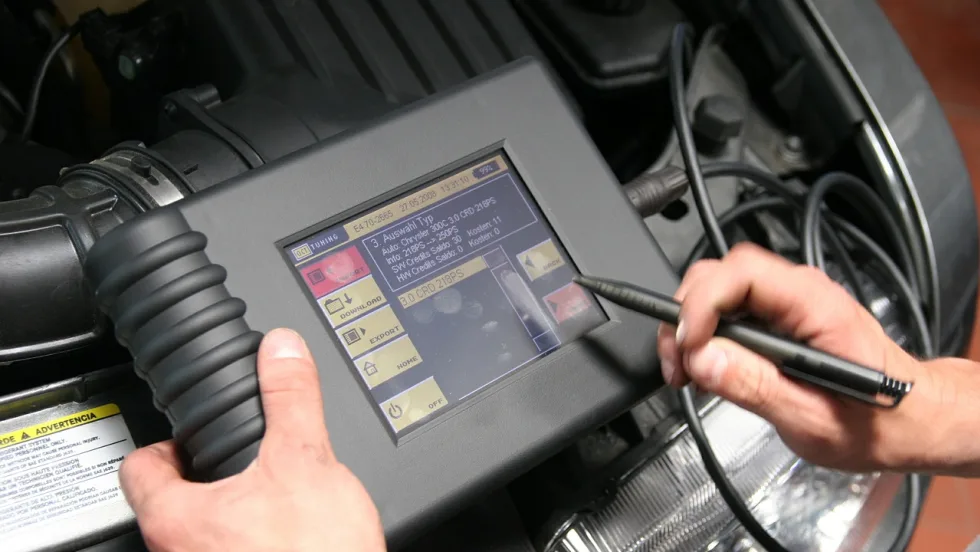
It’s Time to Formulate an ADAS Game Plan
As proliferation of Advanced Driver Assistance Systems (ADAS) increases, skilled labor, equipment, and training costs will increase as well. Fleet operators can’t mitigate these financial burdens by cutting corners on ADAS recalibration and repairs.
Read More →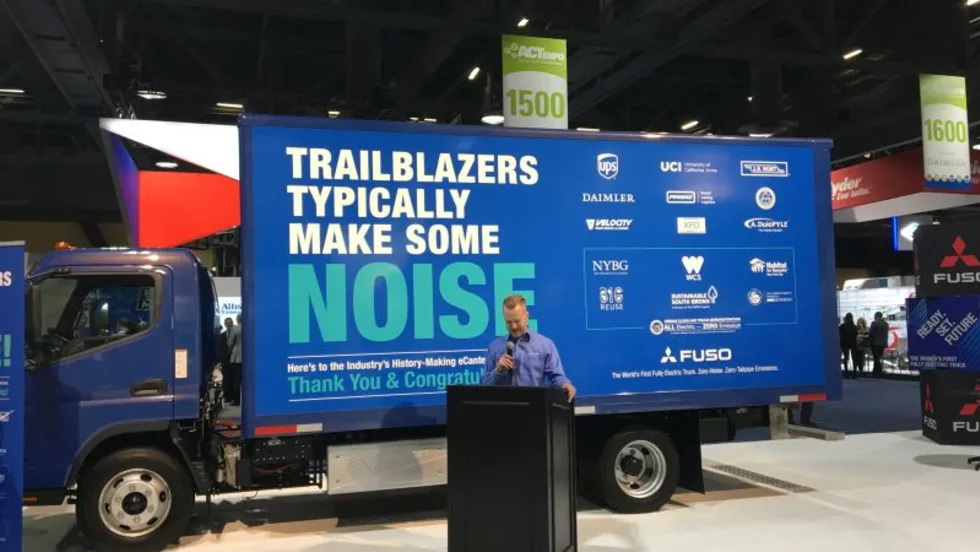
The Future is Electric, But…
With an increasing emphasis on emissions reductions mandates, will fleet operators get caught between clean technologies on their way out and an electric future that hasn’t yet arrived?
Read More →
6 Trend Lines from the 2019 Work Truck Show
From giant leaps in torque and towing to heavy duty truck personalization and chassis cab styling, these trends emerged from this year’s Work Truck Show in Indianapolis.
Read More →
They’re Coming for Your Diesel
In Southern California and other parts of the world, regulators are coalescing to ban, or severely curtail, diesel vehicles. There’s a growing disconnect with the mandates to green the environment and the availability of products and technologies to get us there.
Read More →
Hey Cannabis Companies, Welcome to Fleet
An industry is forming, and it needs help with fleet. In the meantime, the fleet industry should know that these new businesses are navigating extraordinary circumstances, which is forcing them to be better fleet operators pretty darn quick.
Read More →
Takeaways from the Fleet Forward Conference
Most attendees — from established fleets and vendors to new players that were only formed five years ago — didn’t know anyone. But that’s exactly the point.
Read More →
Is it Time to Rethink How Drivers Are Paid?
With the ELD rule affecting miles driven, and drivers’ duties increasingly including more than just driving the vehicle, what can be done to more accurately and fairly reflect a driver’s workday?
Read More →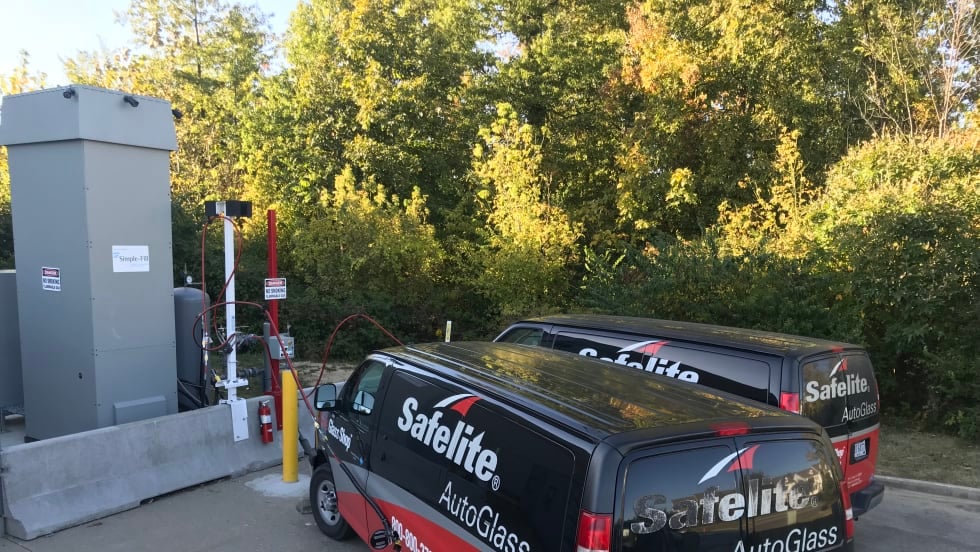
Whatever Happened to CNG?
While the light-duty market for compressed natural gas vehicles has almost evaporated, new near zero emissions technology and drastic reductions in infrastructure costs have reinvigorated the market for medium- and heavy-duty applications — even for smaller fleets.
Read More →