


Did “Cash for Clunkers” Fulfill Its Objectives?
Bob Barton, president of the American Car Rental Association, provides a post-mortem analysis of “Cash for Clunkers” on the Auto Focus blog.
I am really struggling to figure out exactly what the objective of "Cash for Clunkers" was and whether its goals were accomplished. Let's reflect on the following:
It will spur auto sales:
Exactly whose sales? Some of the domestic manufacturers did sell quite a few cars under the program, but data that I have seen suggests that the imports (and by imports I mean cars not manufactured in North America) were the majority of sales. Did that help spur domestic auto sales? I wonder how the UAW worker whose factory was closed feels about his $4,500 of taxpayer money being sent to employ someone not in America.
It will help the economy:
Actually, I think it will hurt it. Based upon the above, the consumers who bought these foreign cars did so in order to take advantage of the program. It definitely brought people into dealerships. But now, those same consumers have car payments (probably with a foreign acceptance company) that they did not have to make before, and between the car payment and increased insurance premium, I would suggest $4,500 of this consumer's discretionary income is now OUT of the economy for the next 48 to 60 months. If it is true that 700,000 vehicles were sold, that means up to $350 million A MONTH of discretionary spending just went away for the next 48 to 60 months.
It will reduce emissions:
It probably will, but not enough. The trade vehicle was based upon the EPA fuel economy it got when the vehicle was new. That's a bad concept. If the vehicle got what it did when it was new, the consumer probably wouldn't want to trade it. So a 200,000-mile car with two blown cylinders that looks like a chimney driving down the street that currently gets 5 mpg didn't qualify if it got 25 mpg when it was new and you wanted to replace it with a similar vehicle.
The following has been on the Internet:
A vehicle at 15 mpg and 12,000 miles per year uses 800 gallons a year of gasoline. A vehicle at 25 mpg and 12,000 miles per year uses 480 gallons a year. So, the average "Cash for Clunkers" transaction will reduce U.S. gasoline consumption by 320 gallons per year. They claim 700,000 vehicles - so that's 224 million gallons/year. That equates to a bit over 11 million barrels of oil. Eleven million barrels of oil costs about $748 million dollars at $68/bbl. So, we are spending $3 billion (that we don't have) to save $748 million a year? Remember, oil was as low as $40/bbl earlier in the year, and at these prices, the savings would be almost in half.
The real question will be if we simply stole future sales, and we will know that very soon. Hopefully the dealers (who have only received 22 percent of the payments to date) will still be around to sell cars if the customers come.
As every reader of this magazine knows, the bigger issue is that we need to fix the credit problem. Free up credit and fleet and rental companies will come and buy cars in large quantities. That is a true stimulus package.
Bob Barton
President, Franchise Services North America
President, American Car Rental Association
Jackson, Miss.
More Blog Posts
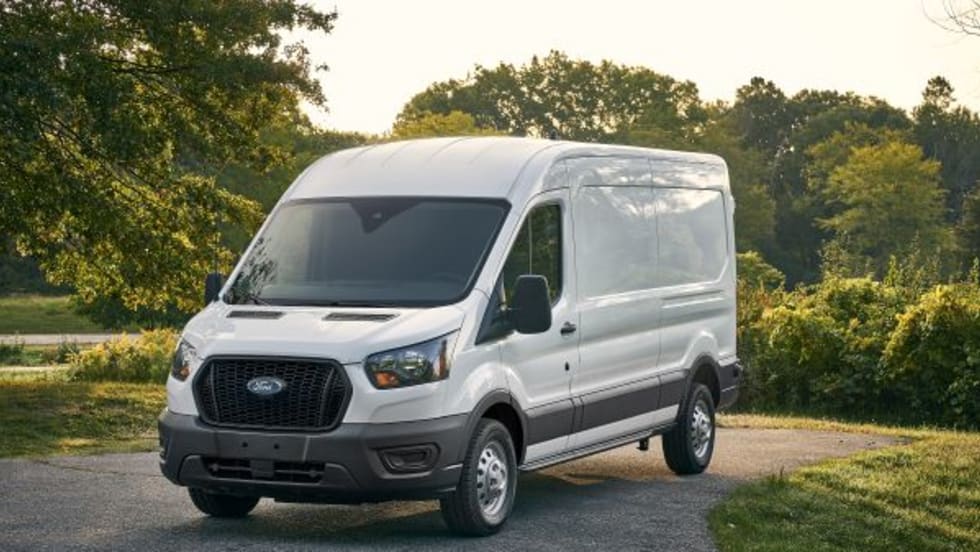
2021 Ford Transit Offers Versatility for Fleets
For the 2021-MY, Ford made ergonomic enhancements for drivers and added an available Parcel Delivery Package. This follows a major refresh in 2020, which added a Crew version, a new standard engine, standard active safety technologies, and embedded telematics to the Transit van family.
Read More →
Recognizing the Other Essential Drivers
Vocational and business fleet drivers don’t get the attention that truckers do. Yet they too are on the front lines, and their jobs often bring them into uncontrolled environments every day.
Read More →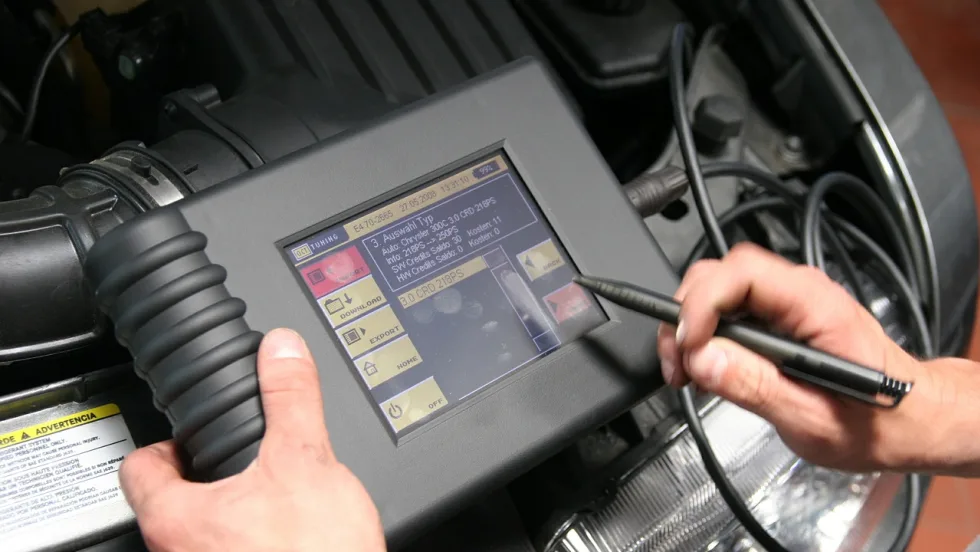
It’s Time to Formulate an ADAS Game Plan
As proliferation of Advanced Driver Assistance Systems (ADAS) increases, skilled labor, equipment, and training costs will increase as well. Fleet operators can’t mitigate these financial burdens by cutting corners on ADAS recalibration and repairs.
Read More →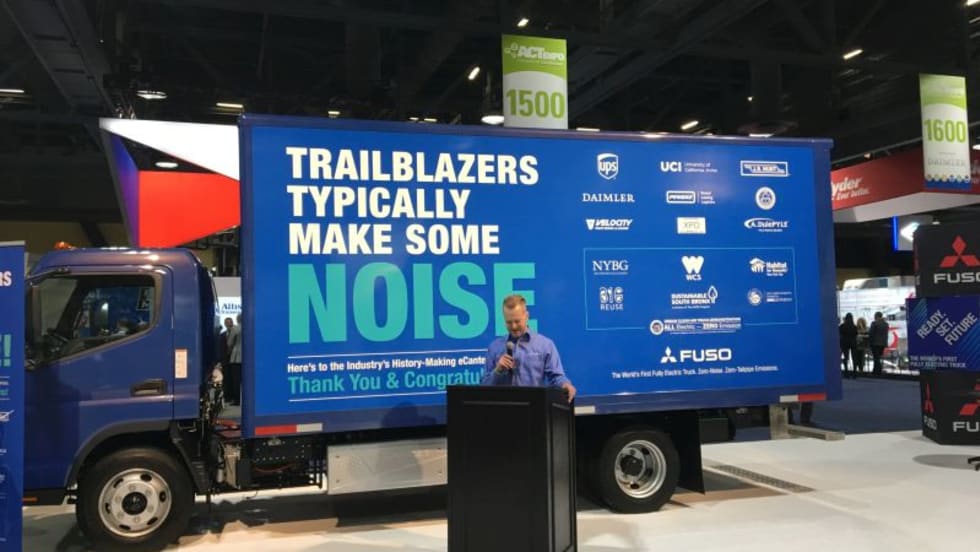
The Future is Electric, But…
With an increasing emphasis on emissions reductions mandates, will fleet operators get caught between clean technologies on their way out and an electric future that hasn’t yet arrived?
Read More →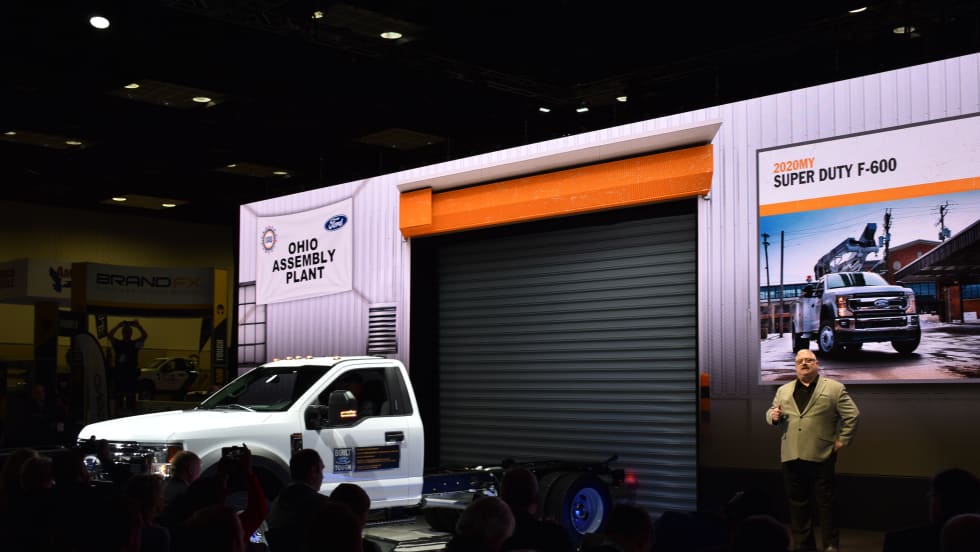
6 Trend Lines from the 2019 Work Truck Show
From giant leaps in torque and towing to heavy duty truck personalization and chassis cab styling, these trends emerged from this year’s Work Truck Show in Indianapolis.
Read More →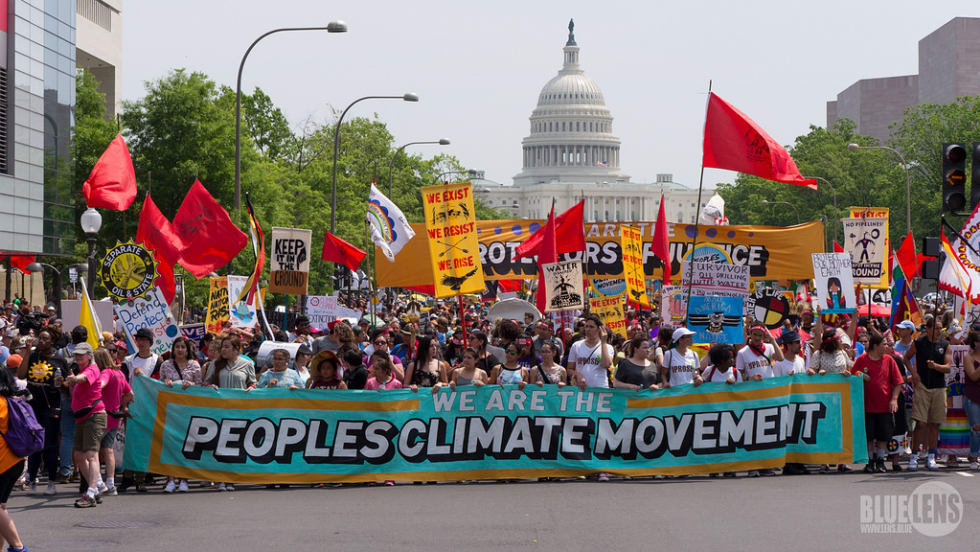
They’re Coming for Your Diesel
In Southern California and other parts of the world, regulators are coalescing to ban, or severely curtail, diesel vehicles. There’s a growing disconnect with the mandates to green the environment and the availability of products and technologies to get us there.
Read More →
Hey Cannabis Companies, Welcome to Fleet
An industry is forming, and it needs help with fleet. In the meantime, the fleet industry should know that these new businesses are navigating extraordinary circumstances, which is forcing them to be better fleet operators pretty darn quick.
Read More →
Takeaways from the Fleet Forward Conference
Most attendees — from established fleets and vendors to new players that were only formed five years ago — didn’t know anyone. But that’s exactly the point.
Read More →
Is it Time to Rethink How Drivers Are Paid?
With the ELD rule affecting miles driven, and drivers’ duties increasingly including more than just driving the vehicle, what can be done to more accurately and fairly reflect a driver’s workday?
Read More →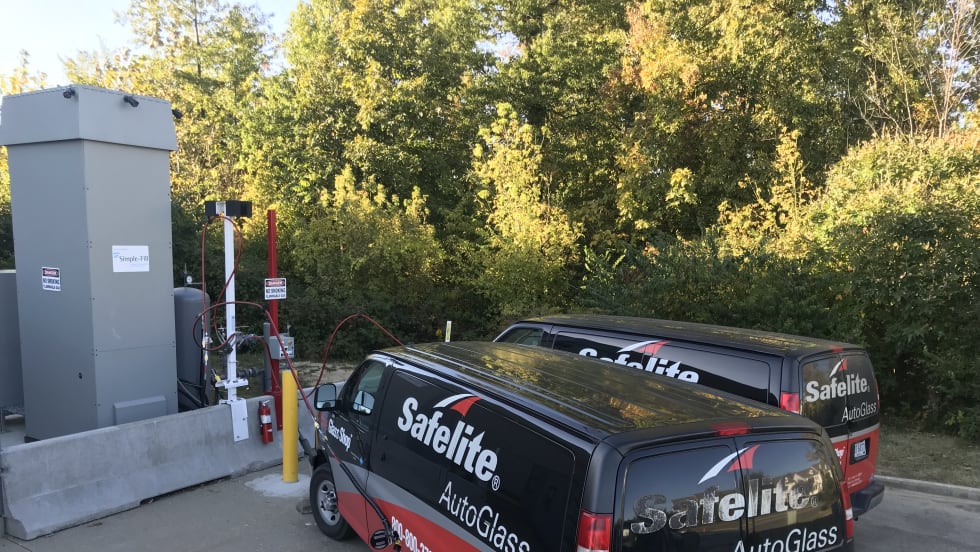
Whatever Happened to CNG?
While the light-duty market for compressed natural gas vehicles has almost evaporated, new near zero emissions technology and drastic reductions in infrastructure costs have reinvigorated the market for medium- and heavy-duty applications — even for smaller fleets.
Read More →