


Ed Peper Talks Fleet
The new head of General Motors’ Fleet and Commercial Operations talks fleet sales, product plans and how GM manages rental sales compared to commercial and government fleet.

Ed Peper may be in his role as General Motors’ Fleet and Commercial Operations for a scant three months, yet he’s no stranger to many in fleet. Peper’s GM tenure runs close to 28 years. He most recently ran sales operations at Cadillac, and previous to that, ran Chevrolet for four plus years.
Peper sat down with journalists this week on a conference call to impart GM’s vision for fleet and to answer what’s on our minds. Also on the call with Peper were Joyce Mattman, director, commercial product & specialty vehicles; Jeff Haag, director, national accounts, fleet & commercial sales; Dave Kanous, director, rental sales & fleet operations; and Jennifer Constabile, general director, marketing & used vehicle activities.
Peper noted GM’s 24 consecutive months of commercial growth and a 25% increase in commercial sales in the first quarter, year over year. GM’s fleet growth is outpacing a healthy fleet market, as overall RL Polk registrations (fleet and consumer) are up 10% year over year, while fleet registrations are up about 19%. He said that GM anticipates total fleet sales for 2012 will be up versus 2011.
Peper cited strong growth in commercial customers during the first quarter with GM’s full-size pickups and vans, 33% and 37% respectively.
On questioning regarding if GM will cut back on fleet sales, Peper made sure to separate the components of fleet into rental, government and commercial. He made it clear that while rental sales will be managed more tightly to protect residuals, “In terms of commercial, we’re not letting up,” he said. “We’re chasing all the business we can.”
Peper admitted that wasn’t always the case. “Four or five years ago [rental fleet sales] were significantly higher as a percentage of our mix,” he said. “At one time, we overproduced, and the outlet for overproduction many times was rental.”
He couldn’t give exact figures but said rental sales are “significantly less” today. Peper believes GM has “a very good balance” of rental sales that “helps us manage residuals on one side and still helps us do business in that segment.”
Peper pointed out that rental units deliver 15 million test drives a year and get newcomers into a GM product. While there is a tighter cap on rental sales, the pipeline to rental is by no means closed. As well, rental units are no longer stripped models — they’ve got representative content of what’s sold to most consumers in the marketplace, Peper said, another move to protect residuals.
But will the 2014 Chevy Impala still carry the badge as the prototypical fleet vehicle? “We’re still formulating our attack plan, but it’s safe to say we’re going to sell less of the 2014 Impala to rental companies than we have in the past,” Peper said. However, “We will have some 2014 Impalas in rental service because it provides a great opportunity for someone to try our product.”
When asked about alternative fuels for the commercial space, Peper said GM is hot on its dedicated CNG (compressed natural gas) van option and looks forward to seeing how its recently announced bi-fuel CNG pickups will do in the market.
Mattman said the bi-fuel pickup will allow fleets an extended range beyond the limited network of refueling options that exist today, which will help drive penetration into the smaller commercial market and may result in retail sales.
Peper also mentioned the liquefied natural gas (LPG) option on the G-van cutaway, though volumes will be low. He pointed out that GM’s Express and Savana cargo vans include a diesel option, while the E-Series doesn’t. (However, Ford will offer a diesel version of the Transit van next fall.)
On questioning, Peper said GM has no plans right now for a new van model in the vein of the Ford Transit, Transit Connect or Fiat Ducato or Doblo vans, both of which Chrysler plans to bring to the U.S. under the Ram brand.
Commercial and government fleet customers, not to worry: “When it comes to commercial and government, we want to sell every single one we can,” he said. Peper pointed out that between the Impala, and the new, bigger Malibu and Cruze, much of fleets’ sedan needs will be met.
When asked about the Chevy Volt and fleets, Peper said the company is working with General Electric — one of its biggest Volt customers — on helping the electricity infrastructure get established. The large fleet management companies are in the conversation on the Volt as well, Peper said.
Mattman cautioned that fleets looking at alternative-fuel technology are “still in a test and learn mode, especially with electric vehicles.” Mattman said fleets are dipping their toe in the water by buying small numbers of Volts to learn how employees drive it, fuel it and more. “We’re peeling back that onion to understand how to incorporate electric vehicles in their fleet,” she said. “It’s not something that you pull the switch on overnight.” (So to speak.)
More Blog Posts
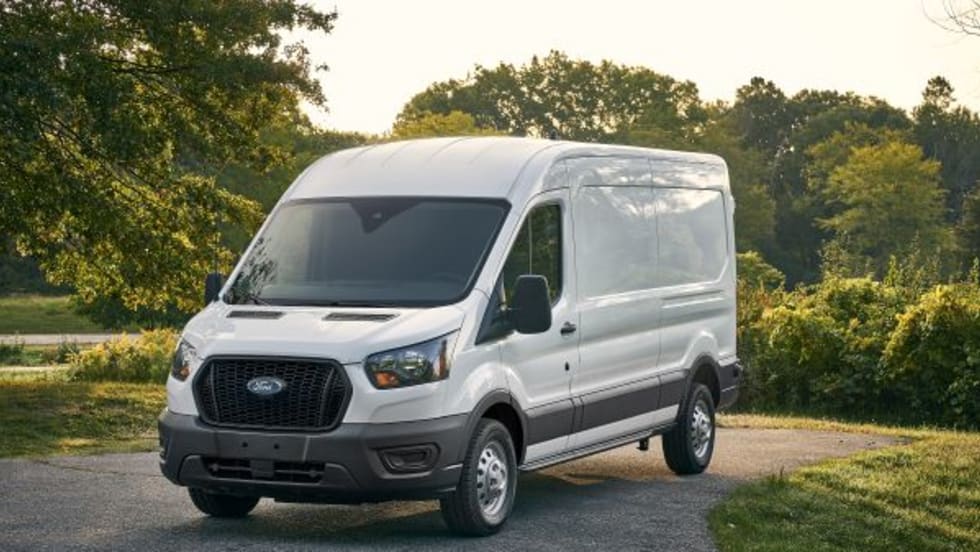
2021 Ford Transit Offers Versatility for Fleets
For the 2021-MY, Ford made ergonomic enhancements for drivers and added an available Parcel Delivery Package. This follows a major refresh in 2020, which added a Crew version, a new standard engine, standard active safety technologies, and embedded telematics to the Transit van family.
Read More →
Recognizing the Other Essential Drivers
Vocational and business fleet drivers don’t get the attention that truckers do. Yet they too are on the front lines, and their jobs often bring them into uncontrolled environments every day.
Read More →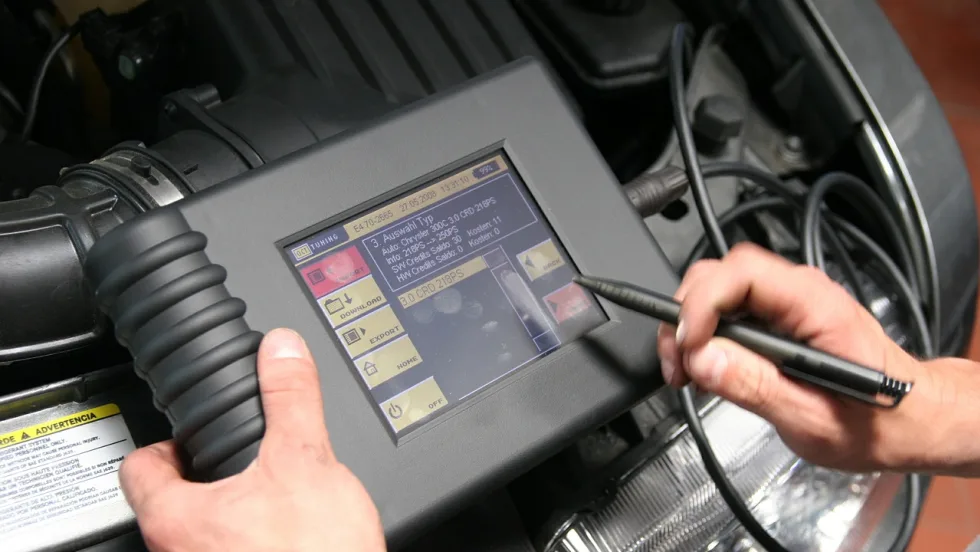
It’s Time to Formulate an ADAS Game Plan
As proliferation of Advanced Driver Assistance Systems (ADAS) increases, skilled labor, equipment, and training costs will increase as well. Fleet operators can’t mitigate these financial burdens by cutting corners on ADAS recalibration and repairs.
Read More →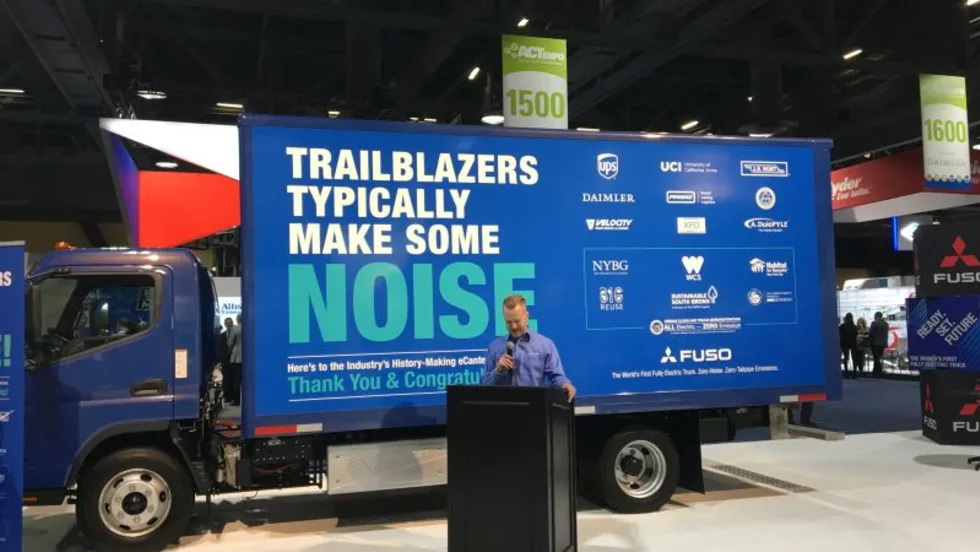
The Future is Electric, But…
With an increasing emphasis on emissions reductions mandates, will fleet operators get caught between clean technologies on their way out and an electric future that hasn’t yet arrived?
Read More →
6 Trend Lines from the 2019 Work Truck Show
From giant leaps in torque and towing to heavy duty truck personalization and chassis cab styling, these trends emerged from this year’s Work Truck Show in Indianapolis.
Read More →
They’re Coming for Your Diesel
In Southern California and other parts of the world, regulators are coalescing to ban, or severely curtail, diesel vehicles. There’s a growing disconnect with the mandates to green the environment and the availability of products and technologies to get us there.
Read More →
Hey Cannabis Companies, Welcome to Fleet
An industry is forming, and it needs help with fleet. In the meantime, the fleet industry should know that these new businesses are navigating extraordinary circumstances, which is forcing them to be better fleet operators pretty darn quick.
Read More →
Takeaways from the Fleet Forward Conference
Most attendees — from established fleets and vendors to new players that were only formed five years ago — didn’t know anyone. But that’s exactly the point.
Read More →
Is it Time to Rethink How Drivers Are Paid?
With the ELD rule affecting miles driven, and drivers’ duties increasingly including more than just driving the vehicle, what can be done to more accurately and fairly reflect a driver’s workday?
Read More →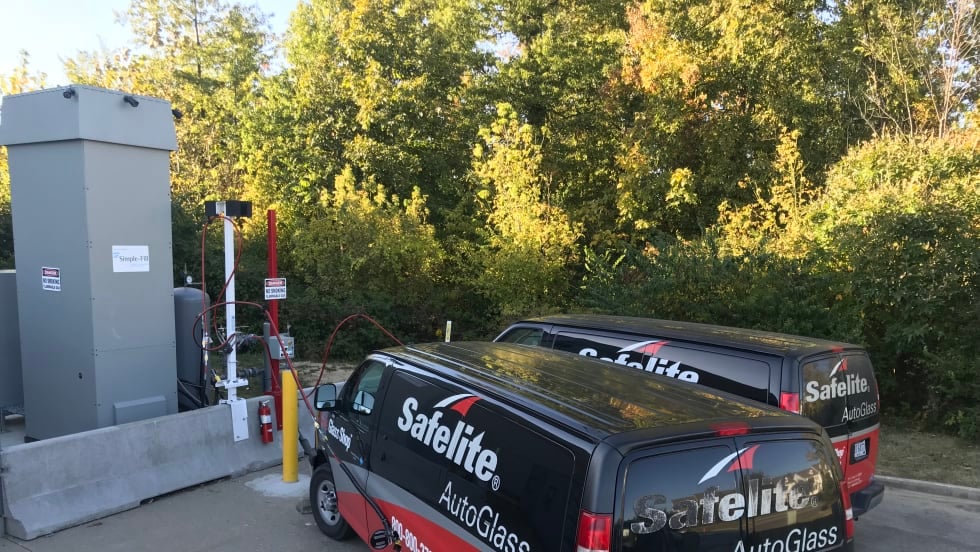
Whatever Happened to CNG?
While the light-duty market for compressed natural gas vehicles has almost evaporated, new near zero emissions technology and drastic reductions in infrastructure costs have reinvigorated the market for medium- and heavy-duty applications — even for smaller fleets.
Read More →