


Fighting the Stigma of Car Rental Commoditization
Digging into the J.D. Power and Associates Rental Car Satisfaction Study reveals ways to combat the low-rate game, as well as one proven tip for improving your customer satisfaction score.

The results of the 2012 J.D. Power and Associates Rental Car Satisfaction Study are in. The industry’s average overall customer satisfaction score beat the industry high set in 2006. Coming out of the Recession, the gains in customer satisfaction in the car rental industry continue to best those of airlines and hotels. Who says car rental has to be the bastard stepchild of the travel industry!
That’s great news. But the industry continues to battle the stigma of commoditization. Indeed, “cost and fees” consistently remains the top factor in choosing a rental company. Stuart Greif, vice president and general manager of the global travel and hospitality practice at J.D. Power and Associates, challenges the industry in this regard, asking car rental brands — in an encouraging tone — “to fight that commoditization by addressing the needs of customers in a way that can both differentiate their brands and deliver an even better customer experience.”
Yes, a low price may drive the selection of a car rental company, but there is more to this equation. Greif makes the point that in the hotel world, Ritz Carlton has highest level of satisfaction in cost and fees. In other words, price is really about value. “Otherwise it comes down to price, price, price, and you’re only as good as your lowest price,” he says.
In the 2012 study, Enterprise Rent-A-Car scored highest in cost and fees, followed by National, Alamo, Hertz, Avis and Budget. The companies with the lowest rates are not at the top of this list. Clearly, consumers are calculating other aspects of the experience into cost and fees. “We know from our research that folks that go beyond satisfaction to ‘delight’ will open their wallets wider, allowing those companies to command price premiums,” Greif says.
One increasing factor in improving customer satisfaction is the use of technology.
Technology reduces the human touch points in the process, which in turn reduces time, which positively affects customer satisfaction. J.D. Power scores reveal that the use of counter bypass systems such as kiosks directly correlates to higher scores, while having to go to the rental counter produces lower scores.
There are some good ideas using technologies waiting to be implemented, such as the use of GPS to show the route of a shuttle bus. If you can’t add more shuttles, at least you can tell the customer where the shuttle is, which would allow the customer to wait inside on a chilly day until the bus arrives, for example.
The easy integration of personal technology and the rental vehicle will become important, such as pairing a smartphone to talk hands-free or a device to play your own music library.
Upon return, systems are starting to be used that read actual fuel consumption. Taken further, GPS could be used to automatically transmit an odometer reading. The car could be driven through a camera system to check for damage. A receipt could be delivered via email. The customer wouldn’t interact with an employee at all.
The technology component is no doubt daunting, especially for smaller operations with limited budgets. But technology simply can’t be ignored. Greif reminded me of the saying, “Today’s innovation is tomorrow’s expectation,” with Wi-Fi in hotels and on airplanes a good example.
Take heart; there is another direct correlation to customer satisfaction, the human touch points in the process. “Technology helps us bypass human touch points, which improves customer satisfaction,” Greif says. “But the remaining human touch points are what bonds you to the brand.”
By some measures the correlation of staff attitude to customer satisfaction is even greater than technology. J.D. Power asks survey participants if they were greeted with a smile by RAC personnel in four human touch points of the transaction: shuttle driver, staff member during pickup (usually at the counter), exit gate personnel and staff member at return. For each of those touch points that greeted the customer with a smile, the average gain in score is a whopping 134 points. Luckily, a smile still costs nothing.
The smile itself may seem almost trivial, but it’s really representative of that company’s service. “If somebody has a warm smile, they are making you feel valued as a guest,” Greif says.
I’ve been asked a few times if I knew the secret to getting a better J.D. Power customer satisfaction score. And there you have it, smile.
For insights into how Enterprise regained the top spot in the 2012 J.D. Power and Associates Rental Car Satisfaction Study, click here.
More Blog Posts
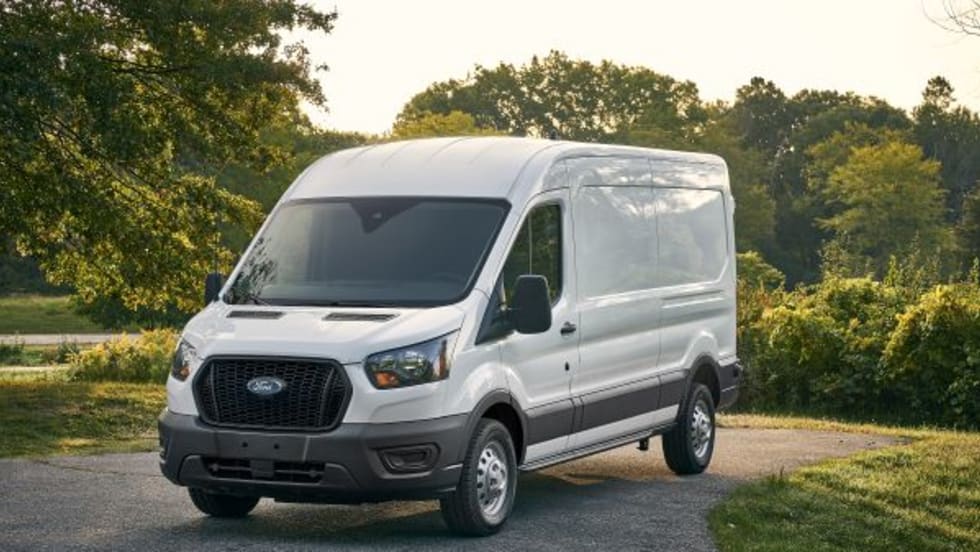
2021 Ford Transit Offers Versatility for Fleets
For the 2021-MY, Ford made ergonomic enhancements for drivers and added an available Parcel Delivery Package. This follows a major refresh in 2020, which added a Crew version, a new standard engine, standard active safety technologies, and embedded telematics to the Transit van family.
Read More →
Recognizing the Other Essential Drivers
Vocational and business fleet drivers don’t get the attention that truckers do. Yet they too are on the front lines, and their jobs often bring them into uncontrolled environments every day.
Read More →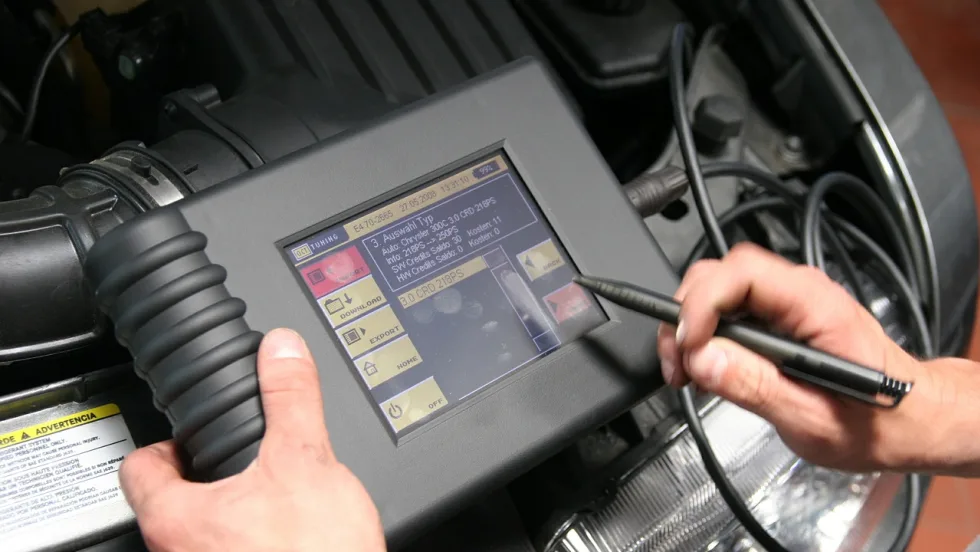
It’s Time to Formulate an ADAS Game Plan
As proliferation of Advanced Driver Assistance Systems (ADAS) increases, skilled labor, equipment, and training costs will increase as well. Fleet operators can’t mitigate these financial burdens by cutting corners on ADAS recalibration and repairs.
Read More →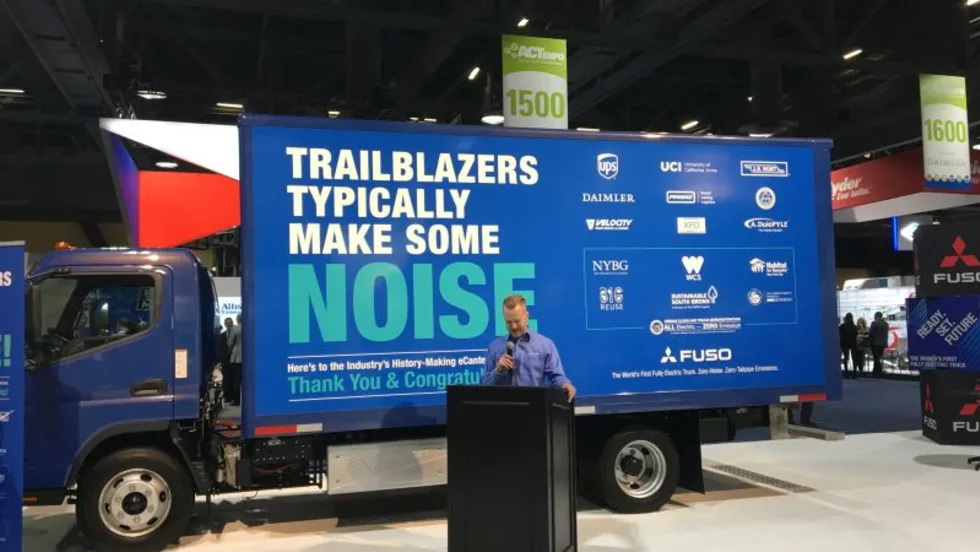
The Future is Electric, But…
With an increasing emphasis on emissions reductions mandates, will fleet operators get caught between clean technologies on their way out and an electric future that hasn’t yet arrived?
Read More →
6 Trend Lines from the 2019 Work Truck Show
From giant leaps in torque and towing to heavy duty truck personalization and chassis cab styling, these trends emerged from this year’s Work Truck Show in Indianapolis.
Read More →
They’re Coming for Your Diesel
In Southern California and other parts of the world, regulators are coalescing to ban, or severely curtail, diesel vehicles. There’s a growing disconnect with the mandates to green the environment and the availability of products and technologies to get us there.
Read More →
Hey Cannabis Companies, Welcome to Fleet
An industry is forming, and it needs help with fleet. In the meantime, the fleet industry should know that these new businesses are navigating extraordinary circumstances, which is forcing them to be better fleet operators pretty darn quick.
Read More →
Takeaways from the Fleet Forward Conference
Most attendees — from established fleets and vendors to new players that were only formed five years ago — didn’t know anyone. But that’s exactly the point.
Read More →
Is it Time to Rethink How Drivers Are Paid?
With the ELD rule affecting miles driven, and drivers’ duties increasingly including more than just driving the vehicle, what can be done to more accurately and fairly reflect a driver’s workday?
Read More →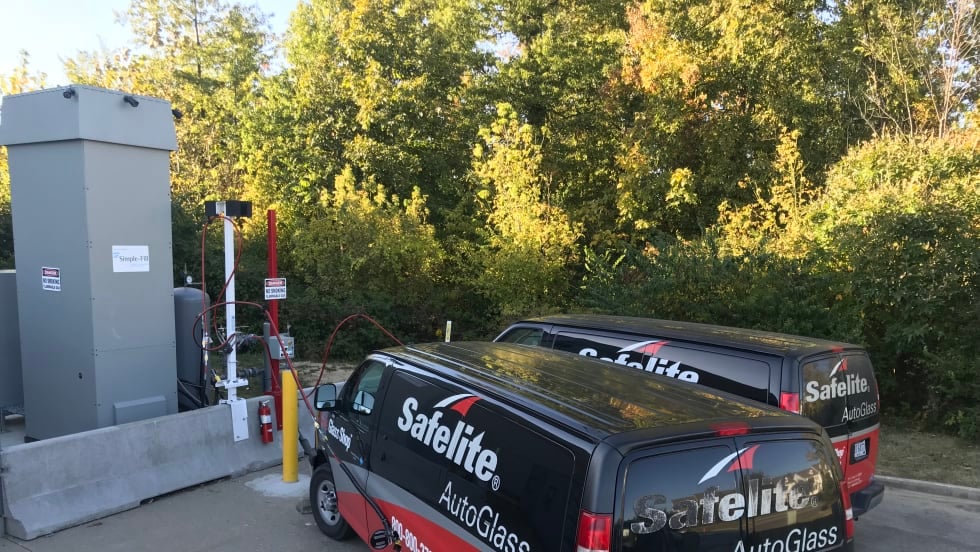
Whatever Happened to CNG?
While the light-duty market for compressed natural gas vehicles has almost evaporated, new near zero emissions technology and drastic reductions in infrastructure costs have reinvigorated the market for medium- and heavy-duty applications — even for smaller fleets.
Read More →