


Five Business Model Trends for 2017
As new forms of mobility take flight, the borders with traditional car rental are starting to erode.

This past year, you couldn’t open a web browser without being bombarded with news on “mobility.”
From autonomous vehicle testing and ride-hailing partnerships to new urban development plans and auto manufacturers as service providers, 2016 was the year when the seeds of new transportation models grew into green shoots. Even the auto shows have rebranded with mobility in their titles or tag lines.
While the traditional model will continue to dominate car rental in terms of transactions and revenue for some time, the borders are starting to erode — brought on by new players and the car rental companies themselves. And it’s all centered on the app, accessible from the palm of our hands.
- Rise of auto manufacturers as mobility providers
These days, the big picture on the future of auto manufacturers focuses on the concept of mobility, as OEMs prepare for an urban, autonomous future in which car ownership gives way to usage-based plans. We may be a generation away from this future (or not), but in the meantime, OEMs are testing the waters as mobility providers.
It’s not just carsharing of owned fleet similar to Daimler’s car2go network — although carsharing is the biggest initial play — it’s a breadth of offerings including shared lease plans, peer-to-peer rentals, autonomous technology pilots, and ways to find and pay for parking. BMW is even piloting a program through its ReachNow app that allows customers to hail rides similar to Uber, though in a more premium experience. Some services exist on multiple apps, but the idea is to have one app manage a range of mobility options using that OEM’s vehicles.
Essentially, these are still high-profile pilot programs. Long term, it remains to be seen if the manufacturers want to incorporate service provision into their business model.
- Renting fleet to Lyft and Uber drivers
While Transportation Network Companies (TNCs) make headlines for stealing share from traditional transportation modes, providing wheels to TNC drivers is a growing segment. Hertz is supplying cars to Uber and Lyft; Enterprise piloted a program with Uber in Denver. Hyrecar allows TNC drivers to rent either owned rental fleet or peer-to-peer vehicles through its platform. California recently gave the practice regulatory approval.
This business opportunity comes with a mileage caveat: The average TNC driver drives well over 100 miles in a day, which presents a different cost structure than your average neighborhood rental.
- Blending of peer-to-peer and rental fleets
Peer-to-peer platforms (renting personal vehicles through an app-based network) have been around since RelayRides launched in 2010, but the concept struggled to find a footing initially and saw the rise and demise of FlightCar, among others.
RelayRides has since rebranded as Turo, which is seeking fleets for its platform with a specific program for rental companies, as is ride-hail vehicle provider HyreCar, which also rents privately owned cars.
Without the legacy infrastructure, emerging markets such as China and India are proving to be incubators of new models. In India, where “self-drive” car rental is still a new concept and supply is a constraint, startups such as Zoomcar and Myles rent owned fleet, and they now allow private owners’ vehicles on their platforms.
Auto manufacturers such as Ford, BMW, Mercedes-Benz, and GM are propelling peer-to-peer even further under their mobility services blankets, in which private users can share their OEM-financed vehicles through an app for extra cash.
- On-demand rentals take first steps
The end of the rental counter — can it just happen already? Technology providers have had systems for some time that blend traditional car rental with carsharing, allowing access to vehicles through a smartphone app. But this move to self-service rentals takes more than just technology and an app, particularly regarding parking, user onboarding, and dispersing cars to meet demand.
A good first step is simply allowing renters to bypass the counter. National’s Emerald Club offers this option, while the recently launched Avis Now mobile app is designed to control the entire rental experience from a smartphone. Meanwhile, those third-party technology providers have next-gen offerings that they’re marketing to independent rental companies, which could, as a start, allow for counter bypass and afterhours pickups and returns off the rental lot.
Accelerated implementation will occur when telematics systems can be ordered straight from the auto manufacturers, alleviating the aftermarket hardware install and reinstall hassle. On the commercial fleet side, this is already offered through large truck manufacturers. For rental, standardizations will be needed to manage fleets across multiple manufacturers.
- Opening of new online marketplaces
Neither the media nor the general public will ever understand the intricacies of fleet management, as important as this is to any form of consumer-facing transportation. Car rental companies are good at fleet management — and yet they regularly have underutilized vehicles.
Enter tech startups. On the flip side, they do app technology and mobile customer interface well, and the marriage of tech startup with rental fleet could mitigate a traditional car rental problem. For instance, Skurt rents fleet through its app and delivers the vehicle for a premium, while aforementioned Turo has landed $47 million in funding and experienced exponential growth since rebranding.
These platforms, along with the rise of new online brokers, are attracting customers who wouldn’t have rented through proprietary channels. As a result, smaller car rental companies are starting to realize inexpensive options to leverage underutilized fleets.
More Blog Posts
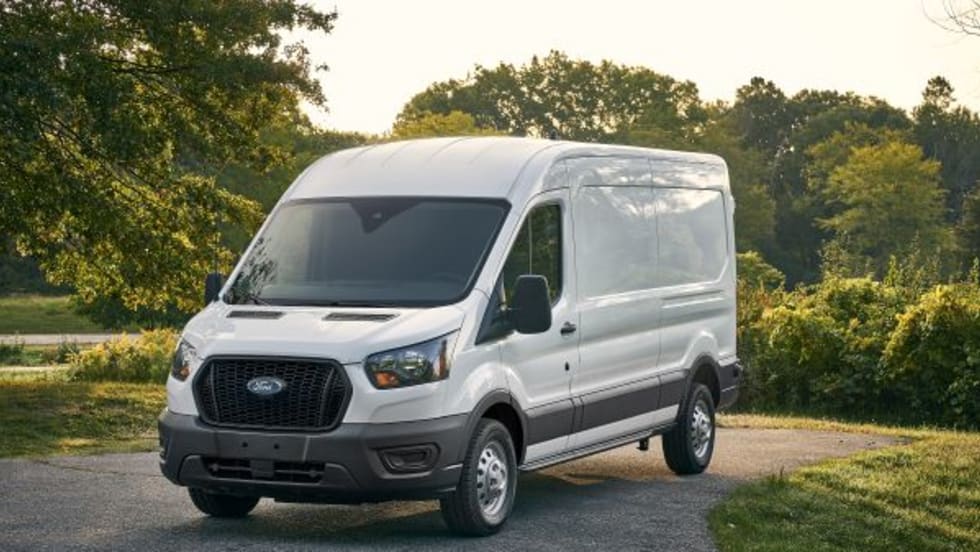
2021 Ford Transit Offers Versatility for Fleets
For the 2021-MY, Ford made ergonomic enhancements for drivers and added an available Parcel Delivery Package. This follows a major refresh in 2020, which added a Crew version, a new standard engine, standard active safety technologies, and embedded telematics to the Transit van family.
Read More →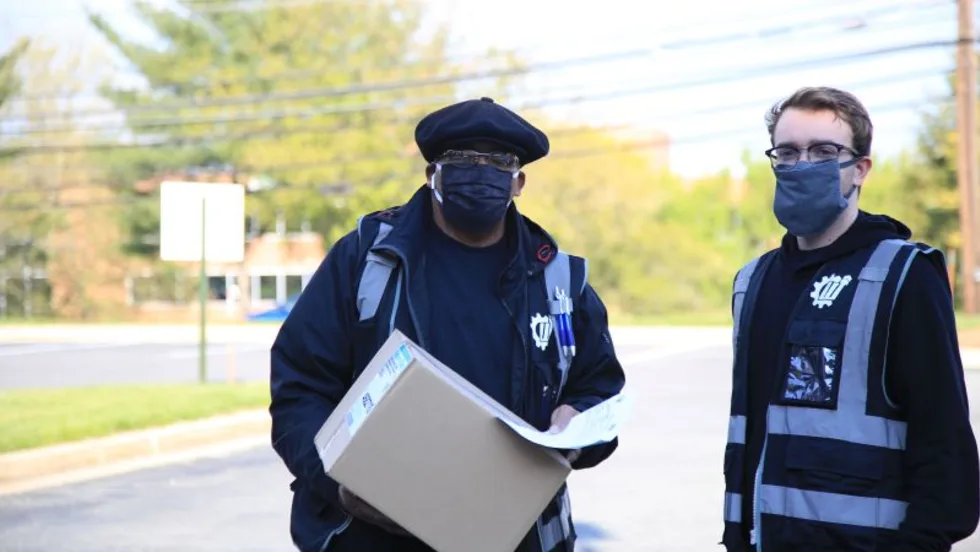
Recognizing the Other Essential Drivers
Vocational and business fleet drivers don’t get the attention that truckers do. Yet they too are on the front lines, and their jobs often bring them into uncontrolled environments every day.
Read More →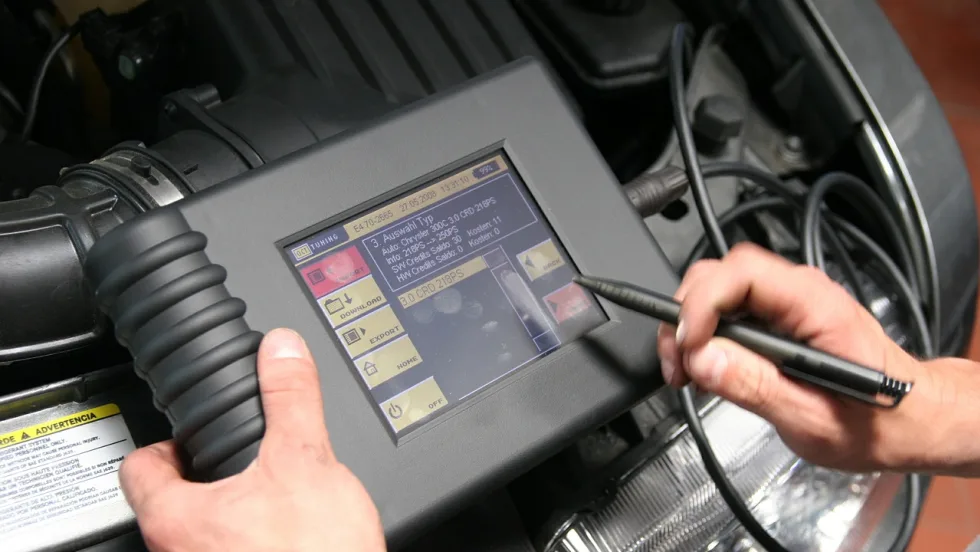
It’s Time to Formulate an ADAS Game Plan
As proliferation of Advanced Driver Assistance Systems (ADAS) increases, skilled labor, equipment, and training costs will increase as well. Fleet operators can’t mitigate these financial burdens by cutting corners on ADAS recalibration and repairs.
Read More →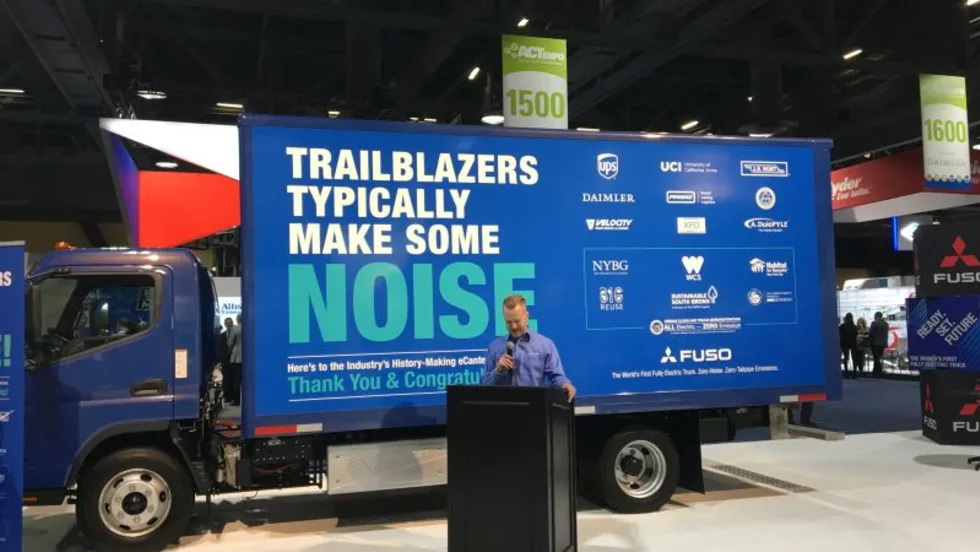
The Future is Electric, But…
With an increasing emphasis on emissions reductions mandates, will fleet operators get caught between clean technologies on their way out and an electric future that hasn’t yet arrived?
Read More →
6 Trend Lines from the 2019 Work Truck Show
From giant leaps in torque and towing to heavy duty truck personalization and chassis cab styling, these trends emerged from this year’s Work Truck Show in Indianapolis.
Read More →
They’re Coming for Your Diesel
In Southern California and other parts of the world, regulators are coalescing to ban, or severely curtail, diesel vehicles. There’s a growing disconnect with the mandates to green the environment and the availability of products and technologies to get us there.
Read More →
Hey Cannabis Companies, Welcome to Fleet
An industry is forming, and it needs help with fleet. In the meantime, the fleet industry should know that these new businesses are navigating extraordinary circumstances, which is forcing them to be better fleet operators pretty darn quick.
Read More →
Takeaways from the Fleet Forward Conference
Most attendees — from established fleets and vendors to new players that were only formed five years ago — didn’t know anyone. But that’s exactly the point.
Read More →
Is it Time to Rethink How Drivers Are Paid?
With the ELD rule affecting miles driven, and drivers’ duties increasingly including more than just driving the vehicle, what can be done to more accurately and fairly reflect a driver’s workday?
Read More →
Whatever Happened to CNG?
While the light-duty market for compressed natural gas vehicles has almost evaporated, new near zero emissions technology and drastic reductions in infrastructure costs have reinvigorated the market for medium- and heavy-duty applications — even for smaller fleets.
Read More →