


Five Predictions for Car Rental in 2013
As fleet sales and the used car market finally get back to normal, the land rush for vacated airport locations will produce a ground war on rates.

Coming out of a Recession, OEM bankruptcies, yo-yo fuel prices, natural disasters and historical peaks for used car prices, 2013 might have been characterized as a return to “normal.” Yet the fallout from the Hertz acquisition of Dollar Thrifty will prove that this year will be anything but.
Fleet costs will go up.
This year the OEMs increased sales to rental to follow a more “normal” selling pattern, but the prices of new cars haven’t dipped. According to one operator, “It is getting more difficult to spot a deal as nearly every vehicle out there has seen a dramatic price increase in the last couple years.” For its 2013 model-year buy, Avis Budget predicts “low- to mid-single-digit increases” in the purchase prices for risk cars, according to its third quarter conference call.
We knew the great used car market couldn’t last. Supply returns to the wholesale market next year; used leases will start to hit in January and higher new car sales will produce more trade-ins. Kelley Blue Book estimates that resale values in the first and second quarters of 2013 will be down 1-2% over 2012, an unusually strong year. “This is a slight softening, not the edge of a cliff, because supply is still a very real concern for a lot of dealers out there,” says Alec Gutierrez, manager of vehicle valuation for KBB.
“The residuals are still good, but they are sliding, so the trick will be not to get caught in the gray area where the residual goes negative against the cap cost,” the franchisee cautions. The squeeze is on.
It’s going to be a tough year for leisure rates.
Common wisdom says that market consolidation makes prices rise. That may happen in the long run, but not in the foreseeable future. The Federal Trade Commission (FTC) is making sure of that. As part of the Hertz/Dollar Thrifty merger, the FTC is forcing Hertz to vacate 26 Dollar or Thrifty airport locations — 13 to the new Advantage, while 13 more will go to either Advantage or other new buyers. The likely candidates are Fox or Sixt, up-and-comers with plans to expand. With this Balkanization in the discount market, look for a ground war on rates to gain market share.
Technology will evolve the ancillary revenue market.
“Connectivity,” the buzz word in our daily lives, will finally reach the car rental market. Next year may be the first in which a major rental car company will offer — for a fee — a device that easily links a smartphone with a vehicle’s infotainment system, so the renter can access music and contacts and talk hands-free. In general, more apps are coming to cars, and RACs will find a way to cash in.
Conversely, rentals of GPS units will fall as more consumers use their smartphones to navigate.
The lending market will ease — for bigger players.
“Lenders are chasing loan volume. Our rental clients are getting courted every day of the week,” says one lender, noting that most of the activity is happening on lines of $40 million and up. “If you’ve got a reasonable track record, pretty low leverage and some size, banks want your business, but they are tying better rates to higher deposits.”
Medium-sized companies are seeing the renewed competition as well. “Not only are banks becoming friendlier to deal with but a few new leasing companies with pretty competitive rates are popping up,” says one operator, who draws about $10 million for his business.
The lender predicts that better rates will eventually trickle down to those who need less than $10 million, though it may take more than a year to happen. In general, at least rates aren’t going up in the next two years — the fragile economy will make sure of that.
Watch out for the independents.
With the merger deal now complete, the market is consolidated among three major players. But the FTC’s required divestitures present opportunities for smaller companies. Now with 62 locations serving U.S. airports and more possible, along with 325 neighborhood locations under the U-Save brand, the new Advantage (owned by Macquarie Capital and Franchise Services of North America Inc.) will become the fourth largest car rental company in North America.
Fox has grown from its Western roots into Florida, and is now recognized by the majors as a force to be reckoned with. Fox will win a few of those open airport bids and continue to grow.
Sixt, a global player but new to America, has opened seven U.S. airport locations within a year. Don’t be confused by Hertz’s designation of Sixt as a “deep value” brand. From its corporate backbone in Germany and global ties to airlines, travel agencies and distribution systems to a U.S. franchise initiative, Sixt has a flag in the sand here.
More Blog Posts
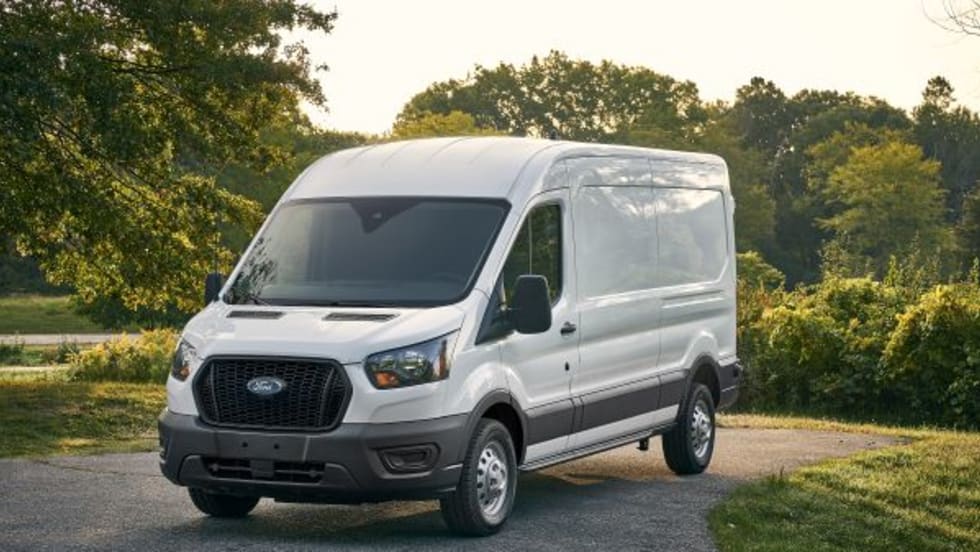
2021 Ford Transit Offers Versatility for Fleets
For the 2021-MY, Ford made ergonomic enhancements for drivers and added an available Parcel Delivery Package. This follows a major refresh in 2020, which added a Crew version, a new standard engine, standard active safety technologies, and embedded telematics to the Transit van family.
Read More →
Recognizing the Other Essential Drivers
Vocational and business fleet drivers don’t get the attention that truckers do. Yet they too are on the front lines, and their jobs often bring them into uncontrolled environments every day.
Read More →
It’s Time to Formulate an ADAS Game Plan
As proliferation of Advanced Driver Assistance Systems (ADAS) increases, skilled labor, equipment, and training costs will increase as well. Fleet operators can’t mitigate these financial burdens by cutting corners on ADAS recalibration and repairs.
Read More →
The Future is Electric, But…
With an increasing emphasis on emissions reductions mandates, will fleet operators get caught between clean technologies on their way out and an electric future that hasn’t yet arrived?
Read More →
6 Trend Lines from the 2019 Work Truck Show
From giant leaps in torque and towing to heavy duty truck personalization and chassis cab styling, these trends emerged from this year’s Work Truck Show in Indianapolis.
Read More →
They’re Coming for Your Diesel
In Southern California and other parts of the world, regulators are coalescing to ban, or severely curtail, diesel vehicles. There’s a growing disconnect with the mandates to green the environment and the availability of products and technologies to get us there.
Read More →
Hey Cannabis Companies, Welcome to Fleet
An industry is forming, and it needs help with fleet. In the meantime, the fleet industry should know that these new businesses are navigating extraordinary circumstances, which is forcing them to be better fleet operators pretty darn quick.
Read More →
Takeaways from the Fleet Forward Conference
Most attendees — from established fleets and vendors to new players that were only formed five years ago — didn’t know anyone. But that’s exactly the point.
Read More →
Is it Time to Rethink How Drivers Are Paid?
With the ELD rule affecting miles driven, and drivers’ duties increasingly including more than just driving the vehicle, what can be done to more accurately and fairly reflect a driver’s workday?
Read More →
Whatever Happened to CNG?
While the light-duty market for compressed natural gas vehicles has almost evaporated, new near zero emissions technology and drastic reductions in infrastructure costs have reinvigorated the market for medium- and heavy-duty applications — even for smaller fleets.
Read More →