


Fleet Is No Longer a Dirty Word
The key is to understand what is meant by “fleet” — and then separate perception from reality.

If you’ve read enough press about the automotive industry, you’ve heard auto executives say that a manufacturer is “reducing sales into fleet.” This may give pause to those running small business fleets — does this mean you’ll have less opportunity or choice to buy what you need?
Conversely, fleet managers of the large commercial accounts often hear at fleet events that “fleet business is good business.”
So are the manufacturers talking out of both sides of their mouths? Not quite. When they say “reducing fleet sales,” this is shorthand for reducing sales into rental fleets. Taking it one step further, they’re saying “we’re reducing sales into rental fleets to protect our vehicles’ residual values.”
Commercial fleet units never suffered the same stigma as rental units. Those vehicles generally have had one “owner,” a professional or an executive, and are better equipped. On the other hand, the base models with the rollup windows ended up in rental fleets, as did the overproduced models, or the models on a slow path to extinction.
But those days have changed. Even before the Recession, manufacturers had “found religion” when it came to rental fleet sales. Since then, they’ve raised prices on rental units. They have avoided the ignominy of the bare-bones model and have equipped rental units with content a retail buyer would want. And, most importantly, have sold a smaller percentage of cars into rental fleets.
This philosophy shift has had a positive effect on residual values, especially with the domestic manufacturers.
At last year’s Conference of Automotive Remarketing, Eric Ibara, director of residual value consulting for Kelley Blue Book (KBB), presented an analysis of residual values based on model redesigns since the 2007 model year to understand how model changes affect residual values.
KBB’s data showed that a car model that incurred a 10% increase in rental penetration percentage suffered a surprisingly small residual value drop of .4%. Perhaps as surprising, lease penetration produced the same ratio: A 10% increase led to the same .4% drop.
But then there’s the perception that all rental customers are bent on outdoing Evel Knievel. The reality is that the majority of rental cars are driven by people aged 25 to 65, half on business and half on leisure. They hold credit cards and most are air travelers.
Rental units are washed and checked every three or four days (the average rental length) and undergo scrupulous preventive maintenance, especially to satisfy the rules of manufacturer’s repurchase programs.
At least two manufacturers— Toyota and Nissan — do not ban off-rentals from becoming coveted certified, pre-owned (CPO) units, as long as the vehicles meet the programs’ age, mileage and other strict conditions.
Believe it or not, for the number of miles driven, rental cars do not incur more accidents than other cars. A common rule of thumb is an average of one accident claim in the life of a rental car, about 30,000 miles. That’s a smaller percentage of claims than cars in the general populace.
Nonetheless, the reality has yet to totally dispel the perception. Several states, including California, Wisconsin and Maine, require dealerships to disclose vehicles’ initial use in a rental fleet. And this has some detrimental side effects:
“Our used car managers do distinguish true commercial fleet cars from rentals because they don't have to be disclosed as rentals. The leased units often have nicer equipment, or at least are different than the rental cars, and are older so they are at a lower price point,” writes Jeff Barron, a commercial fleet lessor with Ellis Brooks Leasing in San Francisco. “But the biggest thing is that they don't have to be disclosed as a former rental.”
But the tide of perception might be changing. In a 2012 case, Bentley v. Weinberg Dodge, a dealer was brought to trial in Kansas City, Mo., for not disclosing that a sold used car was a rental unit, as well as for not disclosing previous damage. The jury found for the plaintiff for only $2,500, to pay for the previous damage. In other words, “the jury awarded no damage because the car had been a rental,” says fleet consultant Jim Tennant, who testified at the trial.
If anything, when manufacturers say they are “reducing sales into (rental) fleets,” that should make commercial fleet accounts happy. Today, rental fleets are better managed by the manufacturers and fleet accounts, meaning that “fleet business — all fleet business — is good business.”
More Blog Posts
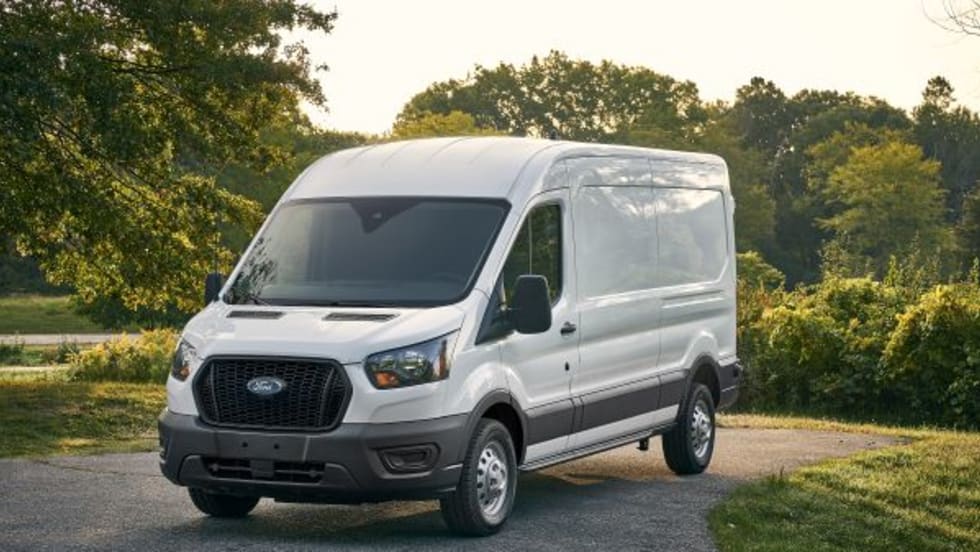
2021 Ford Transit Offers Versatility for Fleets
For the 2021-MY, Ford made ergonomic enhancements for drivers and added an available Parcel Delivery Package. This follows a major refresh in 2020, which added a Crew version, a new standard engine, standard active safety technologies, and embedded telematics to the Transit van family.
Read More →
Recognizing the Other Essential Drivers
Vocational and business fleet drivers don’t get the attention that truckers do. Yet they too are on the front lines, and their jobs often bring them into uncontrolled environments every day.
Read More →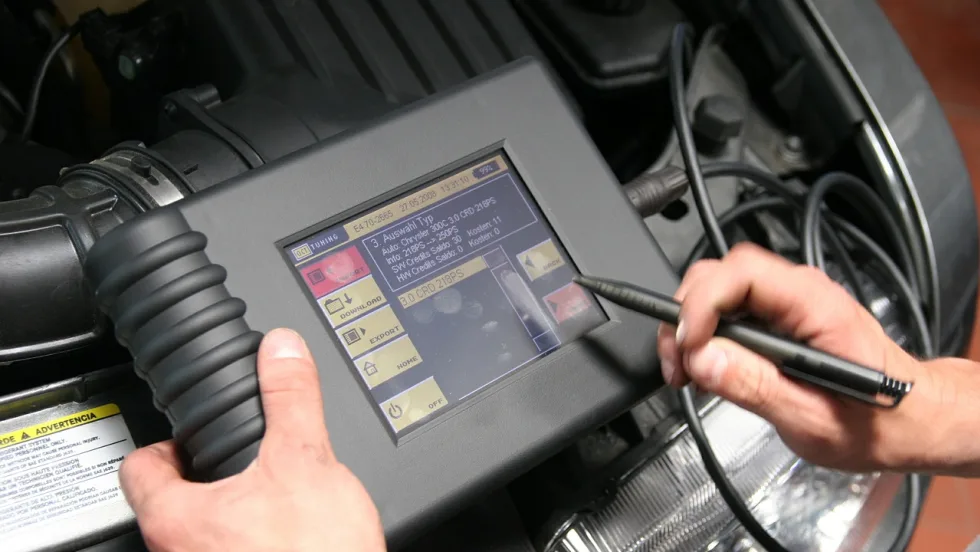
It’s Time to Formulate an ADAS Game Plan
As proliferation of Advanced Driver Assistance Systems (ADAS) increases, skilled labor, equipment, and training costs will increase as well. Fleet operators can’t mitigate these financial burdens by cutting corners on ADAS recalibration and repairs.
Read More →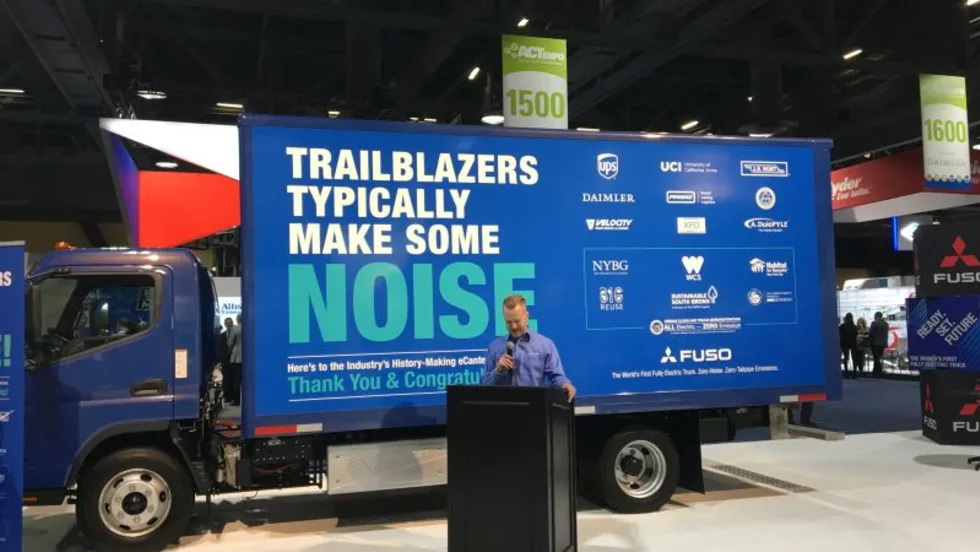
The Future is Electric, But…
With an increasing emphasis on emissions reductions mandates, will fleet operators get caught between clean technologies on their way out and an electric future that hasn’t yet arrived?
Read More →
6 Trend Lines from the 2019 Work Truck Show
From giant leaps in torque and towing to heavy duty truck personalization and chassis cab styling, these trends emerged from this year’s Work Truck Show in Indianapolis.
Read More →
They’re Coming for Your Diesel
In Southern California and other parts of the world, regulators are coalescing to ban, or severely curtail, diesel vehicles. There’s a growing disconnect with the mandates to green the environment and the availability of products and technologies to get us there.
Read More →
Hey Cannabis Companies, Welcome to Fleet
An industry is forming, and it needs help with fleet. In the meantime, the fleet industry should know that these new businesses are navigating extraordinary circumstances, which is forcing them to be better fleet operators pretty darn quick.
Read More →
Takeaways from the Fleet Forward Conference
Most attendees — from established fleets and vendors to new players that were only formed five years ago — didn’t know anyone. But that’s exactly the point.
Read More →
Is it Time to Rethink How Drivers Are Paid?
With the ELD rule affecting miles driven, and drivers’ duties increasingly including more than just driving the vehicle, what can be done to more accurately and fairly reflect a driver’s workday?
Read More →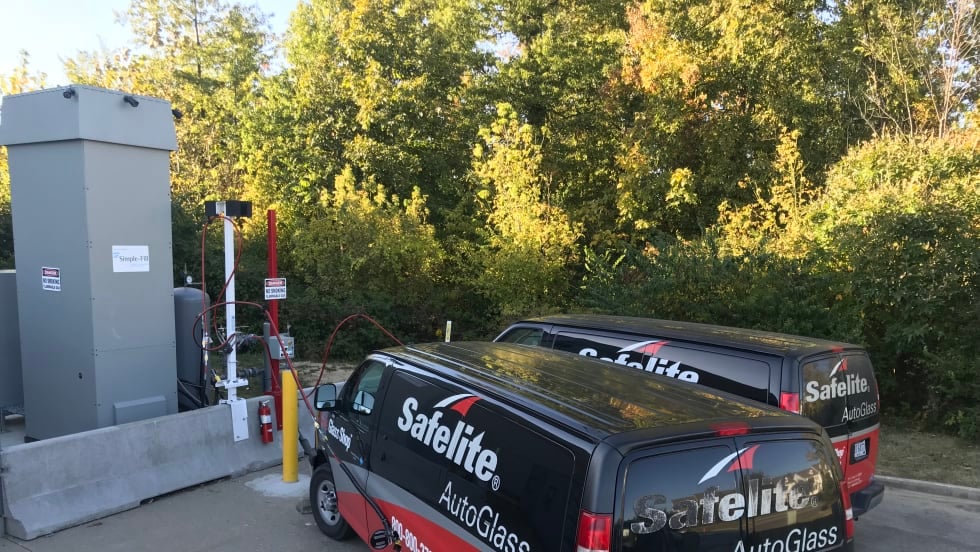
Whatever Happened to CNG?
While the light-duty market for compressed natural gas vehicles has almost evaporated, new near zero emissions technology and drastic reductions in infrastructure costs have reinvigorated the market for medium- and heavy-duty applications — even for smaller fleets.
Read More →