


FlightCar Lawsuit Tests Regulations of New Business Models
The issue highlights the need to balance business fairness and consumer protections with the need for competition and to allow new business models to succeed.

In concept, I’m all for peer-to-peer sharing businesses. We barely use our own stuff as it is, so why can’t we rent it out to other people, which would save us from producing more stuff that’s only used a fraction of the time?
However, the real world application of new peer-to-peer models has brought about legal and regulatory clashes as the powers that be figure out things like proper taxation, safety protections, insurance and assigning liability. Should these new models get a break?
Such a regulatory case is happening to FlightCar, a peer-to-peer rental company for airport travelers that has set up shop at San Francisco International Airport (SFO) and Boston Logan Airport. The City of San Francisco is suing FlightCar on the grounds that it is operating illegally at SFO. The lawsuit contends that FlightCar should be subjected to the same fee structure as other off-airport car rental companies, which is $20 per transaction and about 10% of its profits.
FlightCar argues that it is paying its fair share already. It picks up and drops off customers at the airport via black car, and for this privilege pays $3.65 in fees to the airport for every trip (or close to $15 for each rental transaction). Those black car companies are all approved and licensed by the California Public Utilities Commission and SFO.
Rujul Zaparde, co-founder of FlightCar, contends that other companies that pay this fee have advertising rights in the airport and get branding on the shuttles; these are benefits FlightCar won’t get even after paying the fees. Further, Zaparde says that 30% to 35% of FlightCar’s transactions do not even involve airport passengers, these are instead local rentals that use the lot for drop offs.
Unfortunately for FlightCar, the contention that it’s already paying enough does not have historical precedent at SFO.
I caught up with the president of an independent rental company that serves SFO from an off-airport location. The president, who asked to remain anonymous, says that his company had tried a similar shuttle scheme, working with an existing airport-approved parking shuttle company based at a hotel. Even though the shuttle company paid for the rental company’s trips, the airport did not approve the deal. The application process was not easy. “It took us a year to get approved,” the president said, and it included an advance payment based on projected airport contracts and revenue. “San Francisco Airport is one of the most difficult airports anybody could deal with,” he said.
And yes, this company is paying the $20 per contract plus 10% of revenues. It’s renters must use the train to reach SFO’s rental center, at which point they are shuttled to the company's lot. This seems like the path that FlightCar is destined to follow.
But whereas that case involved a traditional rental company, FlightCar says it is not. “We are not a typical, traditional car rental agency; we are a peer-to-peer car sharing company,” said Zaparde. “We are like any other company that regularly or semi-regularly uses limos to pick up and drop off people at the airport and pay the fees associated with the limos.”
This doesn’t hold water with Doug Yakel, public information officer for SFO. Yakel points to the larger regulatory picture of peer-to-peer transactions with other shared ride businesses such as Lyft, UberX and SideCar.
“The way we view it is there are peers involved in the transactions, but ultimately there is a company that is facilitating the interactions and the company is making money off the interactions,” Yakel said. “They are collecting fees and it’s a for-profit business.”
Yakel maintains that it isn’t up to the airport to decide how these businesses should be regulated; it’s up to agencies such as the California Public Utilities Commission. “Until those determinations are made, we come back to our existing rules and regulations as they are written today,” he said, “and we make definitions based upon those.”
In regards to the fees being onerous for a smaller company, Yakel replied that “This company is competing for the same customer base yet without incurring the costs of their competitors. We view that as an unfair business practice.”
Yakel says that off-airport companies only pay 10% of airport transactions. And he points out that traditional car rental companies have for years been asking for the ability to take customers in a car directly to a terminal. “To allow FlightCar to do that without permission when these other companies aren’t able to, it’s a fairness issue for us,” he said.
Interestingly, in Chicago O’Hare, one of the busiest airports in the world, off-airport rental companies are allowed to pick up customers from the Bus/Shuttle Center outside Terminal 5. They can even wait for customers there, and they don’t have to pay a fee to the airport. At Chicago Midway, companies are allowed to pick up in the lane used for limo service, with no fee either.
To that point, Yakel said that every airport has its own operating procedure that reflects their facility arrangement. “Something unique to SFO is the space constraint compared to other airports,” he said. “There is only a limited amount of available curbside real estate. This touches all forms of ground transportation.”
Certainly, FlightCar is facing an uphill battle. Indeed, traditional car rental companies play by the rules and pay the fees, so shouldn’t an upstart do the same?
We need to allow these disruptive business models a chance for the good of the public, but yes, they must be tempered with the need for regulation and fairness to existing businesses. Perhaps FlightCar should pull up stakes and set up shop in airports with less stringent regulations, such as O’Hare or Midway. There the renting public has greater choice, and can decide if the business model is to succeed.
More Blog Posts
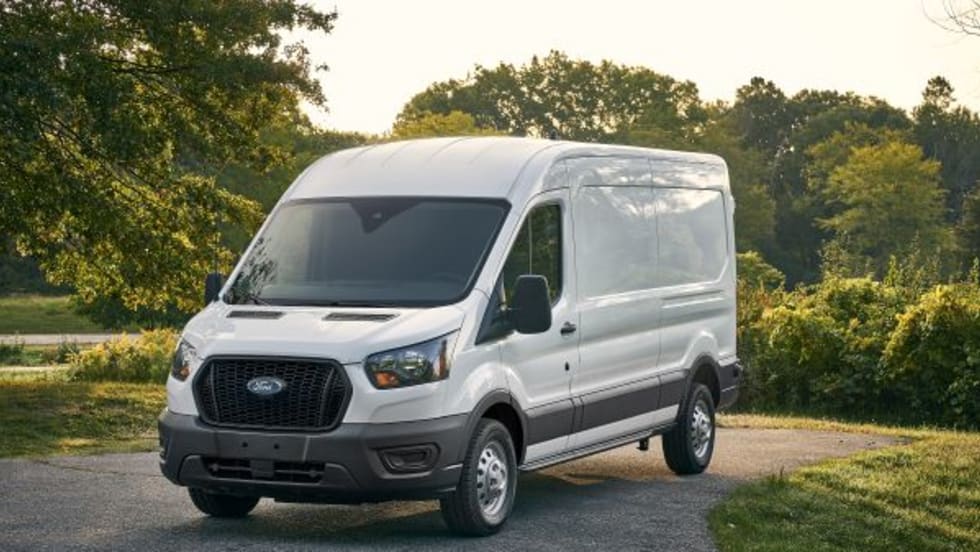
2021 Ford Transit Offers Versatility for Fleets
For the 2021-MY, Ford made ergonomic enhancements for drivers and added an available Parcel Delivery Package. This follows a major refresh in 2020, which added a Crew version, a new standard engine, standard active safety technologies, and embedded telematics to the Transit van family.
Read More →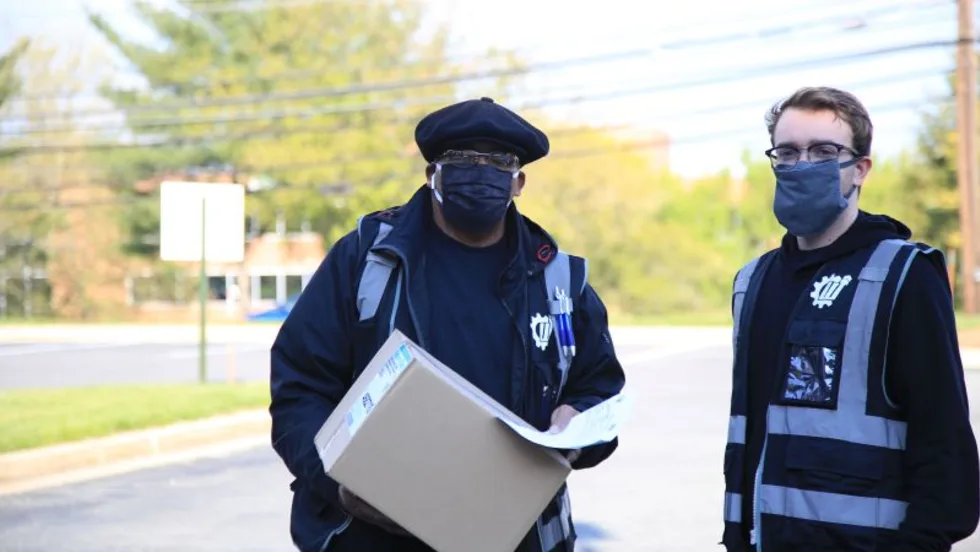
Recognizing the Other Essential Drivers
Vocational and business fleet drivers don’t get the attention that truckers do. Yet they too are on the front lines, and their jobs often bring them into uncontrolled environments every day.
Read More →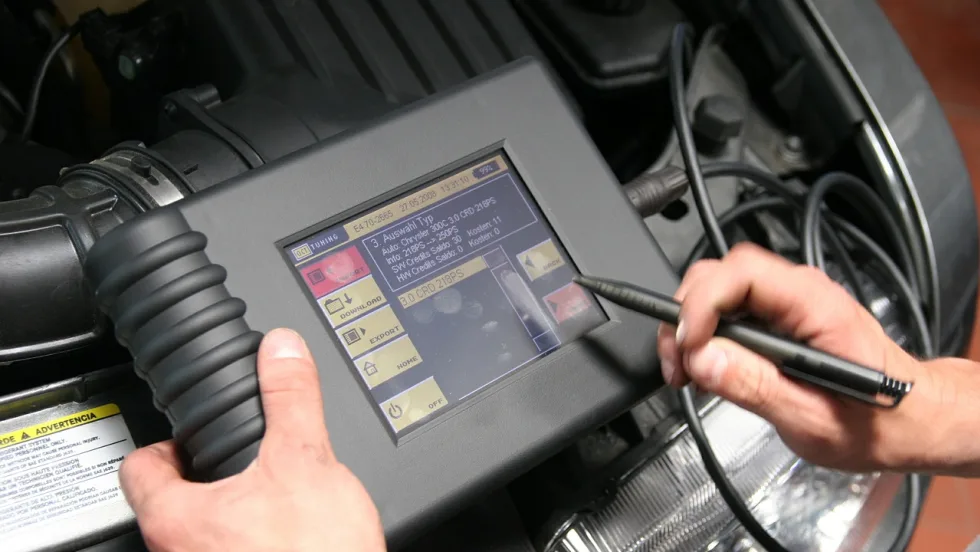
It’s Time to Formulate an ADAS Game Plan
As proliferation of Advanced Driver Assistance Systems (ADAS) increases, skilled labor, equipment, and training costs will increase as well. Fleet operators can’t mitigate these financial burdens by cutting corners on ADAS recalibration and repairs.
Read More →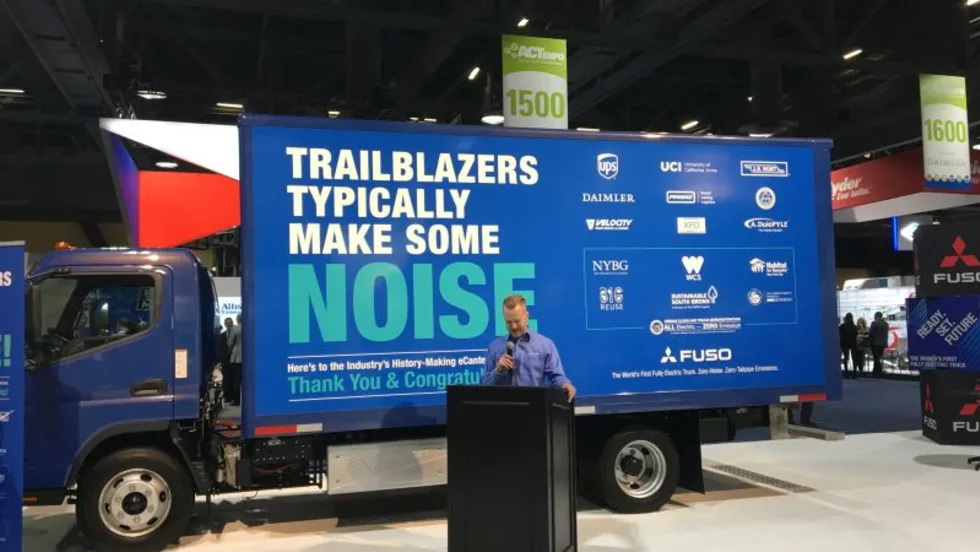
The Future is Electric, But…
With an increasing emphasis on emissions reductions mandates, will fleet operators get caught between clean technologies on their way out and an electric future that hasn’t yet arrived?
Read More →
6 Trend Lines from the 2019 Work Truck Show
From giant leaps in torque and towing to heavy duty truck personalization and chassis cab styling, these trends emerged from this year’s Work Truck Show in Indianapolis.
Read More →
They’re Coming for Your Diesel
In Southern California and other parts of the world, regulators are coalescing to ban, or severely curtail, diesel vehicles. There’s a growing disconnect with the mandates to green the environment and the availability of products and technologies to get us there.
Read More →
Hey Cannabis Companies, Welcome to Fleet
An industry is forming, and it needs help with fleet. In the meantime, the fleet industry should know that these new businesses are navigating extraordinary circumstances, which is forcing them to be better fleet operators pretty darn quick.
Read More →
Takeaways from the Fleet Forward Conference
Most attendees — from established fleets and vendors to new players that were only formed five years ago — didn’t know anyone. But that’s exactly the point.
Read More →
Is it Time to Rethink How Drivers Are Paid?
With the ELD rule affecting miles driven, and drivers’ duties increasingly including more than just driving the vehicle, what can be done to more accurately and fairly reflect a driver’s workday?
Read More →
Whatever Happened to CNG?
While the light-duty market for compressed natural gas vehicles has almost evaporated, new near zero emissions technology and drastic reductions in infrastructure costs have reinvigorated the market for medium- and heavy-duty applications — even for smaller fleets.
Read More →