


Hard Times Ahead for the Compact SUV Segment?
The hottest segment today is facing a glut of models and volume in tomorrow’s wholesale market.

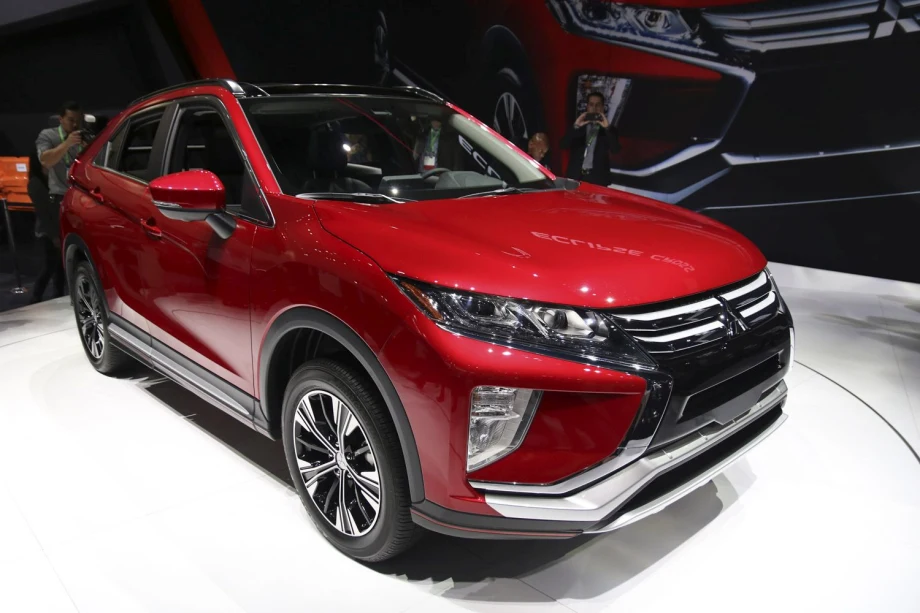
The 2018 Mitsubishi Eclipse Cross, among many new entrants in small SUV segment, debuted at the LA Auto Show in November. (Photo by Paul Lim.)
If it’s okay to equate “love affair” with an automotive segment, then let’s talk compact crossovers/SUVs — the hottest, best-looking, most-desired segment in the automotive world for the past half-decade.
The segment that didn’t exist 20 years ago is now the largest, in both models and volume. And just like a hit sitcom, it’s even spawned two new sub-segments, luxury compact crossovers and subcompact crossovers.
The tipping point was near the end of 2014, when crossover sales crested car sales and never looked back. Last year, the segment grew by 4.6% in sales year-over-year to a whopping 3.16 million units. That’s even more incredible understanding that overall U.S. new vehicle sales declined in 2017 for the first time in seven years.
As a result, fleet buyers have migrated to this new segment for all the reasons consumers have, and for their residual value retention.
But the automotive industry has historical ebbs and flows. The first large SUV obsession of the late 1990’s and early 2000’s ultimately gave way to the small car craze brought on by the spike in fuel prices and the Recession. You couldn’t give a pickup away in 2008, but five years later it was sedan sales that were plunging.
It’s hard to see the end of a trend when you’re in the middle of one. (Just ask real estate speculators a decade ago.) With this in mind, it’s always tricky for automakers to plan future models and production runs to meet future demand just right. There are some moving parts here to keep an eye on.
So could the love affair with small crossover segment turn sour in the wholesale market of tomorrow?
The residual risk assessors at RVI Analytical Services predict an increase in off-lease supply for small SUVs will cause a 9% decline in wholesale prices for the segment by 2020. “There is a glut of supply coming back of subcompact and compact crossovers,” says Wayne Westring, manager for RVI.
“We’ve seen historic highs for overall lease penetration over the last eight quarters,” Westring continues. “Demand is still there, but used supply has been increasing. That will put downward pressure on (pricing for) those vehicles.”
Tom Kontos, Adesa’s chief economist, concurs. “So many of these vehicles (new compact crossovers/SUVs) have been sold in recent years they will be face supply pressure, maybe even starting this year,” he says.
Overall, RVI expects overall wholesale prices in 2018 to decline about 3% from current levels, and the decline will increase to almost 8% in 2019, Westring says, based on growing supply. The price decrease for the small crossover segment is predicted to be greater than the overall average.
Black Book predicts that the compact crossover/SUV segment will decline in two-year retention from a high of 57% in 2015 to 50% in 2020. That’s the second largest drop in any of the largest segments.
Westring cautions that in the face of an overall shrinking SAAR, a glut of small SUV models and production could cause manufacturers to incentivize new sales with rebates, which would further weaken wholesale pricing in the segment.
Then should fleet buyers flee the small SUV in favor of the next rock star segment?
RVI’s analysis predicts that subcompact and compact cars will decline 8% by 2020 — slightly better, but not substantially, than the value decline for small SUVs. RVI also predicts full-size pickups and midsize and large sedans will perform better than the average market decline.
Black Book’s predicted 50% retention rate in 2020 for compact SUVs still beats retentions for the subcompact (38%), compact (46%), midsize (46%), and full-size (45%) car segments. (Meanwhile, midsize crossover/SUVs should retain 56% of their value, and full-size crossover/SUVs 60%.)
Automotive prognosticators aren’t seeing a drastic shift in consumer preference. Americans love the high ride, utility, roominess, and relatively good fuel economy of the crossover classes. Fuel prices are expected to remain low.
So no, small SUVs won’t become the Beanie Babies or Cabbage Patch Kids of 2020. But fleet buyers and consignors do need to be aware that the small crossover/SUV segment won’t be buoying overall fleet holding costs as much as they have in the past.
More Blog Posts
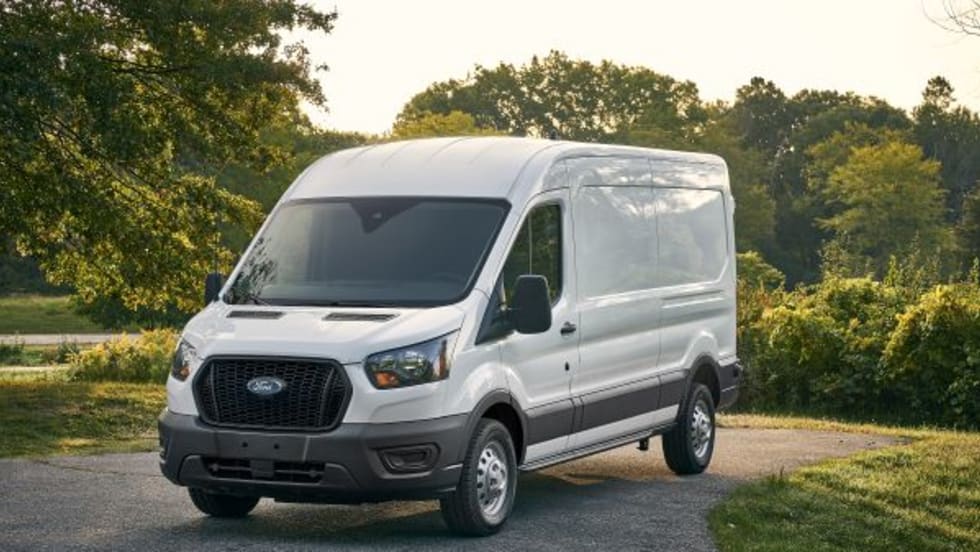
2021 Ford Transit Offers Versatility for Fleets
For the 2021-MY, Ford made ergonomic enhancements for drivers and added an available Parcel Delivery Package. This follows a major refresh in 2020, which added a Crew version, a new standard engine, standard active safety technologies, and embedded telematics to the Transit van family.
Read More →
Recognizing the Other Essential Drivers
Vocational and business fleet drivers don’t get the attention that truckers do. Yet they too are on the front lines, and their jobs often bring them into uncontrolled environments every day.
Read More →
It’s Time to Formulate an ADAS Game Plan
As proliferation of Advanced Driver Assistance Systems (ADAS) increases, skilled labor, equipment, and training costs will increase as well. Fleet operators can’t mitigate these financial burdens by cutting corners on ADAS recalibration and repairs.
Read More →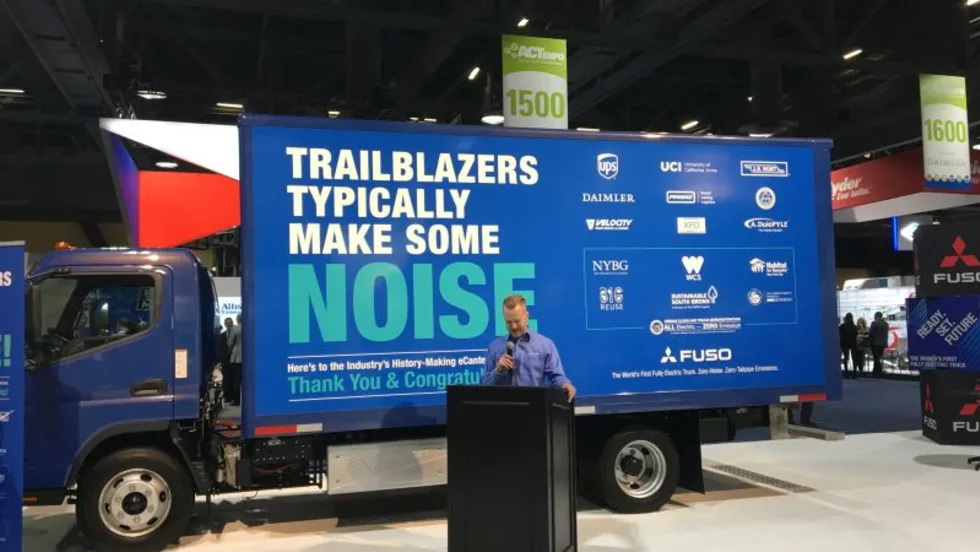
The Future is Electric, But…
With an increasing emphasis on emissions reductions mandates, will fleet operators get caught between clean technologies on their way out and an electric future that hasn’t yet arrived?
Read More →
6 Trend Lines from the 2019 Work Truck Show
From giant leaps in torque and towing to heavy duty truck personalization and chassis cab styling, these trends emerged from this year’s Work Truck Show in Indianapolis.
Read More →
They’re Coming for Your Diesel
In Southern California and other parts of the world, regulators are coalescing to ban, or severely curtail, diesel vehicles. There’s a growing disconnect with the mandates to green the environment and the availability of products and technologies to get us there.
Read More →
Hey Cannabis Companies, Welcome to Fleet
An industry is forming, and it needs help with fleet. In the meantime, the fleet industry should know that these new businesses are navigating extraordinary circumstances, which is forcing them to be better fleet operators pretty darn quick.
Read More →
Takeaways from the Fleet Forward Conference
Most attendees — from established fleets and vendors to new players that were only formed five years ago — didn’t know anyone. But that’s exactly the point.
Read More →
Is it Time to Rethink How Drivers Are Paid?
With the ELD rule affecting miles driven, and drivers’ duties increasingly including more than just driving the vehicle, what can be done to more accurately and fairly reflect a driver’s workday?
Read More →
Whatever Happened to CNG?
While the light-duty market for compressed natural gas vehicles has almost evaporated, new near zero emissions technology and drastic reductions in infrastructure costs have reinvigorated the market for medium- and heavy-duty applications — even for smaller fleets.
Read More →