


How Technology Is Addressing Car Rental Underutilization
Three new companies that don’t own fleet are renting your cars through their apps — and pulling traditional car rental into the new mobility agenda.

I’ve preached the future of auto rental before — a world without rental counters and the need for car rental companies to integrate into the new mobility agenda. The future looks to be app-based and on-demand, a hybrid of carsharing and traditional car rental. While the technology is available now, everyone is still figuring out exactly how this will all take place.
For a car rental company, especially if you’re not one of the Big Three, the hard part is taking the leap to a new platform and understanding exactly how and where to put your rental cars where new customers will find them. Those running a traditional rental business day-to-day don’t have time to figure this out. Managing mobile applications and understanding demand algorithms aren’t in their DNA.
Of course, those same operators would want more wheels turning, higher utilization, and more revenue — however they get there.
Enter the new technology companies, the ones born out of startup incubators, venture-capital funded, and out to “make the world a better place.” They have no interest in owning the cars; they don’t have fleet management experience backgrounds and, when they started, only knew traditional car rental through renting cars themselves. But they do purport to reach new renters that may not have a traditional car rental company in mind to solve their mobility needs.
Three companies in particular are using car rental companies’ inventories — in different ways — with the mobile app at the center of the transaction.
Los Angeles-based Skurt delivers rental cars. While this is not a new concept, it is the core of Skurt’s business model. Skurt partners with car rental companies who list their fleet for daily rental through Skurt’s app. The idea is to provide “short-term mobility for people who may not have even considered a rental for their use case,” says co-founder Harry Hurst.
When a reservation is made, Skurt sends offers to multiple car rental companies with customers’ information, a daily rate, and length of rental. The rental company can either accept or decline the offer. Upon acceptance, Skurt picks up the car from the rental company and delivers it to the renter.
The other two companies started in the “peer-to-peer” marketplace, in which private individuals rent their cars in an online marketplace. But both have expanded to utilize rental fleets. Why not? If a marketplace has enough demand and is governed by a powerful and user-friendly engine, then the origin of the service — whether private user or, in this case, a rental car company — is secondary. Think Craigslist.
Hyrecar, also based in Los Angeles and available in San Francisco, Atlanta, and Dallas, rents personal cars to drivers for transportation network companies (TNCs) such as Uber, Lyft, and Instacart. But rental companies are free to list their vehicles on Hyrecar’s platform as well.
San Francisco-based Turo rebranded last year from RelayRides, a pioneer in peer-to-peer daily rentals. Available in multiple markets, Turo’s system was designed for private car owners to post their single vehicle to rent, yet car rental companies have migrated to the platform as a way to leverage excess inventory, in spite of the manual process, says Justin Esch, Turo’s director of strategic partnerships. While owners and renters must still meet for a key exchange, Turo is redesigning its vehicle posting and management system to automate the process for fleet owners.
Each of these platforms has a proprietary renter qualification process and each carries its own collision and liability insurance on all vehicles. Turo is working on unbundling its insurance and allowing it to transfer to the rental companies’ insurance, which would reduce Turo’s fees, says Esch.
Owners of car rental fleets would rightfully have many questions on each model, without the space to answer here. But car rental companies are using these platforms today.
For car rental companies, the value proposition with these new companies is to reach new local markets using excess inventory without traditional business expansion investments such as labor, real estate, or marketing.
What will the car rental market look like in 10 years? Will these companies still exist? The most powerful and efficient models will survive. Today, we’re seeing the beginning of the courtship of fleet and technology providers. It’s time to start dating.
More Blog Posts
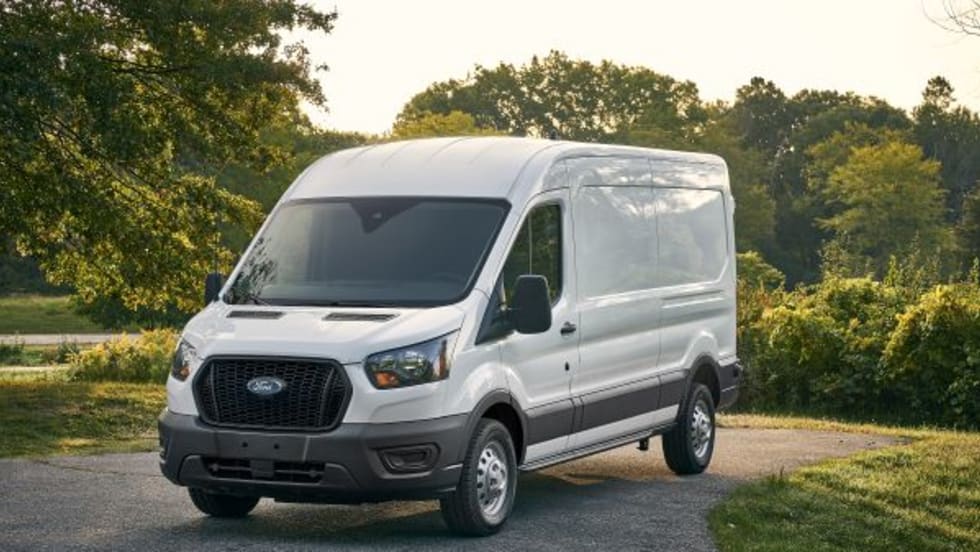
2021 Ford Transit Offers Versatility for Fleets
For the 2021-MY, Ford made ergonomic enhancements for drivers and added an available Parcel Delivery Package. This follows a major refresh in 2020, which added a Crew version, a new standard engine, standard active safety technologies, and embedded telematics to the Transit van family.
Read More →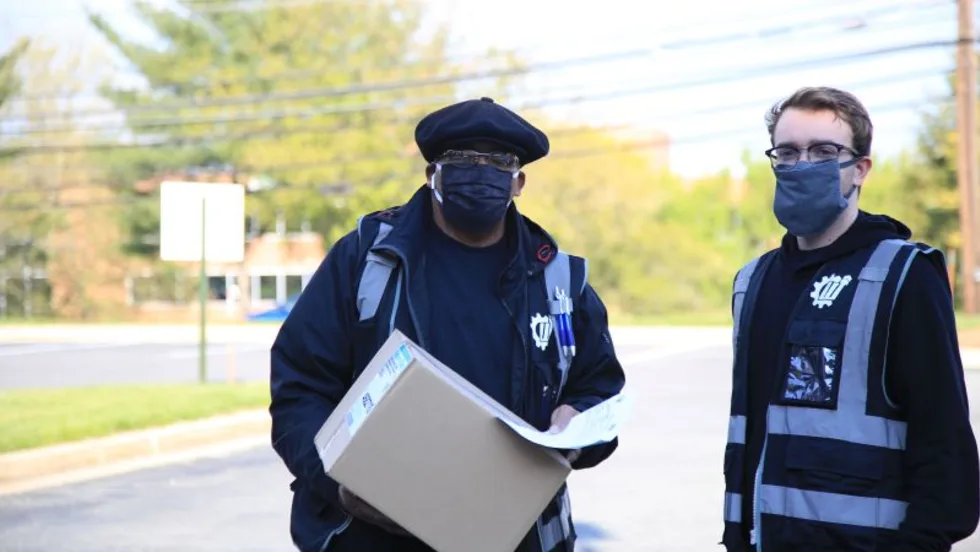
Recognizing the Other Essential Drivers
Vocational and business fleet drivers don’t get the attention that truckers do. Yet they too are on the front lines, and their jobs often bring them into uncontrolled environments every day.
Read More →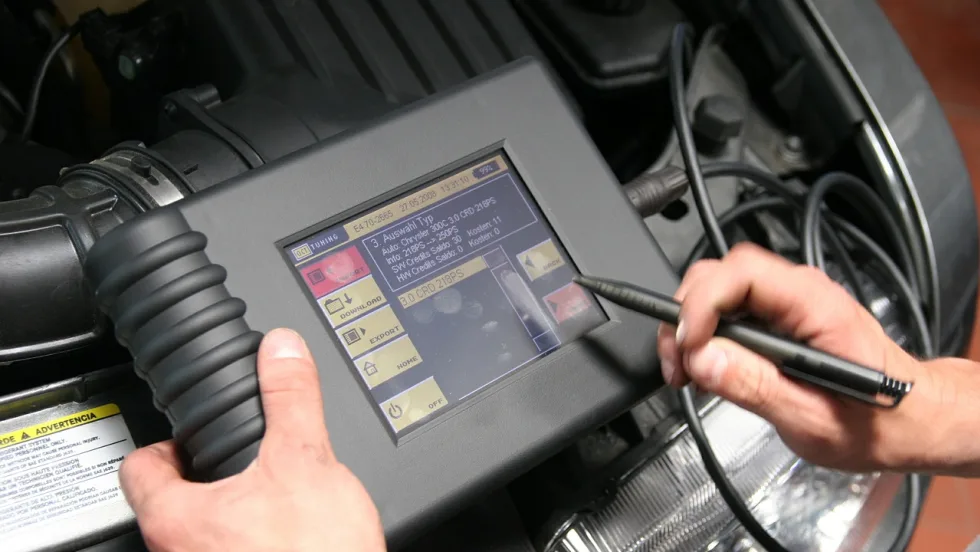
It’s Time to Formulate an ADAS Game Plan
As proliferation of Advanced Driver Assistance Systems (ADAS) increases, skilled labor, equipment, and training costs will increase as well. Fleet operators can’t mitigate these financial burdens by cutting corners on ADAS recalibration and repairs.
Read More →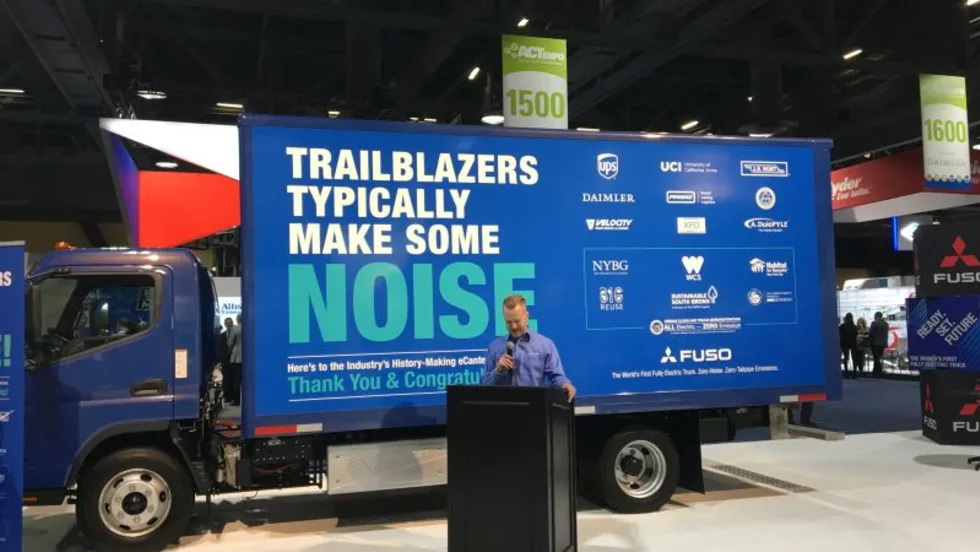
The Future is Electric, But…
With an increasing emphasis on emissions reductions mandates, will fleet operators get caught between clean technologies on their way out and an electric future that hasn’t yet arrived?
Read More →
6 Trend Lines from the 2019 Work Truck Show
From giant leaps in torque and towing to heavy duty truck personalization and chassis cab styling, these trends emerged from this year’s Work Truck Show in Indianapolis.
Read More →
They’re Coming for Your Diesel
In Southern California and other parts of the world, regulators are coalescing to ban, or severely curtail, diesel vehicles. There’s a growing disconnect with the mandates to green the environment and the availability of products and technologies to get us there.
Read More →
Hey Cannabis Companies, Welcome to Fleet
An industry is forming, and it needs help with fleet. In the meantime, the fleet industry should know that these new businesses are navigating extraordinary circumstances, which is forcing them to be better fleet operators pretty darn quick.
Read More →
Takeaways from the Fleet Forward Conference
Most attendees — from established fleets and vendors to new players that were only formed five years ago — didn’t know anyone. But that’s exactly the point.
Read More →
Is it Time to Rethink How Drivers Are Paid?
With the ELD rule affecting miles driven, and drivers’ duties increasingly including more than just driving the vehicle, what can be done to more accurately and fairly reflect a driver’s workday?
Read More →
Whatever Happened to CNG?
While the light-duty market for compressed natural gas vehicles has almost evaporated, new near zero emissions technology and drastic reductions in infrastructure costs have reinvigorated the market for medium- and heavy-duty applications — even for smaller fleets.
Read More →